What Drug Interactions Does GS-441524 (NeoFipronis) Have
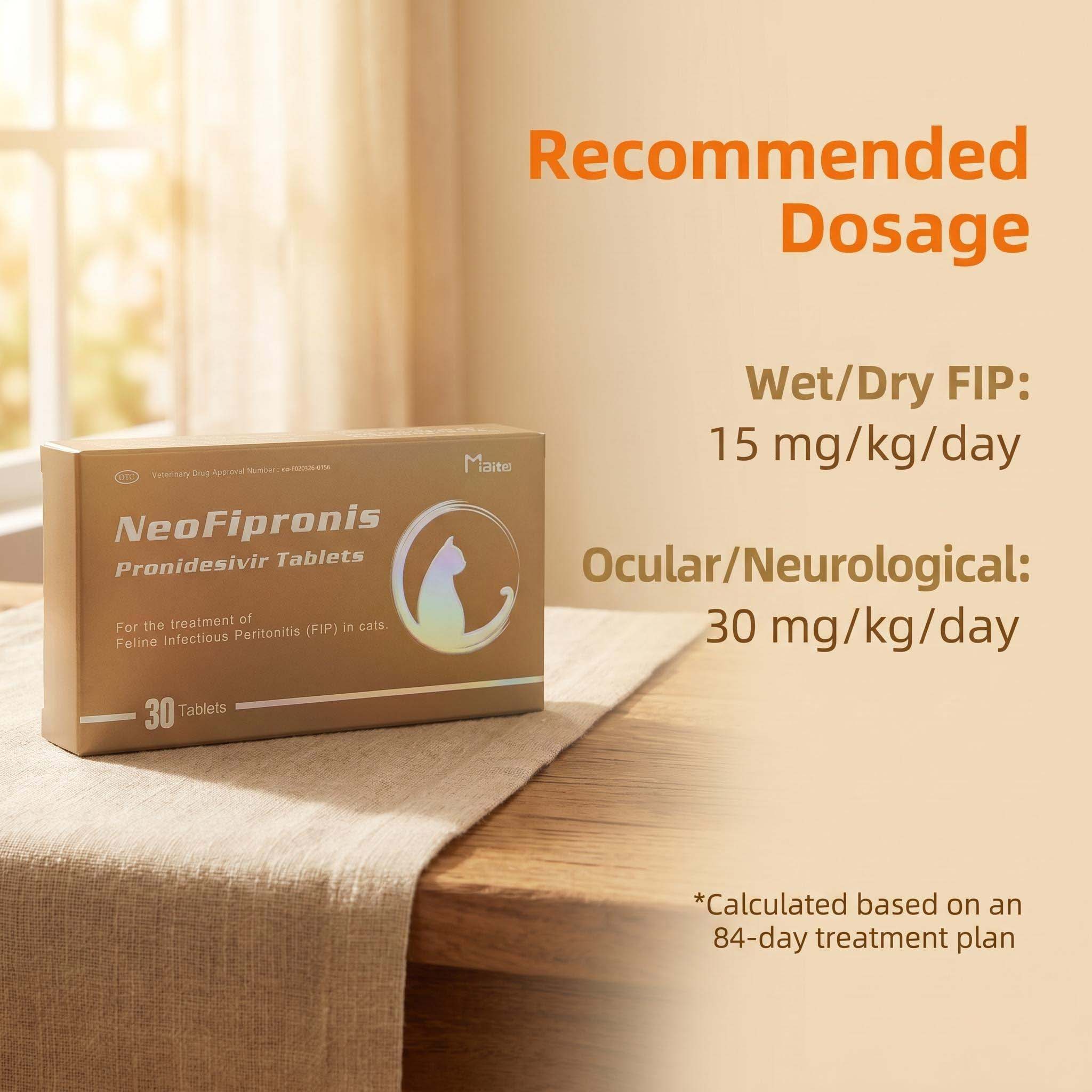
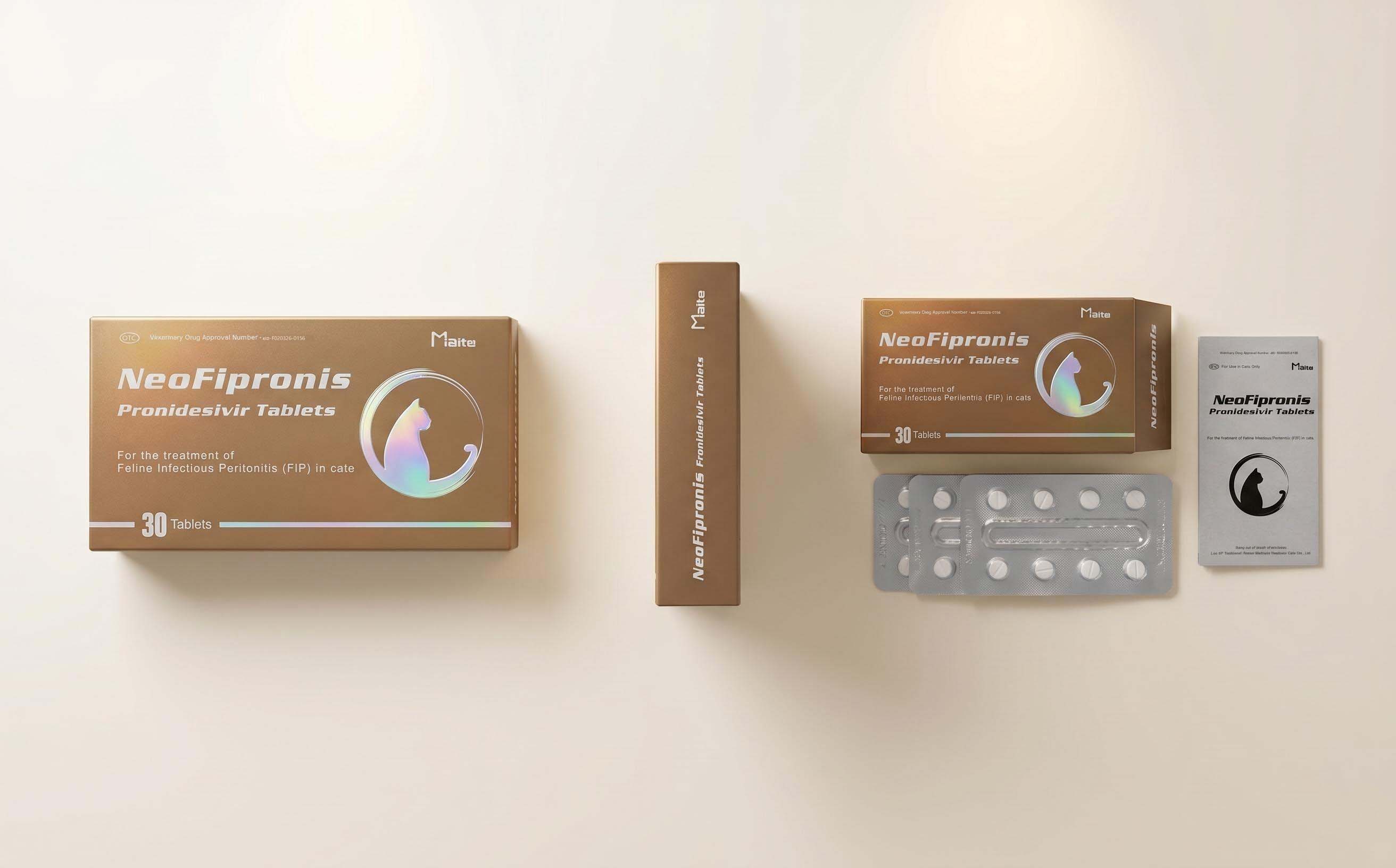
GS-441524, the active ingredient in NeoFipronis (Pronidesivir), is a groundbreaking antiviral medication used in the treatment of Feline Infectious Peritonitis (FIP). As a nucleoside analog, GS-441524 targets the replication process of the feline coronavirus, effectively reducing viral load and alleviating symptoms such as loss of appetite, lethargy, fever, ascites, pleural effusion, lymphadenopathy, granulomas, neurological damage, and uveitis. NeoFipronis is the first officially registered oral drug for FIP, approved by the Lao Ministry of Agriculture and Forestry (MAF) in March 2026, and boasts a high safety profile with minimal side effects.
Mechanism of Action and Usage
GS-441524 mimics nucleosides, interfering with viral RNA synthesis, which leads to premature termination of viral replication. This mechanism underpins its potent antiviral activity. NeoFipronis is administered orally, dosage is calculated based on the cat's weight—standardly 15 mg per kg (half a tablet). For neurological or ocular FIP types, the dose may be increased under veterinary guidance to 30 mg/kg. It is recommended to give the medication on an empty stomach, either an hour before feeding or two hours after. Treatment usually lasts at least 12 weeks, with strict adherence to dosing schedules to ensure efficacy and prevent resistance.
Potential Drug Interactions
While GS-441524 is generally considered safe, understanding possible drug interactions is crucial for maximizing treatment outcomes and avoiding adverse effects. As a nucleoside analog, GS-441524 has minimal interactions with most veterinary medications, but certain considerations are necessary:
1. Concurrent Antiviral Agents: Combining GS-441524 with other antiviral drugs such as protease inhibitors or nucleoside reverse transcriptase inhibitors may enhance antiviral effects but also raises concerns about potential drug synergy or toxicity. However, comprehensive data on drug-drug interactions in cats are limited, and such combinations should only be used under veterinary supervision.
2. Immunosuppressive Drugs: Use of immunosuppressive agents, such as corticosteroids, requires caution. While steroids may reduce inflammation, they can suppress immune responses, potentially interfering with viral clearance. Careful monitoring is essential when these drugs are combined with GS-441524.
3. Hepatotoxic and Nephrotoxic Drugs: Since GS-441524 is metabolized in the liver and excreted through the kidneys, concurrent use of hepatotoxic or nephrotoxic medications could increase the risk of organ damage. Regular blood work and organ function tests are advised during treatment.
4. Other Medications: Drugs affecting bone marrow, blood clotting, or electrolyte balance may interact indirectly, impacting overall health. Consistent veterinary oversight ensures safety.
Precautions and Monitoring
Given the potential for drug interactions, owners are advised to avoid administering additional medications without veterinary consultation. Regular blood tests to monitor liver and kidney function, complete blood counts, and overall health assessments are vital during a prolonged GS-441524 treatment course. Adjustments in dosage or medication regimens may be necessary based on clinical response and laboratory results.
Safety and Efficacy
NeoFipronis (Pronidesivir) is well-tolerated with few reported side effects. Nevertheless, veterinary supervision is essential for optimizing treatment, managing any adverse reactions, and preventing drug interactions. It is important to purchase NeoFipronis from authorized sources to ensure authenticity and quality.
Conclusion
GS-441524’s role in feline antiviral therapy is transformative, offering a highly effective option against FIP. While it has a favorable safety profile, awareness of potential drug interactions and vigilant monitoring are essential components of successful treatment. Always consult with a veterinarian before combining GS-441524 with other medications to ensure the best outcome for affected cats. Regular follow-up and adherence to prescribed protocols can significantly enhance recovery prospects and quality of life for cats battling FIP.