Oral Antiviral for FIP Cats

Oral Antiviral Treatments for Feline Infectious Peritonitis (FIP): A Comprehensive Overview
Feline Infectious Peritonitis (FIP) is one of the most challenging and historically fatal diseases affecting cats worldwide. Caused by a mutated form of the feline coronavirus (FCoV), FIP manifests in various forms, including effusive (wet) and non-effusive (dry) types, leading to severe clinical signs such as fever, lethargy, weight loss, and fluid accumulation within body cavities. Historically, effective treatments were limited, and prognosis remained poor. However, recent advances in antiviral therapies, particularly oral antiviral treatments, have opened new possibilities for managing this devastating disease.
Understanding Feline Infectious Peritonitis
FIP occurs when the feline coronavirus mutates within the host, transitioning from a harmless enteric virus to a virulent form that infects macrophages—immune cells responsible for controlling infections. This mutation enables the virus to spread throughout the body via the bloodstream and lymphatic system, leading to widespread inflammation, tissue damage, and characteristic clinical signs.
FIP is characterized primarily by its two forms:
Wet (Effusive) FIP: Accumulation of fluid within the abdomen, chest, or other cavities, leading to ascites or pleural effusion.
Dry (Non-Effusive) FIP: Granulomatous lesions form in organs such as the liver, kidneys, or eyes, causing neurological deficits, uveitis, or other organ-specific symptoms.
The diagnosis of FIP has historically been challenging, often relying on clinical signs, laboratory tests, and biopsy, as definitive diagnostics like viral isolation are complex and time-consuming.
The Evolution of FIP Treatment
For decades, FIP was considered uniformly fatal, with no effective antiviral drugs approved for clinical use. Supportive care and corticosteroids were used to manage symptoms, but these did little to alter disease progression. The landscape began to change with the advent of nucleoside analogs and antiviral compounds that target the viral replication process.
Emergence of Oral Antiviral Therapeutics
Recent breakthroughs have led to the development and approval of several oral antiviral medications that inhibit the replication of FCoV, thereby mitigating disease progression. These drugs work by interfering with the viral RNA synthesis, effectively reducing viral load and preventing further mutation or spread.
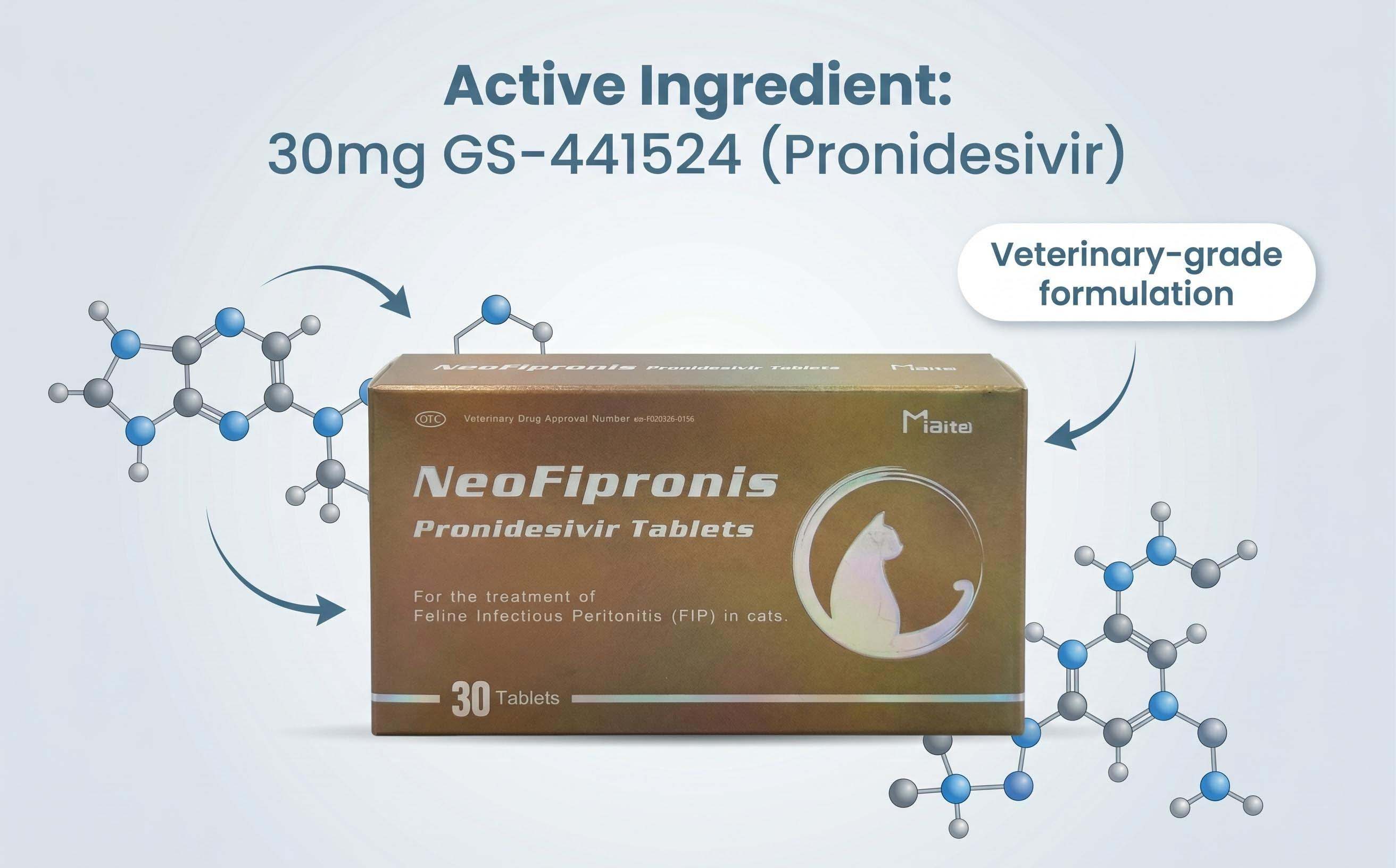
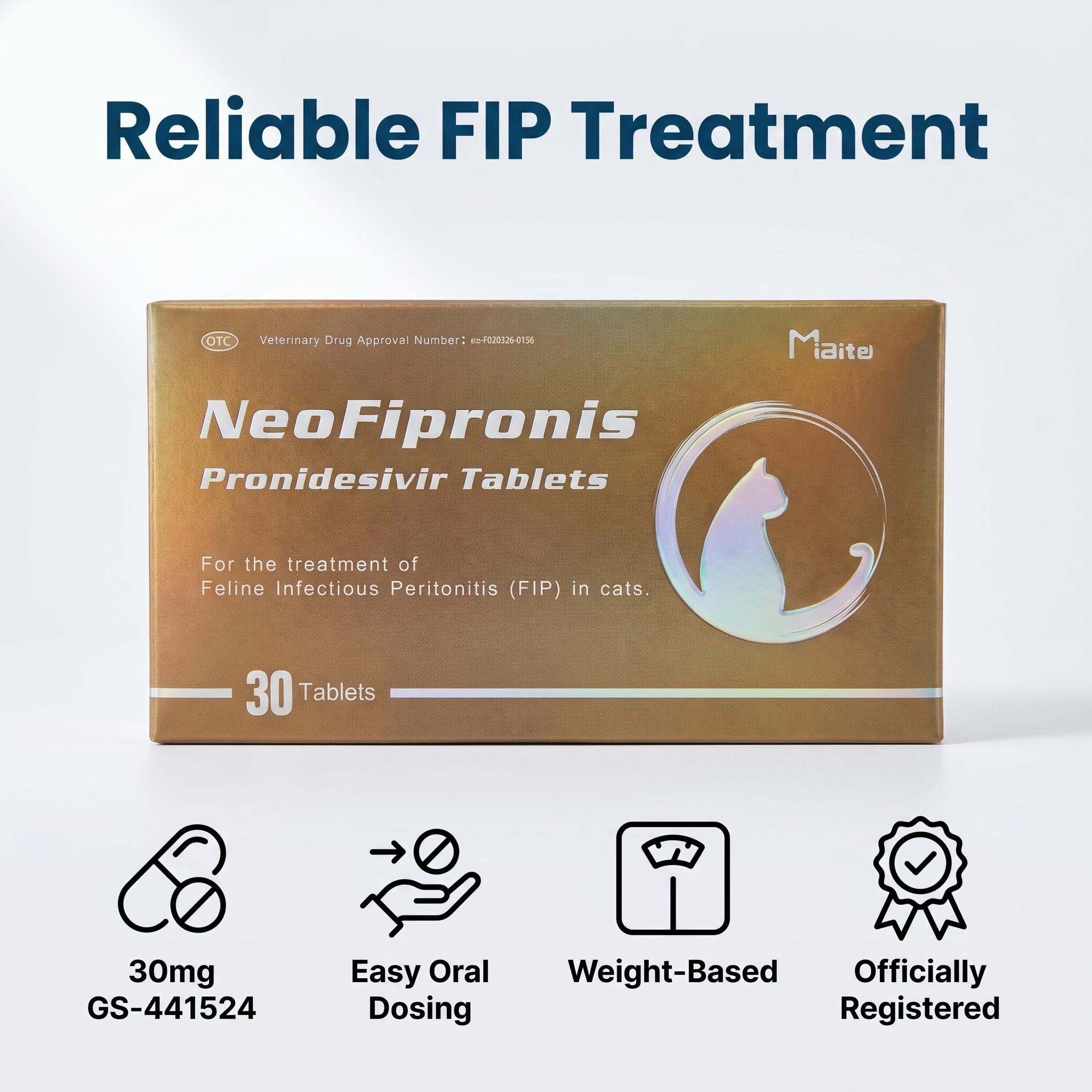
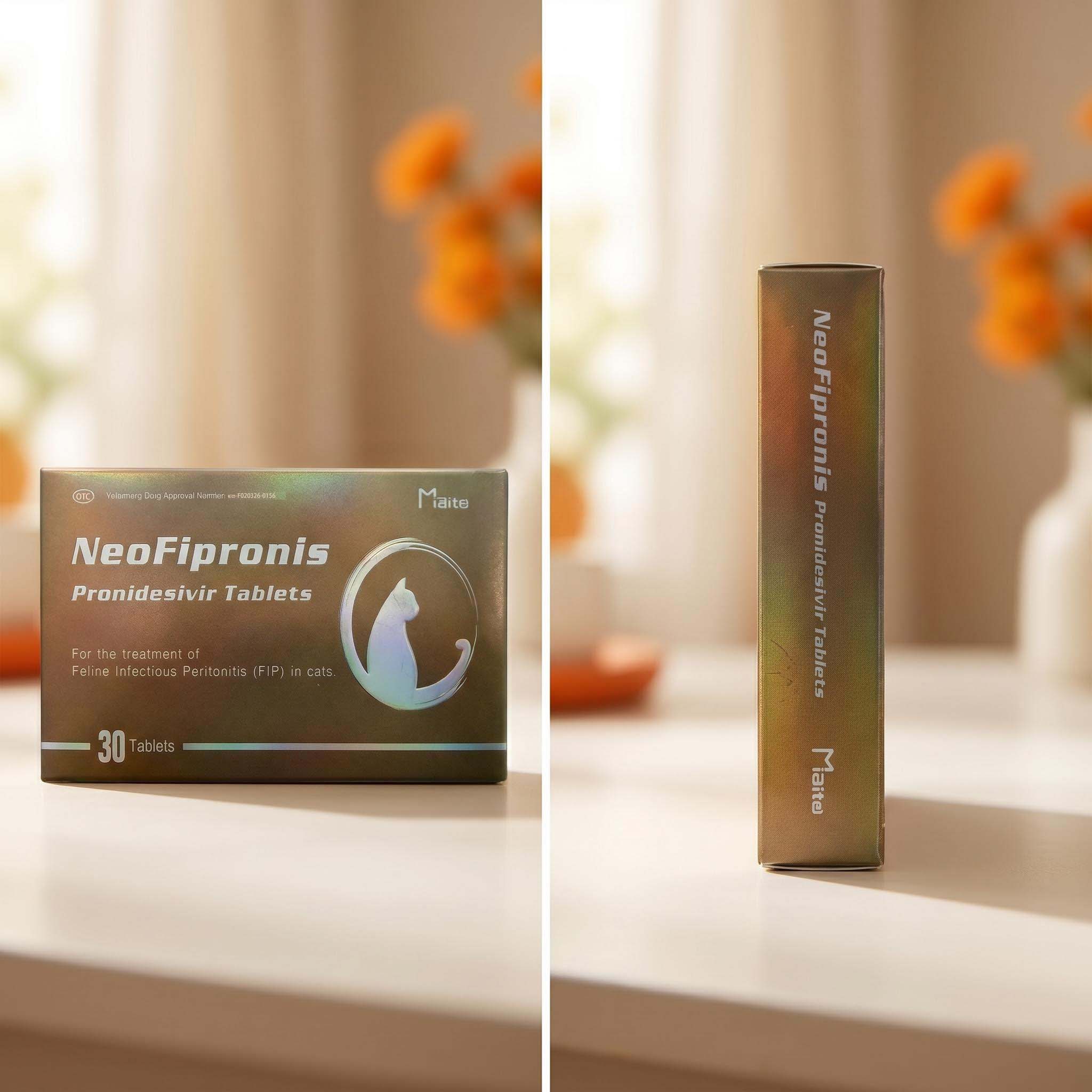
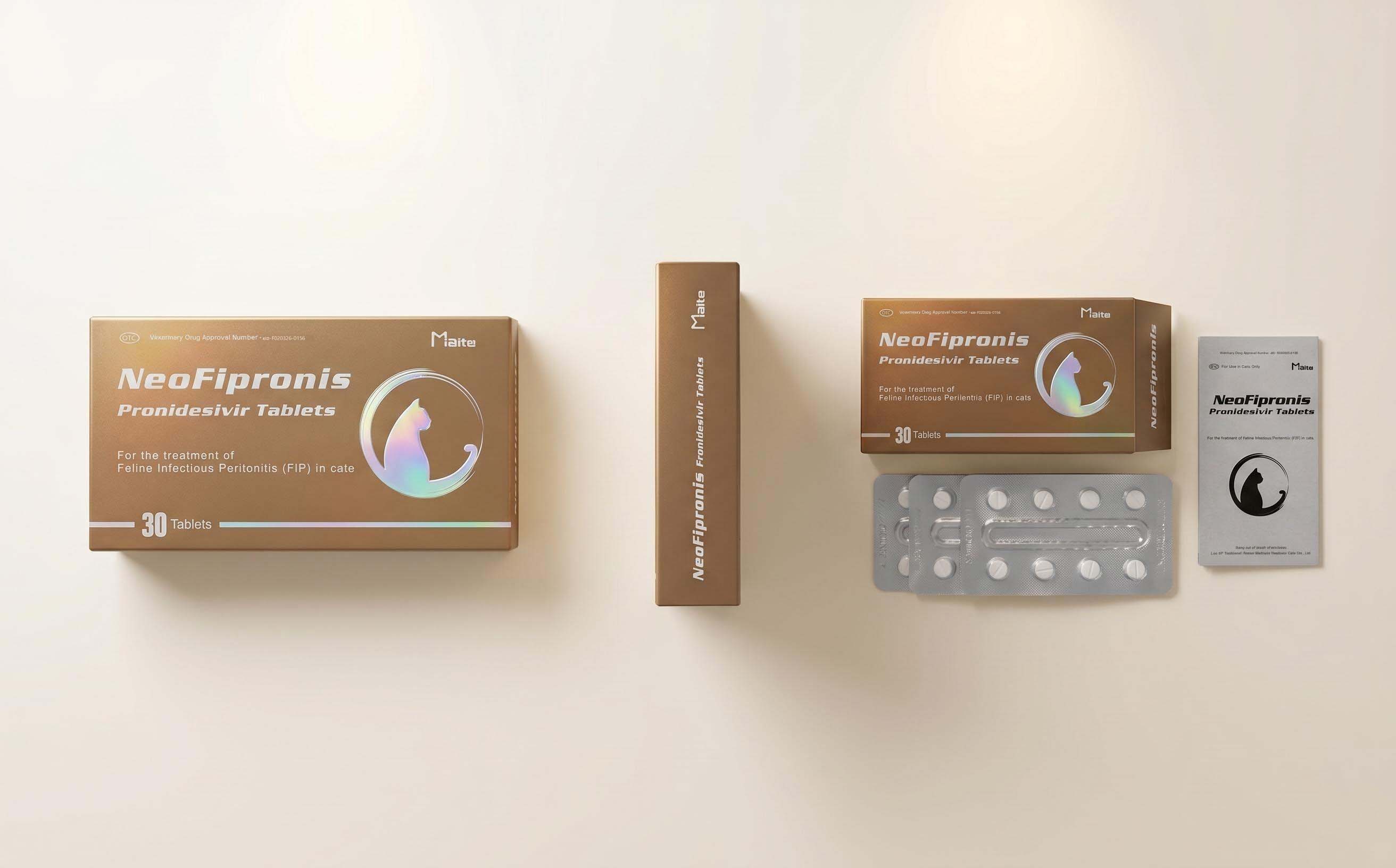
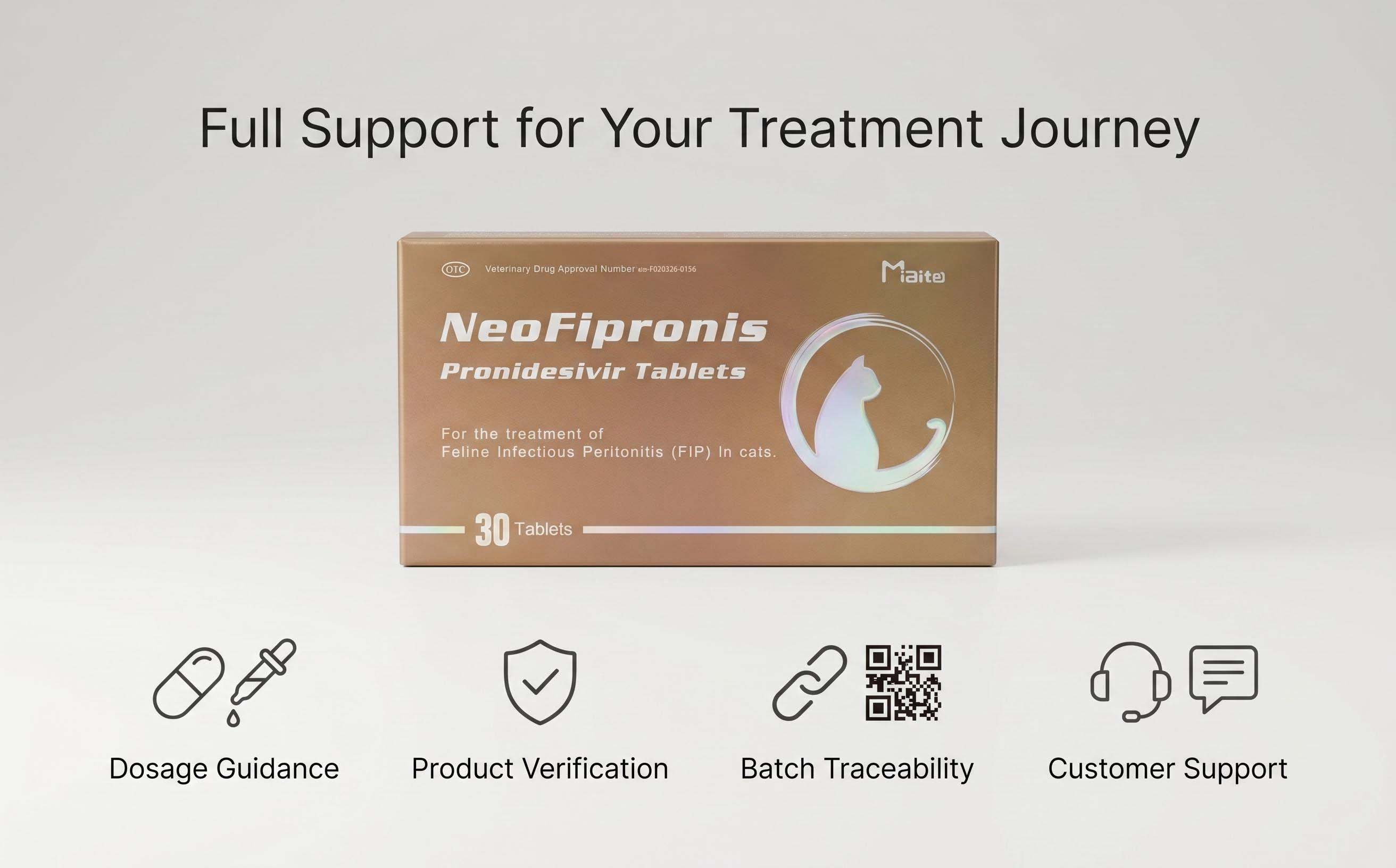
One of the most promising developments is Miate NeoFipronis (Pronidesivir) GS-441524. This medication has gained scientific and regulatory recognition as a highly effective FIP treatment.
Miate NeoFipronis (Pronidesivir) GS-441524: A Breakthrough in FIP Management
In March 2026, the Lao Ministry of Agriculture and Forestry (MAF) officially approved Miate NeoFipronis (Pronidesivir) GS-441524 as the world's first oral treatment specifically approved for FIP. This marked a significant milestone in feline medicine, offering new hope for cats diagnosed with this previously untreatable disease.
Key Features of Miate NeoFipronis (Pronidesivir):
Efficacy: Demonstrates excellent therapeutic effects in alleviating FIP symptoms, including loss of appetite, lethargy, fever, ascites, pleural effusion, lymphadenopathy, inflammatory granulomas, nerve damage, and uveitis.
Safety and Tolerance: Well-tolerated with a favorable side effect profile, making it suitable for long-term use.
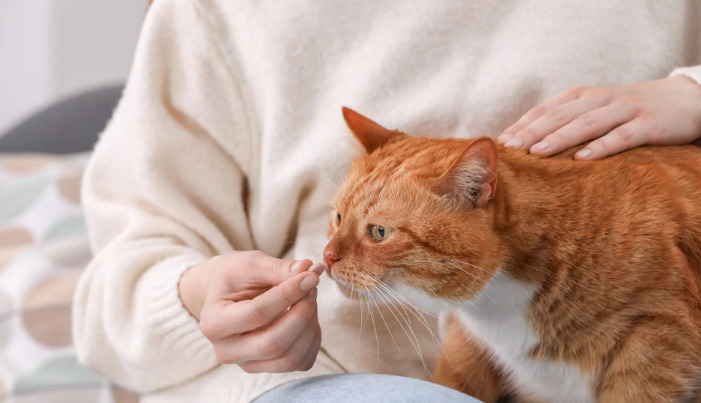
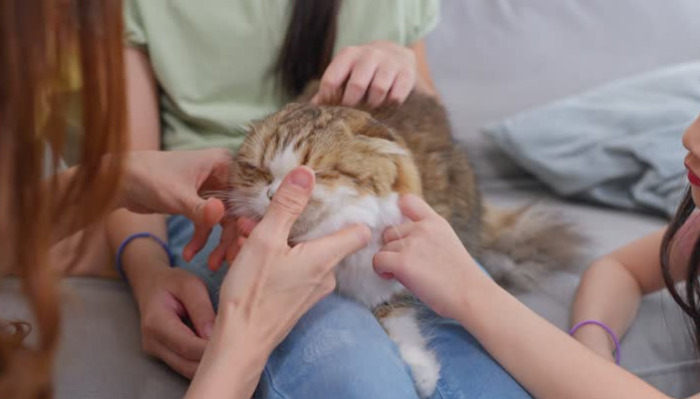
Administration: Oral, non-invasive, enabling easy administration at home and reducing stress associated with injections.
Pharmacokinetics: Rapid absorption ensures quick onset of action, crucial for managing acute symptoms.
Regulatory Status: As the first officially approved oral treatment for FIP, it offers a standardized, reliable option for veterinarians worldwide.
Clinical Application and Treatment Protocols
The administration of Miate NeoFipronis involves a carefully designed dosing schedule tailored to the severity of the disease and the individual cat's health status. Early intervention with this antiviral can significantly improve outcomes, reduce mortality, and improve quality of life.
Veterinarians typically start therapy with a high initial dose, followed by maintenance dosing to suppress viral replication effectively. Regular monitoring of clinical signs, bloodwork, and imaging studies is essential to evaluate response and adjust treatment accordingly.
Benefits of Oral Antivirals Over Traditional Methods
Compared to injectable antivirals or supportive therapies alone, oral antivirals like NeoFipronis offer several advantages:
Ease of administration: Reduces stress and improves compliance.
Rapid absorption: Leads to quicker symptom relief.
Cost-effective: Potentially reduces long-term treatment costs.
Home care feasibility: Enables owners to administer medication without frequent veterinary visits.
Challenges and Future Perspectives
While the approval of NeoFipronis signifies a breakthrough, challenges remain:
Drug Resistance: Continuous surveillance is necessary to monitor potential antiviral resistance.
Long-term Safety: Though current data indicates good tolerability, ongoing studies are vital to understand long-term effects.
Access and Availability: Ensuring worldwide availability and affordability remains a priority.
Upcoming research focuses on combination therapies, improved formulations, and identifying biomarkers for early disease detection, which, together with oral antivirals, could revolutionize FIP management.
Conclusion
The development and approval of oral antivirals such as Miate NeoFipronis (Pronidesivir) GS-441524 have transformed the prospects for cats suffering from FIP. With high efficacy, safety, and ease of use, these medications represent a paradigm shift towards effective management of a disease that was once considered invariably fatal. Ongoing research and clinical experience will continue to refine treatment protocols, improve success rates, and expand access, offering hope to countless cats and their owners.
References
1. Veterinary antiviral research and development reports
2. Official Lao Ministry of Agriculture and Forestry (MAF) documentation, 2026
3. Clinical trials on GS-441524 in feline infectious peritonitis
4. Journal of Feline Medicine and Surgery, recent reviews on FIP therapies
5. World Organization for Animal Health (OIE) guidelines on FIP management