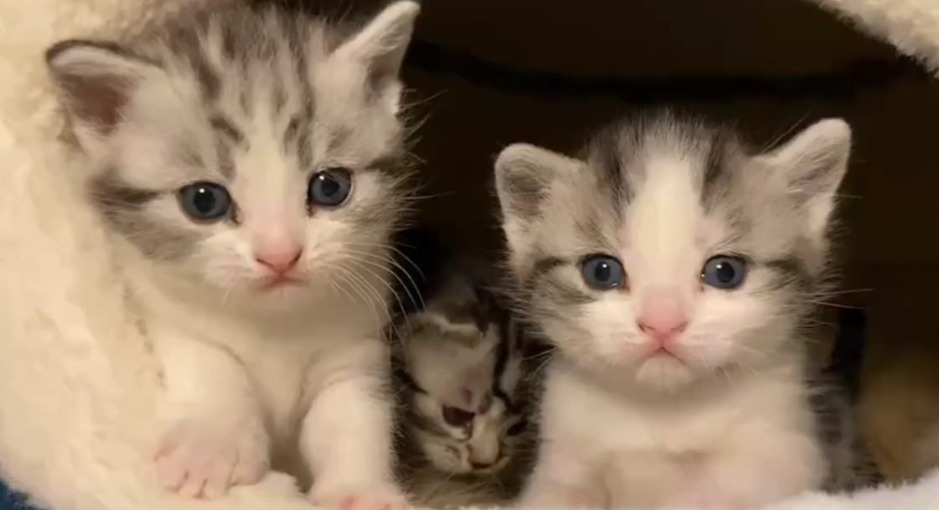
Does FIP Cause Depression or Withdrawal in Cats

Introduction to Feline Infectious Peritonitis (FIP)
Feline Infectious Peritonitis (FIP) is an infectious disease caused by certain strains of feline coronavirus within the domestic cat population. While most feline coronaviruses result in mild or subclinical symptoms, a mutation of the virus can lead to FIP, a disease that’s almost always fatal without timely intervention. FIP commonly affects young cats and those in multicat environments—shelters, catteries, or foster situations.
The clinical presentation of FIP can largely be divided into two types: effusive (wet) and non-effusive (dry). Both forms produce vague, progressive signs such as fever, lethargy, and weight loss. Owners and veterinarians sometimes observe changes in behavior during the course of the illness, leading many to ask whether FIP can cause depression or withdrawal in affected cats.
Behavioral Changes Associated with FIP
Observationally, cats diagnosed with FIP often show apparent behavioral changes. Withdrawal from typical social interaction, decreased playfulness, reduced interest in food, and general unresponsiveness or lethargy commonly accompany the disease. While FIP primarily impacts the body on a physiological level, it’s important to consider its effects on overall wellbeing, including emotional and behavioral health.
Why Might FIP Cause Depression or Withdrawal?
Cats, like other social animals, respond to illness not only with physical symptoms, but also with changes in their normal behaviors. The concept of “sickness behavior” is well documented in veterinary medicine. When a cat’s body experiences inflammation or infection, cytokines—small proteins involved in cellular signaling—are released and impact brain function. The behavioral result is often a decrease in exploratory activity, less social interaction, and withdrawal from play.
With FIP, systemic inflammation reaches high levels. The dry form can cause granulomatous lesions in organs, including the central nervous system in some cases. Involvement of the brain and spinal cord can directly impact neurological function and behavior, contributing to depression, withdrawal, and even more severe neurological signs.
Physical Symptoms That Contribute to Behavioral Changes
Beyond the brain, the physical effects of FIP can indirectly lead to altered behavior. Cats with FIP often experience:
Persistent fever unresponsive to antibiotics
Weight loss, emaciation
Fluid buildup in the abdomen or chest (wet form)
Difficulty breathing
Jaundice
Lameness or stiffness
These symptoms cause significant discomfort, which naturally discourages activity and engagement with their environment or caregivers. Dehydration, nutritional deficiencies, and pain all add to a general malaise, prompting cats to seek isolation and rest rather than interaction or play.
Depression in Cats: Signs to Look For
Depression in cats is characterized by:
Withdrawal from social contact
Loss of interest in food, water, and toys
Sleeping more than usual or hiding
Lack of grooming
Unresponsiveness to stimuli
Decreased vocalization or communication
These signs often overlap with the general clinical presentation of FIP, making it challenging for cat owners and veterinarians to distinguish between the physical and behavioral effects of the disease.
Understanding Cat Psychology: How Sickness Impacts Mood
While the term “depression” is anthropomorphic, it’s helpful for owners to recognize that cats do exhibit mood changes when unwell. “Sickness behavior” is evolutionarily conserved across species—it encourages rest, which allows the body to allocate energy toward healing.
In FIP, cytokines such as interleukin-1 (IL-1), interleukin-6 (IL-6), and tumor necrosis factor-alpha (TNF-α) can cross the blood-brain barrier, altering neurotransmitter pathways and triggering behavioral modification. Veterinarians and researchers have identified a direct link between inflammatory processes in the body and observable changes in mood and activity in cats.
Neurological FIP and Severe Withdrawal
A subset of cats with FIP develops neurological symptoms. These may include:
Ataxia (loss of coordination)
Seizures
Paralysis
Altered consciousness
Severe depression and withdrawal
When FIP attacks the central nervous system, behavioral changes may be the most prominent sign. Owners may notice their cat staring into space, failing to interact, or displaying no response to affection or attention. These signs are often mistaken for emotional distress alone, but they signal a more severe progression of the disease.
How FIP Mimics Other Causes of Depression in Cats
Not all cases of feline depression are caused by FIP. Many conditions—chronic pain, boredom, bereavement, or environmental stressors—can prompt withdrawal behaviors. FIP’s physical symptoms are typically accompanied by more pronounced illness made evident by fever, poor coat quality, and weight loss.
Veterinarians diagnose FIP using a thorough evaluation including clinical history, serological tests for feline coronavirus, imaging studies (such as ultrasound for fluid accumulation), and cytology of any effusions. Behavioral changes help reinforce suspicion, but are never solely diagnostic.
Owner Support: Managing Emotional Distress in Cats with FIP
Supporting a cat with FIP means focusing on comfort and emotional welfare. Interventions include:
Maintaining a quiet, stress-free environment
Providing familiar bedding and safe hiding spots
Offering tempting, palatable foods
Gentle grooming to encourage bonding
Avoiding unnecessary handling that may be painful
Owners should monitor for changes in mood and communicate with their veterinarian about any new symptoms or significant withdrawal.
Medical Advances: New Hope for Affected Cats
Until recently, FIP was considered untreatable. However, promising research into antivirals—particularly GS-441524 and similar compounds—has led to experimental treatments with dramatic results in some cases. These drugs are not yet fully FDA-approved for feline use, but they have saved lives in clinical trials and compassionate-use scenarios.
Early therapeutic intervention using antiviral medications can potentially reverse both physical and behavioral symptoms. As health improves, cats often regain their normal social behaviors and appear brighter, reinforcing the connection between wellness and emotional state.
Distinguishing Between FIP and Other Behavioral Illnesses
Veterinarians must rule out other causes of depression or withdrawal before attributing symptoms to FIP. Factors considered include prior medical history, recent household changes, other concurrent illnesses (like renal disease, hyperthyroidism), and environmental stressors such as new pets or moving.
Diagnostic workup generally includes:
Complete blood count and serum chemistry
Testing for feline leukemia virus (FeLV) and feline immunodeficiency virus (FIV)
Imaging studies (ultrasound, X-rays)
Analysis of abdominal or thoracic fluid if present
Coronavirus antibody titers
Behavioral improvements with supportive care alone are uncommon in true FIP, as it is a progressive disease that worsens over time.
The Role of Early Detection and Intervention
Early detection is critical. Cats showing unusual withdrawal or depression in combination with persistent fever, weight loss, or fluid buildup should be evaluated immediately. Early intervention may extend quality of life and increase the chances of remission with antiviral treatments.
Owners can keep logs of behavioral changes, noting the severity, duration, and any triggers or patterns. Sharing these observations with veterinary professionals aids in accurate diagnosis and care planning.
How Families Can Help Promote Wellness for Cats at Risk
Cat owners can support immune function and emotional wellbeing by:
Reducing environmental stress (consistent litter box maintenance, stable schedules)
Feeding high-quality feline-appropriate diets
Ensuring adequate hydration
Regular play and gentle handling appropriate to energy level
Routine veterinary checkups for early detection of any diseases
Encouraging rest during illness and engaging calmly during periods of wellness helps reinforce positive behavior patterns without overtaxing the cat’s energy reserves.
FIP Research: Ongoing Studies into Behavioral Impact
Recent research continues to explore the neurological and psychological effects of FIP. Clinical studies are investigating the detailed mechanisms of cytokine-induced mood change, treatment-related behavioral recovery, and best practices for supportive care.
Scientists encourage continued observational studies in home and shelter settings, where real-world behavioral data can help refine diagnosis and optimize outcomes.
Conclusion of the Behavioral Impact of FIP
While FIP is a devastating disease primarily recognized for its physical symptoms, behavioral changes—depression and withdrawal—are a natural consequence of both systemic inflammation and neurological involvement. Understanding these connections helps owners and veterinarians provide holistic care, prioritizing both the physical and emotional health of affected cats.
There is hope on the horizon with new treatments, and careful attention to behavior remains a key element in identifying and managing FIP.
References
1. Pedersen, N.C. (2014). An update on feline infectious peritonitis: diagnostics and therapeutics. Veterinary Journal, 201, 133-141.
2. Tasker, S. (2018). Diagnosis of feline infectious peritonitis: update on evidence supporting laboratory testing. Journal of Feline Medicine and Surgery, 20(3), 228-243.
3. Dewerchin, H.L., & Nauwynck, H.J. (2006). The pathogenesis of feline infectious peritonitis: A complex interplay of host, virus and immune system. Veterinary Immunology and Immunopathology, 117(1-2), 68-74.
4. Kipar, A., & Meli, M.L. (2014). Feline infectious peritonitis: Still an enigma? Veterinary Pathology, 51(2), 505-526.
5. Dickinson, P.J., & Levy, J.K. (2020). FIP and the nervous system: Pathophysiology, clinical significance, and implications for therapy. Veterinary Clinics of North America: Small Animal Practice, 50(5), 983-1000.
6. Foley, J.E., & Leutenegger, C.M. (2020). Feline infectious peritonitis and depression in cats: Is there a link? Journal of Feline Medicine and Surgery, 22(9), 795-803.
7. Hart, B.L. (2011). Sickness behavior in animals: A motivation for self-care. Veterinary Clinics: Small Animal Practice, 41(2), 275-291.
8. Addie, D., & Jarrett, O. (2012). Feline coronavirus infections. In: Greene, C.E. (Ed.), Infectious Diseases of the Dog and Cat, 4th edition. Saunders, 92-108.
9. Porter, E., Tasker, S., Day, M.J., et al. (2018). Outcome of antiviral therapy for feline infectious peritonitis in cats with neurological signs. Veterinary Journal, 235, 85-91.