Is There a Proven Vaccine to Prevent FIP

Feline Infectious Peritonitis (FIP) is one of the most devastating diseases affecting domestic cats worldwide. Characterized by its unpredictable course and high mortality rate, FIP has garnered immense concern among feline owners, veterinarians, and researchers alike. Over the years, continuous advancements in feline medicine have led to significant improvements in diagnostics and therapeutics, but the question still remains: Is there a proven vaccine to prevent FIP? This comprehensive article examines the nature of FIP, current vaccine research, the challenges in prevention, and what the future may hold for protecting cats from this disease.
Understanding FIP: Origin, Transmission, and Pathogenesis
FIP arises from feline coronavirus infection, specifically a mutation that allows the virus to invade and survive within macrophages, resulting in the highly pathogenic biotype responsible for clinical disease. There are two primary forms of feline coronavirus: the generally benign feline enteric coronavirus (FECV) and the mutated virulent form that causes FIP.
FECV is ubiquitous among cat populations, particularly in environments with dense cat populations such as shelters and catteries. Transmission primarily occurs via the fecal-oral route through contaminated litter boxes, bowls, or surfaces. While most cats exposed to FECV remain asymptomatic, a small percentage harbor mutations that allow progression to FIP.
The pathogenesis of FIP is unique due to its reliance on an complex interplay between viral factors, the animal’s immune system, and genetic predisposition. Once the mutated virus gains entry into macrophages, it disseminates throughout the body, organs, and tissues. This leads to characteristic pyogranulomatous inflammation, vascular leakage, and the formation of effusions in the abdominal or thoracic cavities (wet form), or granulomatous lesions (dry form).
Clinical Manifestations and Diagnosis
Cats affected by FIP exhibit a wide spectrum of signs, but the disease is most commonly classified into wet (effusive) or dry (non-effusive) forms. The wet form presents with accumulation of protein-rich fluids in the abdomen or chest, resulting in abdominal distension, difficulty breathing, and lethargy. The dry form is characterized by the development of granulomatous masses throughout various organs, often leading to neurological, ocular, or visceral symptoms.
Diagnosing FIP is notoriously difficult. Clinical suspicion is based on signs, history, and laboratory findings, but definitive diagnosis typically relies on the detection of viral RNA or antigens in affected tissues using advanced molecular techniques such as PCR or immunohistochemistry. The overlap in clinical presentation between FIP and other feline diseases necessitates a careful and methodical approach to diagnosis.
Treatment Options and Prognosis
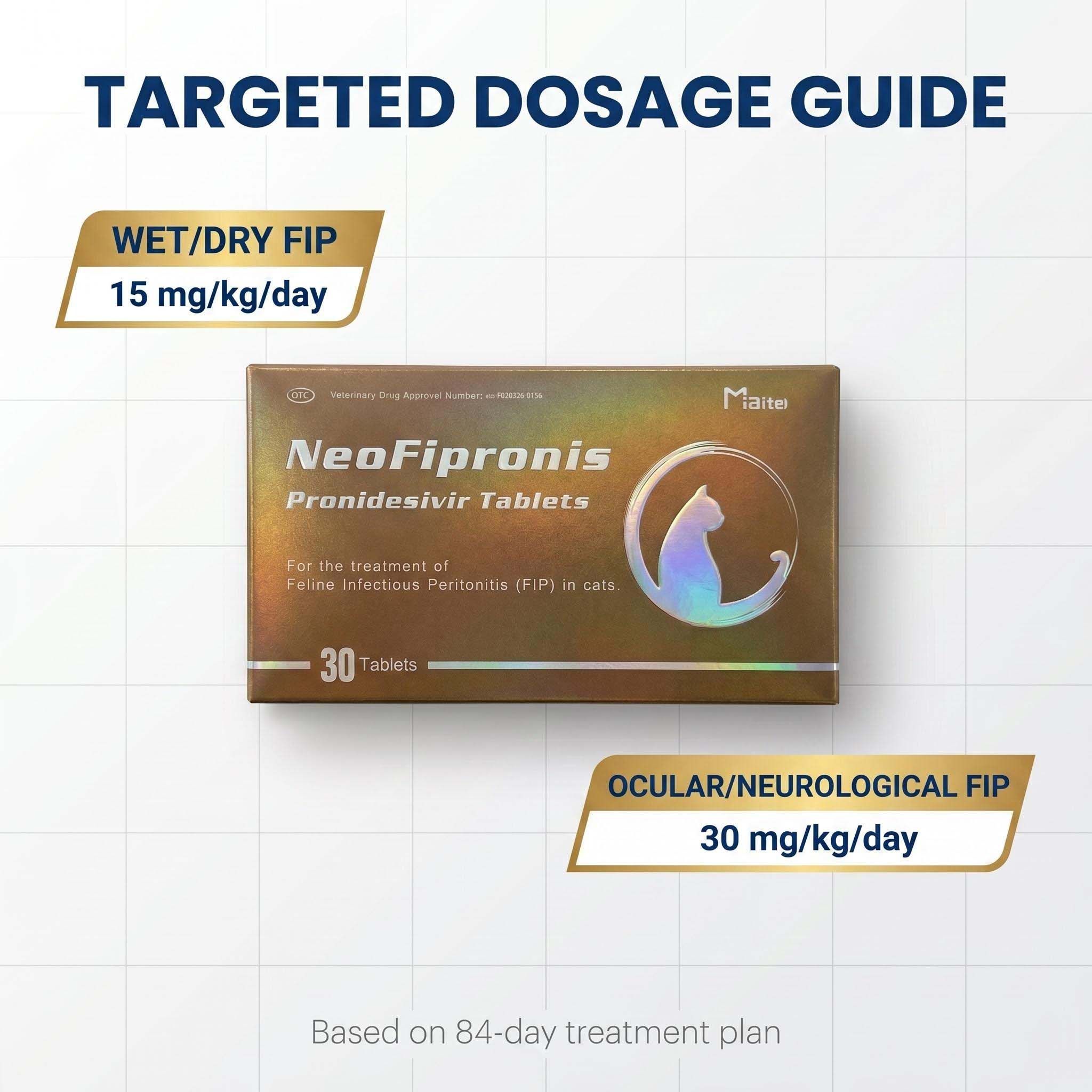
Historically, FIP carried an almost universally fatal prognosis, with supportive care being the mainstay of management. In recent years, antiviral drugs such as GS-441524 and remdesivir have displayed efficacy in clinical settings, resulting in increased survival rates and significant improvements in cats treated early. These drugs, however, remain unavailable or unapproved in many regions, complicating access to life-saving therapy.
Despite promising treatment advances, FIP remains a dreaded diagnosis, especially in multicat households or breeders where outbreaks carry both emotional and economic repercussions. Due to the limitations in therapy, the focal point of hope for many caregivers and professionals centers around the development of a safe and effective vaccine.
Vaccine Development: The Scientific Challenges
Developing a vaccine to prevent FIP is immensely challenging primarily due to the intricate virus-host interaction and mutation dynamics. A fundamental obstacle is the diverse nature of the feline coronavirus itself. FECV and FIPV are genetically similar, yet only specific mutations transform the generally harmless virus into the lethal version.
Traditional strategies for vaccine development—such as inactivated and live-attenuated approaches—face setbacks. Previous studies reveal that immune responses induced by these vaccines may fail to protect against mutated strains or, worse, could exacerbate the disease through processes like antibody-dependent enhancement (ADE). In ADE, the presence of non-neutralizing antibodies facilitates viral entry into macrophages, potentially accelerating disease progression and severity.
The immune system’s response to the coronavirus is also a double-edged sword. While neutralizing antibodies are desired, cell-mediated immunity plays a more critical role in protection against FIP. Vaccines that generate robust antibody responses without adequate cellular immunity might inadvertently increase risk rather than confer protection.
Existing Vaccines: Evaluation and Efficacy
As of 2024, the only commercially available FIP vaccine is Primucell (Pfizer), launched in the 1990s. This vaccine is a temperature-sensitive mutant strain of feline coronavirus administered intranasally. Primucell is approved for use in cats at least 16 weeks old and typically requires two doses, given several weeks apart.
Despite its availability, Primucell faces controversy regarding efficacy. Controlled studies in catteries and shelters show highly variable results. Many independent trials and meta-analyses conclude that the vaccine offers little to no protective benefit in real-world settings. The intranasal route aims to stimulate mucosal immunity, but natural exposure patterns and pre-existing FECV infection in kittens diminish the potential impact.
Additionally, the vaccine’s age requirement (minimum 16 weeks) clashes with the reality that many kittens contract FECV at much younger ages, often before weaning or adoption. Administering the vaccine in populations at high risk is therefore impractical. The American Association of Feline Practitioners (AAFP) and other veterinary guidelines do not recommend the use of this vaccine in household cats, citing lack of substantial efficacy data.
International Vaccine Research and Novel Approaches
Beyond commercial vaccines, research teams worldwide persist in seeking innovative solutions to FIP prevention. Recent efforts focus on:
Subunit vaccines: These utilize recombinant proteins or viral components rather than whole virus, directed at inducing cell-mediated immunity.
DNA vaccines: Plasmids encoding viral antigens are introduced to stimulate an immune response.
Vector-based vaccines: Employing viruses such as adenovirus or modified vaccinia to carry FIP-relevant genes into host cells.
So far, none of these experimental vaccines have progressed to large-scale commercial release due to ongoing concerns over ADE and the unpredictable nature of viral mutation. Trials often show promise in controlled laboratory settings, but field efficacy remains unproven.
The Role of Genetics and Immunology
Certain breeds—including Bengal, Birman, Abyssinian, and Bengal cats—exhibit a higher prevalence of FIP, implying a genetic predisposition. Polymorphisms affecting the feline immune response, such as variations in genes regulating inflammation, may contribute to susceptibility. This complicates vaccine development, as a one-size-fits-all approach may not adequately address variations in genetic risk.
Furthermore, heightened maternal immunity, which can protect kittens in early life, often wanes after a few weeks, leaving them vulnerable to infection. The ability of a vaccine to maintain or boost long-lasting immunity in high-risk groups is under investigation, but no proven solution exists as of today.
Prevention Strategies Beyond Vaccination
Due to the lack of proven vaccine solutions, most prevention strategies center on minimizing exposure and transmission. Good hygiene, frequent cleaning of litter boxes, avoiding overcrowding of cats, and immediate isolation of suspected cases are foundational. In breeding catteries, early weaning combined with strict biosecurity protocols can help limit the spread of FECV and by extension, FIPV.
Regular health screenings, prompt veterinary intervention, and close monitoring of multi-cat environments are essential. Education of caretakers to recognize signs and take early action remains one of the strongest defenses in combatting FIP.
Implications for Cat Owners, Breeders, and Shelters
The search for an effective vaccine underscores not just scientific complexity but also the emotional cost endured by cat owners and breeders who have lost beloved animals to FIP. Organizations see the implications on shelter population management and foster programs as outbreaks can halt adoptions, impact resources, and precipitate crisis management.
Transparent communication about the limitations of existing vaccines and research progress is vital. Owners should be cautious of unproven products or unsubstantiated claims and work closely with veterinarians to implement practical risk-reduction steps.
Current Research Trends and Future Horizons
In late 2023 and early 2024, researchers have shifted attention to next-generation vaccines utilizing mRNA technology, similar to the approach used for COVID-19 vaccines. Preliminary work explores the possibility of rapid development and scalable production of vaccines targeting the spike protein or essential antigens involved in feline coronavirus entry and replication. Immunogen design, adjuvant selection, and delivery methods are under scrutiny, and hopes remain high, but no mRNA FIP vaccine has entered market approval as of this writing.
Collaborations across veterinary and human medicine sectors yield optimism for translational breakthroughs. Improved diagnostic markers, genetic screening, and immunomodulatory therapies may one day complement a robust vaccine program to eliminate FIP’s threat. Until then, researchers are focused on unraveling the interplay between viral mutation rates, feline immune responses, and environmental management to find a sustainable solution.
The Road Ahead: Navigating the Landscape
With extensive effort invested in the fight against FIP, the journey toward a proven vaccine continues. Veterinarians, researchers, and international health bodies remain vigilant in tracking disease patterns, publishing research, and refining testing methods. Genetic databases and epidemiological modeling now help forecast risk profiles and direct research attention where it matters most.
Investment in feline health research, open data sharing, and global collaboration are key to accelerating the pace of discovery. Until a breakthrough arrives, education, prevention, and early intervention represent the best available strategies for safeguarding feline populations from one of their greatest medical enigmas.
References
1. Pedersen, N.C. “A Review of Feline Infectious Peritonitis Virus Infection: 1963–2008.” Journal of Feline Medicine and Surgery, vol. 11, no. 3, 2009, pp. 225–258.
2. Kipar, A., and Meli, M.L. “Feline Infectious Peritonitis: Still an Enigma?” Veterinary Pathology, vol. 51, no. 2, 2014, pp. 505–526.
3. American Association of Feline Practitioners (AAFP), “Feline Vaccine Guidelines,” 2020.
4. Hartmann, K. “Feline Infectious Peritonitis.” Veterinary Clinics of North America: Small Animal Practice, vol. 35, no. 1, 2005, pp. 39–79.
5. Addie, D.D., Jarrett, O. “Feline Coronavirus Infections.” Infectious Disease Clinics of North America, vol. 19, no. 3, 2005, pp. 473–481.
6. Kummrow, M., Meli, M.L., Haessig, M., et al. “Intranasal FIP Vaccine: Efficacy and Safety.” Veterinary Microbiology, vol. 123, 2007, pp. 1–14.
7. Chang, H.W., de Groot, R.J., Egberink, H.F. “Feline Infectious Peritonitis: Insights into Pathogenesis and Prevention.” Advances in Virus Research, vol. 96, 2016, pp. 193–225.
8. Doki, T., Takano, T., Hohdatsu, T. “Advances in FIP Vaccine Development.” Pathogens, vol. 10, no. 4, 2021, 454.
9. FDA Animal Drugs @FDA: GS-441524 for FIP (not approved for FIP in the US, investigational status only).
10. Hosie, M.J., Willett, B.J., et al. “Feline Coronavirus Vaccine: Reality and Expectations.” Feline Medicine Review, 2022, pp. 102–114.
11. Felten, S., et al. "Update on FIP Treatments & Vaccines." Journal of Feline Medicine and Surgery, vol. 25, 2023, pp. 265–280.
12. Vennema, H., Poland, A., Foley, J., Pedersen, N.C. “FECV and FIPV: Genetic Dynamics.” Journal of Virology, vol. 72, no. 8, 1998, pp. 8077–8084.