Does FIP Cause Rapid Weight Loss
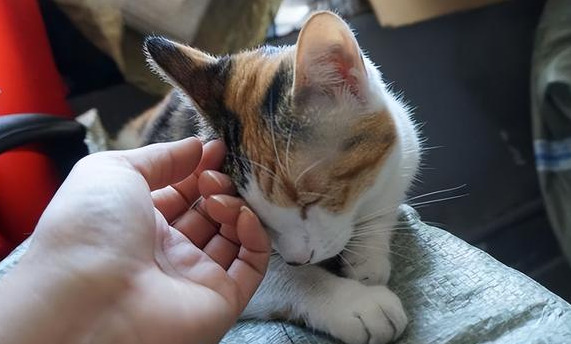
Feline Infectious Peritonitis (FIP) is a devastating viral disease that affects domestic cats worldwide. Of the myriad clinical signs that signal the advancement of FIP, rapid weight loss is often among the most alarming for cat owners and veterinarians alike. This article explores the relationship between FIP and rapid weight loss, offering clarity on why this phenomenon occurs, how it affects the prognosis for affected cats, and what supportive care can be considered.
Introduction to FIP: The Basics
FIP stands for Feline Infectious Peritonitis, a disease caused by certain mutations of the feline coronavirus (FCoV). Most cats exposed to FCoV experience mild gastrointestinal signs or remain asymptomatic. However, in a small percentage, the virus mutates within the body and triggers an aggressive immune response, leading to FIP. The disease is fatal in the majority of cases, severely impacting the cat’s quality of life and leading to distressing symptoms.
FIP manifests in two primary forms: wet (effusive) and dry (non-effusive). The wet form is characterized by accumulation of fluid in the abdomen or chest, while the dry form involves granuloma (mass) formation in organs, and more subtle clinical signs. Both types can disrupt normal function of the organs and metabolic processes, contributing to systemic illness.
Why Does FIP Cause Weight Loss?
Weight loss in cats with FIP is multifactorial, stemming from both direct and indirect consequences of the disease process. The rapidity of weight loss can be striking and is often one of the first indications that something is seriously wrong.
1. Inflammation and Immune Response:
The mutated FIP virus provokes a severe inflammatory response. Cytokines and other mediators of inflammation alter metabolism and lead to profound catabolism. The body essentially breaks down its own tissues, including fat stores and muscle mass, to meet altered energy requirements—especially when appetite and intake are compromised.
2. Loss of Appetite (Anorexia) and Systemic Illness:
Cats with FIP often experience anorexia, as their bodies are affected by ongoing inflammation. Nausea, fever, and malaise further suppress appetite. When cats eat less or stop eating altogether, their bodies must rely on stored energy, rapidly depleting reserves and resulting in swift, visible wasting.
3. Effusion Impact (Wet FIP):
In wet FIP, abdominal distension due to fluid buildup can cause discomfort, further diminishing appetite. Breathing difficulties from chest effusion may also contribute to reluctance to eat, and impaired nutrient absorption is likely as fluid accumulates around organs.
4. Organ Dysfunction (Dry FIP):
Granulomatous inflammation can affect critical organs like the liver, kidneys, and intestines, compromising their ability to process and absorb nutrients. Malnutrition and weight loss accelerate as organ function declines.
5. Cachexia:
Cachexia involves muscle and fat tissue wasting associated with chronic diseases. In FIP, sustained inflammation and inadequate nutrition lead to rapid loss of lean body mass, not just fat, resulting in a sudden and severe transformation in the cat’s appearance and strength.
Clinical Signs Accompanying Weight Loss in FIP
The physical signs of FIP vary somewhat with its type but share distinct commonalities. Alongside progressive weight loss, affected cats may present with:
Persistent fever unresponsive to antibiotics
Lethargy and weakness
Jaundice (yellowing of gums or skin)
Dehydration
Enlarged abdomen (wet form)
Breathing difficulty (with chest effusion)
Changes in coat quality
Pale gums (if anemia is present)
Diarrhea or vomiting
Neurological signs (when the central nervous system is affected)
It is critical for veterinarians and pet owners to recognize that rapid weight loss rarely occurs in isolation and typically indicates advancing systemic illness.
Diagnosis: Identifying FIP and Weight Loss
Diagnosing FIP remains challenging, as no single test confirms the disease with absolute certainty. Diagnosis is based on a combination of history, clinical signs (prominent among them, weight loss), laboratory tests, and analysis of fluid (if present).
Laboratory findings often reflect chronic inflammation: elevated protein levels, reduced albumin, high globulins, and anemia are common. Advanced imaging may reveal fluid accumulation. Polymerase chain reaction (PCR) and immunohistochemistry can sometimes detect FIP-associated viral RNA or proteins. The dramatic loss of weight and body condition, in context with these findings, strengthens suspicion for FIP.
Prognosis and Management Strategies
Historically, FIP was regarded as invariably fatal, and most affected cats succumbed to rapid decline within weeks to months. Supportive care aimed only to keep cats comfortable in their final days, focusing on hydration, nutrition, and symptom relief.
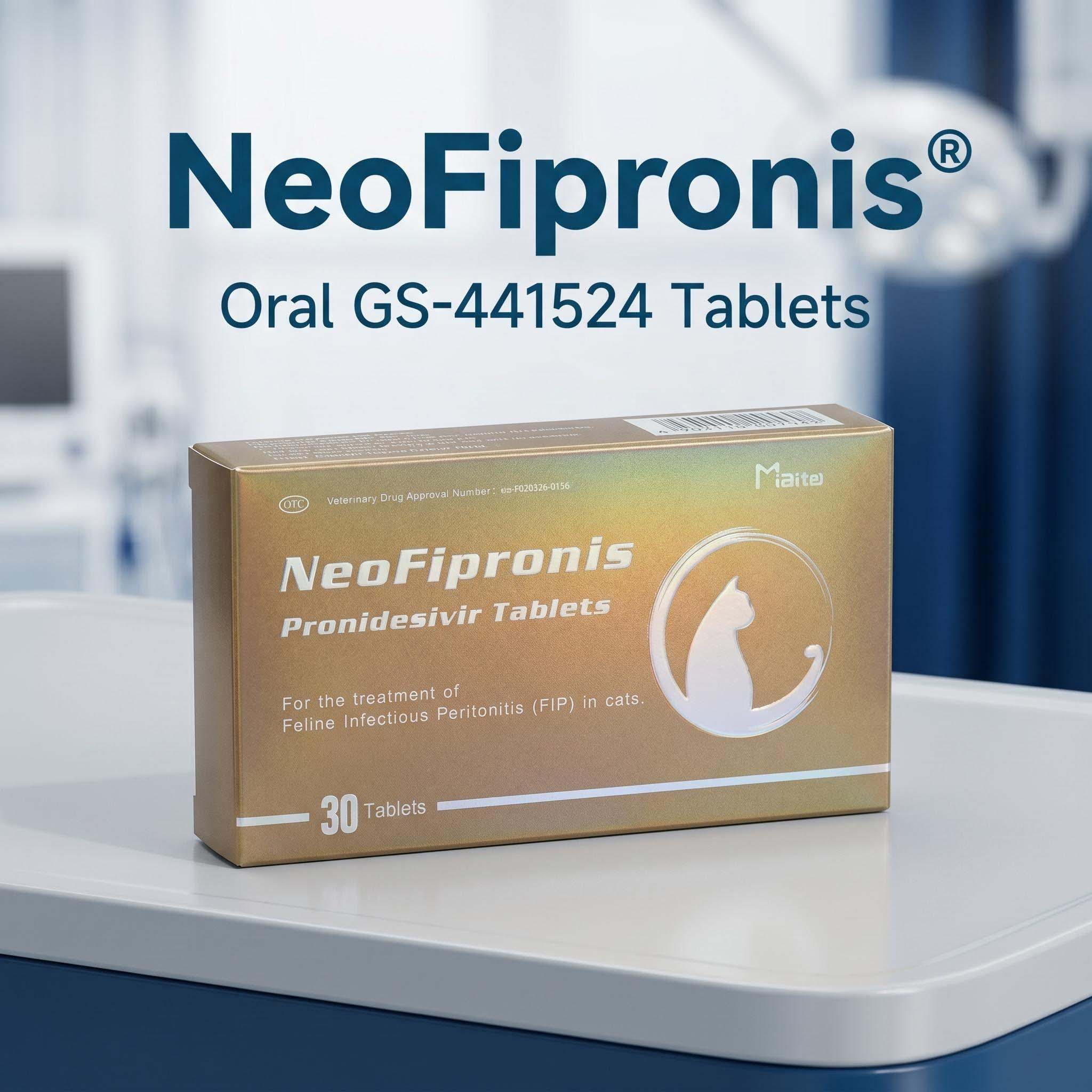
In recent years, antiviral treatments (notably GS-441524 and remdesivir, though not FDA-approved in the United States) have offered new hope and potential remissions for some cats. These therapies can reverse weight loss and restore vigor if initiated early during the course of the disease.
Supportive care, alongside targeted therapy, focuses on:
Encouraging food intake through appetite stimulants, syringe feeding, or feeding tubes
Maintaining hydration (subcutaneous or intravenous fluids)
Managing complications like fever, anemia, and secondary infections
Alleviating pain or discomfort as appropriate
Regular nutritional assessment is key, as prompt attention to weight loss can help maintain body condition and improve response to therapy. Owners should monitor their cat’s weight weekly and report changes to their veterinarian.
Risk Factors and Prevention Considerations
Not every cat exposed to feline coronavirus develops FIP, and certain circumstances elevate risk. Young cats (especially under two years), purebred cats, and those living in multi-cat environments seem most vulnerable. Genetic predisposition may affect the body’s ability to control viral mutation and inflammatory response.
Prevention primarily centers on minimizing overcrowding and stress in catteries or shelters, as these factors promote viral spread. Maintaining meticulous hygiene and reducing mixing among cat populations are recommended. While there is a vaccine available in some countries, its efficacy is limited, and it is not routinely used or generally recommended by U.S. practitioners.
The Importance of Early Detection
Weight loss is a concerning sign in any cat, but in the context of recent changes in behavior, fever, and malaise, it demands immediate veterinary attention. Early detection can be the difference between intervention and hospice care. Owners who notice unexplained weight loss should seek veterinary evaluation rather than attribute it to aging or picky eating.
Current Research and Future Outlook
FIP remains an active area of investigation, with significant advances made in the understanding of coronavirus mutations, immune response, and potential therapies. Molecular diagnostics and targeted drugs are reshaping the prognosis for affected cats. However, rapid weight loss continues to signal urgent need for evaluation and intervention.
Continued research is expected to improve detection and management. Virologists and immunologists are working towards more accurate tests and safer, more effective treatments. Outreach programs encourage pet owners to report rapid weight loss and other signs early.
Implications for Cat Owners and Veterinarians
Understanding that rapid weight loss is not merely a symptom but a marker for severe systemic disease underscores the importance of swift action. Owners should be alert to any changes in appetite, energy, or body condition. Veterinarians must remain vigilant for FIP in their differential diagnosis of weight loss, especially in at-risk populations.
Professional collaboration, education, and public awareness will be pivotal in improving the outcomes and quality of life for cats with FIP.
References
1. Pedersen NC. "A review of feline infectious peritonitis virus infection: 1963–2008." J Feline Med Surg. 2009;11(4):225–258.
2. Addie DD, et al. "Feline coronavirus infections: management and diagnosis." Vet Clin North Am Small Anim Pract. 2011;41(6):1127–1130.
3. Kipar A, Meli ML. "Feline infectious peritonitis: Still an enigma?" Vet Pathol. 2014;51(2):505–526.
4. Hartmann K. "Feline infectious peritonitis." Vet Clin North Am Small Anim Pract. 2005;35(1):39–79.
5. Krentz D, et al. "Acute phase proteins and cytokines in cats with FIP." Vet Immunol Immunopathol. 2015;163(3–4):228–236.
6. Dempsey SM, Ewing PJ. "Comparison of weight loss and laboratory findings in cats with FIP." J Vet Intern Med. 2012;26(1):115–118.
7. Izes AM, et al. "Current status of GS-441524 antiviral therapy for feline infectious peritonitis." J Feline Med Surg. 2020;22(12):1023–1030.
8. Vennema H, et al. "Feline infectious peritonitis viruses arise by mutation from endemic feline enteric coronaviruses." J Virol. 1995;69(10):6543–6551.
9. Fehr D, et al. "Pedigree analysis of cats with FIP." Vet J. 2017;227:38–44.
10. American Association of Feline Practitioners. "FIP Diagnosis and Treatment Guidelines." AAFP Publication, 2021.