What Conditions Is NeoFipronis (Pronidesivir) Used for
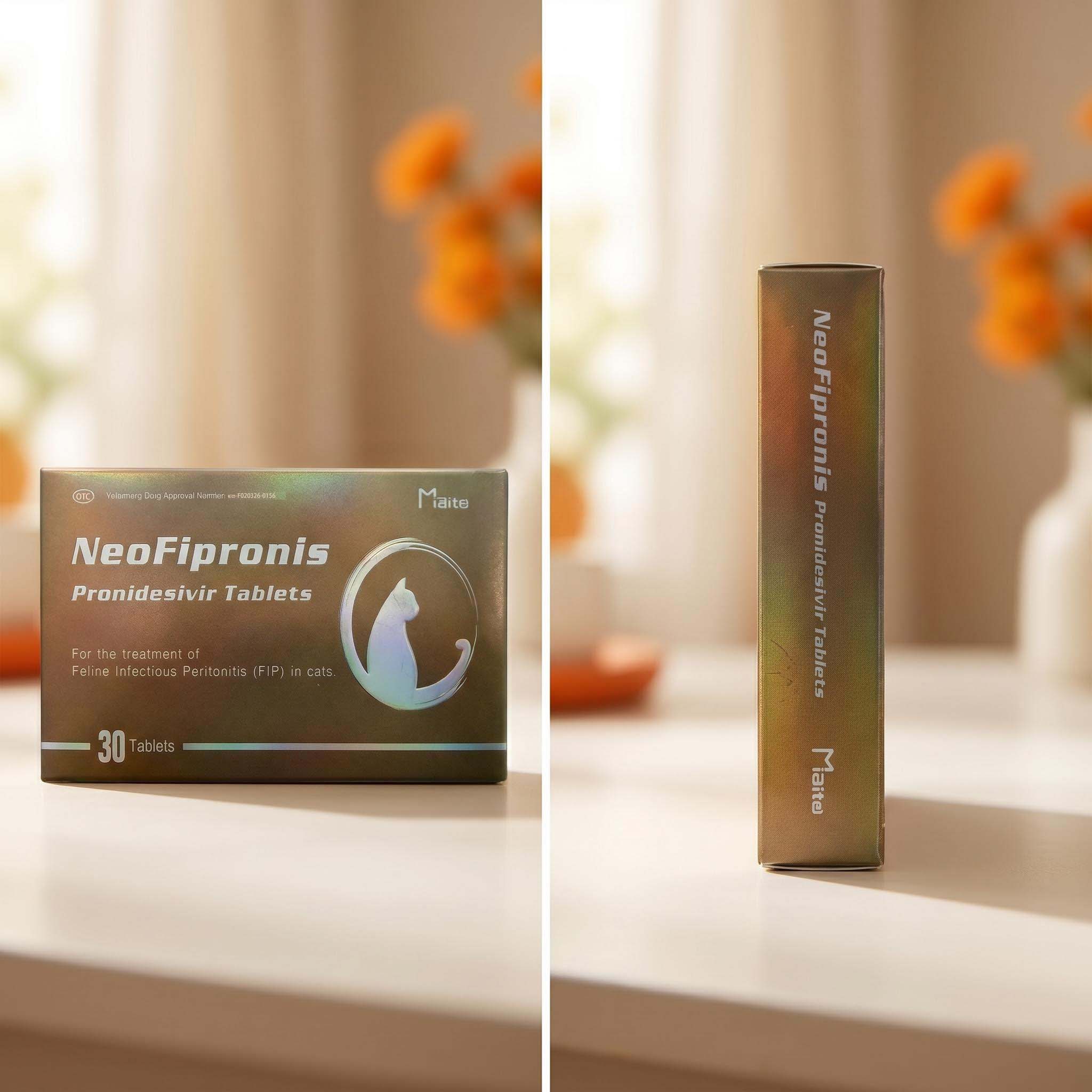
NeoFipronis (Pronidesivir) is an oral cat medication discussed for the treatment of feline infectious peritonitis, better known as FIP. FIP is a serious and often progressive disease caused by a mutated feline coronavirus. Because FIP can affect different organs and tissues, the signs may vary widely from cat to cat. NeoFipronis is associated with GS-441524, an antiviral compound studied for its activity against FIP, and it is commonly described as a practical option for cats that need targeted antiviral support.
Conditions NeoFipronis Is Commonly Used For
NeoFipronis is used for cats showing signs linked to FIP, including reduced appetite, low energy, persistent fever, abdominal swelling from fluid buildup, and chest fluid that can make breathing difficult. It is also discussed for cats with enlarged lymph nodes, inflammatory granulomas, eye involvement such as uveitis, and nervous system damage. These symptoms can appear in wet FIP, dry FIP, ocular FIP, or neurological FIP, and early recognition is important for better outcomes.
Because FIP can develop differently in each cat, a veterinarian may consider NeoFipronis when diagnostic findings and clinical signs point toward this disease. In many cases, cats with FIP become weak, lose weight, or stop eating normally. Others may show more specific signs, such as trembling, walking changes, head tilt, vision problems, or inflammation in the abdomen and chest. NeoFipronis is intended to address the viral process behind these conditions rather than just masking symptoms.
Why Cat Owners Look for NeoFipronis
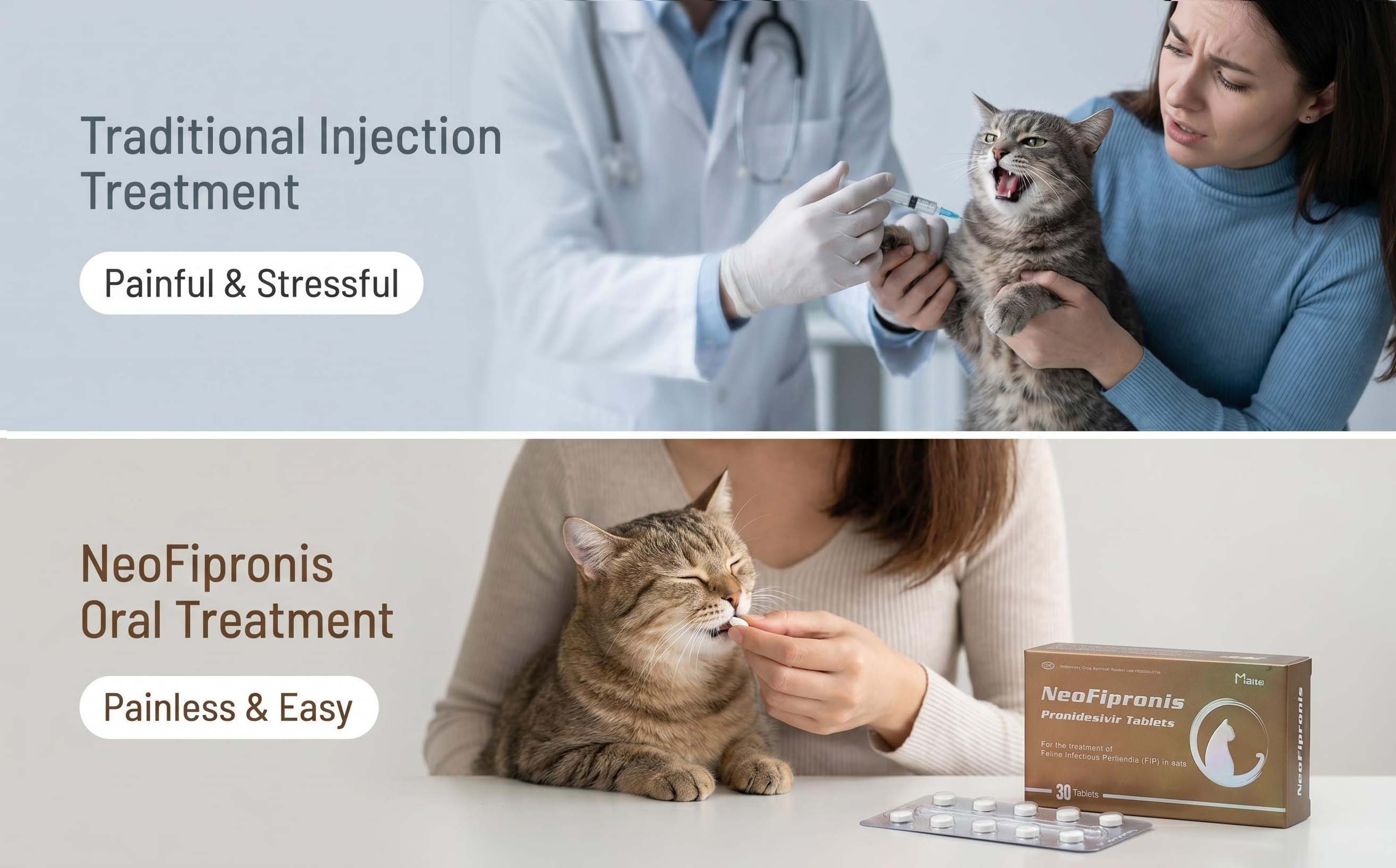
One reason NeoFipronis attracts attention is that it is an oral option, which can be easier for many cat owners than injectable therapies. Oral administration is non-invasive, convenient, and generally well tolerated when used correctly. Supporters of GS-441524-based FIP therapy often value the medication’s fast absorption, relatively rapid onset of action, and low rate of side effects when the dose is chosen appropriately.
Typical use is based on body weight. A commonly referenced dose is 15 mg per kilogram once daily, while cats with neurological or ocular FIP may require a higher dose, often around 30 mg per kilogram under veterinary direction. It is usually given once a day, preferably on an empty stomach, such as one hour before meals or two hours after eating. Treatment should not be interrupted, and many protocols recommend at least 12 weeks of continuous use.
Safety, Monitoring, and Veterinary Guidance
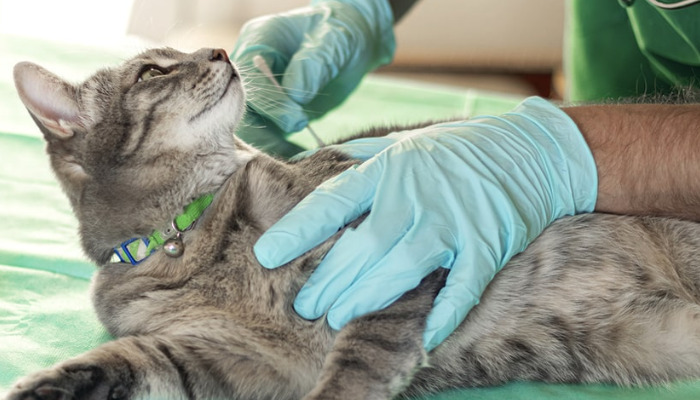
Even when a product is described as an over-the-counter option, FIP treatment should still be guided by a veterinarian. Cats receiving NeoFipronis should be monitored for changes in appetite, body temperature, activity level, and overall comfort. Regular blood work, along with liver and kidney function checks, can help track response to therapy and catch problems early.
NeoFipronis is for cats only and must never be used in people. Pet owners should also buy from trusted and official sources to reduce the risk of counterfeit or low-quality products. For cats suspected of having FIP, professional diagnosis and prompt treatment planning can make a major difference in recovery chances and quality of life.