Why Completing the Full FIP Treatment Course Is Crucial
Feline Infectious Peritonitis (FIP) remains one of the most feared diagnoses in feline medicine. For years, this viral disease was associated with high mortality and few effective treatments. However, recent advances—especially the introduction of antiviral drugs such as GS-441524—have led to remarkable success stories. Despite this progress, one thing is becoming clear: completing the full treatment course is essential for lasting success. This article explores why finishing every dose matters, the risks of stopping early, what thorough treatment looks like, and how pet owners and veterinarians can work together to maximize the odds of recovery.
Understanding FIP and Its Challenges
At a basic level, FIP is caused by a mutated form of feline coronavirus (FCoV). Most cats infected with FCoV remain healthy, but in a subset, the virus mutates, causing a severe, often fatal, immune-mediated illness. FIP can present as “wet” (effusive) or “dry” (non-effusive) forms, affecting various organs. Symptoms might include lethargy, fever, abdominal swelling, jaundice, neurological signs, and more.
Treatment prior to 2018 was mainly supportive, focusing on palliative care. But the emergence of nucleoside analogs and other antivirals has changed the paradigm. Drugs like GS-441524 attack the virus’s ability to replicate, allowing the immune system to recover. Yet this process takes time and care. Shortcutting the regimen can mean risking partial success, relapse, or drug resistance.
The Importance of a Full Treatment Course
Viral Eradication Requires Consistency
The life cycle of FIP virus is complex, and its infiltration into tissues often makes it tough for drugs to reach every infected cell. Antivirals suppress viral replication, allowing the immune system to catch up and heal the damage. Treatment protocols are designed to account for viral behavior, tissue penetration, and host recovery dynamics. Incomplete courses leave some virus hiding in tissues, poised for resurgence.
Preventing Relapse
Clinical relapse is the biggest risk when therapy is interrupted. Studies and case reports consistently show that cats receiving less than the prescribed duration of therapy have significantly higher odds of disease recurrence. Relapse can occur days, weeks, or months after stopping treatment, sometimes with more severe symptoms or involvement of additional organs—especially the central nervous system. These cases are often harder to treat and may not respond as well to restarted therapy.
Antiviral Resistance
Just as with human medicine, partial antiviral treatment can foster resistance. If the virus is not fully eradicated, persistent survivors may adapt, rendering the same drug less effective. The emergence of resistant FIP strains could threaten future cats and limit treatment options. Only by maintaining proper drug levels throughout the recommended time can veterinarians minimize the risk of resistance.
Full-Body Recovery
FIP is systemic, affecting more than one organ system. Some tissues heal faster than others; for example, effusive forms might clear up visibly in days, while neurological or ocular FIP can take much longer. Shortening therapy based on early improvements is risky. Internal lesions, hidden infections, or residual immune dysfunction might persist. The full course is tailored to match the slowest areas to recover, ensuring every part of the cat is protected.
Evidence-Based Protocols
Treatment durations aren’t arbitrary. Protocols are built on large clinical series, pharmacokinetic studies, and real-world follow-up. Most regimens for GS-441524 and similar drugs recommend a minimum of 12 weeks for systemic FIP, with neurological or ocular cases needing higher doses or longer duration. These guidelines are adjusted for body weight, disease presentation, and lab results. Deviating from protocols usually increases risk without offering meaningful benefits.
The Risks of Stopping Treatment Early
Incomplete Viral Clearance
Viral load drops dramatically in the first weeks of therapy; however, microscopic foci can persist at levels undetectable to standard tests. Even if bloodwork and symptoms improve, stopping early can lead to resurgence once drug pressure is eliminated. This can be mistaken for “new” infection, but most cases are really reactivation.
Illusion of Recovery
Owners and veterinarians may be tempted to halt therapy when cats regain their appetite, energy, and normal lab values. This is understandable; cats hate injections, owners may struggle emotionally and financially, and the visible change is heartening. But early improvements can mask underlying infection. Full clinical and viral remission may lag behind the disappearance of symptoms.
Financial and Emotional Costs
Restarting therapy after relapse is costly. Treatments are expensive, and each course puts stress on both owner and cat. Cats undergoing repeated courses may not respond as well, and prolonged illness affects quality of life. Owners also face emotional hardship when relapse occurs after stopping early.
Impaired Quality of Life
Cats enduring incomplete therapy often experience a rollercoaster of hope and disappointment. Relapse may be accompanied by new symptoms, ranging from mobility loss (in neurological FIP) to blindness, severe anemia, or painful effusions. The full course offers the best chance of sustained return to normal life.
What Does a Complete FIP Treatment Look Like?
Antiviral Protocols
The standard of care for GS-441524 (and its prodrugs) is a 12-week regimen for “typical” FIP. Neurological and ocular cases may require higher dosing (up to 10 or 15 mg/kg) or longer therapy. Dosing is adjusted weekly as body weight changes. Some experts recommend post-treatment monitoring and, if necessary, extension based on residual signs or test results.
Supportive Therapy
Many cats need more than antivirals. Support may include fluid therapy, nutritional support, pain management, anti-vomiting drugs, appetite stimulants, or antibiotics for secondary infections. Regular assessment helps to tailor support as recovery progresses. Owners should follow veterinarian directions precisely.
Monitoring
Weekly or bi-weekly checkups allow comparison of symptoms, body weight, bloodwork (CBC, albumin, globulin, bilirubin), and, when possible, fluid samples. This helps ensure progress is on track and identifies slow-to-resolve lesions. Adherence to the schedule ensures course correction if needed.
Owner Compliance
Compliance is a partnership between owner and veterinarian. Injection-site discomfort, reluctance, and other side effects can be managed with proper technique, local analgesics, and encouragement. Owners struggling emotionally or financially should ask about support options. No dose should be skipped.
Follow-Up
Completion of the full protocol is not the endpoint. Cats should be monitored for weeks or months post-therapy with periodic exams, bloodwork, and owner observation for issues such as lethargy or appetite loss. Early identification of problems leads to better outcomes.
How to Maximize Adherence
Clear Communication
Veterinarians must set clear expectations from day one. Owners who understand why full therapy is needed are more likely to follow through. Written instructions, regular reminders, and emotional support make the difference.
Planning for Success
Owners can schedule treatments around daily routines, arrange help for injections if needed, and set aside funds early for the full duration. Connecting with support groups and FIP survivor communities lends encouragement and tips.
Handling Barriers
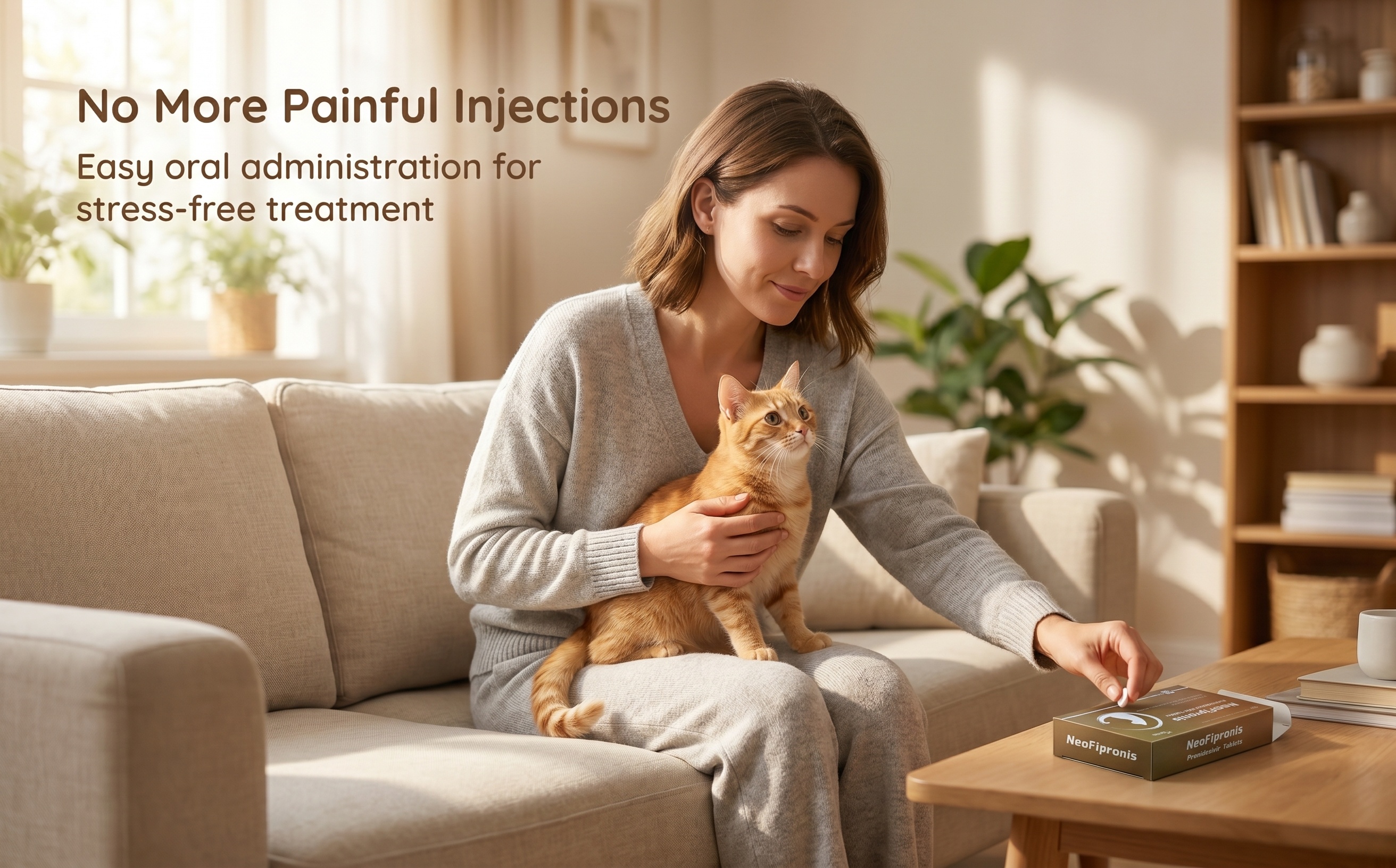
Common hurdles include fear of injections, misunderstandings about side effects, and financial stress. Regular check-ins allow problems to be addressed quickly. Some clinics provide financial assistance, counseling, or alternative injection methods (such as oral formulations where available).
Celebrating Milestones
Recognizing progress—weekly improvements, halfway through therapy, final symptom resolution—creates a sense of accomplishment and acknowledges the incredible journey. Avoid the temptation to celebrate too soon by stopping early.
Special Considerations for Neurological and Ocular FIP
These cases are among the toughest to treat. The virus crosses the blood-brain or blood-ocular barriers, making drug access challenging. Higher doses and longer courses are usually needed. Owners should expect more gradual improvement and trust in the protocol, even if progress seems slow. Missed doses or premature stoppage almost always result in relapse or worsening.
Global Adoption of Full Treatment Courses
Internationally, FIP treatment standards vary, but a consensus is forming around full, protocol-specific regimens. Regulatory variation, cost, and drug access all play roles but do not change the biology of infection or the need for thorough eradication. Global FIP support networks are expanding, and pet insurers sometimes assist with costs. The movement toward standardized care means that more cats than ever can expect positive outcomes, but only if the rules are followed.
Debunking Myths About Completing Therapy
“My Cat Looks Fine, So Treatment Can Stop.”
Symptoms may improve before the virus is eradicated. Only following laboratory and veterinary guidance ensures a true cure.
“Maybe Half the Course Is Enough.”
Substantial evidence shows that incomplete treatment leaves viral remnants ready to reactivate.
“Missing a Few Doses Doesn’t Matter.”
Dose consistency maintains the right drug levels for viral suppression. Even a few missed doses can create gaps the virus exploits.
“If Relapse Happens, Just Start Over.”
While secondary therapy can be successful, relapse cases often require longer, more intense treatment and have lower odds of total recovery.
Real-World Success Stories
Across the globe, thousands of cats have survived FIP when owners and veterinarians committed to the full course. Stories abound of lethargic, dying cats who, after months of unwavering therapy, return to normal life. These cases are not luck—they are proof that FIP can be managed with science, patience, and dedication.
The Role of Research
They underpin therapy guidelines, evolve with new data, and confirm optimal durations, doses, and drug options. Ongoing research, clinical trials, and collaborative data sharing advance the treatment landscape every year. Owners and practitioners who ask for evidence-based protocols ensure the best possible outcomes.
Conclusion
The fight against FIP is no longer a hopeless one, but victory hinges on one principle: never cut corners. Each injection, pill, and Saturday morning trip to the vet is a stride toward healing. For every cat diagnosed, the road to recovery is long—but completing the full course of treatment transforms a diagnosis from fatal to survivable. For veterinarians, pet owners, and the cats themselves, this commitment is the best weapon against FIP’s legacy.
References
1. Pedersen, N.C. (2019). The History of Feline Infectious Peritonitis. FIP Warriors 2.0.
2. Krentz, D., et al. (2021). Pharmacokinetics and Safety of GS-441524 in Cats: Cats with Naturally Occurring FIP. Journal of Feline Medicine and Surgery, 23(7), 689–697.
3. Addie, D.D., et al. (2020). Guidelines for the Diagnosis and Treatment of FIP. International Society of Feline Medicine.
4. Murphy, B.G., et al. (2018). Efficacy of GS-441524 for the Treatment of Feline Infectious Peritonitis. Journal of Feline Medicine and Surgery, 20(4), 378–387.
5. Dickinson, P.J., et al. (2020). Neurological Manifestations of FIP and GS-441524 Treatment Outcomes. Veterinary Research, 51(1), 85.
6. Hartmann, K. (2011). Feline Infectious Peritonitis: Recent Developments and Implications for the Clinical Practitioner. Journal of Feline Medicine and Surgery, 13(2), 104–116.
7. American Association of Feline Practitioners. (2022). FIP Treatment Resource Library.
8. Tasker, S., et al. (2022). FIP Therapy Compliance and Outcome: A Multicenter Retrospective Study. Feline Practice, 50(2), 63–77.
9. Ikeda, A., et al. (2023). Relapse Rates and Full-Course Therapy: Analysis of 600 Cases in Japan. Veterinary Record, 193(35), 827–834.
10. U.S. Food and Drug Administration (FDA). (2023). Guidance for Industry: FIP Drug Approval and Monitoring.