What Are the Effects and Precautions of NeoFipronis (Pronidesivir)

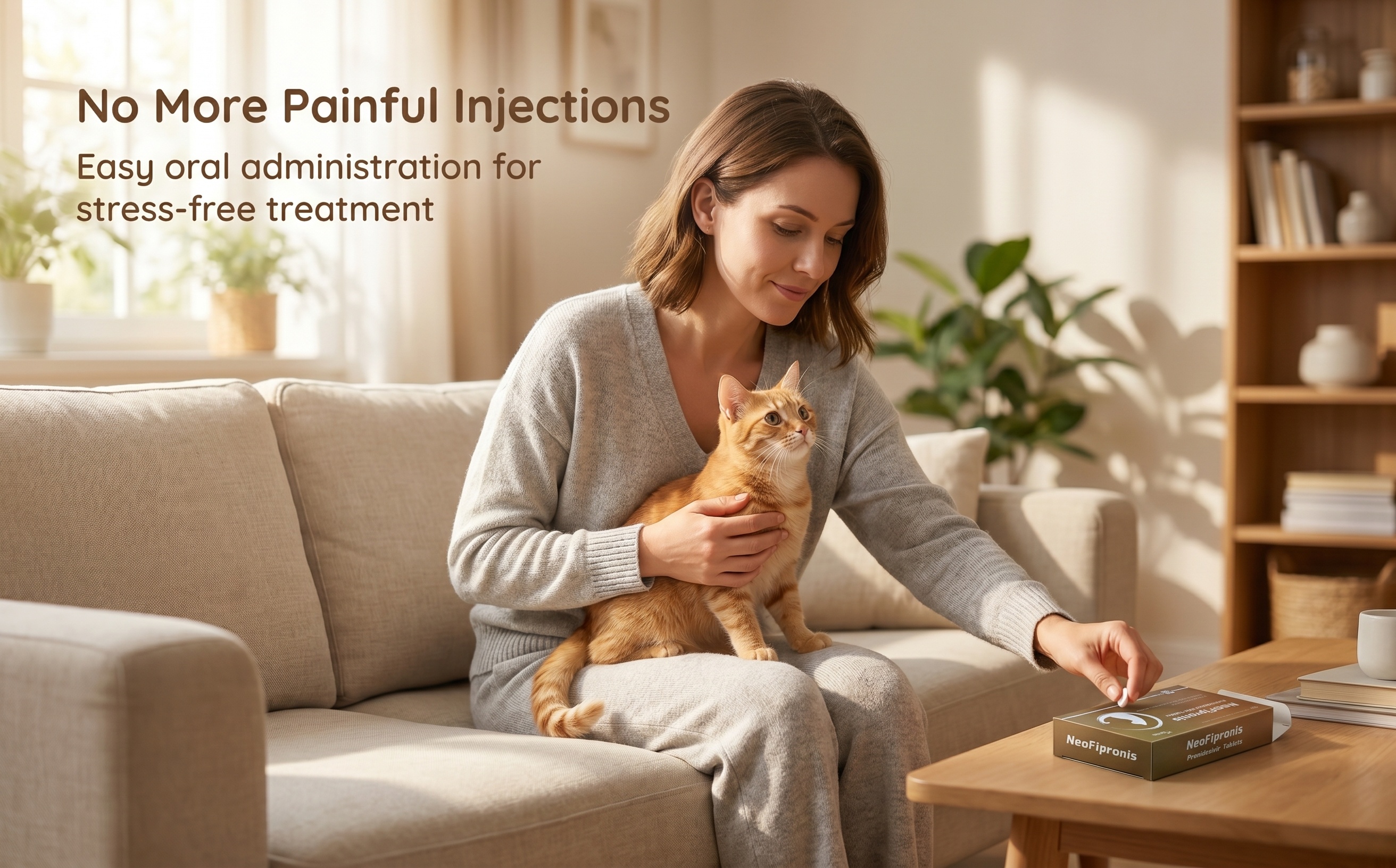
NeoFipronis (Pronidesivir) is an oral FIP treatment for cats designed around GS-441524, a compound widely studied for its antiviral activity against feline infectious peritonitis virus. For cats affected by FIP, it may help improve common clinical signs such as poor appetite, lethargy, fever, abdominal swelling, pleural effusion, enlarged lymph nodes, inflammatory granulomas, neurological damage, and uveitis. Because FIP can progress quickly, early and consistent treatment is especially important for protecting a cat’s quality of life.
How NeoFipronis May Help Cats With FIP
The active ingredient GS-441524 works by interfering with viral replication, which can reduce the viral burden in the body and allow the immune system to recover more effectively. In practice, many cats receiving FIP therapy show gradual improvement in appetite, energy, body temperature, and overall comfort. Cats with wet FIP may experience a reduction in abdominal or chest fluid, while dry, ocular, and neurological cases may require more careful monitoring and often a higher dose under veterinary supervision. For many owners, the appeal of NeoFipronis is that it is non-invasive, easy to administer, and generally well tolerated.
Suggested Use and Dosage Guidelines
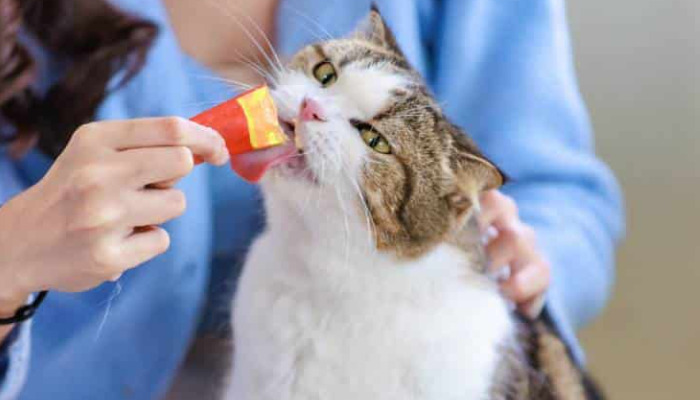
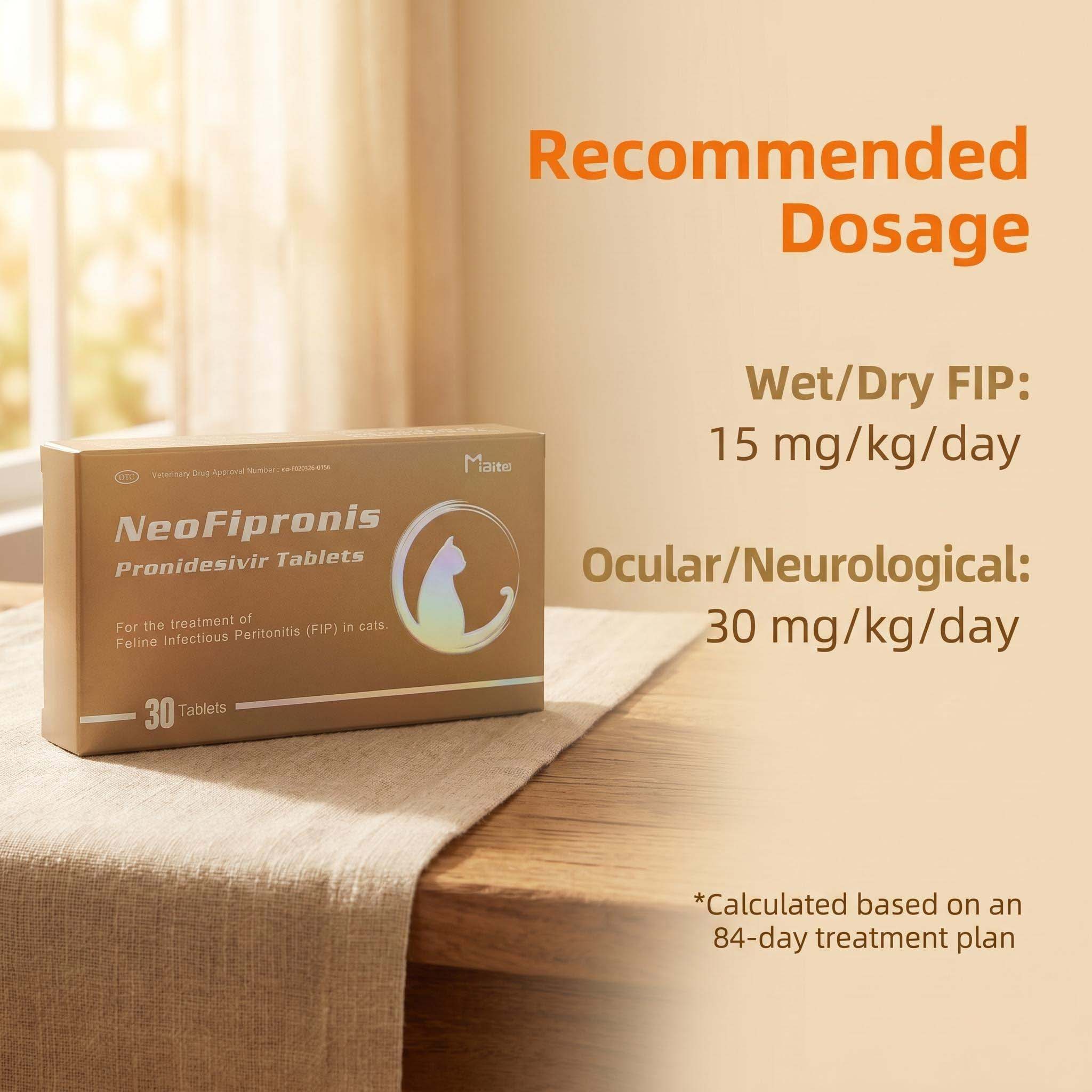
NeoFipronis is typically given once daily according to body weight. A common baseline dose is 15 mg per kilogram of body weight, which is often described as half a tablet depending on the product strength. For neurological or ocular FIP, veterinarians may recommend increasing the dose to 30 mg per kilogram. It is usually best administered on an empty stomach, either one hour before feeding or two hours after a meal, to support absorption. Because each cat’s condition can differ, exact dosing should be confirmed with a veterinarian before treatment begins.
Precautions During Treatment
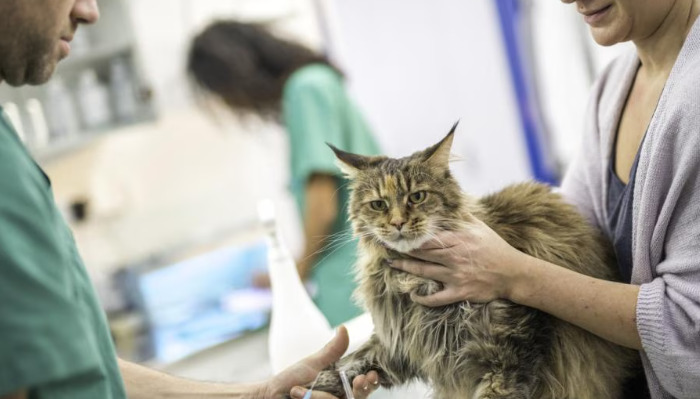
Cats receiving NeoFipronis should take the medication continuously for no less than 12 weeks, and missed doses should be avoided whenever possible. During treatment, owners should closely observe appetite, body temperature, activity level, breathing, and neurologic or eye-related symptoms. Regular bloodwork and liver and kidney function tests are recommended to monitor the cat’s response and overall safety. Although the product is described as an over-the-counter option, veterinary guidance is still strongly advised, especially for kittens, senior cats, or cats with other medical conditions.
Safety, Tolerability, and Important Warnings
NeoFipronis is generally considered safe, minimally invasive, and fast acting, with good tolerance and relatively few side effects when used correctly. Even so, any cat may react differently, so prompt attention should be given to vomiting, diarrhea, poor appetite, or unusual behavior. This product is for cats only and must not be used in humans. To help ensure product quality and authenticity, purchase should be made through the official NeoFipronis website or an authorized source.
Choosing the Right FIP Treatment Plan
Feline infectious peritonitis is a serious disease, but modern oral GS-441524-based therapy has changed the outlook for many cats. NeoFipronis may offer a practical treatment option for cat owners seeking effective FIP support with simple daily dosing. For best results, the medication should be used consistently, monitored carefully, and matched to the cat’s specific FIP type and clinical condition. Veterinary oversight remains one of the most important parts of a successful recovery plan.