What Are the Side Effects of NeoFipronis (Pronidesivir)
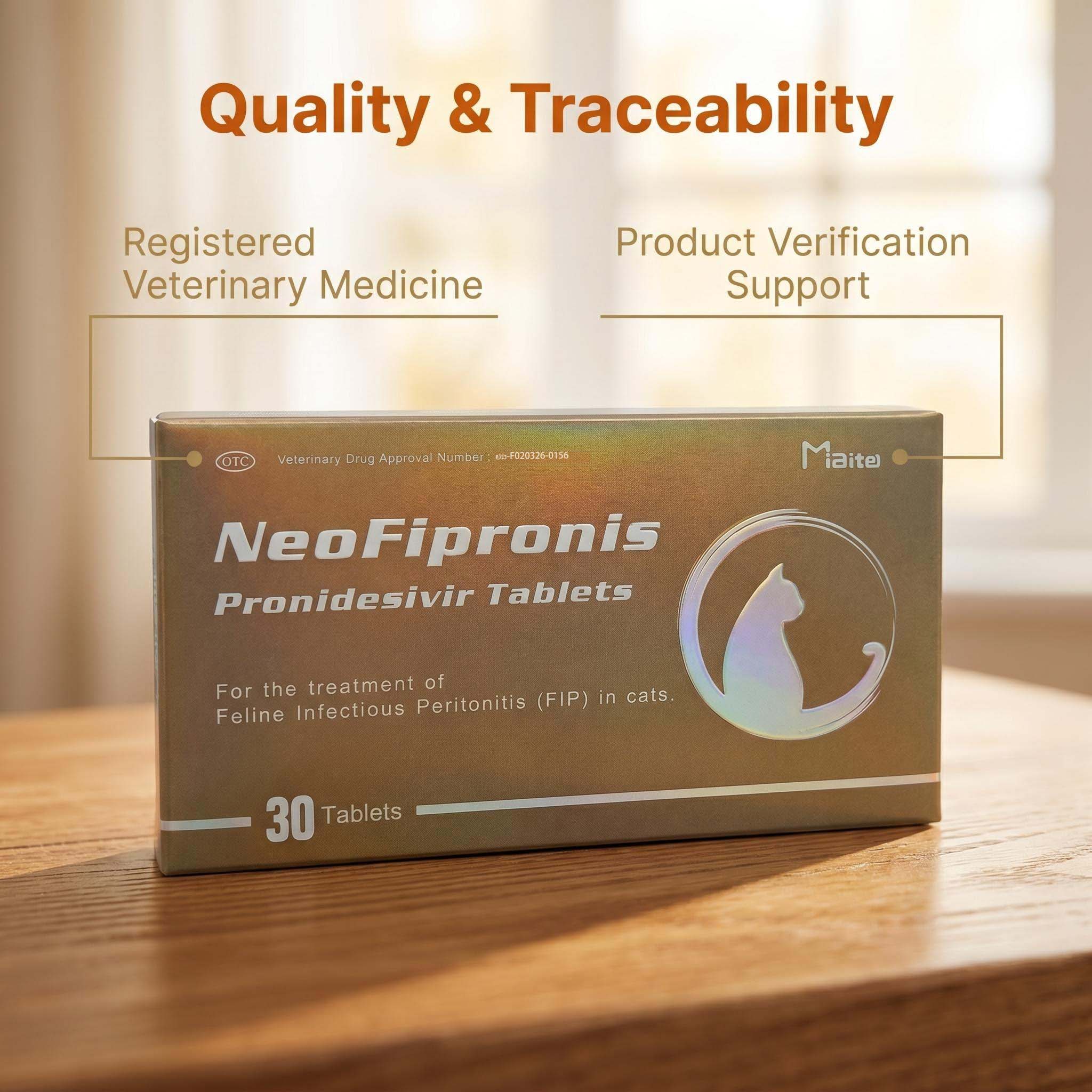
NeoFipronis (Pronidesivir), a GS-441524-based oral treatment marketed for feline infectious peritonitis (FIP), is widely discussed because many cats with FIP show improved appetite, energy, fever control, and overall recovery when the antiviral is used appropriately. FIP can cause severe symptoms such as abdominal fluid, chest fluid, enlarged lymph nodes, inflammatory granulomas, neurological signs, and uveitis, so pet owners often focus on treatment benefits first. Still, as with any antiviral medicine, side effects can happen, and monitoring during therapy is essential.
The most commonly reported NeoFipronis side effects are usually mild and temporary. Some cats may experience reduced appetite, soft stool, vomiting, or mild digestive upset after dosing. A few cats may appear briefly sleepy or less active, especially during the early phase of treatment or when the body is responding to the infection itself. Because FIP can already cause fever, lethargy, and weight loss, it is important to distinguish treatment-related effects from the disease process. Regular observation of food intake, hydration, body temperature, and behavior helps identify changes early.
More important side effects can involve the liver and kidneys, especially in cats that are already weak, dehydrated, or have advanced disease. Bloodwork may show changes in liver enzymes, kidney values, or protein levels during treatment. These changes do not always mean the drug must be stopped, but they do mean the cat needs veterinary review. For this reason, many veterinarians recommend periodic CBC and serum chemistry testing during the full course of therapy, particularly for cats receiving prolonged treatment or higher doses for neurological or ocular FIP.
Injection-site reactions are not usually a concern with oral NeoFipronis, which is one reason many owners prefer oral GS-441524 therapy. However, oral medications can still cause hypersensitivity in rare cases. Signs such as facial swelling, hives, difficulty breathing, or sudden severe vomiting require urgent veterinary care. Any cat that becomes dramatically weaker, stops eating, or develops worsening jaundice should be evaluated promptly, as these signs may reflect complications rather than a simple medication reaction.
Dose matters as much as the medicine itself. A cat that receives too little may not improve adequately, while excessive or inconsistent dosing may increase the chance of side effects or treatment failure. Cats with neurological or eye-related FIP often need individualized dosing under veterinary guidance. NeoFipronis is generally described as well tolerated, but no antiviral should be used casually without attention to body weight, dosing schedule, and follow-up testing. Daily dosing consistency is especially important because missed doses can reduce antiviral effectiveness.
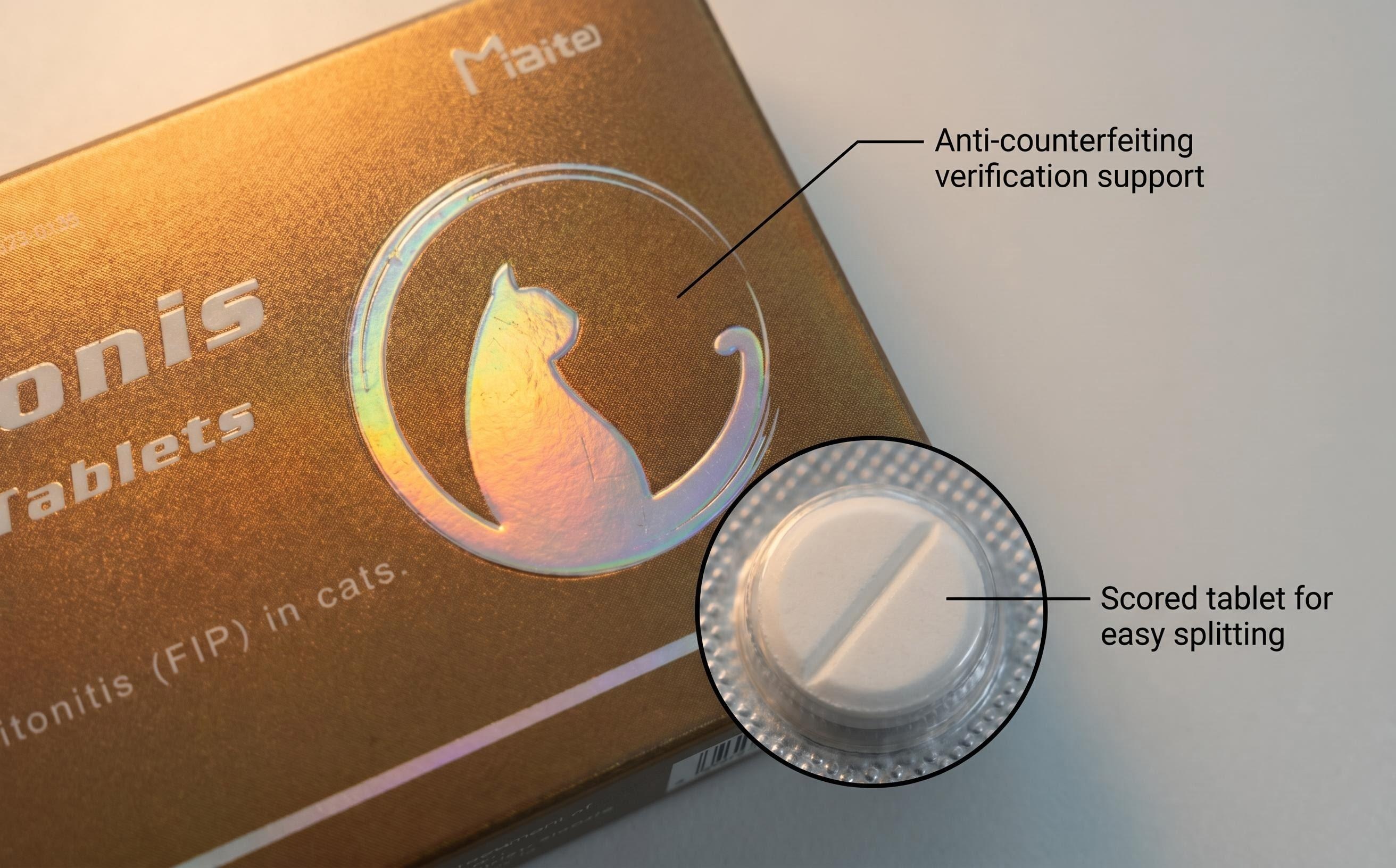
For cat owners searching for NeoFipronis side effects, the key message is that most reactions are manageable when treatment is monitored carefully. Watch for appetite changes, vomiting, diarrhea, unusual tiredness, worsening jaundice, or abnormal lab results. Keep the cat on the full prescribed course, avoid dose skipping, and work with a veterinarian whenever possible. NeoFipronis is intended for cats only, not for human use, and product quality should always be verified through reliable official channels before purchase.