Are There Natural Supplements That Support FIP Recovery
Exploring Adjunctive Therapies for Feline Infectious Peritonitis
Feline Infectious Peritonitis (FIP), a lethal disease caused by feline coronavirus, has historically been considered untreatable. Over the past decade, antiviral drugs have revolutionized FIP management, but many cat owners continue to seek natural supplements to support recovery, improve quality of life, and complement traditional therapies. This article critically examines available natural adjunctive options, discusses mechanisms of action, and evaluates recent evidence regarding supplement use in FIP management.
Understanding FIP: Pathogenesis and Treatment Landscape
FIP develops when feline coronavirus mutates within the host cat, triggering an intense immune response and widespread inflammation, typically manifesting as effusive ("wet") or non-effusive ("dry") forms. Cats with FIP often present with fever, weight loss, abdominal effusion, or neurological symptoms. Until recently, prognosis was poor, but antivirals such as GS-441524 have shown promise.
Despite advances in pharmacologic therapy, supportive care remains essential. Owners—and veterinarians—explore adjunctive options to reduce inflammation, bolster immunity, limit viral replication, and enhance overall wellbeing. Natural supplements emerge as plausible candidates for these goals, but their use demands careful consideration and scientific scrutiny.
Immunomodulatory and Antioxidant Supplements
One focus in FIP supportive therapy is mitigating the cat’s damaging immune response. Certain natural substances demonstrate immunomodulatory, anti-inflammatory, or antioxidant effects. Below are supplements commonly discussed in the veterinary community:
Omega-3 Fatty Acids
Omega-3s, primarily found in fish oil, are renowned for their anti-inflammatory properties. In feline medicine, they are used to reduce inflammation associated with arthritis, dermatitis, and other chronic conditions. Theoretically, supplementing Omega-3s in FIP patients may help suppress excessive inflammation, especially that resulting from immune-mediated tissue damage.
Clinical studies in cats are limited, but research shows Omega-3s can lower C-reactive protein (CRP) and other inflammatory markers. Safety is well-established when used appropriately, though dosages should be tailored to the individual animal’s needs.
Curcumin
Curcumin, the bioactive compound in turmeric, exhibits robust anti-inflammatory and antioxidative actions. Studies in laboratory animals have documented curcumin’s ability to modulate cytokine activity and decrease oxidative stress. Some data suggest curcumin could theoretically dampen the catastrophic immune response in FIP.
Challenges remain, such as curcumin’s low bioavailability in cats and insufficient clinical evidence. Liposomal or nanoparticle formulations may improve effectiveness. Careful dosing and veterinary guidance are necessary to avoid toxicity.
Resveratrol
Resveratrol is a polyphenol found in grapes and berries, praised for immunomodulatory and antiviral qualities. In vitro studies demonstrate inhibition of certain viruses and suppression of inflammatory cascades. Resveratrol may offer mild immune support and antioxidative benefits, though direct evidence in feline FIP is currently absent.
As with other supplements, the lack of rigorous trials limits recommendations. Furthermore, grapes are toxic to cats, so only pharmaceutical-grade resveratrol should ever be considered, under strict supervision.
Medicinal Mushrooms: Beta-Glucans and Polysaccharides
Mushroom-derived beta-glucans (from species like Reishi, Shiitake, Maitake, and Turkey Tail) are famed for their immunomodulatory effects. They promote balanced immune activity and have demonstrated antiviral properties in preclinical studies. In veterinary practice, mushroom supplements are used to support immunity in cancer and infectious diseases.
Anecdotal evidence suggests benefits for cats with FIP, often as a part of a holistic regimen. The safety profile in cats is generally favorable, provided that pure, well-sourced products are selected. The scientific community calls for more controlled studies to confirm efficacy.
Vitamin C and E: Antioxidant Protection
Oxidative stress is believed to play a role in FIP-related tissue damage. Antioxidant vitamins like C and E may mitigate this stress, protect cellular membranes, and improve general health markers. Vitamin E, in particular, supports immune regulation and is frequently supplemented in chronic feline illnesses.
While both vitamins are safe at moderate doses, high-dose vitamin C could cause gastrointestinal upset, and excess vitamin E can interfere with blood clotting. It is crucial to consult a veterinarian before initiating any supplementation.
Other Herbal Extracts and Natural Compounds
Some natural substances gain attention for anecdotal use in feline viral illnesses:
Astragalus Root
Astragalus is traditionally used in Chinese medicine to enhance immune function. Animal studies have shown immune-stimulating actions and protection against certain viral infections. However, evidence in cats is rare, and dosing remains unstandardized.
L-Lysine
L-Lysine has been widely adopted to manage feline herpesvirus, based on its inhibition of viral replication. There is no evidence supporting its role in FIP, and its use is currently discouraged without veterinary advice.
Milk Thistle: Liver Support
Milk thistle, rich in silymarin, is used to support hepatic function and combat toxin-induced liver injury. FIP can stress liver metabolism, and silymarin may be useful for cats receiving antiviral medication or experiencing hepatic complications. Structured clinical trials are warranted before general recommendation.
Gut Health and Probiotics
FIP often provokes gastrointestinal symptoms—diarrhea, vomiting, poor appetite. Probiotics may restore healthy flora, optimize digestion, and reduce GI inflammation. Popular choices include Lactobacillus and Bifidobacterium strains. While clinical trial data in FIP cats is lacking, probiotics are generally safe and may aid symptoms.
Nutritional Support: High-Quality Protein and Caloric Supplements
Cats recovering from FIP benefit from nutrient-dense foods, including high-quality animal proteins and easily digestible ingredients. Supplements like taurine, essential amino acids, and vitamins ensure metabolic needs are met. Liquid nutritional formulas are sometimes implemented for severely affected cats who struggle to eat.
Cannabidiol (CBD) Oil
CBD oil is increasingly popular as a supplement for cats with chronic or inflammatory conditions. CBD is thought to modulate immune response, decrease pain perception, and possibly possess antiviral effects. Research in feline FIP is minimal, and the risks—including toxicity and drug interactions—must be weighed carefully. Veterinary guidance is mandatory.
Assessing Evidence: Limitations and Considerations
Most natural supplements discussed above lack comprehensive, FIP-specific clinical trials. Evidence is typically extrapolated from related animal studies, human medicine, or anecdotal reports. Owners and clinicians must remain cautious, and supplement use should always be an adjunct to proven antiviral and supportive therapies—not a replacement.
Potential Risks
Natural is not synonymous with safe: some supplements can cause toxicity, interact with prescription medications, or worsen clinical symptoms. Certain herbs, vitamins, and oils may accumulate in feline tissues, leading to adverse effects.
Veterinary Supervision
Integrating supplementation into FIP care requires establishing therapeutic goals, monitoring for side effects, and adjusting other medications as needed. Only supplements with established safety and potential clinical benefit should be considered.
Antiviral Advances
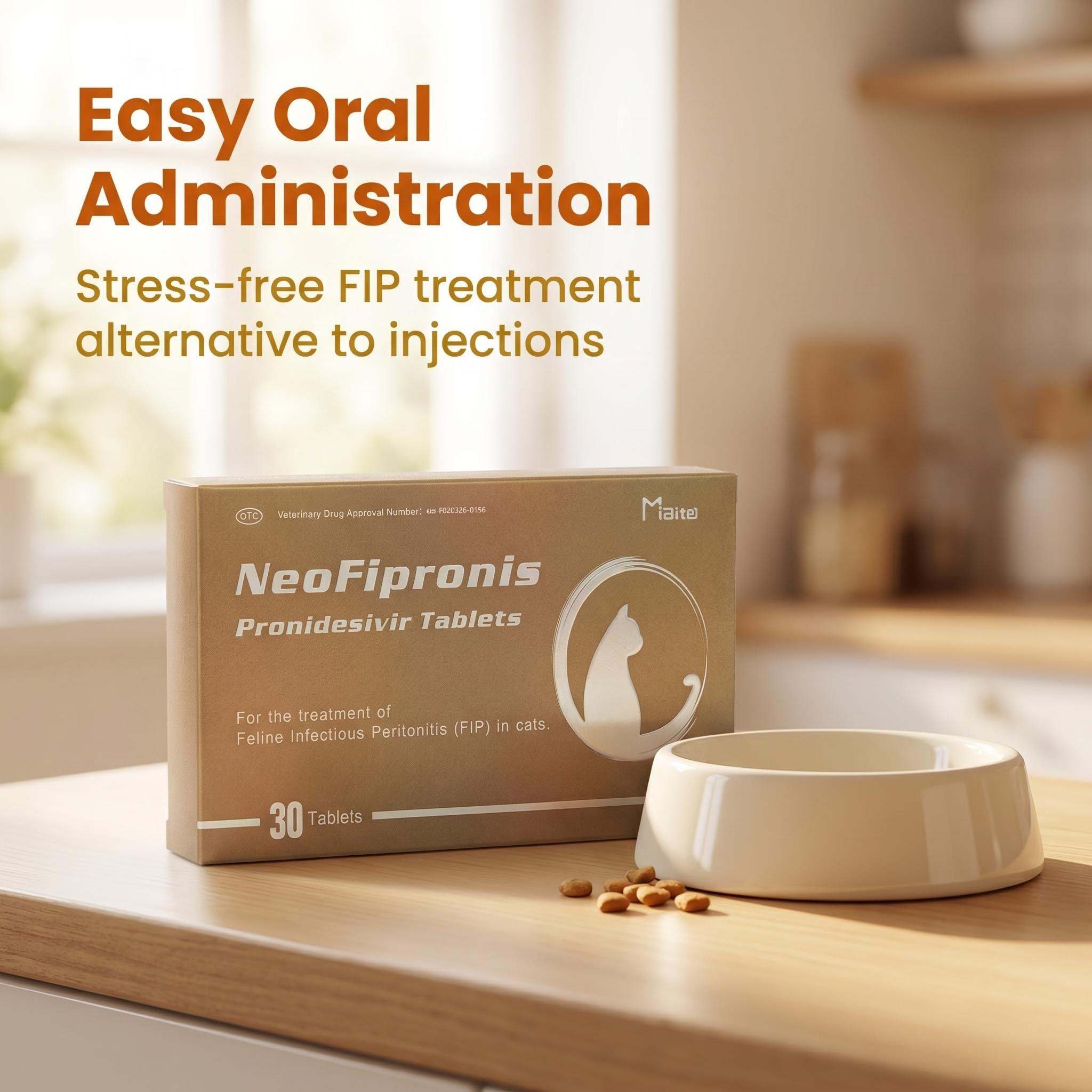
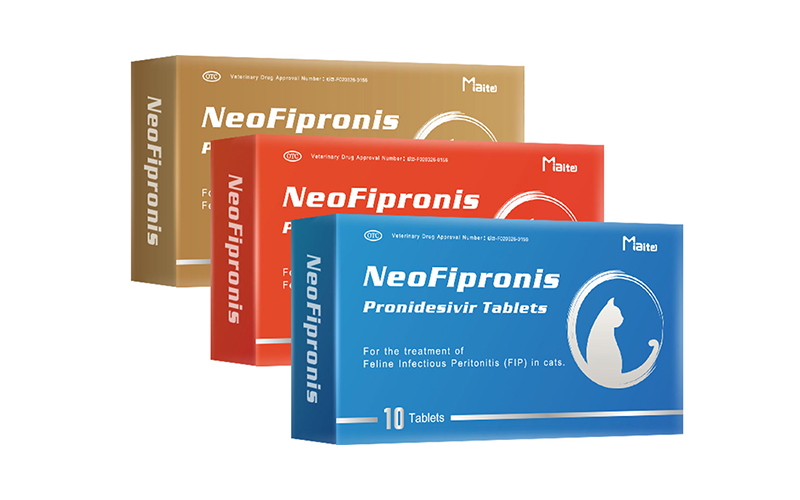
GS-441524 and related drugs remain the cornerstone of FIP recovery for eligible cats. Natural supplements may help alleviate symptoms, support immune balance, or protect organs—but they cannot replace antiviral medications.
Owner Experiences and Community Discussion
Online support forums, research groups, and social media platforms abound with anecdotal stories of cats recovering from FIP using combinations of natural supplements, diet changes, and prescription antivirals. While these experiences can be inspiring, scientific validation is required before widespread adoption.
Veterinarians report that, for some cats, supplementation (especially with antioxidants, mushroom extracts, and omega fatty acids) seems to ease suffering, improve energy, and hasten recovery. Others observe little benefit. Each case is unique—and decision-making should prioritize evidence, safety, and professional input.
Future Directions and Research Priorities
Interest in natural adjuncts for FIP mirrors trends in human medicine, as patients and caregivers seek holistic approaches to disease management. Veterinary scientists are encouraged to pursue controlled studies, elucidating mechanisms and determining effective protocols.
Of particular urgency is the investigation of mushroom beta-glucans, curcumin-based compounds, and probiotic formulations. Efforts underway aim to clarify optimal dosing, bioavailability, and synergistic effects with antiviral drugs.
Key Points
FIP is a complex disease, mostly managed through antivirals and supportive care.
Natural supplements may provide adjunctive benefit, but evidence remains limited.
Supplement categories include anti-inflammatory omega-3s, antioxidant vitamins, mushroom extracts, curcumin, and probiotics.
Safety and efficacy must be evaluated by a veterinarian, considering each cat’s unique needs.
Ongoing research will clarify roles for natural supplements in FIP recovery.
References
1. Pedersen NC. "Feline Infectious Peritonitis Vaccine: An Experimental and Clinical Update." J Feline Med Surg
2. Ritz S, Egberts J, Karrasch K. "Supportive therapy options for FIP in cats: A review." Vet Microbiol
3. Dow SW, et al. "Liposomal curcumin in cats: safety, pharmacokinetics, and preliminary efficacy." J Vet Intern Med
4. Kidd PM. "Omega-3s and inflammation: significance in feline illnesses." J Am Anim Hosp Assoc
5. Mori K, et al. "Beta-glucans and immunomodulation in cats." Vet Immunol Immunopathol
6. Berger A, et al. "Milk Thistle: A Review of Clinical Applications in Veterinary Medicine." J Vet Med
7. Sparkes AH. "Feline probiotics: roles and evidence." J Feline Med Surg
8. Wang L, et al. "Traditional herbal medicines in feline viral disease management." Vet Ther
9. Norris S, et al. "CBD oil toxicity and efficacy in feline patients." J Small Anim Pract
10. Tomkovich S, et al. "Nutritional support strategies for cats with chronic disease." Compendium Vet
11. Sykes JE. "Feline Immunity and Disease: Interactions Among Supplements." Vet Clin North Am Small Anim Pract
12. Tizard IR. "Antioxidant vitamins and disease resistance in cats." J Vet Nutr
13. Dedecek R, et al. "Safety of natural supplements in feline medicine." J Feline Med Surg