Can Environmental Changes Trigger FIP in Cats
Feline infectious peritonitis (FIP) is a devastating, often fatal disease in cats caused by a mutation of feline coronavirus (FCoV). Although FCoV is common among cats, only a small percentage develop FIP, raising persistent questions about the triggers that lead to the disease's progression. One key area of inquiry is the role environmental factors play in this transformation. Understanding whether changes in a cat’s surroundings could stimulate the transition from benign FCoV infection to deadly FIP is vital for pet owners, veterinarians, and scientists alike.
Feline Infectious Peritonitis: The Basics
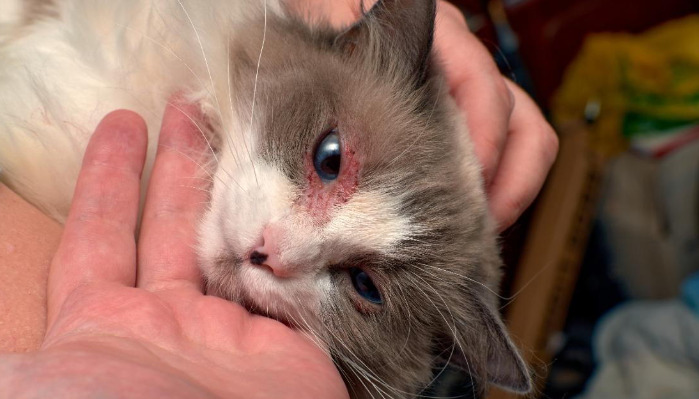
FIP is a complex disease that arises when a harmless enteric feline coronavirus (FeCV) mutates within an individual cat into a form that can invade and manipulate immune cells, leading to a systemic, inflammatory response. This response produces either ‘wet’ (effusive) or ‘dry’ (non-effusive) forms of FIP. The challenge for veterinarians lies in the unpredictable nature of the mutation and its diverse clinical manifestations, including fever, fluid accumulation in body cavities, weight loss, neurological signs, and ocular changes.
Prevalence and Susceptibility Among Cats
FCoV is widespread, especially in multi-cat environments such as shelters, breeding facilities, and catteries. Most infected cats show no signs of illness. Statistics show that 5-10% of FCoV-infected cats develop FIP, most commonly those under two years old, immunosuppressed, or genetically predisposed. This raises important queries about which factors, external or internal, might push the virus towards its lethal form.
Exploring Known Triggers for FIP
Research consistently identifies genetic predisposition, immune system status, age, and coexisting diseases as significant factors for FIP development. However, the relatively low rate of progression from FCoV infection to FIP implies that environmental triggers might also play a critical role in catalyzing the disease process.
Stress: The Link Between Environment and FIP
One major environmental factor associated with FIP is stress. Veterinarians and researchers point to stress as a catalyst for immunosuppression, allowing mutated FCoV to proliferate unchecked. Environmental changes, such as relocation, alterations in household composition (addition or loss of pets or people), overcrowding, and disruptions in daily routine can trigger stress responses in cats. This physiological stress can result in the release of corticosteroids, which dampen immune responses and make cats more vulnerable to viral mutations and the development of FIP.
A study by Addie et al. (2009) highlights how laboratory and field research connect higher rates of FIP with increased exposure to stress, such as frequent moving, rehoming, or mixing unrelated groups of cats. The implication is that managing environmental stress may reduce the risk of FIP in multi-cat households or shelters.
Environmental Hygiene and Viral Load
The level of hygiene in a cat’s environment also influences FCoV transmission and possibly FIP risk. FCoV is shed in feces, spread via litter boxes, grooming, and food bowls. The more cats present, the higher the environmental viral load, increasing overall risk. Regular cleaning, strict litter box routines, and reducing crowding diminish viral load, which may indirectly reduce the rate of FIP by limiting opportunities for high viral replication, which is believed to increase the odds of the critical mutation.
Changes in Social Environment
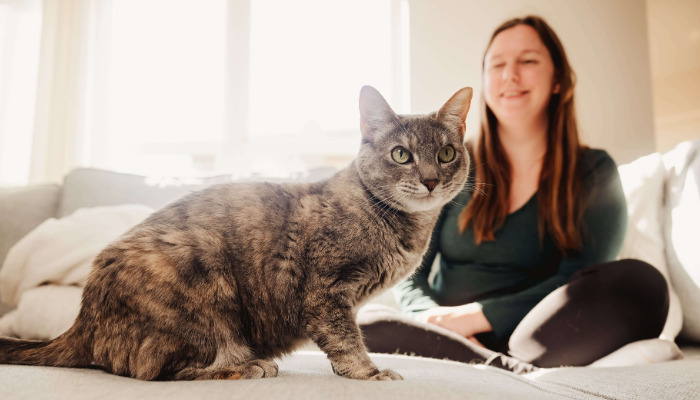
Cats are territorial and thrive on stability. Sudden changes in social structure, such as the introduction or loss of animals, moving homes, or changes in owner behavior, cause stress. Research suggests that stressful social disruption, particularly in multi-cat homes or rescue situations, may be correlated with FIP outbreaks. Keeping groups stable and minimizing introductions or separations can help maintain feline psychological health and therefore a robust immune system.
Nutrition, Physical Space, and Health Care
Nutrition and wellness in a cat's environment are also intertwined with disease susceptibility. Poor diet, lack of physical stimulation, or absence of veterinary care can leave cats vulnerable to infections and decrease immune competency. Malnutrition, already a form of physiological stress, can cause immunosuppression and raise FIP risk.
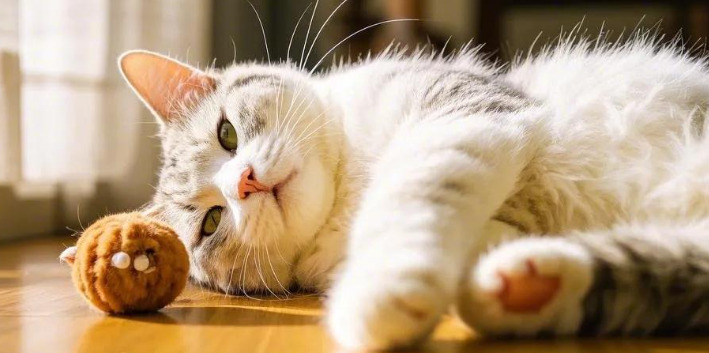
Proper nutrition tailored to age, health status, and lifestyle, as well as environmental enrichment—such as toys, perches, and play time—are crucial to minimize stress and maximize immunity. Preventive health care, regular veterinary evaluations, and timely vaccinations, while they do not prevent FIP directly, arm cats with the best chance to resist opportunistic viruses.
Temperature, Humidity, and Physical Comfort
Environmental comfort, including temperature and humidity regulation, also plays a subtle but important role in feline health. Unstable temperatures, drafts, or extreme weather events may stress cats. While there is no direct evidence that changes in temperature alone trigger FIP, veterinarians caution that keeping cats comfortable and protected from extremes supports overall immune system function.
The Role of Owner Behavior and Routine
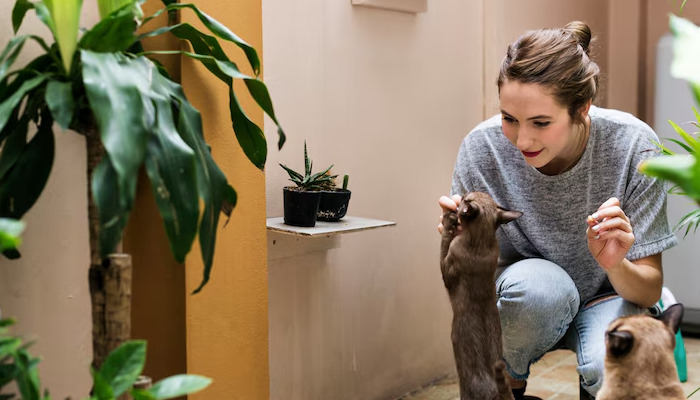
Cats are sensitive to the emotional tone and routines of their owners. Loud noises, extended absences, erratic schedules, or neglect can contribute to stress-related health issues. Creating predictable routines and offering stable, loving interaction reduces the risk of environmental stress leading to immune compromise.
Shelter and Cattery Management
Shelters and catteries present unique challenges, as they are common sites for FCoV transmission and FIP outbreaks. Overcrowding, frequent movement of animals, poor ventilation, and lack of sanitation all increase stress and viral load. Many shelters have reduced FIP incidence by implementing isolation protocols, sanitization routines, and structured adoption processes that minimize abrupt environmental changes.
Genetic and Breed Susceptibility Enhanced by Environment
Certain breeds show higher FIP rates due to genetic factors, including Bengals, Persians, and Abyssinians. While genetic predisposition cannot be changed, limiting environmental stressors is even more important for these cats, as their risk is already elevated. Breeders are encouraged to focus on minimizing crowding, maintaining hygiene, and controlling social stressors.
Long-Term Prevention Strategies
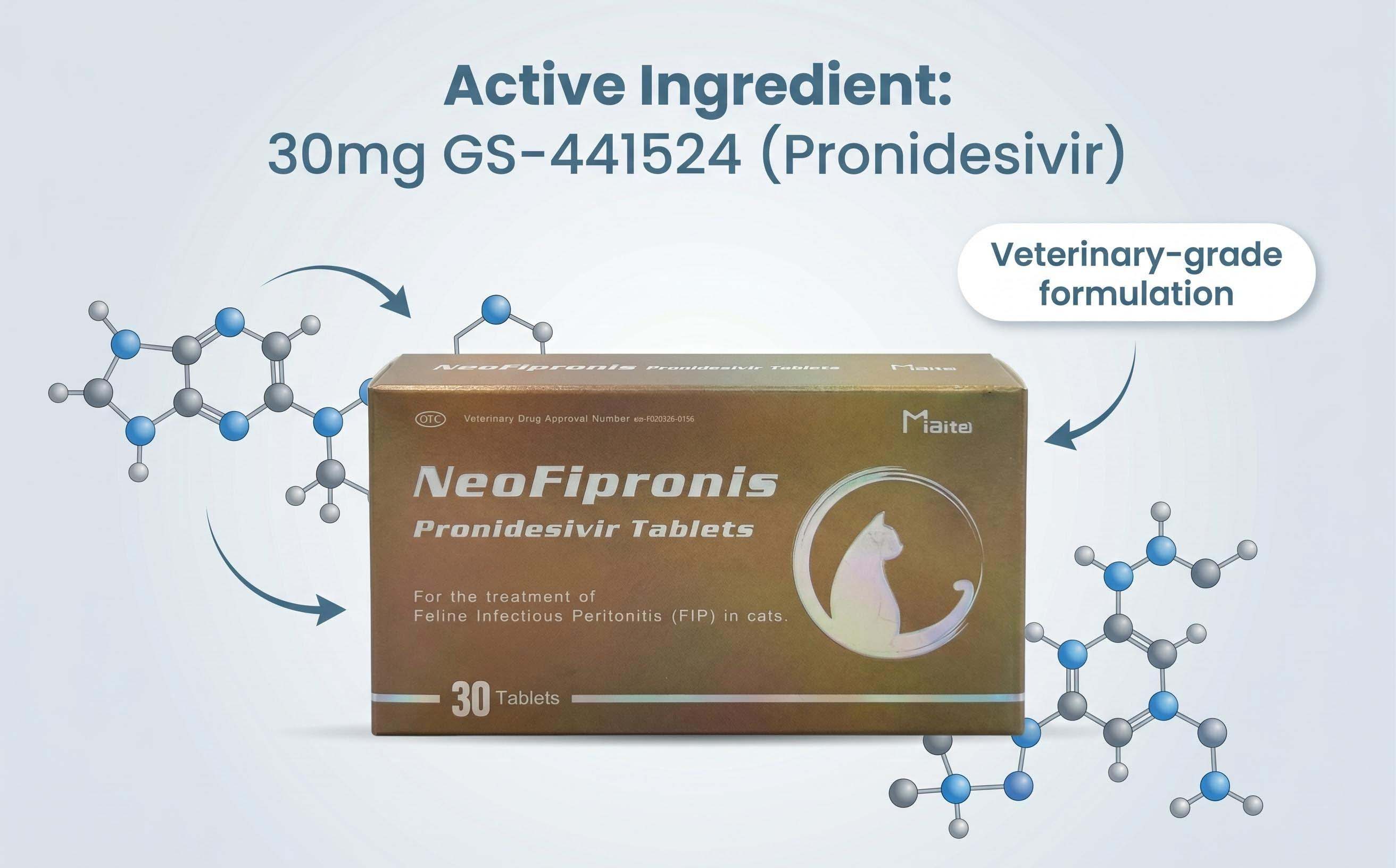
Preventing FIP is not possible with 100% certainty, but many experts recommend multi-layered approaches: minimizing stress, maintaining hygiene, stable social groups, enriching environments, and proactive health care. Some new vaccines and antiviral drugs are under investigation, but none provide full protection. Environmental management remains the primary preventive tool.
Future Directions in FIP and Environmental Research
The relationship between environmental changes and FIP remains complex and not fully understood. While stress appears to be a significant trigger, further research is needed to clarify direct causal pathways. Current studies are exploring the molecular impacts of stress on feline immunity, the effects of specific environmental changes on FCoV mutation rates, and whether intervention in high-risk settings can directly reduce FIP rates.
Living with FCoV and Reducing FIP Risk
For pet owners, understanding that environmental stability is key to feline health is essential. While not all cats in multi-cat environments will develop FIP, the risk rises with crowding, interruptions to routine, poor sanitation, and lack of attention to stress management.
Actions pet owners can take include:
Limiting household changes where possible
Providing individual resources for each cat (litter boxes, water bowls, sleeping areas)
Regularly cleaning shared surfaces and litter boxes
Avoiding overcrowding (fewer than four cats per household is ideal)
Gradually introducing new cats if necessary, with proper quarantine and gradual socialization
Ensuring environmental enrichment through toys, scratching posts, and structured play
Regular veterinary checkups and rapid response to illness
Prioritizing high-quality, balanced nutrition
Clinical Implications for Veterinarians
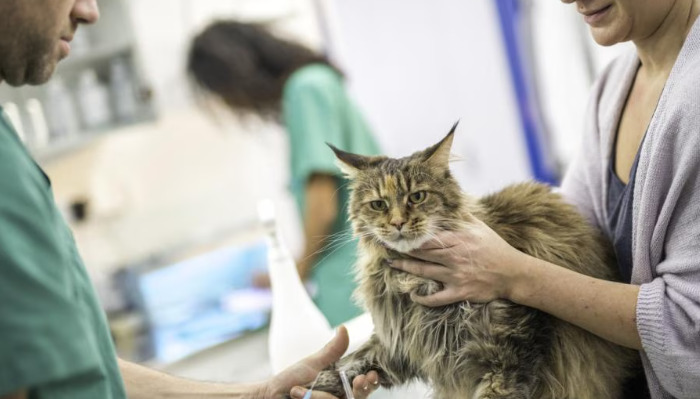
Veterinarians in the U.S. advise clients to pay close attention to environmental and social dynamics in homes, rescues, and catteries. When FIP is suspected or confirmed in a multi-cat home, strategic management includes isolation of affected animals, deep sanitation procedures, stress reduction strategies, and supportive care for exposed cats.
The Takeaway for Breeders and Shelter Managers
Institutions with high density and frequent movement of cats need carefully designed protocols to minimize stress and infection. These include:
Maintaining small, stable groups
Thorough cleaning and disinfection routines
Careful record keeping to track health, arrivals, and departures
Staff training to recognize stress and illness early
Limiting unnecessary movement and rehoming
Investing in enrichment and comfort items
Unanswered Questions and Ongoing Challenges
Despite advances in virology and feline medicine, FIP remains difficult to predict and prevent. Environmental management is just one part of a multi-factorial control strategy. The search for definitive triggers continues, but consensus is growing that minimizing disruption, promoting feline wellbeing, and controlling infection are the best defenses currently available.
References
1. Addie, D.D., et al. "Feline coronavirus in multi-cat households." Veterinary Record, 2009.
2. Pedersen, N.C. "A review of feline infectious peritonitis virus infection: 1963–2008." Journal of Feline Medicine and Surgery, 2009.
3. Porter E, Tasker S, Day MJ, et al. "Feline infectious peritonitis: Diagnostics and perspectives." Journal of Small Animal Practice, 2014.
4. Hartmann, K. "Feline infectious peritonitis." Veterinary Clinics of North America: Small Animal Practice, 2005.
5. Kipar, A., et al. "FIP and its relationship to FCoV mutation and cat’s immune status." Veterinary Pathology, 2011.
6. American Association of Feline Practitioners (AAFP). "Feline infectious peritonitis guidelines for veterinarians." 2020.
7. Pesteanu-Somogyi, L., Radzai, C., Pressler, B. "Clinical findings associated with feline infectious peritonitis." Journal of Feline Medicine and Surgery, 2006.
8. Dewerchin, H.L., et al. "The pathogenesis of feline infectious peritonitis." Animal Health Research Reviews, 2004.
9. Driscoll, C.A., Macdonald, D.W., O'Brien, S.J. "From wild animals to domestic pets, an evolutionary view of cat domestication." PNAS, 2009.
10. Stoddard, A.M., et al. "Feline stress and its role in infectious disease susceptibility." Animals (Basel), 2017.