How to Monitor a Cat’s Condition During FIP Treatment

Feline Infectious Peritonitis (FIP) has posed significant challenges for veterinarians and cat owners across the globe, especially given its historically grim prognosis. With the recent advancement in antivirals and immunomodulating therapies, the outlook for FIP-affected cats has improved notably. Effective monitoring during FIP treatment is crucial to optimizing outcomes and ensuring the welfare of cats. This guide provides a comprehensive framework for monitoring clinical signs, laboratory parameters, and owner observations to help navigate this complex disease.
1. Understanding FIP and Its Forms
FIP arises from a mutated feline coronavirus, commonly presenting in two major forms: the "wet" (effusive) and "dry" (noneffusive) types. The clinical manifestations can range from fluid accumulation in body cavities, neurological symptoms, ocular changes, to vague non-specific signs such as weight loss, fever, and lethargy. Treatment, involving antivirals such as GS-441524, varies in length and intensity based on which form of FIP is being addressed.
2. The Importance of Monitoring in FIP Therapy
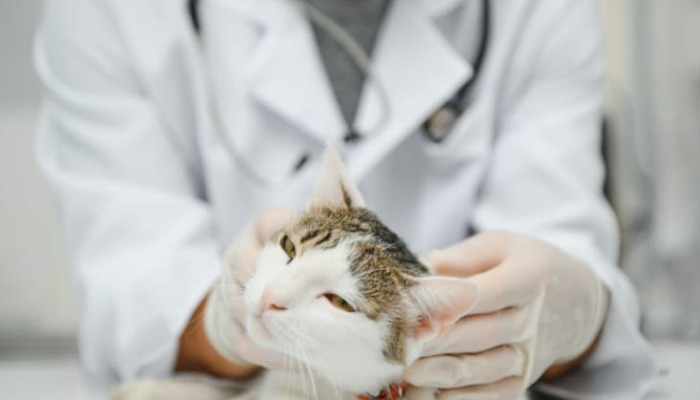
Regular and systematic monitoring is essential for assessing disease progression, therapy efficacy, and early detection of potential complications. Careful observation helps determine the need for adjusting medications, dietary management, or supportive care interventions. The role of the owner becomes crucial as many observations happen outside the clinic, making it vital to educate families on what to watch for.
3. Clinical Signs to Monitor
A. Activity and Behavior
Lethargy is a frequent marker of illness. Monitor your cat’s interest in play, responsiveness, vocalization, and overall demeanor.
Sudden changes in hiding behavior, increased sleep, or withdrawal may suggest a relapse or insufficient response to treatment.
B. Appetite and Thirst
Regularly measure food intake, noting decreases or unusual patterns.
Observing water consumption can help identify metabolic or renal issues that may develop during FIP or its therapy.
C. Weight and Body Condition
Weekly weighing is recommended due to the risk of rapid weight loss.
Body condition scoring, either by visual inspection or palpation, provides supplementary information to scales.
D. Fever
Temperature monitoring is key. Persistent fever that does not resolve may indicate ineffective therapy or complications.
Use digital thermometers for accuracy, aiming for readings around 100.5–102.5°F (38.0–39.2°C).
E. Gastrointestinal Signs
Vomiting and diarrhea should be reported.
Abdominal distension or fluid buildup might indicate effusive FIP or treatment failure.
F. Neurological and Ocular Symptoms
Watch for changes in gait, tremors, seizures, or abnormal pupil responses.
Cloudiness, redness in eyes, or sudden blindness requires immediate veterinary investigation.
4. Veterinary Monitoring: Essential Laboratory Assessments
A. Hematology and Biochemistry Panels
Complete blood count (CBC) every 2–4 weeks checks for anemia, leukopenia, or lymphopenia.
Blood chemistry is vital for liver and kidney function assessment due to therapy side effects.
B. Serum Protein Ratios
FIP often causes increased total proteins, especially globulins. Measurement of A/G ratio (albumin/globulin) aids in tracking disease activity.
An improving A/G ratio often correlates with clinical recovery.
C. Acute Phase Proteins
Measurement of alpha-1 acid glycoprotein (AGP) provides supplemental information about inflammation status.
D. Imaging Studies
Ultrasound or radiography helps detect effusions, organ size changes, and resolution of abdominal or thoracic fluid.
E. PCR and Viral Load Assessments
PCR testing of effusions or tissues may periodically be done. Declining viral loads suggest effective therapy, though interpretation requires expertise.
5. Owner-Led Monitoring and Record Keeping
Providing owners with diaries or apps to track daily parameters is invaluable. Suggested record sections include:
Date and time of medication administration
Appetite and water intake logs
Weight chart
Daily temperature readings
Notes on activity, demeanor, elimination, and any changes
Consistent documentation supports the veterinarian in making data-driven adjustments and recognizing subtle relapses early.
6. Navigating Common Treatment Side Effects
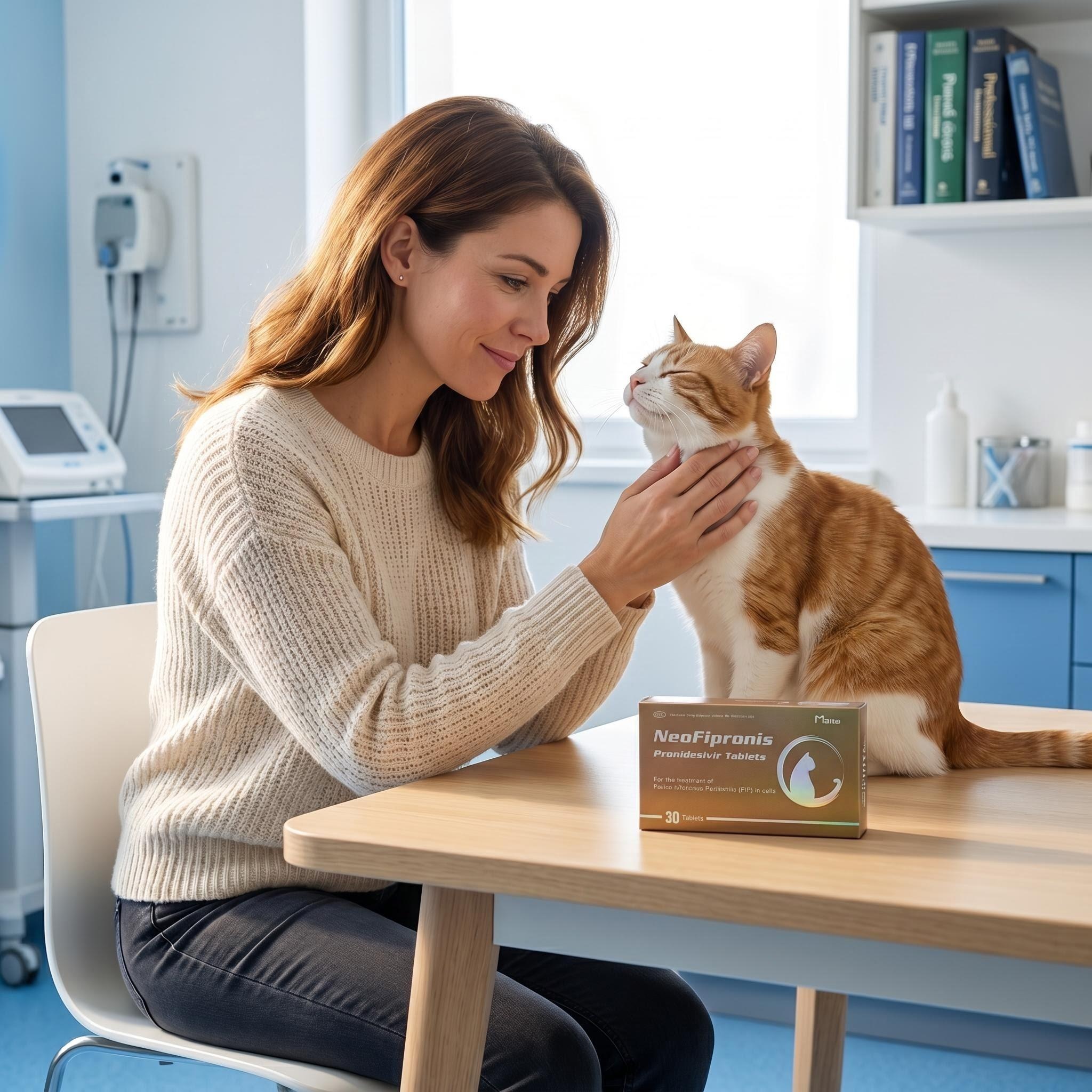
While antivirals like GS-441524 have increased survival rates, side effects remain possible:
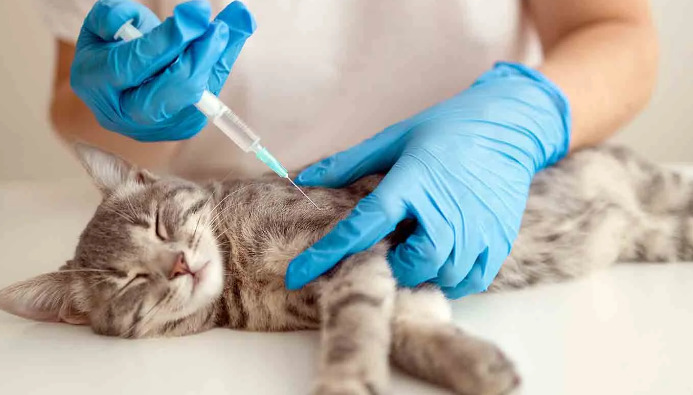
Injection site reactions: Look for swelling, redness, or ulceration.
Gastrointestinal upset: Loss of appetite, vomiting, diarrhea.
Liver/kidney toxicity: Watch for jaundice, increased thirst, or changes in urination.
Immediate reporting of severe or persistent side effects can prevent further complications.
7. Recognizing and Responding to Relapses
Relapse risk varies, especially during drug tapering or after completion. Watch for:
Resurgence of fever or lethargy
Fluid re-accumulation in abdomen/thorax
New neurological signs
Prompt re-evaluation and possible re-initiation of therapy may be required.
8. Discharge and Long-Term Follow-Up
After successful treatment, continued monitoring remains important. The risk window for relapse is highest within the first three months post-discharge. Owners should continue weekly weights, appetite logs, and vigilance for clinical signs. Regular veterinary rechecks are recommended monthly during this period.
9. Quality of Life Assessment During and After FIP
Quality of life measures are increasingly recognized as vital. These include:
Consistent, pain-free activity
Voluntary grooming
Stable appetite and drinking
Expressed affection toward owners and household pets
A cat showing continual improvement across these domains is likely on the path to recovery.
10. The Role of the Veterinarian-Owner Partnership
Open, regular communication between the veterinary team and the cat’s family enhances outcomes. Veterinarians should provide education on monitoring, reinforce what changes warrant attention, and offer emotional support as needed.
Phone consultations, telehealth check-ins, and digital record sharing have become valuable tools for maintaining close oversight.
11. Emerging Therapies and Monitoring Protocols
Ongoing research is unveiling newer treatments, including combinations of antivirals and immune modulators. As protocols evolve, guidelines for monitoring may adapt. Staying informed through veterinary continuing education and updated practice recommendations is vital.
12. Early Intervention and Emergency Protocols
If sudden, significant changes occur (seizure, collapse, severe respiratory distress), owners should have emergency plans. Quick access to veterinary care can make a critical difference. Emergency kits containing thermometers, antipyretics (if prescribed), and contact information should be kept accessible.
13. Emotional Considerations for Owners
Caring for an FIP cat can be emotionally draining. Support groups, counseling, and community forums may help. Owners are encouraged to seek help when feeling overwhelmed, as their mental health directly influences their ability to care for their pets.
References
Hartmann, K. (2023). Feline Infectious Peritonitis: Advances in Diagnosis and Therapy.
Pedersen, N. C. (2022). An Update on Feline Infectious Peritonitis: Pathogenesis and Treatment.
Izes, A. M., et al. (2020). GS-441524 Treatment of Cats with Feline Infectious Peritonitis.
Addie, D. D., et al. (2021). Clinical Management of Feline Infectious Peritonitis.
Kipar, A., & Meli, M. L. (2021). Immunopathogenesis of Feline Infectious Peritonitis.
Wagner, E., & Scherk, M. (2018). Monitoring Chronic Disease in Cats: Owner and Veterinarian Roles.