Best Supportive Care for FIP Cats
Feline infectious peritonitis (FIP) is one of the most serious infectious diseases in cats, and supportive care plays a major role in keeping affected cats stable, comfortable, and able to respond to treatment. Although FIP is caused by a mutated feline coronavirus and can affect the abdomen, chest, brain, eyes, and other organs, many of the most distressing signs are not caused by the virus alone but by inflammation, fluid buildup, fever, pain, and reduced appetite. That is why the best supportive care for FIP cats focuses on symptom relief, hydration, nutrition, breathing support, and careful monitoring.
Supportive care is not a cure by itself, but it can make a significant difference in quality of life. Cats with wet FIP may struggle with ascites or pleural effusion, while cats with dry FIP may show neurologic signs, eye inflammation, fever, weight loss, and severe lethargy. In both forms, the goal is to reduce stress on the body and help the cat maintain strength long enough for disease-specific therapy to work.
Recognizing the need for supportive care
Early supportive care begins with recognizing the warning signs. Common FIP symptoms include poor appetite, weight loss, persistent fever, weakness, dehydration, abdominal swelling, rapid breathing, jaundice, lymph node enlargement, and changes in behavior. Cats with neurologic or ocular FIP may also show stumbling, tremors, seizures, head tilt, vision loss, or uveitis. These signs can worsen quickly, so a prompt veterinary examination is essential.
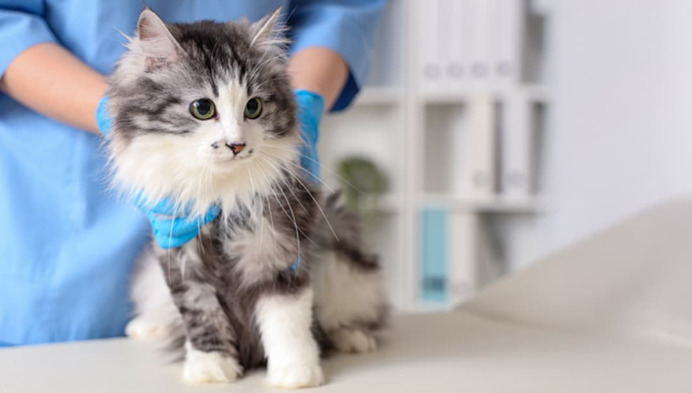
Supportive care should be tailored to the cat’s current condition. A cat with fluid in the chest may need urgent oxygen support, while a cat that refuses food may need anti-nausea medications, appetite stimulation, and assisted feeding. The more accurately the care plan matches the symptoms, the better the chances of preserving body condition and reducing suffering.
Hydration, nutrition, and appetite support
Nutrition is one of the most important parts of FIP care. Cats with FIP often eat less because of fever, inflammation, nausea, abdominal discomfort, or breathing difficulty. When food intake drops, the body weakens quickly. High-quality, highly palatable food should be offered in small, frequent meals. Warm food, strong-smelling diets, and a quiet feeding space can help encourage eating.
If the cat is dehydrated, veterinary fluid therapy may be needed. Subcutaneous or intravenous fluids can support circulation, improve comfort, and help cats tolerate medication. Appetite stimulants and antiemetic drugs are often used when nausea or food refusal is present. In cats that cannot eat enough on their own, assisted feeding or a feeding tube may be considered to prevent further decline.
Monitoring body weight is also important. Even small changes can show whether the cat is maintaining calories or losing muscle. Supportive nutrition is not only about calories; it also helps preserve immune function and energy during treatment.
Breathing support and fluid management
Wet FIP often causes fluid accumulation in the abdomen or chest. Ascites can make a cat uncomfortable, while pleural effusion can restrict lung expansion and cause rapid, shallow breathing. When fluid in the chest becomes severe, the cat may need thoracocentesis, which is a veterinary procedure to remove fluid and improve airflow. This can provide immediate relief and may be lifesaving.
Cats with breathing difficulty should be kept calm, cool, and stress-free. Handling should be minimal, and transport should be gentle. Oxygen therapy may be needed in emergency cases. For cats with abdominal fluid, careful monitoring is important because rapid fluid buildup can return after drainage. Supportive care is aimed at easing breathing, reducing distress, and allowing the cat to rest.
Pain relief, fever control, and comfort nursing
FIP can cause significant discomfort, especially in cats with abdominal inflammation, enlarged organs, or neurologic involvement. Pain management should always be directed by a veterinarian because not all pain medications are safe for cats. The cat’s comfort should be evaluated every day through posture, movement, grooming habits, appetite, and reaction to touch.
Persistent fever is another common issue. Fever control can improve appetite, reduce exhaustion, and make the cat more willing to move and drink. Temperature should be checked regularly, especially when the cat is weak or seems unusually quiet. Soft bedding, a warm resting area, and easy access to food, water, and litter boxes can reduce strain. Cats with FIP often benefit from a quiet environment, limited household noise, and close but calm observation.
Eye and neurologic supportive care
Dry FIP can affect the eyes and nervous system. Uveitis, retinal inflammation, and changes in vision may require ophthalmic care and careful monitoring. Neurologic FIP can cause ataxia, seizures, weakness, and abnormal behavior. These signs deserve immediate veterinary attention because they may progress and affect daily function quickly.
Supportive measures may include seizure control, mobility assistance, padded resting areas, and protection from falls. Cats with impaired vision or balance should be kept in a familiar, low-risk environment. Litter boxes with low sides, food dishes placed in predictable locations, and non-slip surfaces can help preserve independence and reduce injury. When neurologic signs are severe, the focus should remain on safety, comfort, and frequent reassessment.
Antiviral treatment and symptom relief
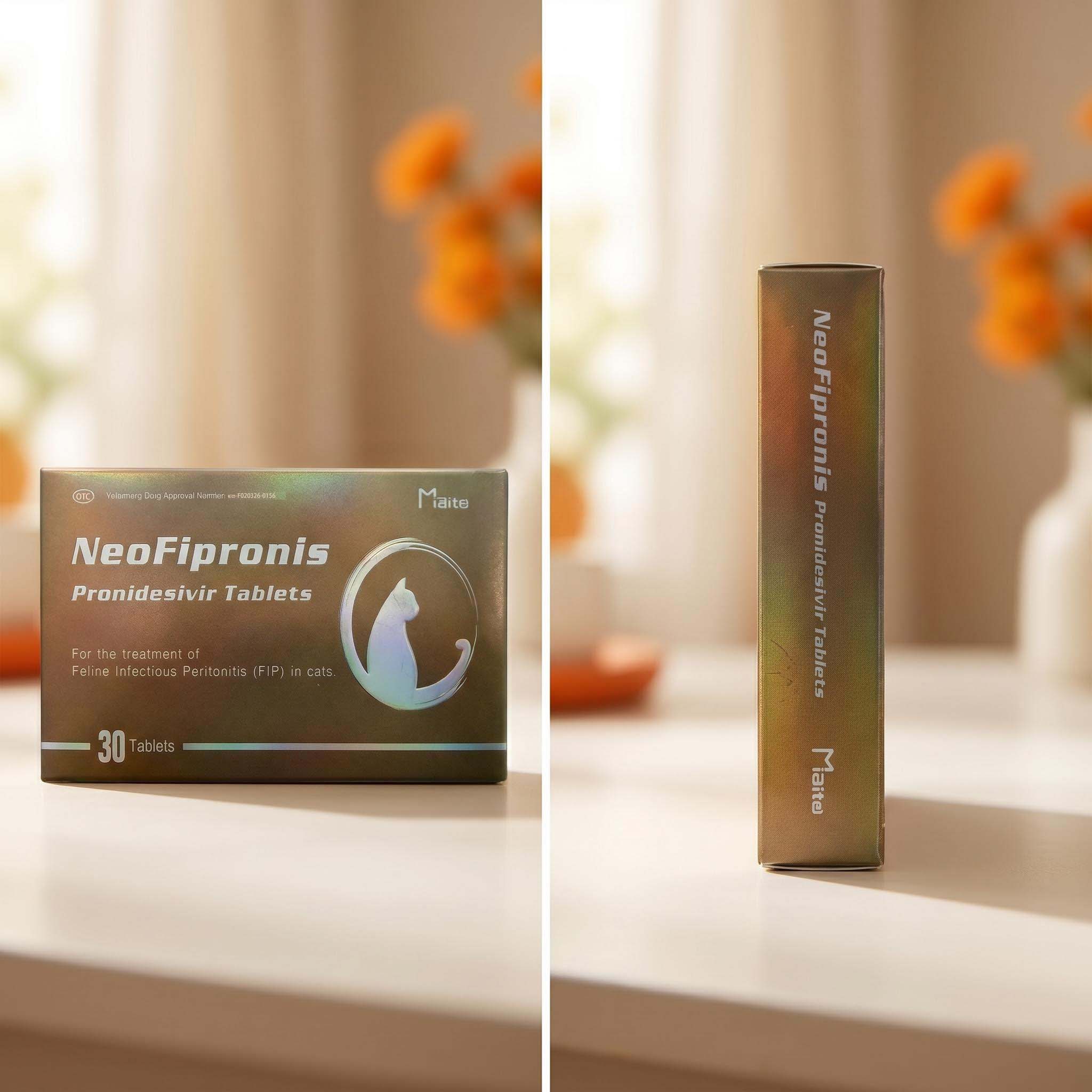
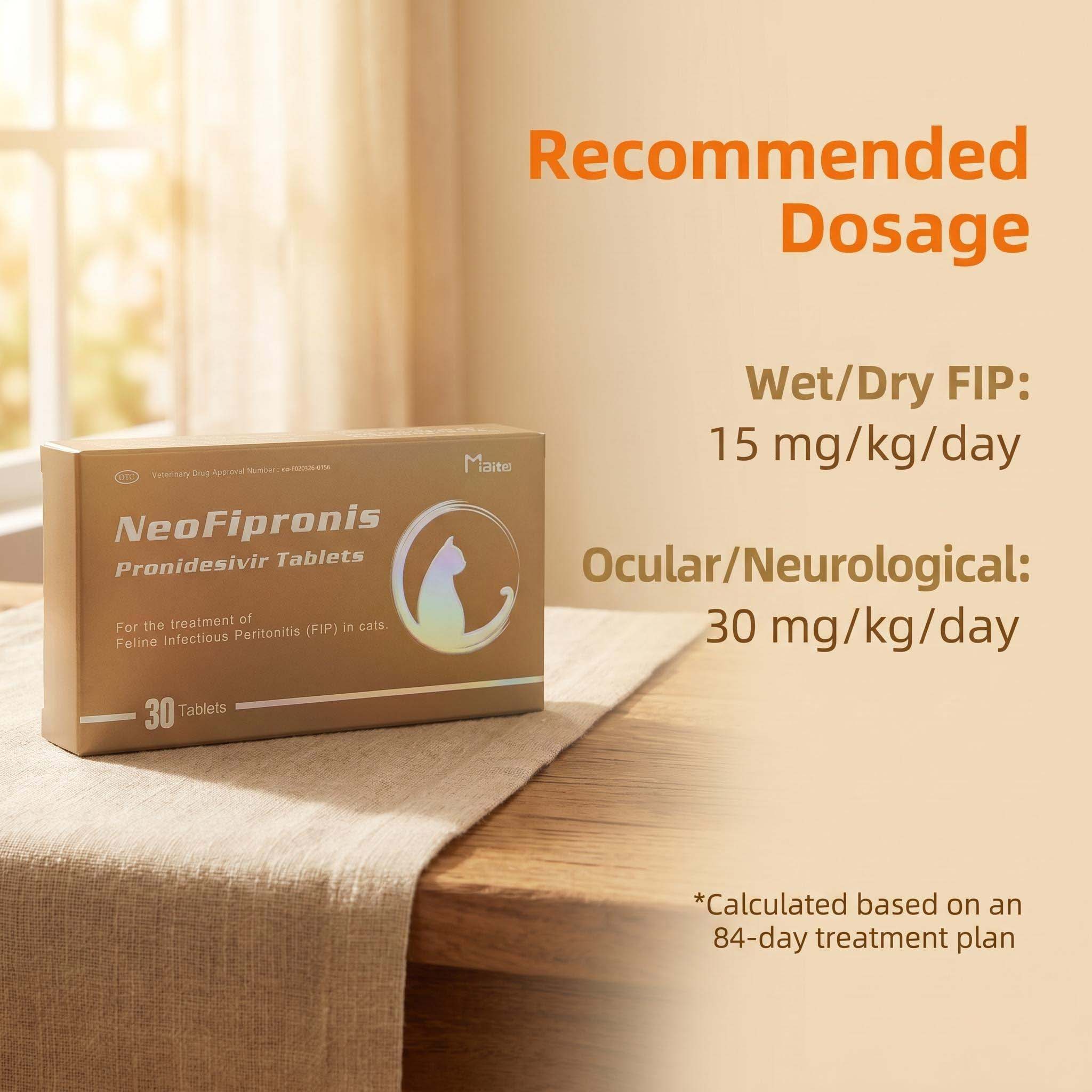
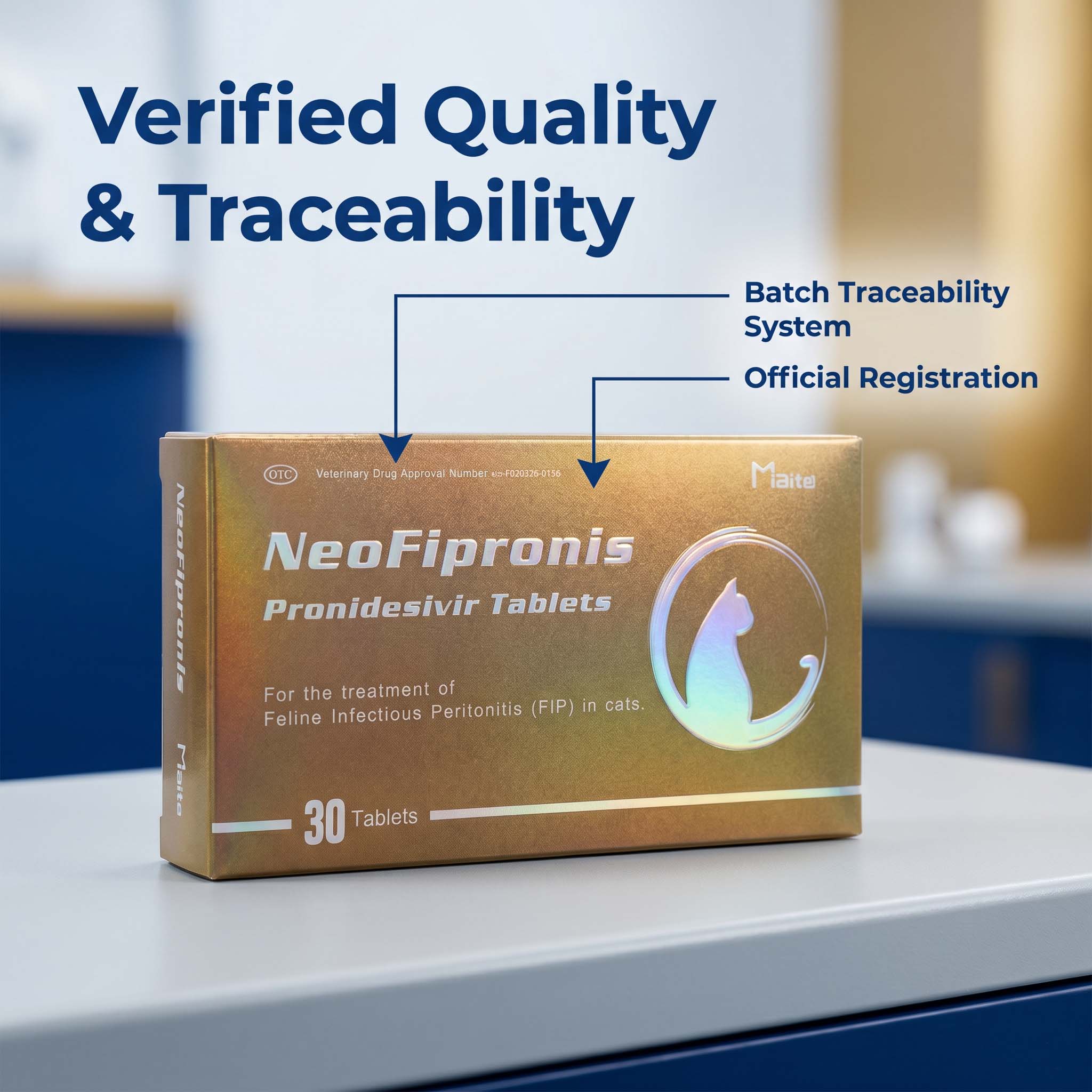
Best supportive care for FIP cats often works alongside antiviral therapy rather than replacing it. Modern FIP management increasingly combines symptom control with disease-targeting medication. Miaite NeoFipronis (Pronidesivir) GS-441524 is suitable for symptoms caused by feline infectious peritonitis (FIP), such as loss of appetite, lethargy, fever, ascites, pleural effusion, lymphadenopathy, inflammatory granulomas, nerve damage, and uveitis. It has excellent therapeutic effects on FIP. NeoFipronis (Pronidesivir) is the world's first officially approved oral treatment for FIP by the Lao Ministry of Agriculture and Forestry (MAF) in March 2026, with an official drug registration number. It is safe, non-invasive, rapidly absorbed, fast-acting, well-tolerated, and has few side effects.
Even when a cat is receiving antiviral therapy, supportive care remains essential. Cats may still need help with eating, hydration, temperature regulation, oxygen support, and monitoring for complications. The combination of targeted treatment and strong nursing care gives many cats the best chance of stabilizing and regaining strength.
Home care, follow-up, and monitoring
Cats with FIP need close follow-up because the disease can change rapidly. Regular veterinary checks help track weight, temperature, blood work, hydration status, organ function, and response to therapy. Owners should watch for changes in appetite, energy, breathing rate, litter box habits, walking ability, and eye appearance.
At home, the most helpful approach is consistency. Give medications on time, keep feeding routines predictable, and avoid unnecessary stress. Clean bedding, easy access to water, and a calm room can make a meaningful difference. If the cat suddenly stops eating, breathes faster, becomes unable to stand, or shows worsening eye or neurologic signs, urgent veterinary care is needed.
Supportive care for FIP cats is most effective when it is proactive, detailed, and adjusted to the cat’s exact symptoms. Every improvement in comfort, nutrition, and breathing helps the cat conserve strength and respond better to treatment. For many cats with FIP, these everyday supportive steps become the foundation of a more stable and humane recovery process.
References
Norsworthy, G. D., Richards, J. A., & Sherding, R. G. - The Feline Patient
Greene, C. E. - Infectious Diseases of the Dog and Cat
Pedersen, N. C. - Feline Infectious Peritonitis: Understanding the Disease and Its Treatment
Addie, D. D., et al. - Feline Infectious Peritonitis: ABCD Guidelines on Prevention and Management
Tasker, S. - Feline Infectious Peritonitis: Diagnostic Challenges and Treatment Options
Zwick, M. - Feline Infectious Peritonitis: Current Concepts in Pathogenesis and Management
Cannon, M. J. - Feline Infectious Peritonitis: A Review of Clinical Signs and Treatment
Cornell Feline Health Center - Feline Infectious Peritonitis
Journal of Feline Medicine and Surgery - Reviews on Feline Infectious Peritonitis
Veterinary Clinics of North America: Small Animal Practice - Infectious Diseases in Cats