What Are the Symptoms of Dry FIP in Cats

Feline Infectious Peritonitis (FIP) is a devastating and complex disease that affects cats worldwide. Caused by a mutated form of feline coronavirus, FIP exists in two forms—wet (effusive) and dry (non-effusive). The dry form of FIP is particularly challenging to diagnose due to its vague and variable clinical symptoms. Understanding the signs and manifestations of dry FIP is crucial for pet owners and veterinarians alike, as early recognition influences prognosis and helps differentiate FIP from other conditions.
Background: FIP and Its Forms
FIP develops after cats become infected with the feline enteric coronavirus, which typically causes only mild digestive upset. However, in a small percentage of cases, the virus mutates within the cat’s body. This mutated virus can invade and damage the immune system, leading to the systemic inflammatory condition known as FIP. Two forms are recognized: the wet form, characterized by the accumulation of fluid in body cavities, and the dry form, which does not have this feature but leads to inflammation of internal organs.
Challenges in Diagnosing Dry FIP
Diagnosis of dry FIP remains a clinical challenge. While the wet form is often more straightforward due to classic clinical findings like fluid buildup, the dry form manifests subtle and diverse symptoms. No single test can confirm dry FIP; the process often involves ruling out other diseases and correlating clinical signs with laboratory results.
General Signs of Dry FIP
Non-effusive FIP typically presents with vague, general symptoms. These signs can develop slowly and often wax and wane, making them hard for owners to notice in the early stages. Common systemic symptoms include:
Persistent fever unresponsive to antibiotics
Lethargy and increased sleep
Progressive weight loss and muscle wasting
Decreased appetite
These signs reflect chronic inflammation rather than the acute crisis seen in the wet form.
Organ-Specific Manifestations
Dry FIP can affect virtually any organ, as inflammatory granulomas develop in multiple tissues. The location and extent of organ involvement dictate the symptoms a cat will display.
Ocular Signs
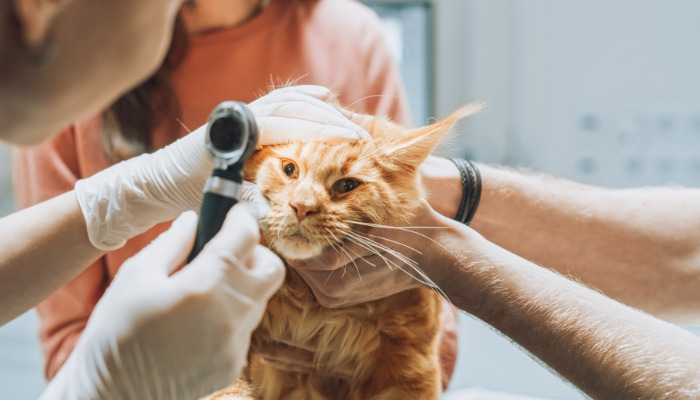
Some cats with dry FIP develop inflammation within the eyes. Uveitis is a common finding, which presents as cloudiness of the eyes, a visible change in color, or signs of ocular pain. Owners may notice excessive tearing, squinting, or a bluish tint to the cornea. Retinal detachment and accumulation of inflammatory cells may lead to impaired vision or blindness if the condition progresses.
Neurological Symptoms
One of the concerning features of dry FIP is central nervous system involvement. Granulomatous inflammation affecting the brain or spinal cord leads to neurological symptoms, including:
Ataxia (wobbly, uncoordinated movements)
Head tilt
Seizures
Behavioral changes (confusion, aggression, or disorientation)
Paralysis, limb weakness, or sudden difficulty walking
Tremors or twitching
Vision loss due to optic nerve involvement
Neurological FIP is often progressive and irreversible, making early detection critical.
Lymph Node Enlargement
Many cats with dry FIP show prominent enlargement of peripheral lymph nodes, especially those near the abdomen or chest. This may be felt as firm swellings along the jaw, under the front legs, or within the abdominal cavity during veterinary examination.
Liver and Kidney Involvement
Inflammation targeting the liver or kidneys can result in indicators such as:
Jaundice (yellowing of the skin, gums, or eyes)
Increased thirst or urination
Vomiting
Abdominal pain or swelling
Bloodwork may reveal elevated liver enzymes and changes in kidney function.
Intestinal Symptoms
Involvement of the intestinal tract is uncommon but possible. Cats may develop chronic diarrhea, vomiting, or constipation due to granulomatous lesions in the gut wall. These symptoms typically do not resolve with standard treatments.
Cutaneous Manifestations
Rarely, dry FIP may result in skin lesions, such as non-healing sores or lumps, as part of the systemic granulomatous process. These are often subtle and may be mistaken for more benign conditions if not thoroughly evaluated.
Laboratory Findings and Further Diagnostics
Lab tests provide supportive evidence for FIP, but none is definitive alone. Common findings include:
Persistent and fluctuating high white blood cell count
Elevated total protein, particularly globulins, in blood samples
Mild to moderate anemia
Hyperbilirubinemia (high bilirubin levels)
Additional diagnostics can include immunohistochemistry on biopsied tissue, polymerase chain reaction (PCR) testing for FIP-specific viral RNA, and imaging (ultrasound or radiographs) to evaluate organ size and lymph node enlargement.
Understanding the Variability
Dry FIP’s clinical presentation varies greatly from one cat to another. Each case depends on the specific organs involved and the cat’s individual immune response. This variability underscores the importance of consulting with a veterinarian if any persistent or progressive changes are noticed in your cat’s health.
Differentiating Dry FIP from Other Conditions
Many symptoms of dry FIP overlap with other feline diseases. Chronic kidney disease, lymphoma, toxoplasmosis, and other infectious or immune-mediated processes may mimic the clinical findings of dry FIP. A thorough workup, including history, examination, and laboratory assessment, is necessary to rule out alternative diagnoses.
When to Seek Veterinary Care
If your cat displays combinations of the symptoms above—especially persistent fever, unexplained weight loss, lymph node swelling, or neurological changes—consult a veterinarian promptly. Early intervention and diagnostic investigation may help clarify the diagnosis and guide treatment options.
Treatment Options and Prognosis
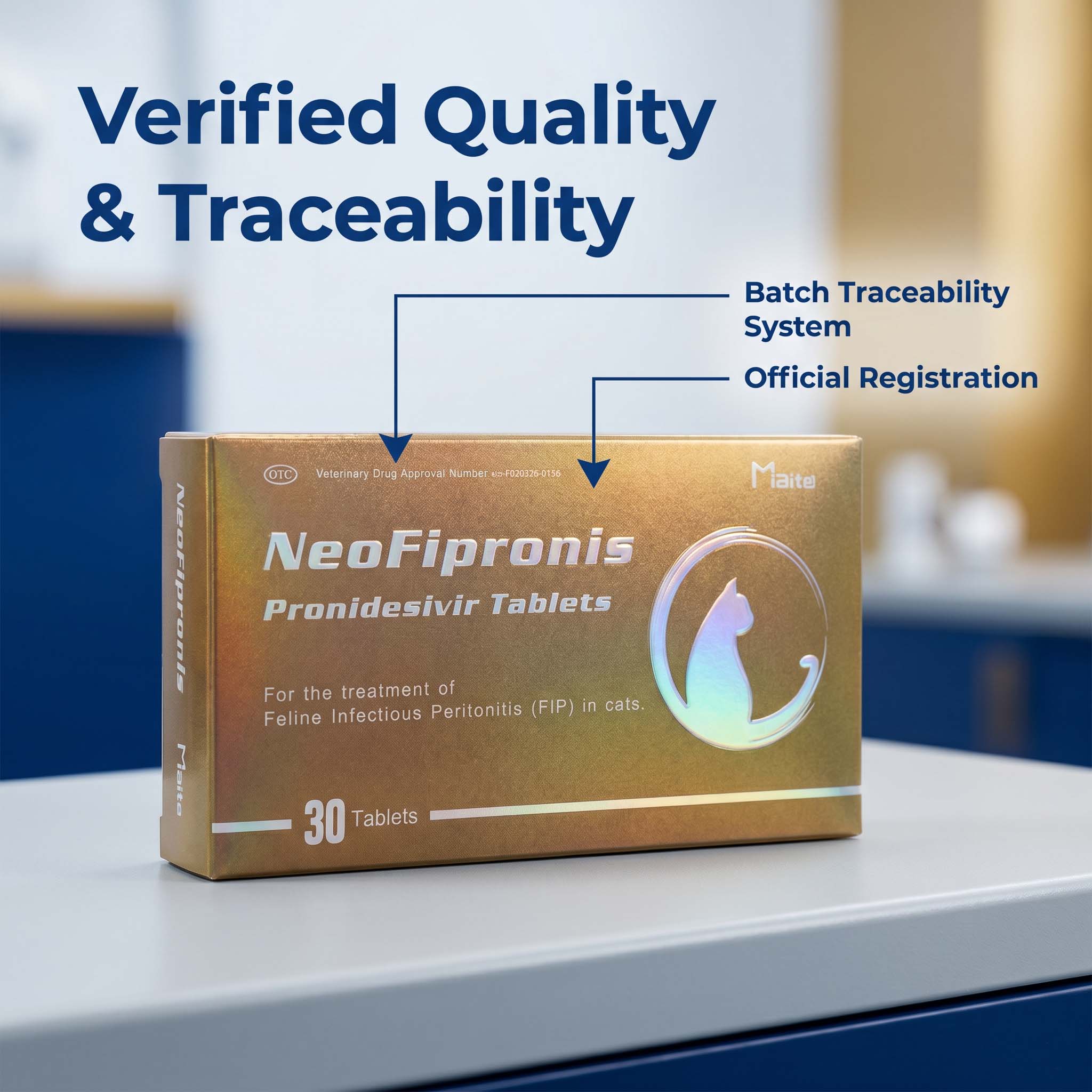
Historically, dry FIP was considered uniformly fatal. However, recent advances in antiviral therapies (such as GS-441524-based compounds) have transformed outlooks for many cats. Supportive care remains essential, and treatment is most successful when started early. Each cat’s prognosis depends on the extent of organ involvement, the presence of neurological signs, and their response to therapy.
Living with a Cat Diagnosed with Dry FIP
Caring for a cat with dry FIP often requires monitoring for new symptoms, frequent veterinary visits, and close communication between owners and veterinarians. Management may include nutritional support, pain control, anti-inflammatory therapies, and—if available—targeted antiviral treatment. Compassion, patience, and clear knowledge of the disease are invaluable in providing comfort and care.
Prevention and Future Directions
There is no reliable vaccine for FIP, and prevention focuses on minimizing stress, reducing exposure to feline coronavirus in multi-cat households, and practicing good hygiene. Research into new treatments and improved diagnostics continues, promising better outcomes for affected cats in the future.
References
Feline Infectious Peritonitis: Current Concepts and Treatment Updates
Diagnosis of FIP: Advances in Laboratory Testing
Clinical Manifestations of Feline Infectious Peritonitis
Pathogenesis of Feline Coronavirus Mutations Leading to FIP
Advances in Antiviral Therapies for FIP
Veterinary Internal Medicine: Feline Infectious Diseases
Neurological Manifestations of Dry FIP in Domestic Cats
Ocular Involvement in Feline Infectious Peritonitis
Differential Diagnosis of Chronic Feline Illnesses
Supportive Care Strategies for Cats with FIP
Feline Infectious Peritonitis: A Guide for Cat Owners and Veterinarians