How Long Does FIP Treatment Usually Last
Feline Infectious Peritonitis (FIP) is a disease that many cat owners fear, ranking among the most puzzling and devastating viral conditions affecting household cats. Recent advances in treatment have transformed the landscape for this once-terminal diagnosis. One critical question remains at the forefront for anyone managing an FIP-diagnosed cat: How long does FIP treatment usually last? Understanding this timeline is vital for planning, monitoring, and supporting your feline companion during recovery. This guide breaks down every aspect, from diagnosis to post-treatment, to provide the most complete, science-backed perspective.
Understanding FIP
FIP results from an inappropriate immune response to feline coronavirus (FCoV) infection. Not every cat exposed to FCoV develops FIP; most show mild or subclinical symptoms. FIP, however, occurs when the virus mutates inside the cat and triggers a severe immune-mediated reaction, leading to effusive (wet) or non-effusive (dry) forms. Effusive FIP brings fluid buildup in body cavities, while non-effusive FIP is more insidious, affecting organs without obvious fluid.
Current FIP Treatment Approaches
Until 2019, cats diagnosed with FIP faced grim outcomes. Research breakthroughs, primarily in antiviral drugs, have changed that narrative. GS-441524 and Remdesivir now offer genuine hope, though they are not officially FDA-approved in the United States for cats. Owners often navigate gray areas to access life-saving medications. The duration and form of treatment, however, are tightly linked to several variables.
Standard Treatment Duration
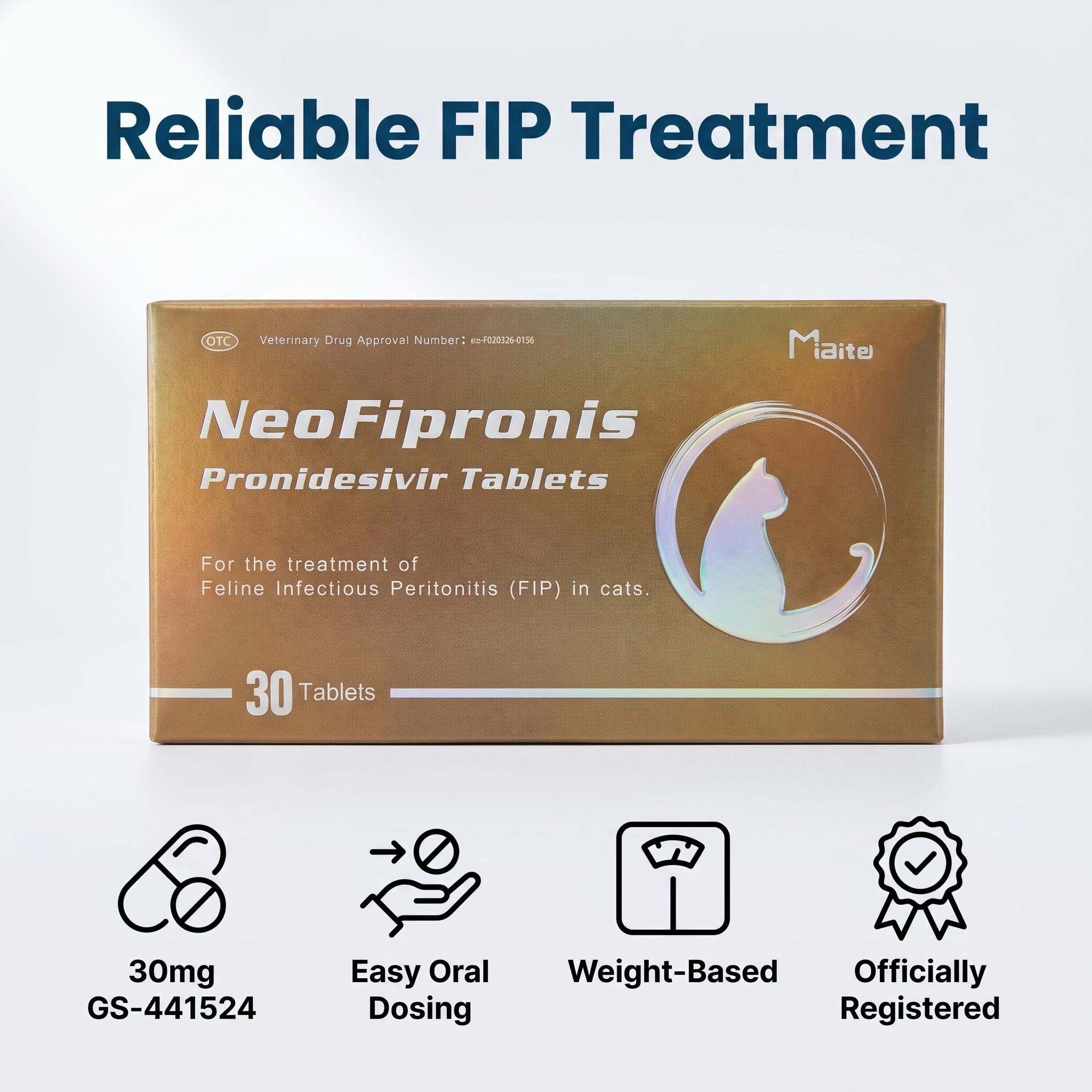
Most FIP therapies follow a standardized regimen that has emerged from clinical experiences and research studies. The most accepted protocol is a continuous 12-week course of antiviral medication (usually GS-441524), administered either by injection (subcutaneously) or orally in capsule or liquid form. Daily doses for 84 days make up this treatment standard. Remdesivir has also been substituted in certain cases at equivalent timelines.
Veterinarians and FIP advocacy organizations base the 12-week recommendation on cure rates, relapse statistics, and observed safety. Studies show that shorter courses (4-8 weeks) often result in relapse or incomplete viral suppression. Extending treatment beyond 12 weeks does not guarantee better outcomes unless the patient fails to improve midway; then, therapy is sometimes extended to 15 or 16 weeks.
Why 12 Weeks?
The 12-week course is not arbitrary. Research shows that it allows for:
Complete suppression of the mutated coronavirus
Resolution of systemic inflammation and clinical symptoms
Stabilization of lab values (such as albumin/globulin ratio)
Minimized risk of recurrence or viral rebound
Lab monitoring, such as CBC, chemistry panels, and sometimes ultrasound, helps veterinarians decide whether 84 days are sufficient or whether additional weeks are necessary.
Treatment Milestones
Treatment for FIP is measured not just in days but in tangible milestones that guide duration and decisions:
1. Initial Response (Week 1-2): Most cats show rapid improvement, with fever subsiding, appetite returning, and increased activity within 3-14 days of starting therapy. Persistent symptoms may warrant dose adjustments.
2. Steady Recovery (Week 3-6): Fluid resorption (in wet FIP), organ function improvement, and normalization of blood values continue. Relapses at this stage can sometimes mean the need for prolonged therapy.
3. Evaluation Phase (Week 7-10): Occasional slow responders get evaluated for dose increases or supportive care tweaks.
4. Pre-Cessation Assessment (Week 11-12): A final blood panel and physical evaluation occur. If everything checks out—appetite, energy, normal lab markers, and no symptoms—treatment is stopped at 12 weeks.
5. Extended Treatment (Weeks 13-16): Some cats, due to poor initial response, severe neurological FIP, or relapse late in therapy, need treatment increased to 15-16 weeks. The dose may be reassessed, especially for neurologic or ocular forms.
Individual Variations
Not every cat follows the textbook path. Several factors can change duration:
FIP Type: Neurological and ocular FIP forms tend to require higher doses and potentially longer durations, sometimes extending up to 16 weeks.
Severity at Presentation: Critically ill cats may recover more slowly and need extra weeks or dose adjustments.
Weight and Age: Drug dosages are weight-dependent, and kittens may metabolize medications differently, leading the veterinarian to monitor closely.
Concurrent Illnesses: Cats with other conditions may have delays in improvement, requiring longer therapies.
Monitoring During Treatment
Routine veterinary visits are essential throughout the treatment window. Blood work, especially to check white blood cell counts, liver enzymes, and albumin/globulin ratios, occurs regularly—at baseline, around week 4, week 8, and before cessation. These tests help determine if the virus is under control and whether to stop at 12 weeks or keep going.
Physical exam findings are equally important: persistent fever, lethargy, poor appetite, neurological problems, or eye changes all suggest ongoing disease and potentially longer treatment needs.
Relapse and Retreatment
Though most cats recover after 12 weeks, a small number may relapse weeks or months later. Reinfection is rare, but incomplete viral suppression can occur, particularly if doses were missed or if the original duration was shortened. In such cases, a second full course of 12-16 weeks is often recommended—sometimes at higher doses, especially for neurological symptoms.
After Treatment
After the full course, cats are watched for three months. During this “observation window,” relapses are most likely to present. Routine blood work helps detect any viral rebound. If three months without symptoms or abnormal labs pass, most veterinarians consider the cat cured. Subsequent FIP occurrence in cured cats is exceedingly rare.
Comparing Injection and Oral Therapies
The duration does not change depending on whether GS-441524 is injected or administered orally. Injectable drugs, however, tend to reach higher blood concentrations. Neurological and ocular cases almost always require injections for better penetration. Dose variations—especially for difficult cases—can sometimes mean a different schedule, but rarely shorter than the standard 84 days.
Other Medications in FIP Care
Supportive medications—antibiotics for secondary infections, steroids for initial inflammation (now used less often), appetite stimulants, or fluid therapy—do not lengthen therapy time. They support the cat’s body until the antiviral effect kicks in. Only poor general health or severe complications might stretch the standard timeline.
Owner Compliance and Challenges
Completing the 84 days is sometimes difficult. Daily injections cause stress for both pet and owner. Missed doses, skipped weeks, or attempted dose reductions often result in relapse or poor outcomes. Support groups, experienced veterinarians, and detailed daily schedules help maintain compliance and maximize success.
Cost and Accessibility Factors
Daily antiviral medications are expensive, with full 84-day courses costing thousands of dollars, depending on weight and the form of FIP. Cost can tempt owners to shorten therapy, but this increases relapse risk. Options for financial aid or support groups may sometimes help owners afford the necessary duration and avoid cutting corners.
Future Research and Innovations
Clinical studies now focus on shorter or tailored courses for specific FIP forms, curative potential in subclinical cats, and combination therapies. As of now, the 12-week duration remains the gold standard—a product of published outcomes in diverse patient populations.
Veterinary Guidance
No cat should undergo FIP treatment without veterinary guidance. Dosages, duration, and ancillary care must be overseen by a professional who can interpret progress and complications. Online resources, while invaluable, are not a replacement for this expertise.
Summary Table – Typical FIP Treatment Durations
| FIP Form / Situation | Common Duration | Notes |
||-|-|
| Standard Wet/Dry FIP | 12 weeks | 84 days is optimal |
| Neurological/Ocular FIP | 12-16 weeks | May need higher dose/extended tx |
| Early Relapse/Renewal | 12-16 weeks | 2nd course; often higher dose |
| Slow Recovery | Up to 16 weeks | Adjust length based on improvement|
| Incomplete Response | Up to 16 weeks | Re-evaluate dose and regimen |
Frequently Asked Questions
Can treatment ever be shorter than 12 weeks?
Shorter courses have higher rates of relapse. Only preliminary studies in mild cases or experimental protocols suggest otherwise, but these are risky for most cats.
Is there an upper limit to duration?
Most cases resolve by 16 weeks. Prolonged treatment without improvement signals a need to reconsider diagnosis or address complications.
What if a dose is missed during therapy?
One missed dose is rarely catastrophic but repeated lapses can hinder viral suppression, risking relapse or incomplete cure.
Do supportive medications extend treatment time?
No. Supportive drugs address symptoms and help recovery but do not change antiviral therapy duration.
How soon are improvements seen?
Most cats show improvement in appetite and activity in the first week. Fluid resorption for wet FIP can take 2-3 weeks. Blood results and energy improve steadily, but the full course is necessary for lasting recovery.
What monitoring should occur during and after treatment?
Regular physical exams and blood work at predetermined intervals are essential. Some owners also conduct home monitoring for appetite, weight, and behavior.
Why is a second course sometimes required?
Relapse or incomplete viral suppression call for a second round, either at the same or higher dose, potentially up to 16 weeks.
Is FIP treatment ever successful after more than 16 weeks?
Few cases require longer than 16 weeks, and persistent illness despite therapy warrants alternative diagnostic exploration.
Can a cat get FIP again after cure?
Rarely. Most immune responses after cure prevent recurrence, though reinfection is theoretically possible if exposed to a new mutated strain.
Owner’s Role Throughout Treatment
Cat owners face many challenges during these months. Injecting or giving oral medication daily, watching for side effects, and scheduling repeat blood tests can be daunting. Support networks and experienced veterinary clinics provide emotional guidance and practical advice.
Clinical Studies and Real-World Experiences
Research from both academic and grassroots organizations informs our understanding of treatment length. Published case series, survey data, and practitioner experience reinforce the 12-week standard, with extended therapy for atypical or severe presentations.
Emerging Protocols and What’s Next
With the evolution of antiviral therapy for FIP, researchers continue to monitor patients for lifelong outcomes, optimal dose, and alternative formulations. The hope is to one day shorten the treatment timeline for mild cases or to develop vaccines and pre-exposure prophylaxis options.
References
“GS-441524 Treatment of Feline Infectious Peritonitis: A Review” (Journal of Feline Medicine and Surgery, 2022)
“Clinical Outcomes and Monitoring of FIP Therapy” (Veterinary Clinics of North America: Small Animal Practice, 2023)
“Neurological and Ocular FIP: Treatment Recommendations” (American Association of Feline Practitioners Guidelines, 2023)
“Long-Term Follow-Up of Cats Cured of FIP” (Frontiers in Veterinary Science, 2021)
“FIP Advocacy and Owner Experiences” (FIP Warriors Report, 2024)
“Antiviral Treatment Protocols for FIP” (European Society of Feline Medicine Proceedings, 2022)