Home care guidelines for FIP
Understanding FIP and Its Impact on Cats
Feline Infectious Peritonitis (FIP) is a fatal disease caused by a mutated form of the feline coronavirus. It primarily affects young cats, those with weakened immune systems, and cats living in multi-cat environments. The disease tends to develop slowly, with symptoms ranging from weight loss and lethargy to fluid accumulation in body cavities. Accurate diagnosis can be challenging, necessitating careful observation and testing. Understanding the nature of FIP is crucial for creating an effective home care plan that maximizes comfort and prolongs quality of life.
Maintaining a Clean and Stress-Free Environment
A clean living space minimizes the risk of secondary infections and reduces stress, which can exacerbate FIP symptoms. Regularly disinfect feeding bowls, litter boxes, bedding, and resting areas using mild, cat-safe cleaning agents. Create calm zones within the home where the affected cat can relax undisturbed, away from loud noises and other pets' disturbances. Reducing environmental stressors enhances immune function and contributes to better overall well-being.
Providing Supportive Nutrition
Proper nutrition plays a significant role in managing FIP. Offer high-quality, easily digestible cat food fortified with essential nutrients. Often, cats with FIP may experience decreased appetite; therefore, encourage feeding by warming foods slightly or offering tempting, aromatic options. In some cases, aromatic treats or appetite stimulants prescribed by a veterinarian can help. Ensure fresh water is always available to prevent dehydration, especially if fluid accumulation is present.
Monitoring and Managing Symptoms
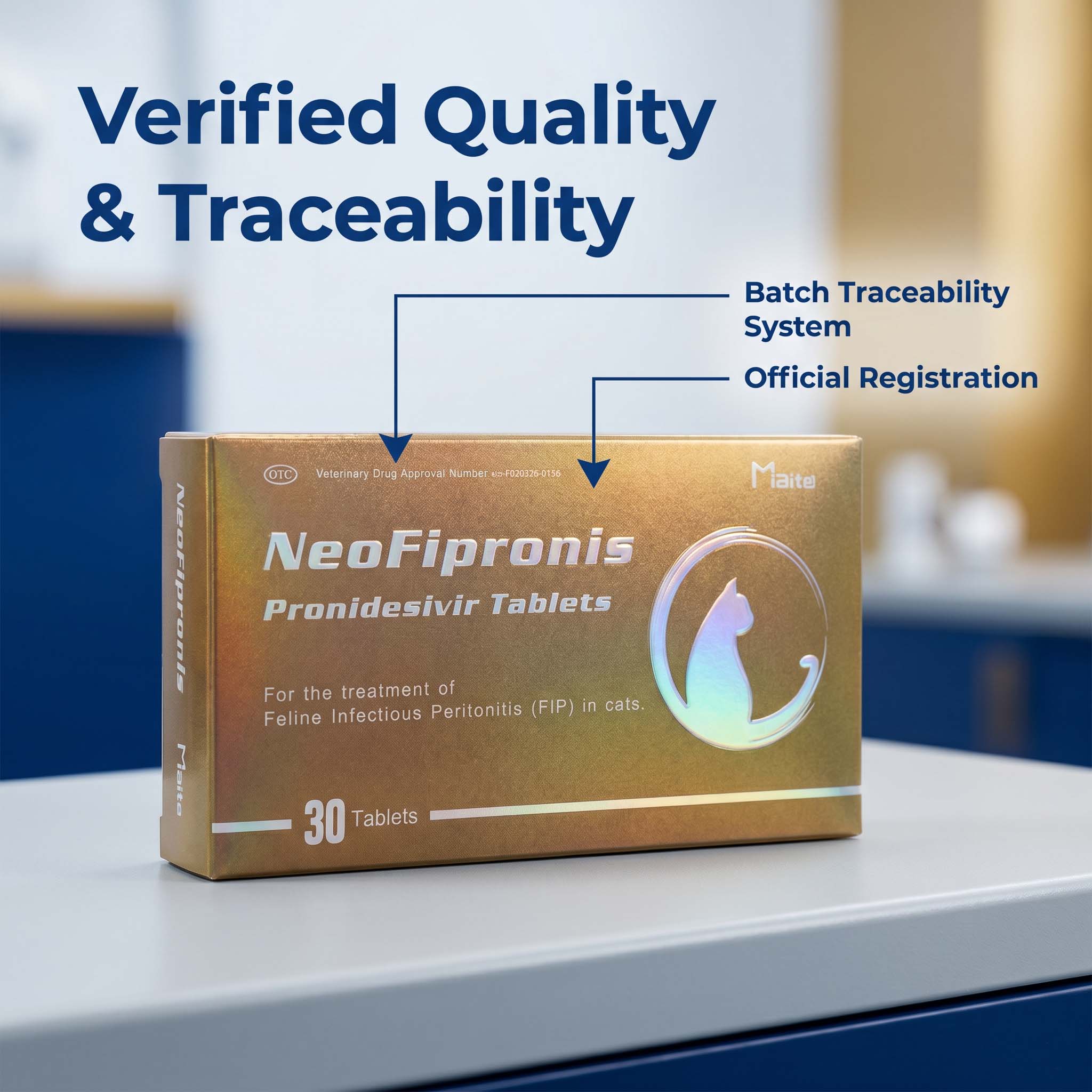
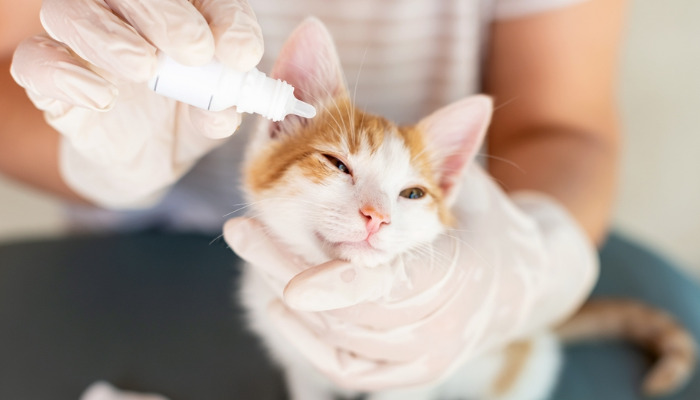
Continuous observation is vital for identifying changes in your cat's condition. Keep a detailed record of weight, appetite, activity levels, and any visible symptoms like swelling or respiratory issues. Use a gentle approach when examining your cat to avoid additional stress. Be vigilant for signs of discomfort, such as restlessness or abnormal breathing, and seek veterinary assistance promptly. Administer medications exactly as prescribed, including anti-inflammatories or antiviral treatments, to control symptoms and improve comfort.
Facilitating Comfort through Proper Medical Care
While FIP remains untreatable in many cases, supportive care can significantly enhance your cat's quality of life. Regular veterinary check-ups enable early detection of complications. In some cases, vets may perform procedures like thoracocentesis or abdominal taps to relieve fluid buildup. Keep your cat's environment humidified if respiratory distress occurs, and consider using pheromone diffusers to promote relaxation. Maintaining a warm, cozy resting spot also helps alleviate discomfort.
Preventing Secondary Infections
Cats with FIP are more susceptible to bacterial infections due to compromised immunity. Regularly inspect for signs of secondary infections such as ear infections, skin issues, or urinary tract infections. Keep the litter box clean and change bedding frequently to prevent bacterial proliferation. In cases of secondary infections, consult your veterinarian for appropriate antibiotics or other treatments. Staying vigilant reduces the risk of additional health complications.
Adjusting Care as the Disease Progresses
FIP can progress rapidly or slowly, requiring flexible care strategies. As symptoms advance, your cat may become increasingly lethargic or develop additional issues like jaundice or neurological signs. Adapt your caregiving approach accordingly, prioritizing comfort and pain management. Some owners choose to provide palliative care at home, ensuring gentle handling and maintaining familiar routines to minimize stress.
Promoting Emotional Well-being
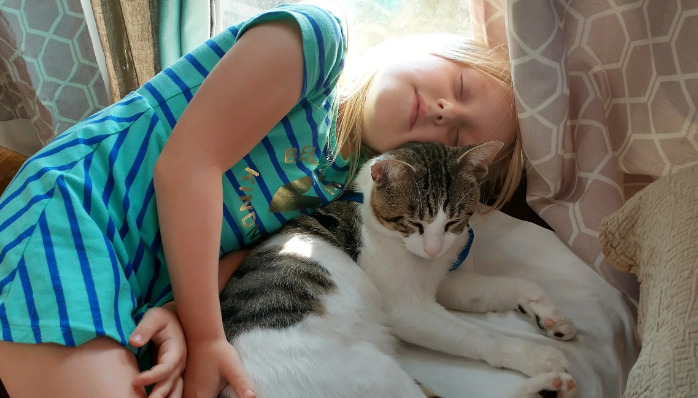
Affected cats often benefit from gentle interaction and reassurance. Spend quality time with your feline, providing gentle petting and soothing words. Maintain familiar routines to foster a sense of security. Use calming products like pheromone sprays or diffusers that can help reduce anxiety. Recognize signs of fatigue or stress and allow your cat to rest undisturbed, respecting their limits.
Consultation and Support Networks
Regular communication with your veterinarian is critical for tailored advice and timely interventions. Joining support groups or online communities can offer emotional support and practical tips from others facing similar challenges. Remember that managing FIP at home involves balancing medical care, emotional support, and environmental adjustments to provide your feline companion with dignity and comfort throughout their journey.
A Personal Perspective on FIP Home Care
From a caregiving perspective, embracing a holistic approach that combines meticulous environmental management, compassionate interaction, and vigilant medical support can profoundly influence the quality of life for cats with FIP. While cure options remain limited, empowering pet owners with knowledge and practical strategies transforms the caregiving experience. Recognizing subtle changes and responding promptly not only extends potential comfort but also fosters a deeper bond rooted in empathy and dedication.