Can FIP Cause Cats to Become More Vocal
Feline Infectious Peritonitis (FIP) remains one of the most enigmatic and devastating illnesses affecting domestic cats. Caused by a mutated strain of feline coronavirus, FIP triggers severe, often fatal immune-mediated responses within feline bodies. The disease can manifest in either a "wet" (effusive) or "dry" (non-effusive) form, each presenting with varying clinical signs such as fever, weight loss, and abdominal swelling. While veterinarians and researchers focus primarily on physical symptoms and treatment protocols, pet owners often report less-discussed behavioral changes — notably, an increase or change in the cat’s vocalizations. Understanding these behavioral shifts, specifically whether FIP makes cats more vocal, allows caretakers to offer better support during the progression of the disease and informs veterinary assessments.
Vocalization in Healthy Cats
Before delving into the impact of FIP on vocalization, it’s helpful to understand why and how healthy cats use vocal sounds. Domestic cats communicate with humans and other cats using a wide range of vocal signals including meows, purrs, growls, chirps, and yowls. The frequency and tone of vocalization vary according to the cat’s breed, personality, age, and immediate needs such as hunger, attention, or stress.
Factors influencing vocalization include health status, environmental stimuli, and the cat’s relationship with its human caregivers. For example, Siamese cats and certain breeds are genetically predisposed to be more talkative, while socialization history often informs whether a cat uses vocal sounds more frequently.
Symptomatology and Behavioral Changes in FIP
The pathogenesis of FIP revolves around the mutation of feline enteric coronavirus into a virulent strain that attacks the immune system. The disease affects vital organs, leading to systemic inflammatory responses and a variety of physical signs. Clinical symptoms include persistent fever, appetite loss, weight loss, lethargy, jaundice, and abdominal fluid accumulation. Neurological symptoms, such as ataxia, seizures, and behavioral changes, are more common in the dry form and signal the virus has infiltrated the central nervous system.
Behavioral changes often accompany the physical distress caused by FIP. Veterinary reports and anecdotal accounts by owners note greater withdrawal, hiding, changes in sleeping patterns, and sometimes increased vocalization. Scientists propose that behavioral shifts stem from pain, discomfort, and neurological involvement, rather than direct effects of the virus on vocal organs.
Mechanisms Behind Increased Vocalization in FIP
Several mechanisms may contribute to increased vocalization in cats suffering from FIP. Understanding each cause enables owners and veterinarians to differentiate between illness-related sounds and routine communication.
Pain and Discomfort
Cats instinctively mask signs of pain and illness, but prolonged discomfort can overcome this evolutionary trait. Vocal sounds may become more frequent or intense as cats attempt to communicate distress and attract owner attention. Symptoms like abdominal swelling, joint pain, or neurological involvement can cause distress, prompting yowls, plaintive meows, or uncharacteristic crying. Unlike typical vocalization for food or play, these sounds may be louder, more urgent, and persistent.
Neurological Involvement
In dry FIP, the virus can infiltrate the brain and spinal cord, leading to neurological symptoms that alter the cat’s perception and behavior. Damage to areas responsible for communication or vocalization can manifest as changes in sound frequency, pitch, and intensity. Affected cats may vocalize out of confusion, disorientation, or frustration arising from altered sensory input. Neurological symptoms like seizures or abnormal movements sometimes accompany vocal outbursts.
Anxiety and Stress
FIP introduces significant and ongoing stress, not only physically but psychologically. Sick cats may vocalize to signal distress, request comfort, or express confusion in unfamiliar circumstances. Increased vocalization can be triggered by changes in routine, pain, or separation anxiety, especially when the cat’s environment is affected by medical interventions or hospitalizations.
Seeking Attention and Comfort
Domestic cats often rely on their relationship with human caregivers for comfort and reassurance. When ill, a cat’s instinctual drive to seek support may intensify, resulting in more vocal appeals. Owners frequently report that their FIP-positive cats "talk" more, seeking petting, reassurance, or simply proximity.
Types of Vocalization in FIP-Affected Cats
Pet owners and veterinarians may observe different kinds of vocal changes during FIP progression. Distinguishing among these can clarify underlying causes and inform care strategies.
Unusual Meowing
Sudden increases in meowing, especially in previously quiet cats, can signal discomfort, anxiety, or pain related to FIP. The sound may be more plaintive or dramatic, indicating heightened distress.
Yowling or Crying
Yowling — long, drawn-out vocalizations — typically points to significant pain or neurological disturbance. Cats may cry out when attempting to move, after medical procedures, or during periods of confusion linked to FIP’s impact on the nervous system.
Nighttime Vocalization
Some owners notice increased vocalization at night. Cats affected by FIP may feel more vulnerable in the dark, or discomfort could worsen when routine cues for attention and comfort are absent.
Increased Purring
Purring is commonly interpreted as a sign of contentment, but cats also purr when in pain or severely ill. This "self-soothing" behavior may intensify if FIP causes ongoing internal distress.
Differentiating FIP-Related Vocalization from Other Causes
Veterinarians emphasize the importance of ruling out other medical conditions that increase feline vocalization. While FIP is a concern, vocal changes can result from many sources, including:
Hyperthyroidism
Cognitive dysfunction/aging
Urinary tract disease
Dental pain or oral disease
Stress or environmental changes
Proper diagnosis depends on a thorough veterinary evaluation, including blood tests, imaging, and consideration of recent health history. Owners should report new or concerning vocalizations to professionals, especially if accompanied by hallmark FIP signs such as persistent fever, jaundice, or fluid buildup.
Veterinary Assessment and Management of Behavioral Changes
Addressing increased vocalization requires a multi-modal approach, assessing pain, discomfort, anxiety, and underlying neurological issues. Veterinary intervention emphasizes the following:
Pain Management
Pain control offers the greatest potential for reducing distress-based vocalization. Analgesic medications, joint support, and anti-inflammatory drugs can mitigate suffering.
Neurological Symptom Control
If FIP invades the nervous system, targeted therapy may help. Anti-seizure medications, steroids, and supportive care can minimize neurological distress.
Environmental Modifications
Creating a calm, comfortable environment for the affected cat reduces anxiety and stress-induced vocalization. Soft bedding, familiar objects, and gentle routine adjustments support psychological well-being.
Owner Support and Reassurance
Owners are urged to respond compassionately to increased vocalization. Sitting with the cat, offering gentle petting, and allowing quiet companionship can help assuage fear and loneliness during illness.
The Role of Antiviral and Supportive Therapies
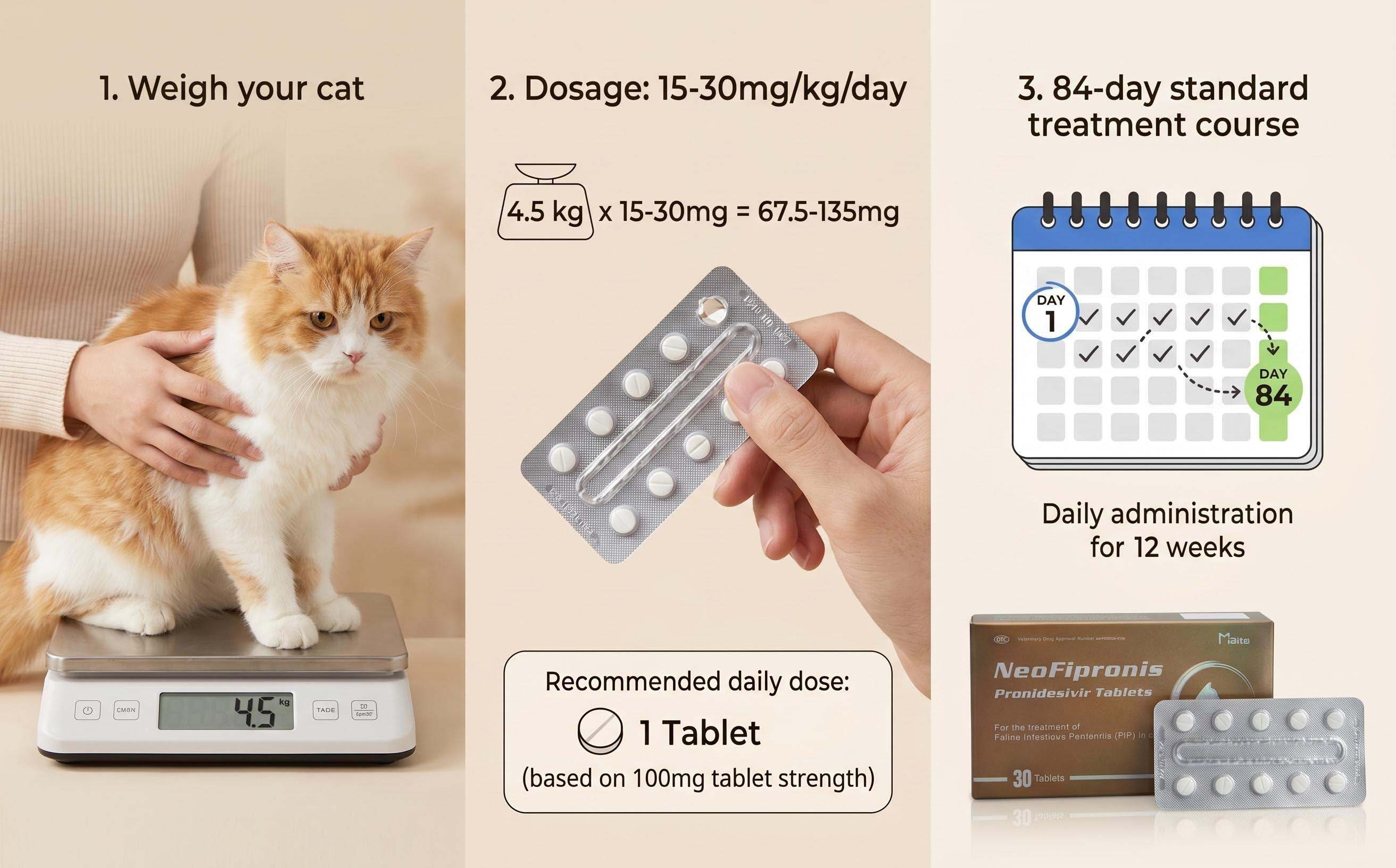
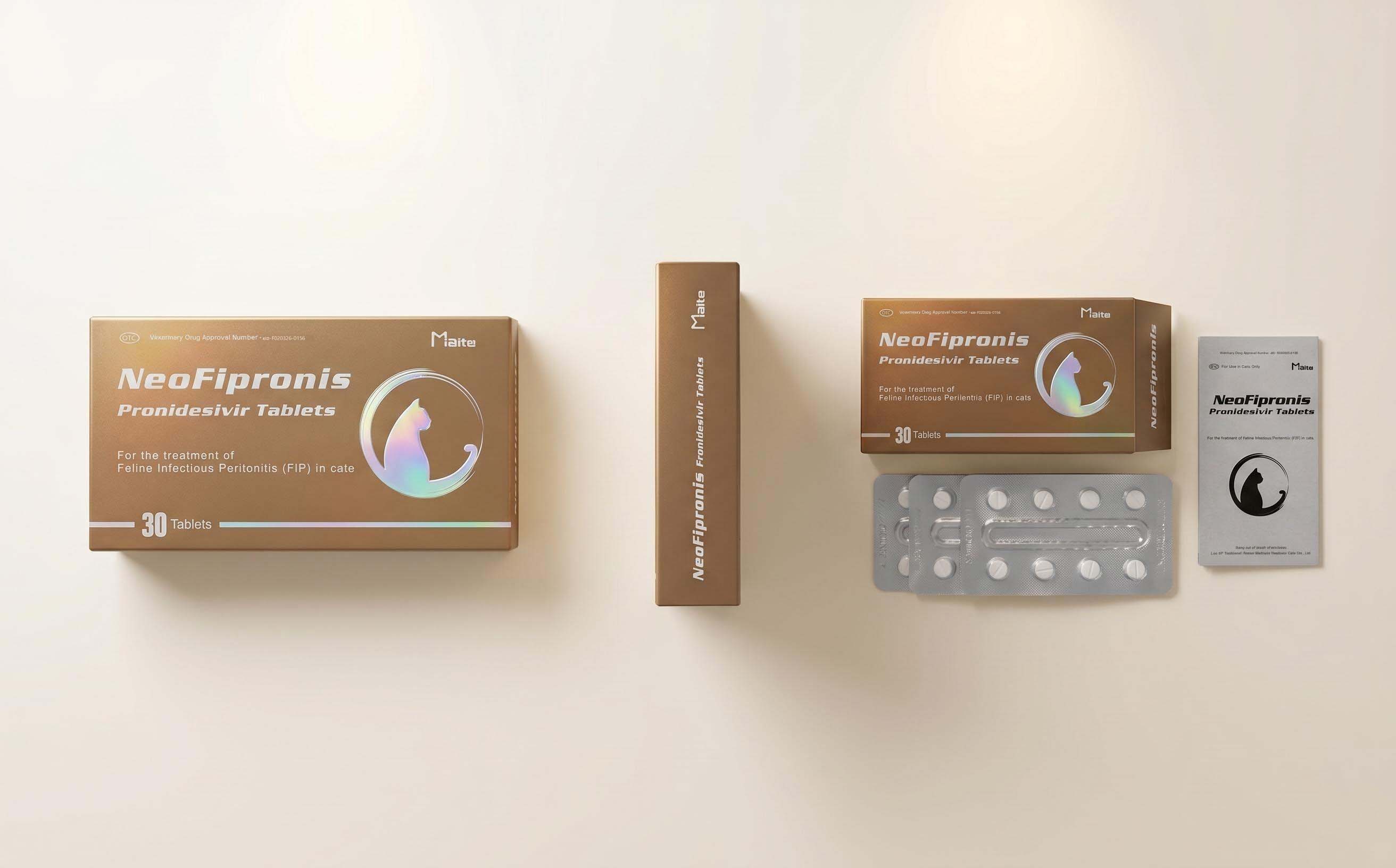
Recent advancements in FIP treatment — specifically antiviral medications like GS-441524 and remdesivir — have transformed outcomes for some cats, leading to remission or significant improvement. With effective medication, distress and associated vocalization may decrease as pain and physical symptoms resolve.
Supportive care remains vital, especially where antiviral therapy is unavailable or ineffective. Nutritional support, hydration, and comfort-oriented nursing routines can alleviate suffering and reduce behavioral distress, including excessive vocalization.
Case Studies and Owner Reports
A growing pool of anecdotal evidence suggests behavioral changes, including increased vocalization, are common in cats with FIP. Online support groups, veterinary case records, and owner diaries routinely document:
Quiet cats becoming more vocal during advanced illness
Uncharacteristic crying during periods of pain or confusion
Return to baseline vocalization after successful antiviral intervention
Researchers call for more formal studies to quantify and characterize these behavioral changes, especially as new therapies improve the prognosis and lengthen the observation period.
Implications for Cat Owners
Recognizing increased vocalization as a possible sign of distress in FIP can help owners respond more effectively to their cat’s needs. Timely veterinary attention, compassionate caregiving, and observation of other clinical symptoms are critical steps in managing both physical and behavioral impacts of the disease.
Checklist for owners responding to increased vocalization in cats suspected of FIP:
Assess any other signs of illness, such as fever, weight loss, jaundice, or abdominal swelling.
Record frequency, type, and circumstances of vocalization.
Seek veterinary evaluation for persistent or sudden changes.
Implement comfort measures, including quiet rest areas and gentle handling.
Discuss pain management and antiviral treatment options with your veterinarian.
The Importance of Veterinarian-Owner Communication
Transparent communication between veterinarians and pet owners ensures early recognition of behavioral changes, including increased vocalization. By sharing observations, owners can help veterinarians tailor treatment plans and monitor disease progression.
Questions owners can ask their veterinarian include:
Is my cat’s increased vocalization related to pain?
What can I do at home to help my cat feel more comfortable?
Are there medical or environmental interventions that could reduce distress?
What signs indicate a need for urgent care or medication adjustment?
How will antiviral therapy impact behavioral symptoms?
Future Directions and Research Needs
There is growing interest in the behavioral effects of FIP, including changes in vocalization. Researchers propose targeted studies exploring:
The relationship between neurological involvement and vocal behavior changes
Quantitative analysis of vocalization patterns before, during, and after FIP onset
Impact of GS-441524 treatment on behavioral symptoms
Owner and veterinarian perspectives on distress behaviors
Understanding the full spectrum of FIP symptoms — physical and behavioral — supports the development of comprehensive management strategies for affected cats.
References
1. Pedersen, N. C. (2020). Feline Infectious Peritonitis: Update on Pathogenesis and Treatment. Veterinary Clinics: Small Animal Practice, 50(5), 1001-1015.
2. Addie, D. D., et al. (2021). Feline infectious peritonitis—an update. Journal of Feline Medicine and Surgery, 23(9), 889-905.
3. Kipar, A., & Meli, M. L. (2014). Feline infectious peritonitis: still an enigma? Veterinary Pathology, 51(2), 505-526.
4. Hartmann, K. (2005). Feline infectious peritonitis. Veterinary Clinics: Small Animal Practice, 35(1), 39-79.
5. Chang, H. W., et al. (2021). Clinical characterization and management of cats with FIP: The changing landscape. Viruses, 13(5), 831.
6. American Association of Feline Practitioners (AAFP). (2022). FIP and antiviral drugs: Guidelines for veterinarians. Retrieved from https://catvets.com/guidelines/fip.
7. Cornell University College of Veterinary Medicine. (2023). Feline infectious peritonitis. Retrieved from https://www.vet.cornell.edu/fip-cat.
8. International Cat Care. (2020). Behavioral signs in cats with illness and pain. Retrieved from https://icatcare.org/advice/behavioral-signs-of-pain-in-cats/.
9. Moore, A. S., & O’Brien, M. (2019). Neurological disease in feline infectious peritonitis: a review. Journal of Feline Medicine and Surgery, 21(6), 497-507.
10. Facebook “FIP Warriors” Support Group. (2023). Owner experiences and support resources for cats with FIP.