Which FIP Symptoms Require Immediate Veterinary Care
Feline Infectious Peritonitis (FIP) is one of the most devastating diagnoses that a pet cat can face. Caused by a mutated strain of feline coronavirus, FIP remains fatal if left untreated, though advances in therapy are bringing hope to affected cats. Swift recognition and veterinary attention are critical, as some symptoms require immediate intervention to save your cat’s life or prevent suffering. This article offers an in-depth resource, structured for easy reading and designed to be highly relevant for those searching for urgent guidance on FIP in the US.
What is FIP? An Overview
FIP develops when a common, usually harmless, feline coronavirus mutates, triggering a disastrous immune response. While most infected cats suffer nothing more than mild diarrhea, a small percentage—usually those with weaker immune systems—develop FIP, where the mutated virus spreads throughout the body. The condition is broadly categorized into two forms: "wet" (effusive) and "dry" (non-effusive). Each presents unique symptoms, but both demand prompt veterinary attention due to rapid progression.
Early Signs: Symptoms That Might Not Be Obvious
Recognizing FIP early is difficult due to vague initial symptoms. Many cats show signs that might initially seem minor, such as intermittent fever, reduced appetite, weight loss, lethargy, or jaundice. Owners often attribute these behaviors to other causes. However, if the symptoms persist or worsen, especially if accompanied by any of the critical signs discussed below, it’s crucial to seek veterinary assessment without delay.
FIP Symptoms That Necessitate Immediate Veterinary Care
Severe Breathing Difficulty
One of the most alarming signs, especially in wet FIP, is difficulty breathing. Fluid can accumulate in the chest cavity, compressing the lungs and causing:
Open-mouth breathing
Rapid, shallow breaths
Extended neck posture
Blue-tinged gums or tongue (indicating lack of oxygen)
Cats hiding or hunched in corners, unable to breathe properly, require urgent intervention. Chest fluid must be drained immediately to prevent suffocation.
Extreme Lethargy or Collapse
A previously active cat suddenly unable to stand, responsive only to vigorous stimulation, or collapsing entirely is an emergency. While lethargy is common across many illnesses, collapse and near-unresponsiveness signify advanced shock or brain involvement.
Persistent High Fever
Cats with FIP often present with fevers higher than 104°F (40°C) that do not improve with antibiotics. FIP fevers are notorious for being resistant to standard treatments and, if sustained, may point to uncontrolled systemic infection.
Swollen, Painful Abdomen
The wet form of FIP often results in fluid build-up in the abdomen, making it distended or tight. Cats may become unwilling to move, cry out when touched, or show signs of abdominal pain. Sudden abdominal swelling combined with discomfort merits aggressive care, as fluid buildup can impair organ function.
Neurological Symptoms
FIP may invade the nervous system, causing:
Seizures
Head tremors
Involuntary muscle spasms
Unsteady gait or sudden paralysis
Blindness
Even mild neurological signs can escalate into life-threatening crises. These symptoms suggest rapid dissemination of the virus and require specialized intervention.
Severe Jaundice
Pale yellow gums, whites of the eyes, or skin (in light-colored cats), particularly if accompanied by vomiting or refusal to eat, indicate liver compromise. Jaundice progresses rapidly and is a signal of FIP attacking multiple organs.
Eye Discoloration or Loss of Vision
Sudden change in eye color, cloudiness, or loss of sight is another neurological sign. FIP can attack the eyes directly, causing retinal detachment, bleeding, or inflammation, all of which warrant immediate examination.
Uncontrolled Vomiting or Diarrhea
While mild gastrointestinal symptoms are common, persistent vomiting or diarrhea unresponsive to typical remedies is worrisome. Chronic dehydration further destabilizes weak FIP cats, accelerating clinical decline.
Bleeding or Bruising
Unexplained bruising, bleeding from the nose, mouth, or gastrointestinal tract, or blood-filled stool often means FIP has damaged blood vessels. Any bleeding episode is serious and a reason for urgent care.
Why Immediate Action Matters
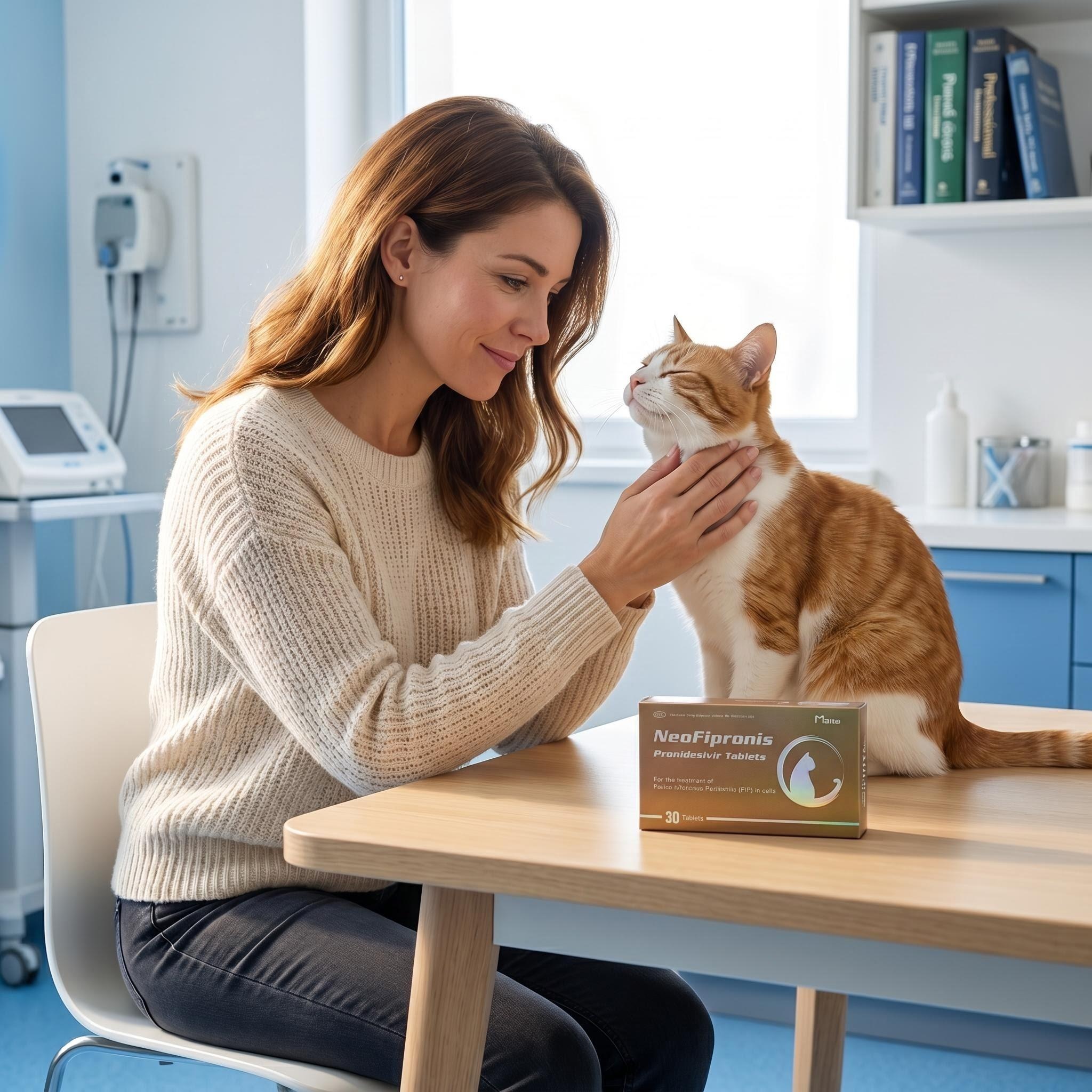
In many cases, FIP progresses within days. Cats often hide signs of pain until they are gravely ill, so rapid recognition is vital. Timely veterinary care can relieve fluid pressure via thoracentesis or abdominal taps, stabilize the cat, and initiate advanced therapies like anti-viral medications (e.g., GS-441524, remdesivir), corticosteroids, and supportive fluids. Delay may result in complications, irreversible damage, or loss of life.
How to Prepare for an Emergency Veterinary Visit
Take a video of abnormal breathing, behavior, or neurological signs for the vet.
List all observed symptoms and their onset.
Bring recent veterinary records, viral test results, and medication lists.
Transport your cat in a secure carrier, providing a warm blanket if weak or hypothermic.
FIP in At-Risk Populations
FIP disproportionately affects young, purebred cats, those living in multi-cat homes (especially shelters or catteries), and those with recent stress or illness. If your cat falls into any of these groups, monitor symptoms closely and err on the side of caution.
Differentiating FIP from Other Conditions
While symptoms like fever, breathing trouble, and abdominal swelling can be caused by heart failure, cancer, severe infections, or trauma, the presence of multiple symptoms in tandem, especially in a previously healthy young cat, raises suspicion for FIP. Diagnostic tests (e.g., bloodwork, coronavirus antibody titers, PCR, and imaging) help confirm the diagnosis, but life-threatening symptoms should be addressed first.
Communicating with Your Vet
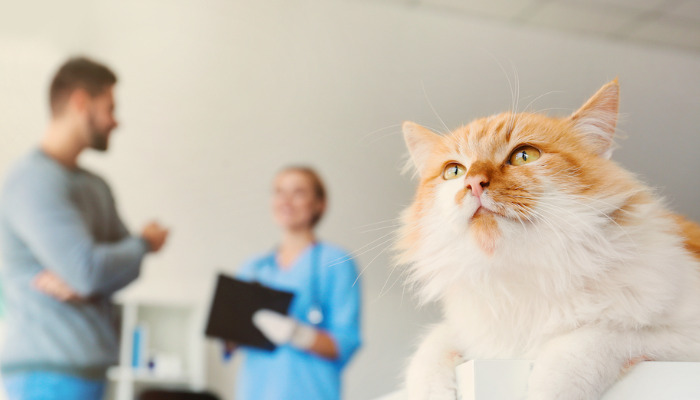
Prompt communication is key. Describe symptoms succinctly, emphasizing any rapid changes, neurological signs, or severe respiratory distress. Request immediate availability, or contact an emergency animal hospital if your regular vet is not open. In life-threatening FIP cases, specialists in feline medicine or emergency care may offer experimental therapies unavailable to general practices.
Updates on FIP Treatment in the US
Experimental antivirals (GS-441524, remdesivir) have changed the FIP treatment landscape. As of 2024, some veterinary clinics can legally administer these drugs under compassionate use. The success rate climbs dramatically with fast diagnosis and immediate supportive care, meaning urgent intervention can be the difference between life and death.
Home Monitoring: What to Watch For
Cats with suspected or confirmed FIP should never be left unsupervised if any of the severe symptoms above appear. Track changes in breathing, mobility, consciousness, and appetite hourly. Hydration status (skin "tenting" and sticky gums), gum color, and abdominal girth are critical. Any sudden decline mandates a hospital visit.
Supportive Care at Home
While only veterinary professionals can manage advanced FIP, owners should focus on:
Keeping cats calm and warm
Offering small, frequent water or oral rehydration solution
Using a soft litter box for weak cats
Maintaining good hygiene in multi-cat households to reduce spread
Understanding Prognosis and the Importance of Euthanasia Decisions
The prognosis for FIP remains guarded, but new therapies offer hope. If advanced organ failure, unresponsive neurological symptoms, or constant suffering are present, humane euthanasia may be the kindest choice. Only a vet can guide this complex decision, weighing your cat’s comfort and quality of life.
Preventing Spread in Multi-Cat Homes
Isolate affected cats. Clean litter boxes, food/water bowls, and bedding thoroughly using bleach. The coronavirus is shed in feces and saliva; removing contaminated waste promptly reduces risk. Use separate rooms and limit guest/family interaction with sick cats.
Long-Term Management and Follow-Up
For cats who survive initial crises via antiviral therapy, ongoing bloodwork, imaging, and periodic veterinary exams are crucial. Watch for relapse signs, as FIP can rematerialize if therapy is insufficient or immunity drops.
Resources for Cat Owners
Pet owners in the US can access emergency clinics, feline specialists, university teaching hospitals, and online support groups. Consulting feline medicine organizations (e.g., American Association of Feline Practitioners) provides up-to-date information on FIP research and care strategies.
When to Act: A Quick Checklist
Immediate veterinary attention is required for:
Labored or open-mouth breathing
Unresponsiveness or collapse
High persistent fever (>104°F)
Sudden abdominal distension with pain
Any seizure, head tremor, vision loss
Severe jaundice
Uncontrolled vomiting or diarrhea
Bleeding without obvious cause
Ignoring these symptoms risks rapid decline and suffering. If in doubt, call your vet or a 24-hour animal hospital.
References
1. Pedersen, N.C. (2020). The FIP saga: A veterinary success story. Journal of Feline Medicine and Surgery, 22(9), 805–813.
2. American Association of Feline Practitioners. (2023). FIP guidelines for diagnosis and management. [Online] Available: https://catvets.com/guidelines
3. Addie, D.D., et al. (2022). Feline coronavirus infections: Diagnosis and management. Veterinary Clinics of North America: Small Animal Practice, 52(2), 313–328.
4. Diagnostic and therapeutic updates for feline infectious peritonitis (FIP). Cornell University College of Veterinary Medicine. [Online] Available: https://www.vet.cornell.edu
5. U.S. Food & Drug Administration (FDA). (2024). Update on feline antiviral treatments. [Online]: https://www.fda.gov/animals-veterinary