Everything Cat Owners Should Know About FIP — a Complete Guide
Feline Infectious Peritonitis (FIP) has long been one of the most feared diagnoses in the world of feline medicine. Although relatively rare, FIP is devastating, largely misunderstood, and historically had a grave prognosis. In recent years, research into this disease has led to breakthroughs in diagnosis, treatment, and prevention. This comprehensive guide aims to equip cat owners with a clear understanding of what FIP is, how it develops, how to recognize its signs, what treatment options exist, and practical advice for minimizing the risk in homes and catteries.
Understanding FIP: The Fundamentals
FIP is a complex disease caused by certain strains of feline coronavirus (FCoV). While most FCoV infections are benign, a small percentage mutate inside the cat’s body, leading to FIP. It’s essential to realize that FIP is not directly contagious; rather, the benign coronavirus is. FIP manifests when the immune system responds abnormally to the mutated virus, leading to severe inflammation in tissues like the abdomen, chest, and nervous system.
How FIP Develops
Feline coronavirus is commonplace, especially in multi-cat environments like shelters, catteries, and homes with multiple pets. Most cats exposed to FCoV experience mild, self-limiting symptoms or no symptoms at all. However, in 5-10% of cases, the virus mutates, and the immune system cannot clear it. The result is uncontrolled inflammation, leading to the two primary forms of FIP: “wet” and “dry.”
Wet (Effusive) FIP: This form is characterized by accumulation of fluid in the abdomen or chest, resulting in rapid progression of symptoms.
Dry (Non-effusive) FIP: This variant features inflammatory nodules in organs, the eyes, or nervous system, without significant fluid buildup. Progression here is usually slower and signs more varied.
Risk Factors for FIP
Certain cats are more at risk of developing FIP than others. Factors increasing susceptibility include:
Age: Kittens under two years old are most often affected, though any age can be susceptible.
Genetics: Some breeds and certain bloodlines may be genetically predisposed.
Environment: Overcrowding and stress in shelters or catteries exacerbate viral transmission, increasing mutation chances.
Health Status: Cats with compromised immune systems, such as those with concurrent infections, are at higher risk.
Clinical Signs and Symptoms
Recognizing FIP can be challenging, since early signs are nonspecific and similar to many other conditions. Common symptoms include:
Persistent fever unresponsive to antibiotics
Lethargy and depression
Loss of appetite and progressive weight loss
Jaundice (yellowing of the eyes or gums)
Enlarged abdomen from fluid accumulation (wet FIP)
Difficulty breathing (if fluid in chest cavity)
Eye changes (uveitis, retinal detachment)
Neurological signs (unsteady gait, seizures, behavior changes)
Symptoms often develop and worsen over days or weeks. Because no standalone test definitively diagnoses FIP, a veterinarian will base diagnosis on history, clinical signs, physical examination, lab results, imaging, and exclusion of other causes.
Diagnosis of FIP
Veterinarians employ a multifaceted approach to diagnosing FIP. Major techniques include:
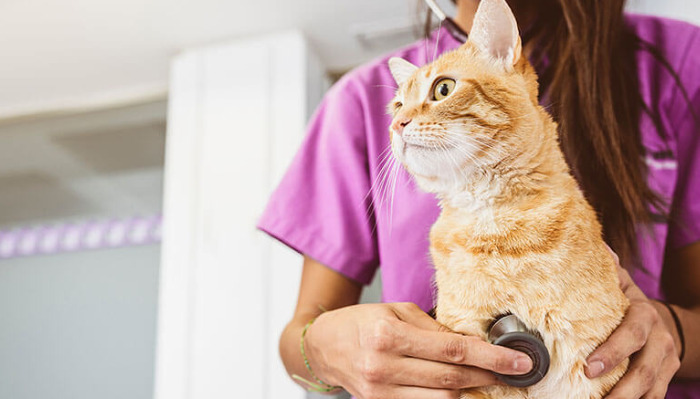
Physical Examination: Assessment for fever, effusion, jaundice, and other clinical signs.
Laboratory Tests:
Complete blood count may show anemia or leukocytosis.
Biochemistry panels often reveal elevated globulins, bilirubin, or abnormal liver enzymes.
Fluid analysis (if effusive): Fluid is typically straw-colored, viscous, high in protein and low in cells.
Coronavirus Antibody Test: High titers are suggestive but not conclusive, since many healthy cats test positive.
PCR Testing: Detects coronavirus RNA in tissue or body fluids. Specific mutations can confirm FIP, but not always available.
Imaging: Ultrasound or X-ray to detect fluid accumulation or organ changes.
Organ Biopsy: Cytology or histopathology of affected tissues remains the gold standard but is invasive and rarely performed outdoors.
Diagnosis relies on correlating several findings. In ambiguous cases, monitoring progression or response to new therapies may provide additional clues.
Treatment: From Supportive Care to Groundbreaking Drugs
Until recently, FIP was considered fatal. Treatment focused on comfort and supportive care:
Fluid drainage to improve breathing or relieve discomfort
Nutritional support, pain management, and anti-inflammatory medication
Immune modulators, corticosteroids, or antibiotics (usually ineffective long-term)
However, recent pharmaceutical advances have led to targeted antiviral medications that can dramatically improve survival.
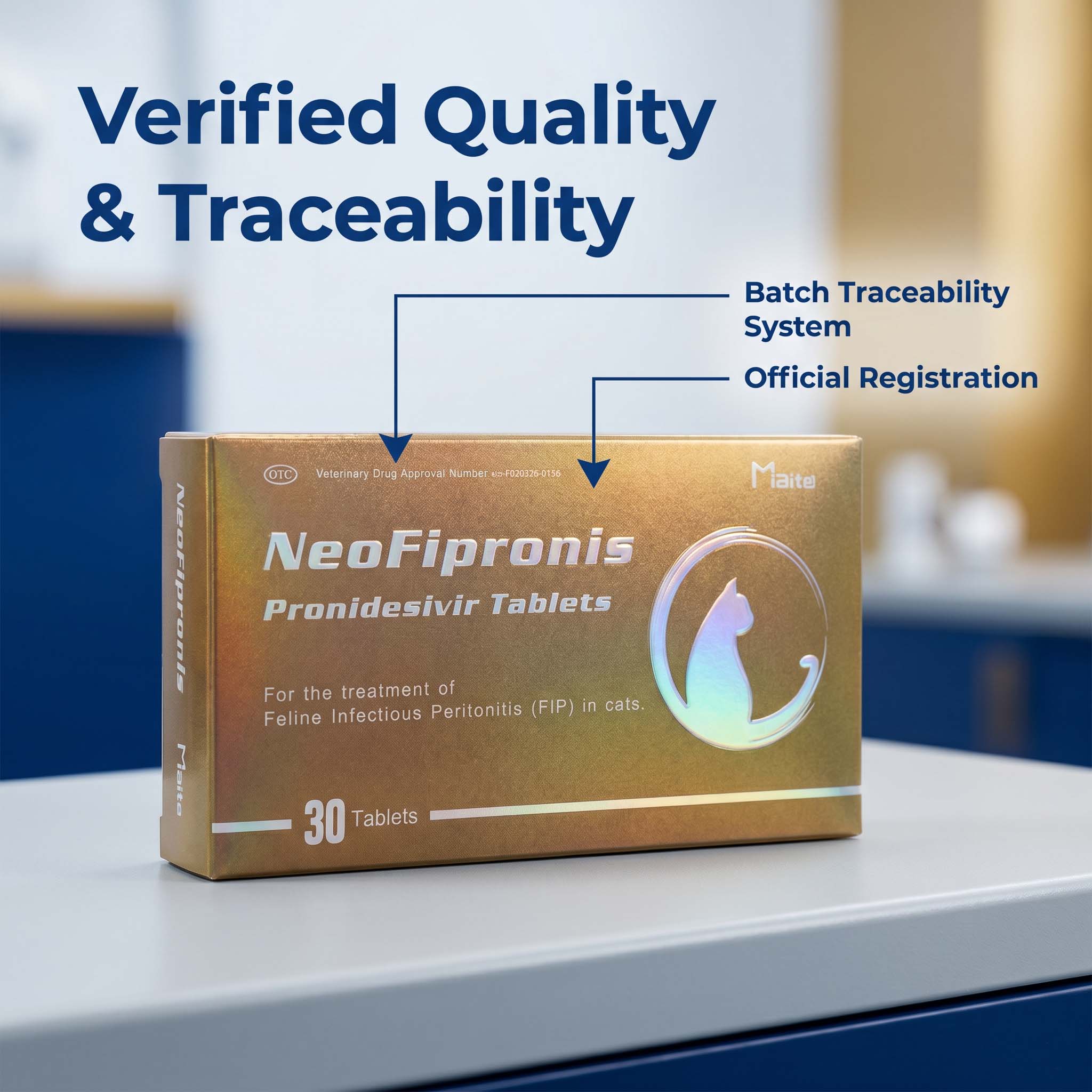
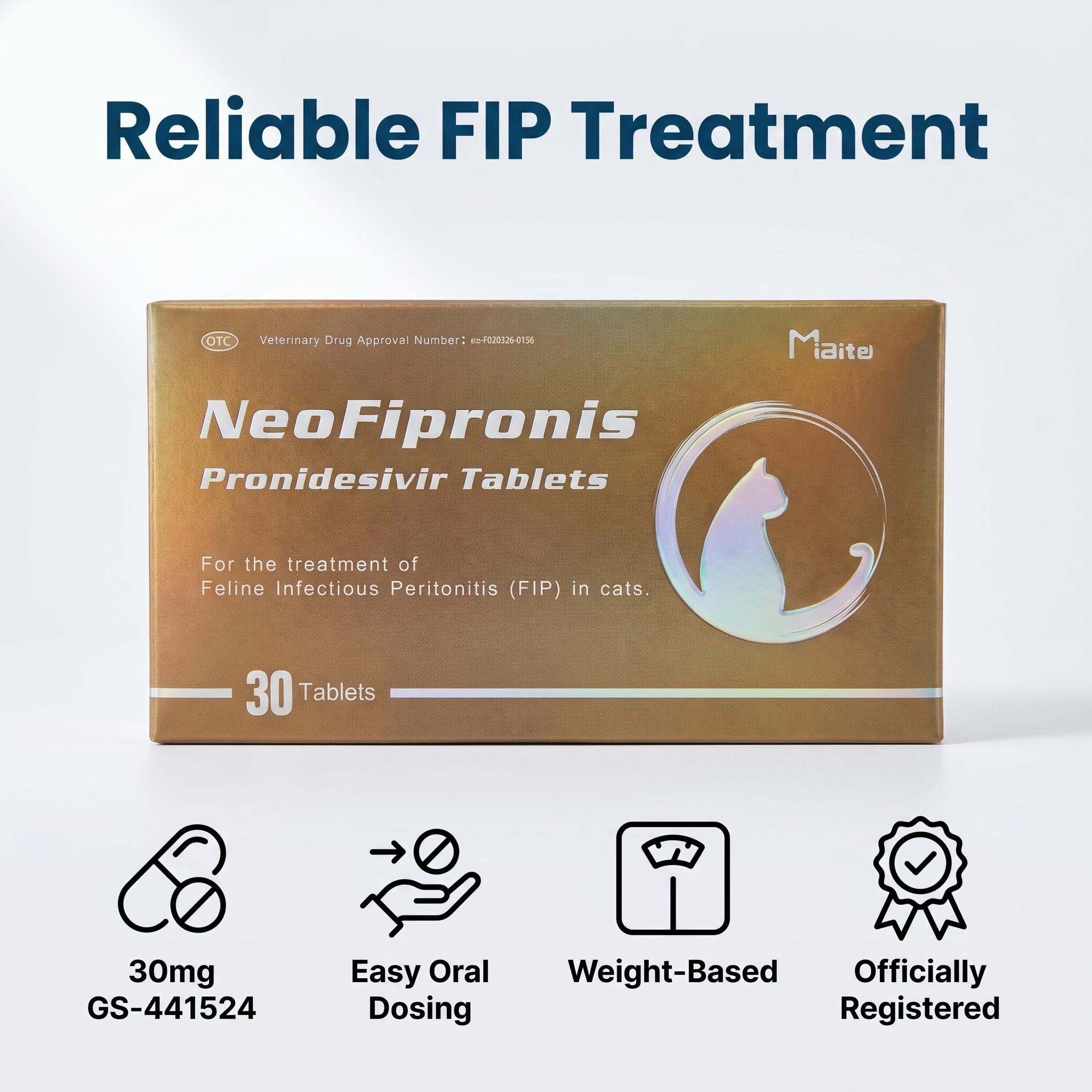
GS-441524: A nucleoside analog that inhibits viral replication, GS-441524 has shown high cure rates for both dry and wet FIP in global studies. This drug is the progenitor for remdesivir in human medicine, and is the leading treatment for FIP when accessible.
Remdesivir: Originally developed for humans, remdesivir is a close analog to GS-441524 and can be used when the latter is unavailable.
Other Treatments: Ongoing research looks at combination antivirals, interferons, and immune-modulating therapies.
Antiviral therapies are administered over several weeks, typically by injection early on and then orally. Most treated cats show rapid improvement. Potential side effects include skin reactions, transient gastrointestinal upset, and rare kidney or liver toxicity. Regular monitoring during treatment is vital.
Prognosis and Long-Term Management
Survival rates for FIP are now improving with proper antiviral therapy. Success rates exceed 80% in many international studies, especially when therapy is initiated early and cats have not suffered multi-organ damage. Cats treated and cured of FIP generally live normal lives afterward.
Chronic monitoring for relapse is recommended, particularly in the first year post-recovery. Some cats may have lingering complications if the nervous system or eyes were involved.
Prevention: Protecting Cats from FIP
While it’s impossible to eliminate all risk, steps can reduce FCoV transmission and thus lower FIP incidence:
Limit overcrowding: Avoid large groups of cats living closely together.
Maintain litter box hygiene: FCoV is shed in feces; frequent cleaning helps reduce contact.
Separate age groups: Protect kittens by housing separately from adults when possible.
Minimize stress: Stressed cats are more susceptible to viral mutations.
Screen new arrivals: Isolate and test newcomers to catteries or shelters.
Breeding considerations: Select genetically low-risk lines when breeding.
Vaccination: A vaccine exists in some countries, but efficacy is limited and not widely recommended.
In multi-cat homes, careful management is key. Owners should not panic when a cat tests positive for FCoV, since only a small fraction develop FIP.
Living with an FIP Diagnosis
Receiving an FIP diagnosis is emotionally overwhelming. Immediate priorities include understanding treatment options and considering the cat’s quality of life. Support groups, online communities, and advances in veterinary science offer hope and practical guidance.
Open communication with your veterinarian is vital. Discuss the risks, costs, and chances of success with available therapies. In severe cases, humane euthanasia may be the kindest option if suffering cannot be alleviated.
Owners of cats recovering from FIP can help others by sharing experiences and raising awareness about new treatments.
Recent Advances in FIP Research
The last decade has seen remarkable progress in FIP’s treatment. Researchers have identified specific mutations critical for the disease’s development, allowing more accurate diagnostic tests. Antiviral drugs are being refined for greater efficacy and ease of use.
Gene therapies, better vaccines, and broader education campaigns promise improved prevention and management. Greater international collaboration and support have made previously inaccessible therapies more widely available.
Frequently Asked Questions
Can humans catch FIP from cats?
No. FIP and feline coronaviruses are restricted to cats. These viruses do not pose a risk to humans or dogs.
Can FIP be cured?
Many cats with FIP can now be cured with appropriate antiviral therapy, especially if treated early. Historically, it was fatal.
Is every cat exposed to feline coronavirus at risk?
No. Only a small fraction of cats exposed to FCoV develop FIP, usually due to a rare mutation and abnormal immune response.
Do indoor cats get FIP?
Indoor cats are at lower risk but can still develop FIP if exposed to FCoV carriers, especially in multi-cat households.
Should I euthanize my cat if they are diagnosed with FIP?
Not necessarily. Consult with your veterinarian, as treatment may be possible. Euthanasia should only be considered if suffering is unmanageable.
What are the costs of treating FIP?
Antiviral therapy is expensive, but costs are decreasing as drugs become more accessible. Supportive care can also add up. Discuss thoroughly with your veterinarian.
Can FIP relapse after cure?
Relapse is uncommon but possible, especially within the first year. Rapid response to therapy typically improves long-term prognosis.
Are there support resources for FIP owners?
Yes. Veterinary clinics, feline health charities, and online communities provide guidance and emotional support.
Practical Tips for Cat Owners
Maintain regular vet checkups—early detection is vital.
Stay informed about the latest treatments.
Provide a low-stress, hygienic environment.
Act promptly if your cat shows worrying symptoms.
Consider genetic screening if breeding cats.
Awareness and education can make a significant difference in outcomes for affected cats.
References
Addie, D., & Jarrett, O., Feline Coronavirus Infections (FCoV) and Feline Infectious Peritonitis (FIP): Epidemiology and Pathogenesis
Pedersen, N., A Review of Feline Infectious Peritonitis Virus Infection: 1963–2023
Tasker, S., Diagnosis of Feline Infectious Peritonitis: Update on Laboratory and Clinical Tools
FIP Treatment and Management – American Association of Feline Practitioners (AAFP)
Hartmann, K., Feline Infectious Peritonitis: Current Understanding and Diagnostic Challenges
Felten, S., & Hartmann, K., Treatment of Feline Infectious Peritonitis with GS-441524
Hosie, M.J., & Beatty, J.A., Feline Infectious Peritonitis: Insights and Advances
Feline Infectious Peritonitis – Cornell Feline Health Center
Stoddard, R., Advances in Antiviral Therapy for Feline Infectious Peritonitis