Is FIP Diagnosis More Difficult Than FIP Treatment
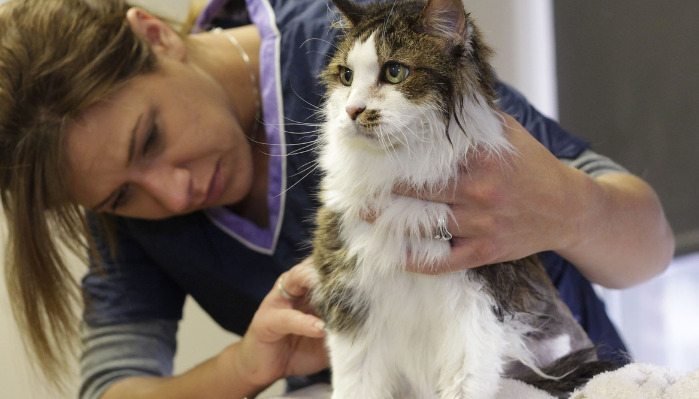
Feline Infectious Peritonitis (FIP) is one of the most challenging diseases veterinarians face in feline medicine. Caused by a mutated form of the feline coronavirus (FCoV), FIP often presents with vague symptoms, making its diagnosis complex. Furthermore, the disease’s progression and response to treatment vary significantly among affected cats. This article explores whether diagnosing FIP is more difficult than treating it, considering current scientific knowledge and clinical practices.
Understanding FIP and Its Pathogenesis
FIP is a lethal disease characterized by a systemic inflammatory response that affects various organs, leading to severe clinical signs. The initial infection with FCoV is common in multi-cat environments, often manifesting as mild gastrointestinal symptoms or asymptomatic carriage. However, only a small percentage of infected cats develop FIP, triggered by a mutation within the virus that allows it to invade macrophages effectively. This mutation makes FIP unique compared to other coronavirus infections, complicating both diagnosis and treatment.
Challenges in Diagnosing FIP
Diagnosing FIP remains notoriously difficult due to several factors:
1. Nonspecific Clinical Signs: Cats with FIP exhibit symptoms such as lethargy, weight loss, decreased appetite, fever, and abdominal or respiratory effusions. These signs are common in numerous other feline diseases, leading to a broad differential diagnosis.
2. Variable Laboratory Findings: Laboratory results often reveal hyperglobulinemia, lymphopenia, anemia, and elevated serum protein levels. While suggestive, these are not definitive for FIP and can occur in infections or inflammatory conditions.
3. Imaging and Cytology Limitations: Ultrasound can detect characteristic effusions and organ changes but cannot confirm FIP conclusively. Cytological analysis of effusions may reveal inflammatory cells, but fewer than 50% of cases show diagnostic features such as viral inclusions, which are rarely seen.
4. Serology and PCR Tests: Serological tests detecting FCoV antibodies cannot distinguish between exposed and infectious cats or identify those with FIP. Polymerase chain reaction (PCR) assays detect viral RNA but cannot differentiate between benign FCoV shedding and pathogenic mutated strains.
5. Postmortem Confirmation: Definitive diagnosis often relies on histopathology and immunohistochemistry, which are only available postmortem. This delay hampers early diagnosis and intervention during a cat’s life.
These multiple diagnostic hurdles mean that clinicians often rely on a combination of clinical judgment, laboratory tests, and supportive imaging to arrive at an FIP diagnosis, but with considerable uncertainty.
Complexities in Treating FIP
Despite these diagnostic challenges, treating FIP has historically been equally, if not more, complex. Traditionally considered incurable, FIP was viewed as a death sentence. Management primarily involved supportive care, such as fluids, corticosteroids, and immunosuppressants to improve quality of life temporarily.
Recent Advances in FIP Treatment
In recent years, breakthroughs have emerged with the development of antiviral drugs, notably nucleoside analogs like GS-441524, which has shown promising results in clinical trials. These treatments can significantly improve survival times and even lead to remission in some cases.
However, treating FIP presents its own set of obstacles:
1. Availability and Cost: Many of these antivirals are not officially approved for veterinary use and may be expensive or difficult to obtain, limiting access for many pet owners.
2. Treatment Duration and Monitoring: Regimens often require several weeks to months of consistent medication. Monitoring response involves repeated blood work and clinical assessments, demanding substantial commitment.
3. Variable Responses: Not all cats respond equally; some may relapse after treatment, and the underlying mechanisms of resistance are still under investigation.
4. Side Effects and Toxicity: Although generally well-tolerated, potential adverse effects include liver enzyme elevations and gastrointestinal upset, requiring careful veterinary oversight.
Comparison of Diagnostic and Therapeutic Difficulties
While diagnosing FIP involves overcoming the limitations of available tests and the disease’s nonspecific presentation, treating FIP has become more feasible due to recent drug developments. Nonetheless, treatment still faces significant challenges, especially concerning accessibility, cost, and long-term management.
In contrast, diagnosis relies heavily on piecing together indirect evidence, making it a complex and uncertain process. Treatment, although historically deemed impossible, has seen breakthroughs that offer hope, but practical issues such as drug availability and monitoring remain significant.
Implications for Veterinary Practice
Veterinarians must maintain a high index of suspicion when faced with compatible clinical signs and use a multimodal approach combining clinical assessment, laboratory data, and imaging. Given the diagnostic uncertainties, a presumptive diagnosis might be necessary for timely intervention.
On the treatment front, emerging therapies necessitate careful client communication regarding realistic expectations, costs, and potential outcomes. The evolving landscape demands ongoing research and education to optimize strategies for managing FIP.
Conclusion
Diagnosing FIP continues to be more difficult than treating it, primarily because of the disease’s nonspecific presentation and limitations of current diagnostic tools. Nonetheless, recent therapeutic advances have shifted the paradigm, transforming FIP from an invariably fatal disease into one with potential for remission and improved quality of life. Continued research and development are essential to further refine both diagnostic criteria and treatment protocols, ultimately benefiting feline health and welfare.
References
1. Pedersen, N.C. (2014). Feline infectious peritonitis. The Veterinary Clinics of North America. Small Animal Practice, 44(2), 267–286.
2. Kipar, A., & Meli, M.L. (2014). Feline infectious peritonitis: Still an enigma? Veterinary Pathology, 51(2), 505–526.
3. Jensen, T., et al. (2019). Diagnostic challenges in feline infectious peritonitis. Journal of Feline Medicine and Surgery, 21(3), 259–273.
4. Kim, Y., et al. (2020). Efficacy of antiviral therapy in feline coronavirus infections: A review. Veterinary Microbiology, 247, 108798.
5. Phelps, C., et al. (2021). Advances in the treatment of FIP: The role of nucleoside analogs. Frontiers in Veterinary Science, 8, 635829.