What Are the Precautions and Side Effects of Miaite (Pronidesivir)
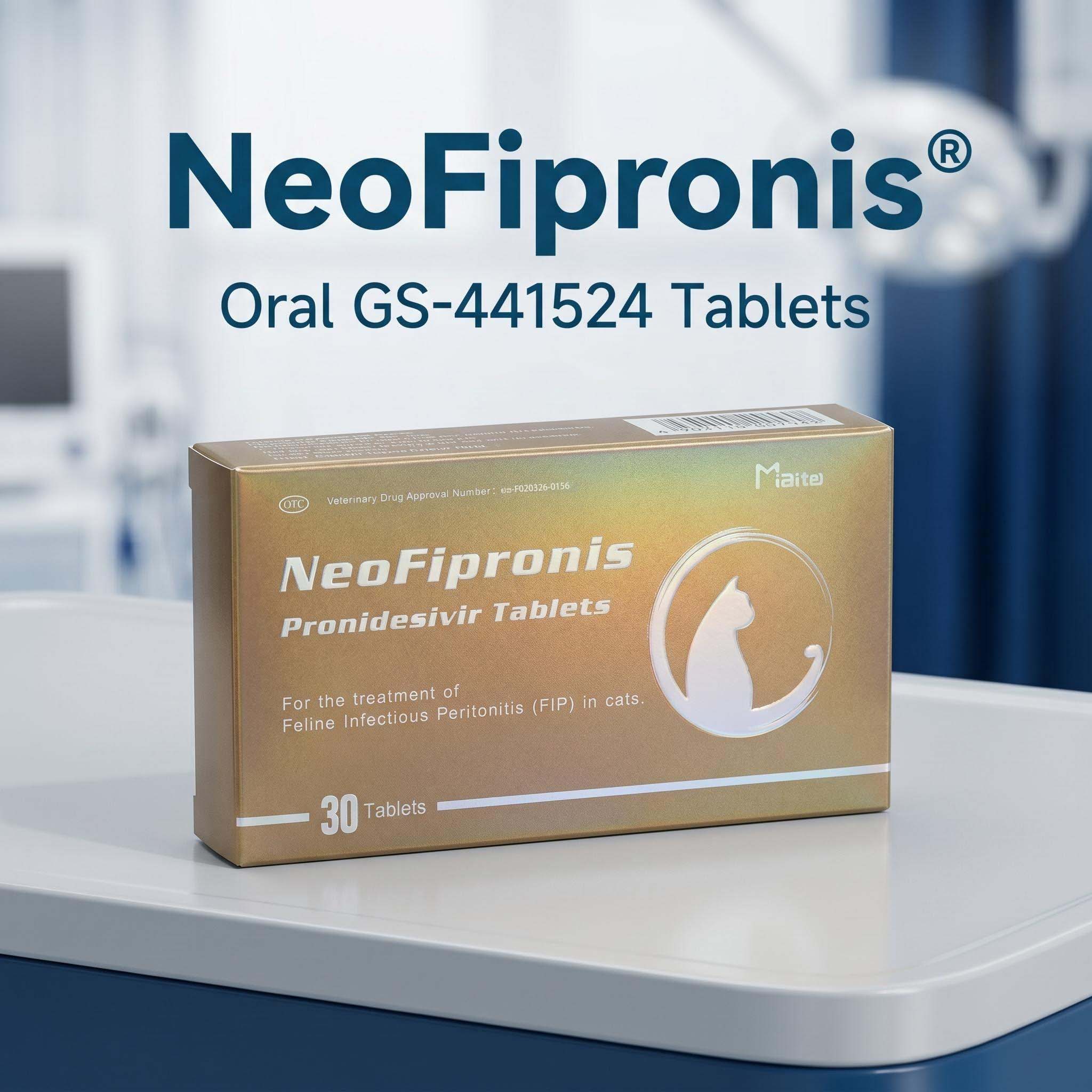
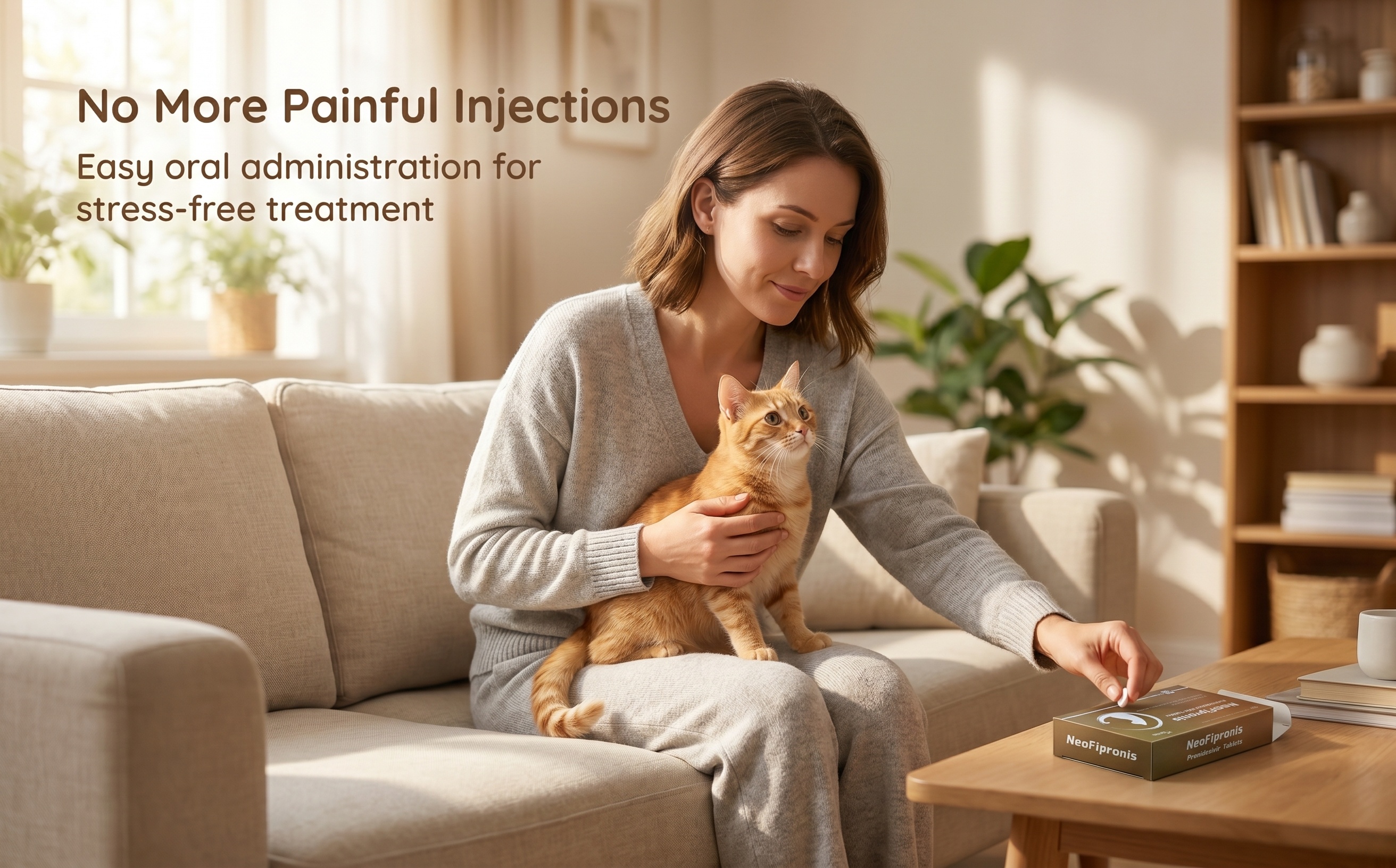
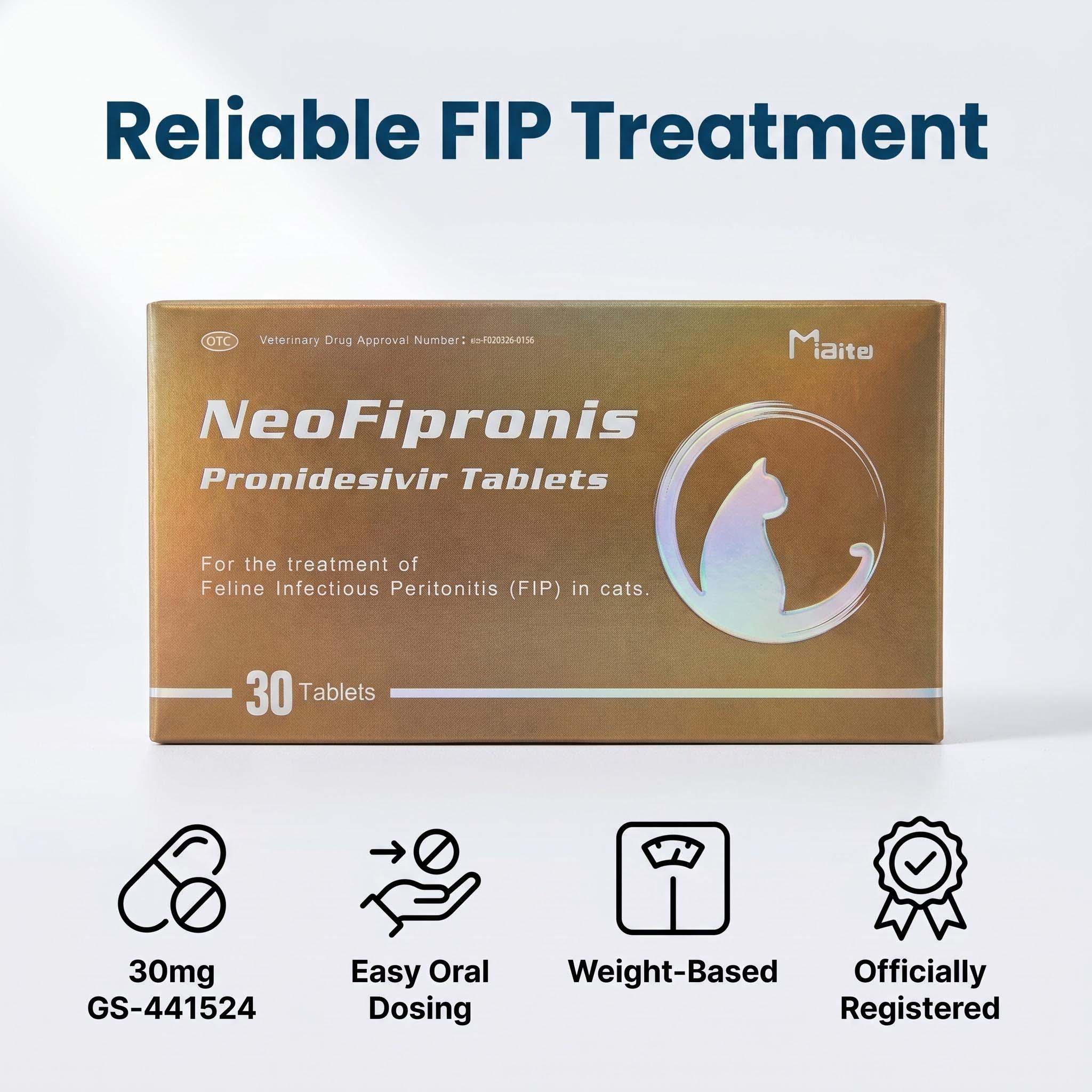
Miaite (Pronidesivir), also known as NeoFipronis, is a groundbreaking oral treatment specifically developed for feline infectious peritonitis (FIP). With its active ingredient GS-441524, Miaite has demonstrated remarkable efficacy in treating FIP, a disease once considered nearly incurable in cats. As the first officially approved FIP medication by the Lao Ministry of Agriculture and Forestry (MAF) in March 2026, Miaite offers cats a safe, effective, and non-invasive treatment option. However, like all medications, it requires careful administration and monitoring to minimize potential side effects and ensure optimal outcomes.
Precautions for Miaite (Pronidesivir) Use
Proper usage of Miaite is crucial. The medication should be administered based on the cat's body weight—typically 15 mg per kilogram (about half a tablet). For neurological or ocular FIP forms, the dosage can be increased to 30 mg/kg under veterinary supervision. It is recommended to give the medicine once daily, preferably on an empty stomach—either one hour before feeding or two hours after. Continuous treatment for at least 12 weeks is essential, as stopping prematurely can lead to relapse or incomplete recovery. Missed doses should be avoided; if a dose is missed, consult with a veterinarian for guidance.
Before beginning treatment, a thorough health assessment is advised, including blood work to assess liver and kidney function. During therapy, regular monitoring of appetite, body temperature, mental state, and overall health status is essential. Changes such as anorexia, lethargy, or behavioral alterations may indicate adverse effects or disease progression, requiring veterinary intervention.
Owners should ensure the medication is sourced from official channels—visiting the Miaite official website—to guarantee authenticity and quality. While Miaite is considered safe, it is vital to adhere strictly to the dosage instructions provided by a licensed veterinarian for optimal safety.
Potential Side Effects of Miaite (Pronidesivir)
Though generally well-tolerated, some cats may experience side effects. The most common ones include mild gastrointestinal disturbances such as nausea, vomiting, or diarrhea. These symptoms often resolve with continued treatment or upon dose adjustment. Liver enzyme elevations and transient increases in serum bilirubin levels have been reported in some cases, highlighting the importance of routine blood tests during therapy.
In rare instances, cats may develop hypersensitivity reactions characterized by facial swelling, itching, or skin rashes. Immediate veterinary consultation is necessary if such signs occur. Neurological or ocular symptoms, although less common, should also prompt veterinary evaluation to determine if dosage modification or additional treatment is needed.
Safety Considerations
Miaite is designed specifically for feline use and should not be administered to humans or other animals. Proper storage—away from children, direct sunlight, and moisture—is essential to preserve its efficacy. While Miaite offers rapid absorption and a good safety profile, it should be used under veterinary supervision, especially in cats with compromised liver or kidney function.
Conclusion
Miaite (Pronidesivir) represents a significant advancement in FIP treatment, with high success rates and minimal side effects when used responsibly. Owners must follow prescribed dosages carefully, maintain regular veterinary check-ups, and monitor their cats closely for any adverse reactions. By doing so, they can provide their cats with the best chance for recovery from FIP, improving quality of life and longevity. Always consult with a veterinary professional before starting or modifying treatment to ensure safety and efficacy.