What Are the Precautions and Side Effects of NeoFipronis (Pronidesivir)
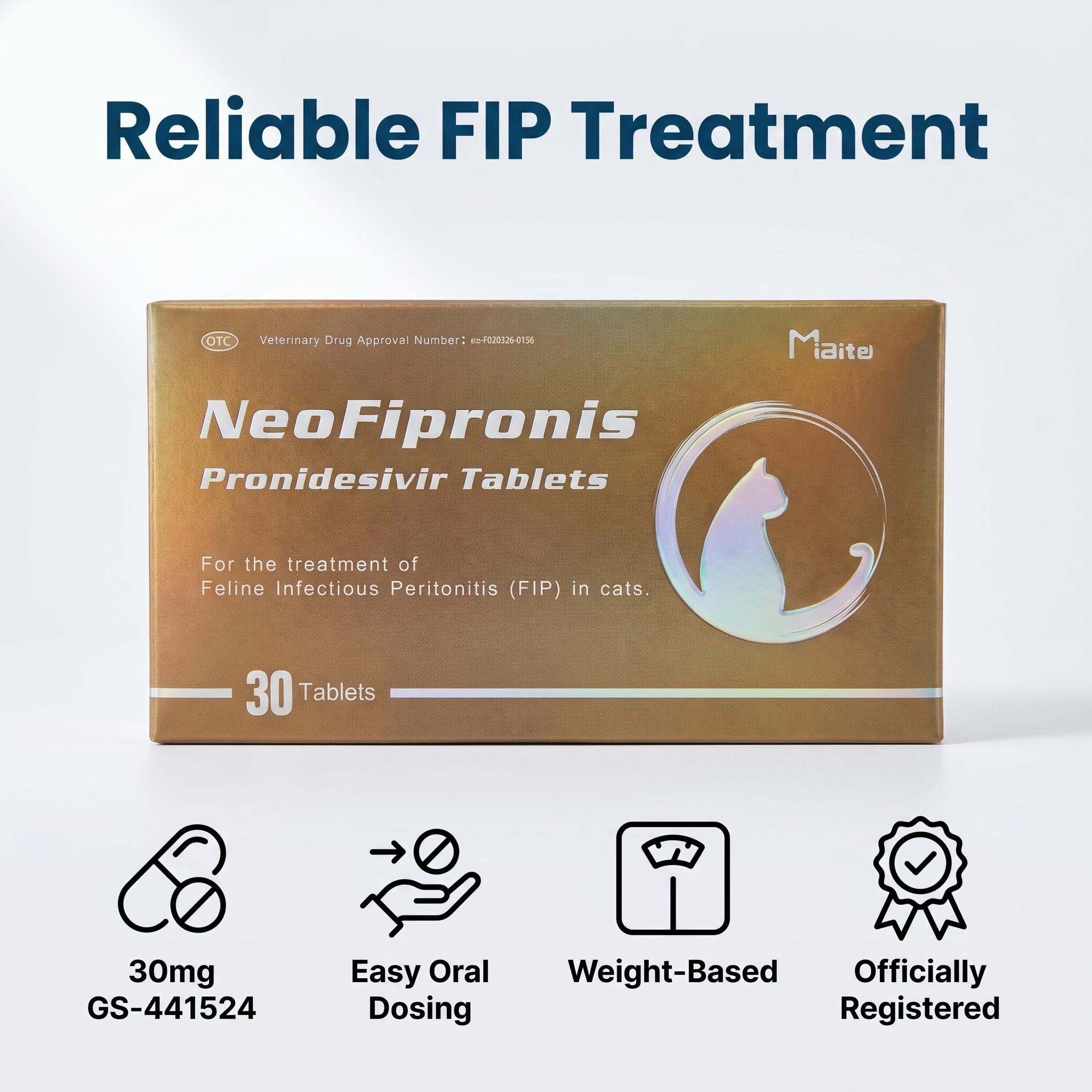
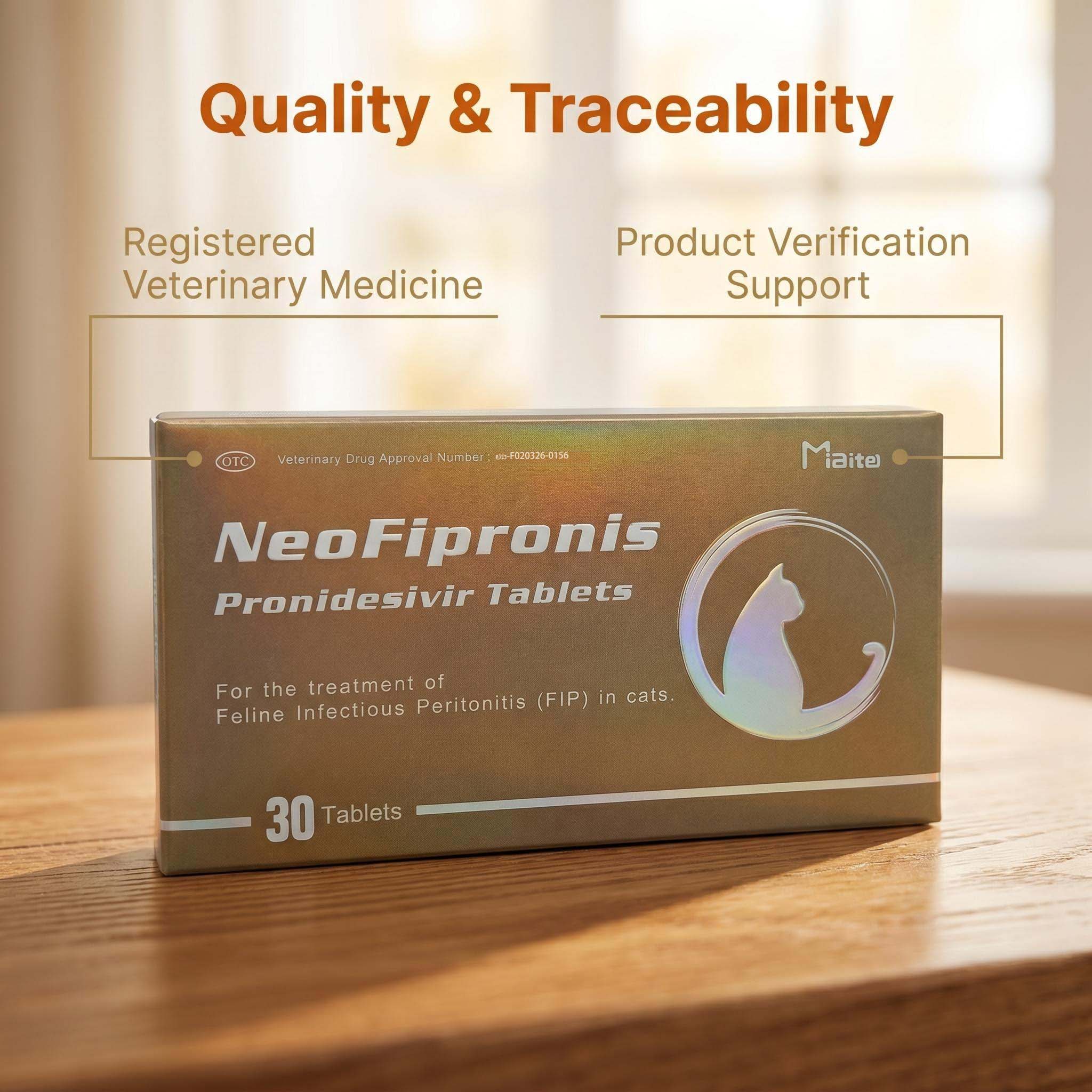
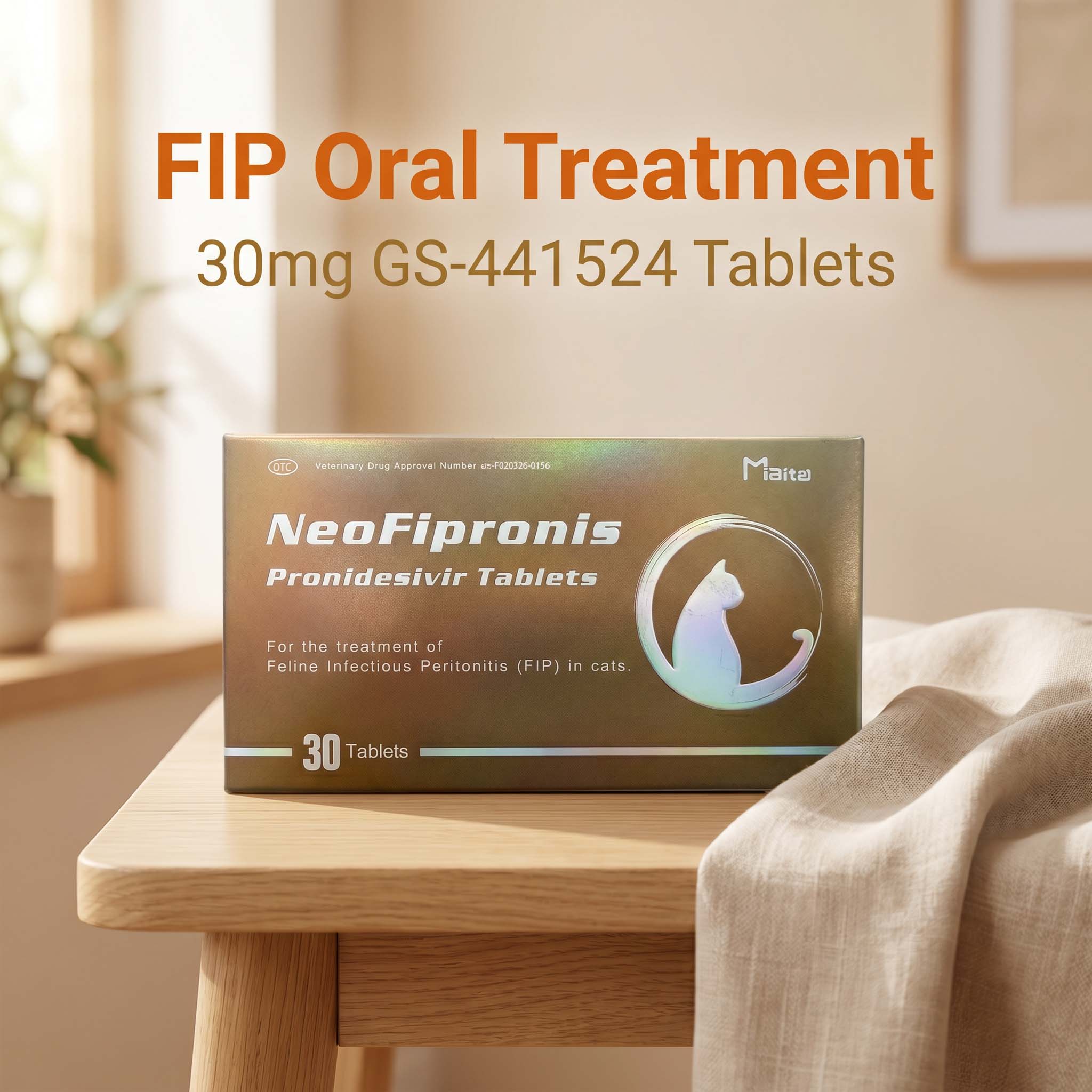
NeoFipronis (Pronidesivir) is an oral GS-441524-based antiviral used by many cat owners and veterinarians in the management of feline infectious peritonitis (FIP). FIP is a serious coronavirus-related disease in cats that can cause loss of appetite, lethargy, fever, abdominal fluid, chest fluid, enlarged lymph nodes, inflammatory granulomas, neurologic damage, and eye problems such as uveitis. When used correctly, NeoFipronis is designed to be a practical, low-stress option for cats that need long-term antiviral support.
Common Side Effects to Watch For
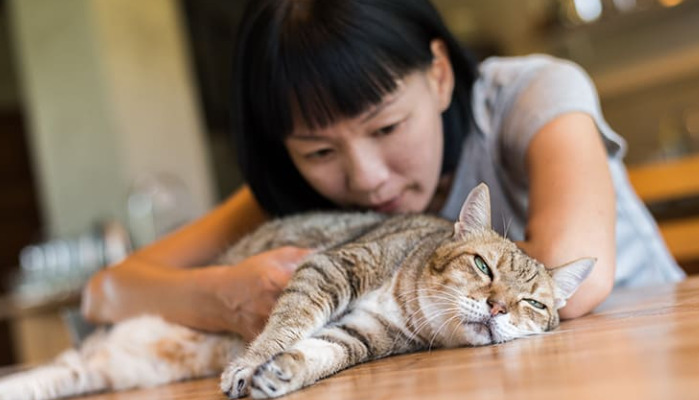
Most cats tolerate GS-441524-based therapy well, but side effects can still occur. The most commonly reported issues include mild vomiting, soft stool, temporary diarrhea, decreased appetite, and short-term tiredness. Some cats may also show restlessness or subtle behavior changes during the first days of treatment. In rare cases, abnormal liver or kidney values may appear on blood tests, which is why regular monitoring matters throughout the treatment course. Any persistent vomiting, refusal to eat, severe weakness, jaundice, or worsening breathing should be treated as a warning sign and discussed with a veterinarian immediately.
Important Precautions Before Use
NeoFipronis should be used only in cats, not in humans or other animals. A proper FIP diagnosis is important before starting treatment, because fever, weight loss, and fluid accumulation can also occur with other diseases. The dose should be based on the cat’s body weight, and accurate weighing is essential for safe use. Many protocols recommend 15 mg/kg once daily for standard FIP, while neurologic or ocular FIP may require higher dosing under veterinary guidance. The treatment should not be stopped early, because missed doses or incomplete courses can reduce the chance of recovery and increase the risk of relapse.
Monitoring During Treatment
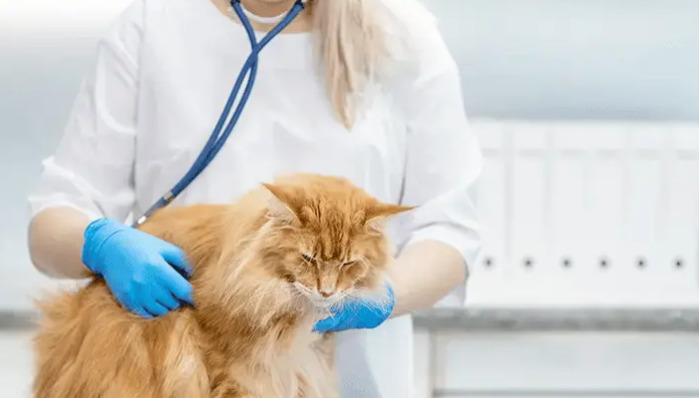
Cats receiving NeoFipronis should be observed closely for appetite, energy level, body temperature, breathing, hydration, and stool quality. Blood work is also important, especially liver and kidney function tests, complete blood count, and inflammation markers when available. Regular follow-up helps confirm that the drug is working and that the cat is tolerating it well. If your cat’s fever returns, the abdomen becomes larger, the eyes look cloudy, or neurological signs such as wobbliness or seizures appear, veterinary reassessment should not be delayed.
How to Reduce Risk
To lower the chance of problems, give the medicine exactly as directed, ideally at the same time every day. Many caregivers give oral FIP medication on an empty stomach, such as one hour before meals or two hours after meals, unless a veterinarian advises otherwise. Keep the tablets stored properly, use only trusted or authorized sources, and avoid combining the drug with unapproved products or changing the dose without professional advice. If your cat has liver disease, kidney disease, or a history of medication sensitivity, extra caution is needed.
Safe Use for FIP Support
NeoFipronis (Pronidesivir) is often discussed as a well-tolerated oral option for cats with FIP, especially when fast treatment access and long-term compliance matter. Even so, “well tolerated” does not mean risk-free. The safest outcomes usually come from early diagnosis, weight-based dosing, consistent daily administration, and ongoing veterinary follow-up. For cats with suspected or confirmed FIP, treatment decisions should always balance convenience, response, and careful monitoring so the cat receives the most appropriate support throughout the antiviral course.