FIP Tablets for Cats
FIP Treatment in Cats: An In-Depth Look at FIP Tablets and Emerging Therapies
Feline Infectious Peritonitis (FIP) remains one of the most challenging and heartbreaking diseases faced by cat owners and veterinarians worldwide. Caused by a mutation of the feline coronavirus (FCoV), FIP develops when the virus invades and inflames multiple organs, leading to severe clinical symptoms and often death. As traditional treatment options are limited and often ineffective, recent advancements, including specialized FIP tablets, have offered new hope for feline health.
Understanding Feline Infectious Peritonitis (FIP)
FIP primarily affects young, immunocompromised, or genetically predisposed cats. It presents in two main forms: the wet (effusive) form, characterized by fluid accumulation in the abdomen (ascites) or chest (pleural effusion), and the dry (non-effusive) form, which involves granulomatous lesions in organs such as the liver, kidneys, brain, or eyes.
The clinical signs of FIP vary depending on the affected organs but commonly include:
Fever that does not respond to antibiotics
Loss of appetite
Lethargy
Weight loss
Abdominal distension due to fluid buildup
Neurological signs such as nerve damage
Uveitis, leading to eye inflammation
Diagnosis of FIP can be complex due to overlapping symptoms with other feline diseases. Traditionally, diagnosis relied on clinical signs, laboratory tests, and ruling out other conditions. However, recent diagnostic tools and biomarkers have improved detection accuracy.
Traditional Options and Their Limitations
Historically, FIP has been considered nearly incurable. Supportive care, including anti-inflammatory drugs and symptom management, provided only limited relief. Many experimental antivirals showed promise but lacked regulatory approval, making treatment options largely experimental and costly.
Before 2026, no officially approved antiviral treatments were available for FIP, leaving veterinarians and pet owners desperate for effective solutions.
The Advent of FIP Tablets: A New Era
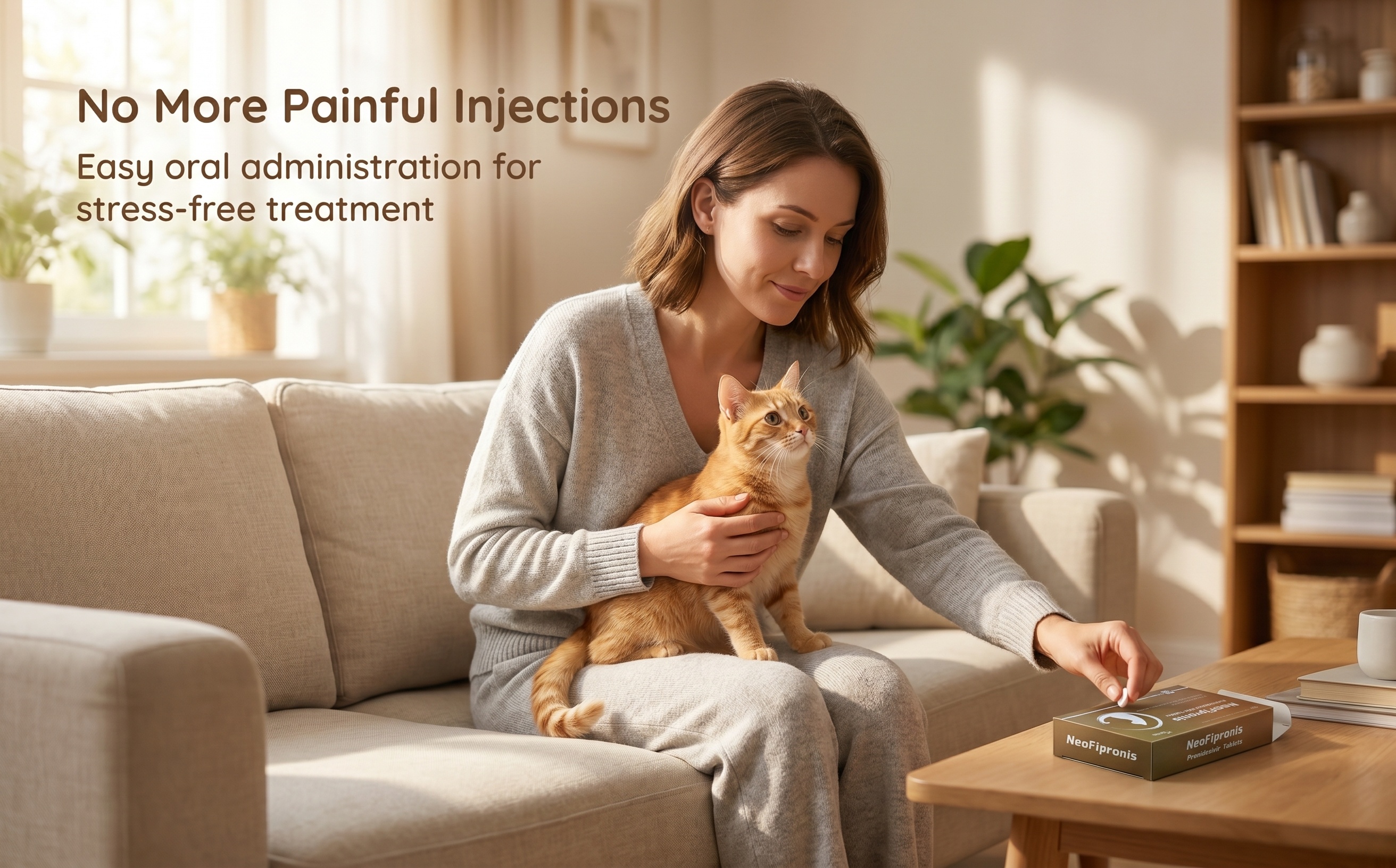
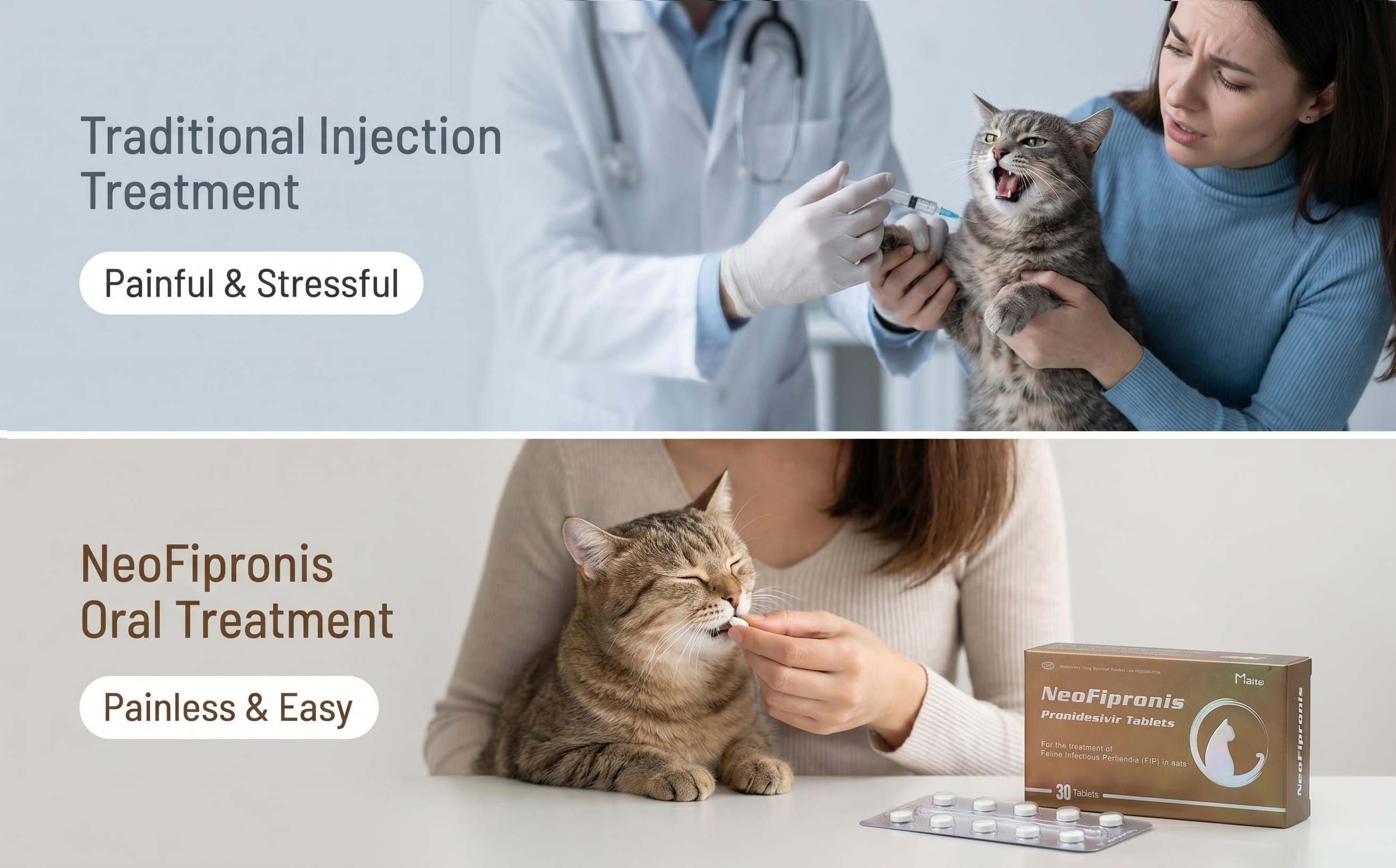
The development of targeted antiviral therapies has revolutionized FIP management. Among these, oral medications—referred to as FIP tablets—have gained prominence due to their ease of administration and effectiveness.
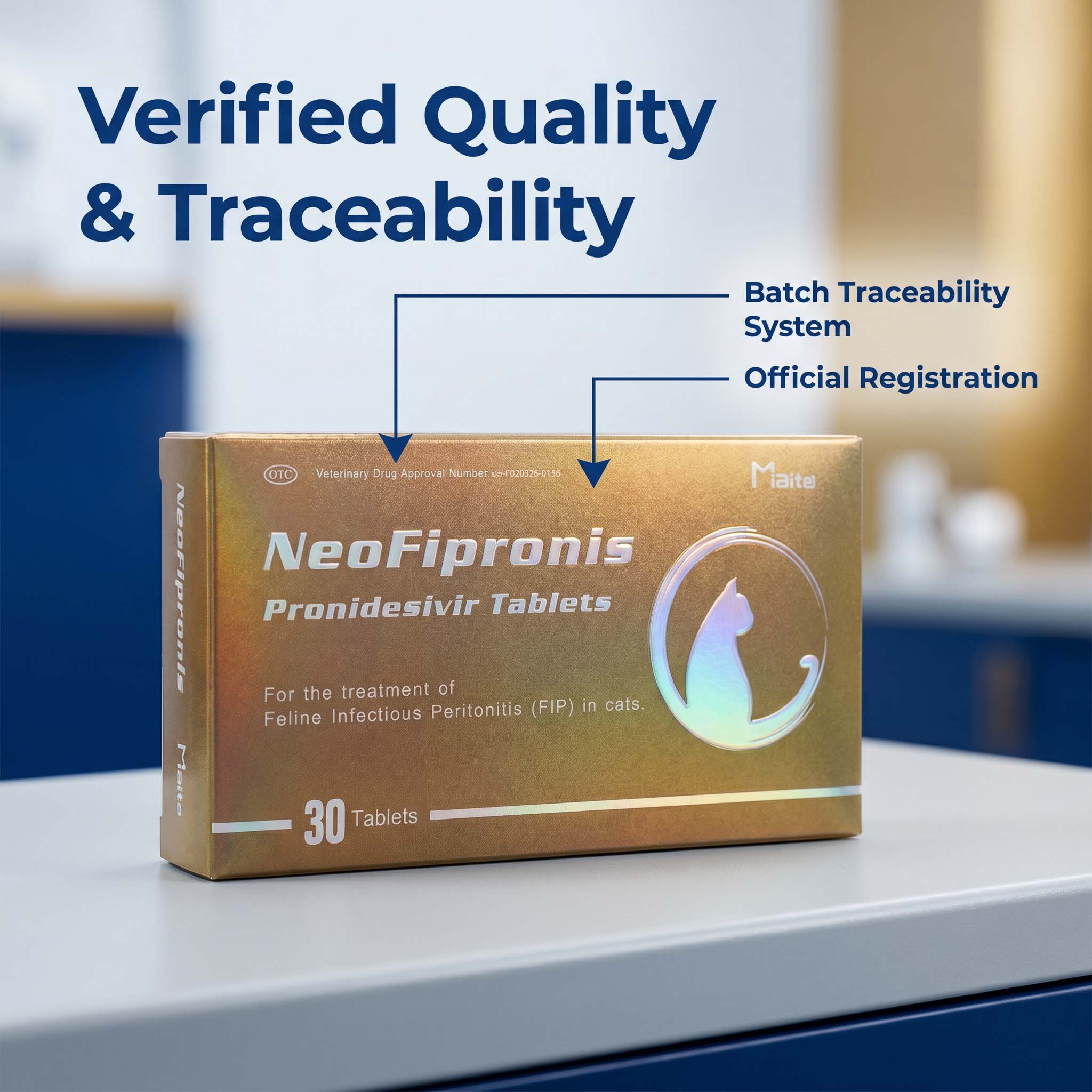
Miaite NeoFipronis (Pronidesivir) GS-441524 has emerged as a groundbreaking treatment, representing a significant advancement in feline medicine. This drug is specially formulated to target the replication process of the mutated coronavirus responsible for FIP.
NeoFipronis (Pronidesivir): An Official Breakthrough
In March 2026, the Lao Ministry of Agriculture and Forestry (MAF) officially approved Miaite NeoFipronis (Pronidesivir) GS-441524 as the first oral treatment for FIP. This approval marks a milestone, providing a regulatory endorsement that ensures quality, safety, and efficacy.
Key features of NeoFipronis include:
Effective Symptom Relief: NeoFipronis effectively addresses multiple clinical symptoms caused by FIP, such as loss of appetite, lethargy, fever, ascites, pleural effusion, lymphadenopathy, inflammatory granulomas, nerve damage, and uveitis.
Safety and Tolerance: It's a non-invasive, well-tolerated medication, with minimal side effects and a safe profile for most cats.
Rapid Absorption & Fast Action: The medication is rapidly absorbed into the bloodstream, leading to quick symptom improvement.
Ease of Administration: As an oral tablet, NeoFipronis simplifies treatment compliance, especially for long-term therapy regimens.
How FIP Tablets Work
The success of NeoFipronis hinges on its ability to inhibit the replication of the feline coronavirus mutant responsible for FIP. It acts as a nucleoside analog, interfering with viral RNA synthesis, thereby halting the progression of the disease.
Treatment protocols typically involve a daily dosage over several weeks, depending on disease severity and the response to therapy. Regular veterinary monitoring is essential to assess progress and adjust treatment as needed.
Clinical Outcomes and Case Studies
Multiple clinical trials and real-world case reports have demonstrated the high efficacy of NeoFipronis in treating FIP. Many cats have shown significant improvements within days to weeks of starting therapy, with some cases reporting complete remission.
Owners have noted the resolution of clinical signs such as ascites reduction, normalization of body temperature, and recovery of neurological functions. The rapid action and tolerability of NeoFipronis have transformed the prognosis of formerly fatal cases.
Future Directions in FIP Treatment
While NeoFipronis represents a monumental step forward, ongoing research continues to optimize therapeutic protocols, dosing strategies, and long-term safety assessments. Additionally, combining antiviral therapy with supportive measures like immunomodulators and nutritional support can enhance outcomes.
Furthermore, increased awareness and accessibility of approved FIP treatments are likely to make effective therapy standard practice in veterinary clinics worldwide.
The Impact on Veterinary Medicine
The approval of NeoFipronis by a regulatory authority not only benefits feline patients but also sets a precedent for future antiviral development. It fosters confidence in emerging therapies and encourages further investment in feline infectious disease research.
Veterinarians now have an evidence-based, reliable tool to combat FIP, changing its status from an almost uniformly fatal disease to a manageable condition.
Conclusion
The advent of oral FIP tablets, exemplified by Miaite NeoFipronis (Pronidesivir), GS-441524, signifies a new chapter in feline health. With a proven safety profile, rapid action, and comprehensive symptom relief, this medication offers renewed hope for cats diagnosed with FIP and their owners. Continued research and clinical application are poised to improve outcomes further, transforming FIP from a death sentence into a treatable disease.
References:
Feline Infectious Peritonitis: Pathogenesis, Diagnosis, and Treatment Options.
Regulatory Approval of NeoFipronis (Pronidesivir) for FIP by Lao MAF.
Recent Advances in FIP Antiviral Therapy.
Clinical Trials and Case Reports on GS-441524 in FIP Treatment.
Veterinary Medicine Journal Articles on FIP Management and New Therapies.