NeoFipronis (Pronidesivir) Benefits, Effects, and Side Effects
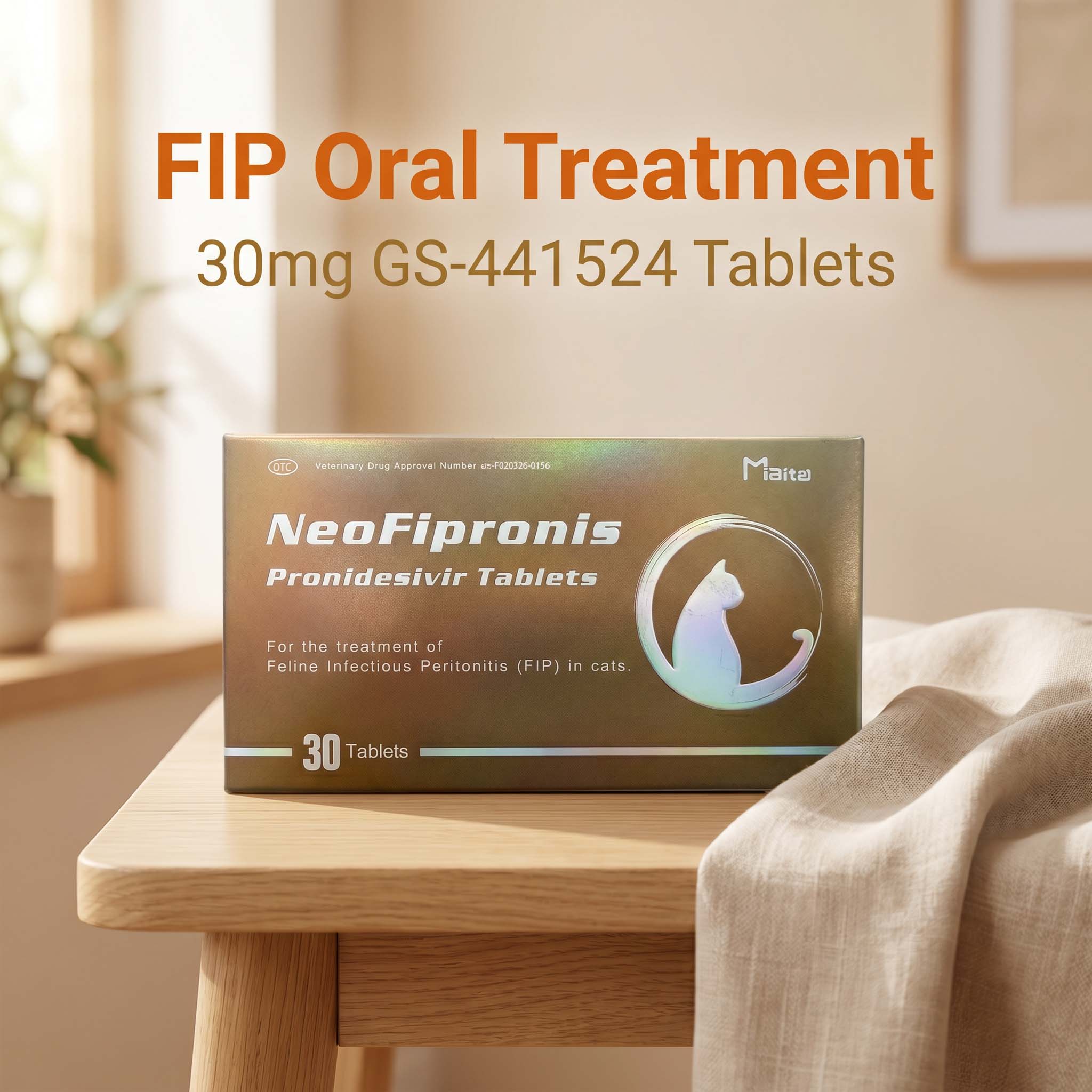
NeoFipronis (Pronidesivir) is an oral GS-441524-based treatment option discussed for feline infectious peritonitis (FIP), a serious and often life-threatening disease in cats. FIP can cause loss of appetite, low energy, fever, abdominal fluid accumulation, chest fluid, enlarged lymph nodes, inflammatory granulomas, neurological signs, and eye inflammation such as uveitis. Because of its targeted antiviral activity, NeoFipronis is widely recognized for its potential to improve quality of life in cats affected by FIP.
The active ingredient, GS-441524, has been studied extensively and has gained attention for its ability to suppress feline coronavirus replication, which is the underlying cause of FIP. In many cats, timely treatment may lead to noticeable improvements in appetite, alertness, temperature regulation, and overall condition within a relatively short period. This is one reason NeoFipronis is valued by cat owners seeking an effective oral option that is convenient and non-invasive.
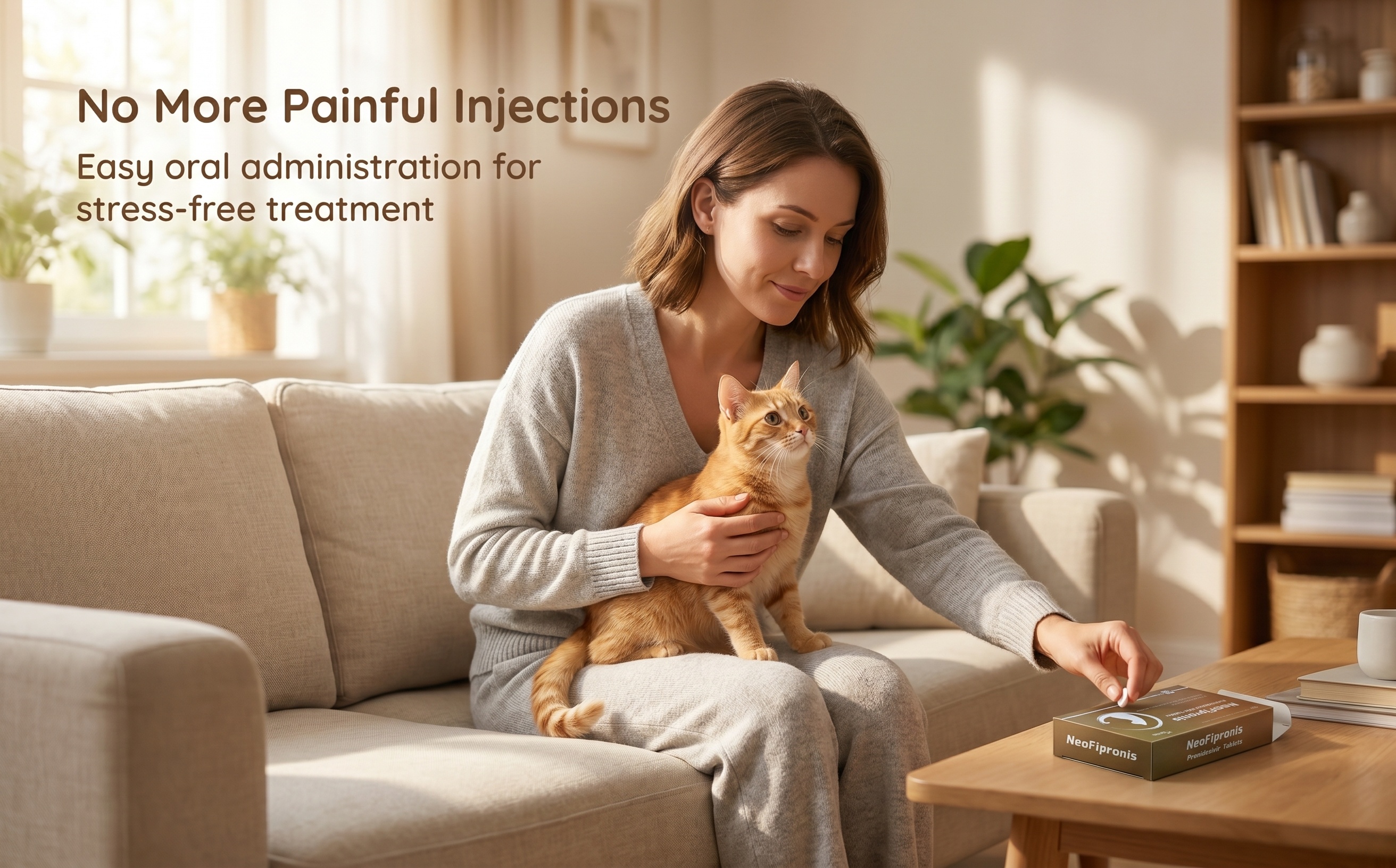
One of the major benefits of NeoFipronis (Pronidesivir) is ease of administration. As an oral medication, it avoids the stress and discomfort of injections, making long-term treatment more manageable for both cats and caregivers. It is also reported to be fast-absorbing, well-tolerated, and associated with fewer side effects compared with more invasive approaches. For cats with wet FIP, dry FIP, neurological FIP, or ocular FIP, treatment is often adjusted according to severity and clinical response.
The typical dosage is based on body weight. A common guideline is 15 mg per kilogram of body weight once daily, which is often described as half a tablet depending on formulation strength. Neurological or ocular FIP may require a higher dose, sometimes increased to 30 mg per kilogram, but this should only be done under veterinary supervision. Dosing is usually given once a day, preferably on an empty stomach, such as one hour before feeding or two hours after a meal, to support absorption.
Continuous treatment is essential. Cats should receive medication for at least 12 weeks without missed doses, because interrupted therapy may reduce effectiveness and increase the risk of relapse. During treatment, owners should closely monitor appetite, body temperature, energy level, breathing, and any changes in vision or walking. Regular bloodwork and liver and kidney function checks are also important to assess safety and response.
Side effects are generally considered mild, but some cats may experience reduced appetite, vomiting, diarrhea, lethargy, or temporary changes in liver-related blood values. These reactions are usually manageable when treatment is guided by a veterinarian. Any worsening symptoms, especially neurological signs or breathing difficulty, should be reported immediately.
NeoFipronis (Pronidesivir) is intended for cats only and must not be used in humans. Although it may be available without a prescription in some settings, veterinary guidance is strongly recommended to ensure proper dosing, monitoring, and follow-up. For product authenticity and quality assurance, buyers should verify purchase sources through the official NeoFipronis website or other trusted channels.
For cat owners searching for FIP treatment, NeoFipronis (Pronidesivir) represents a promising oral GS-441524 option with significant potential benefits, practical dosing, and generally favorable tolerability when used correctly under professional supervision.