Is FIP Related to Viral Mutation
Introduction
Feline Infectious Peritonitis (FIP) represents one of the most challenging and emotionally charged diseases in feline medicine, primarily because it often affects young, healthy cats and is almost always fatal without advanced intervention. Over the past decade, our understanding of FIP has deepened, particularly regarding the pivotal role of viral mutation in its development. This complex relationship between feline coronaviruses and their genetic variability forms the scientific backbone for the disease’s enigmatic behavior, unpredictable presentation, and resistance to treatment. The following discussion unpacks the virology of FIP and the mechanisms by which viral mutation fuels clinical disease, drawing from current literature and scientific inquiry.
Feline Coronavirus: The Baseline
Feline coronavirus (FCoV) is widespread; most cats will be exposed in multi-cat environments at least once in their lifetime. The standard form of FCoV, sometimes termed feline enteric coronavirus (FECV), primarily affects the gastrointestinal tract, often causing nothing more severe than mild diarrhea. Typically, this infection resolves spontaneously, and the cat may shed the virus for weeks or longer without much consequence. This innocuous infection is inextricably linked to the potential development of FIP.
How FIP Arises: The Power of Mutation
The transformation from benign FECV to the deadly FIP-causing virus relies on a critical genetic shift. Current research shows that FIP results from mutation in the coronavirus genome, particularly within infected individual cats. These mutations allow the "mutant" virus to replicate efficiently in monocytes and macrophages—key cells in the immune system. These cells then carry the virus throughout the body, producing the characteristic inflammation and effusive (wet) or non-effusive (dry) manifestations of FIP.
Unlike highly contagious viruses, FIP does not generally spread cat-to-cat as "FIP virus." Rather, the primary transmission is of the benign FECV, which may, under certain conditions, mutate within a given host cat. This phenomenon is known as the “internal mutation theory,” which argues that disease emerges almost exclusively through mutations happening inside the infected cat rather than via exposure to an already virulent strain.
Genetic Drivers: Coronavirus Genes Under Scrutiny
Molecular evidence pinpoints several genetic loci responsible for the crucial switch toward FIP. Most notably, mutations tend to occur in the 3c gene of the viral genome, as well as in spike protein genes essential for virus entry into cells. These mutations alter the tropism—or selectivity—for certain cell types, enabling systemic infection. Recent studies using sequencing and molecular modeling have identified specific point mutations that seem to recur in cats with FIP, suggesting a predictable genetic alteration pattern tied to clinical disease.
Because coronaviruses have an RNA genome that replicates with low fidelity, errors and mutations are frequent. This high mutation rate is, paradoxically, both a shield and a sword for the virus, ensuring its variability and persistence but occasionally creating a deadly variant capable of causing FIP.
Why Mutation Happens: Host Factors and Environment
Not all cats exposed to FCoV will develop FIP. The epidemiology of FIP is complex and involves host genetics, immune status, environmental stressors, and viral load. Young cats, stressed animals, and those saddled with other illnesses or undergoing rehoming are more likely to become susceptible. The interaction between viral mutation and host immune response is regarded as the critical tipping point. Some studies suggest cats possess genetic predispositions that may fail to control mutant viruses, allowing FIP to flourish.
High-density environments like shelters, rescues, or catteries are more likely to promote FCoV transmission and increase the population of persistently infected cats. This increases the statistical odds of a mutation event resulting in FIP, although the “FIP virus” itself is rarely shed by affected cats.
Viral Mutation Versus Recombination
Coronaviruses are notorious for not only their mutation rates but also for their proclivity for recombination—mixing genetic material between different viral strains. However, the role of recombination in FIP’s emergence is secondary compared to point mutations. In unique circumstances, recombinant viruses can acquire new pathogenic features, but all current evidence implicates simple mutations as being paramount in FIP pathogenesis.
Molecular Diagnostics and PCR
Modern veterinary medicine has developed molecular tools to distinguish between enteric strains and FIP-associated mutations. RT-PCR assays and sequencing technologies can identify mutations in specific genes, although the diagnosis of FIP remains challenging and requires integration of clinical, laboratory, and molecular findings. It is crucial to note that detection of FCoV RNA alone is not indicative of FIP; it is the presence of certain mutations within the viral genome that provides stronger evidence.
Clinical Implications
Recognizing that FIP stems from mutations occurring within individual cats has impacted prevention strategies. Since the “FIP virus” is not typically contagious, control efforts center on reducing FCoV exposure, minimizing stress, and promoting overall feline wellness. Vaccines targeting FIP have not achieved wide success, largely because the mutational change happens unpredictably and a protective immune response to the mutant virus is difficult to elicit.
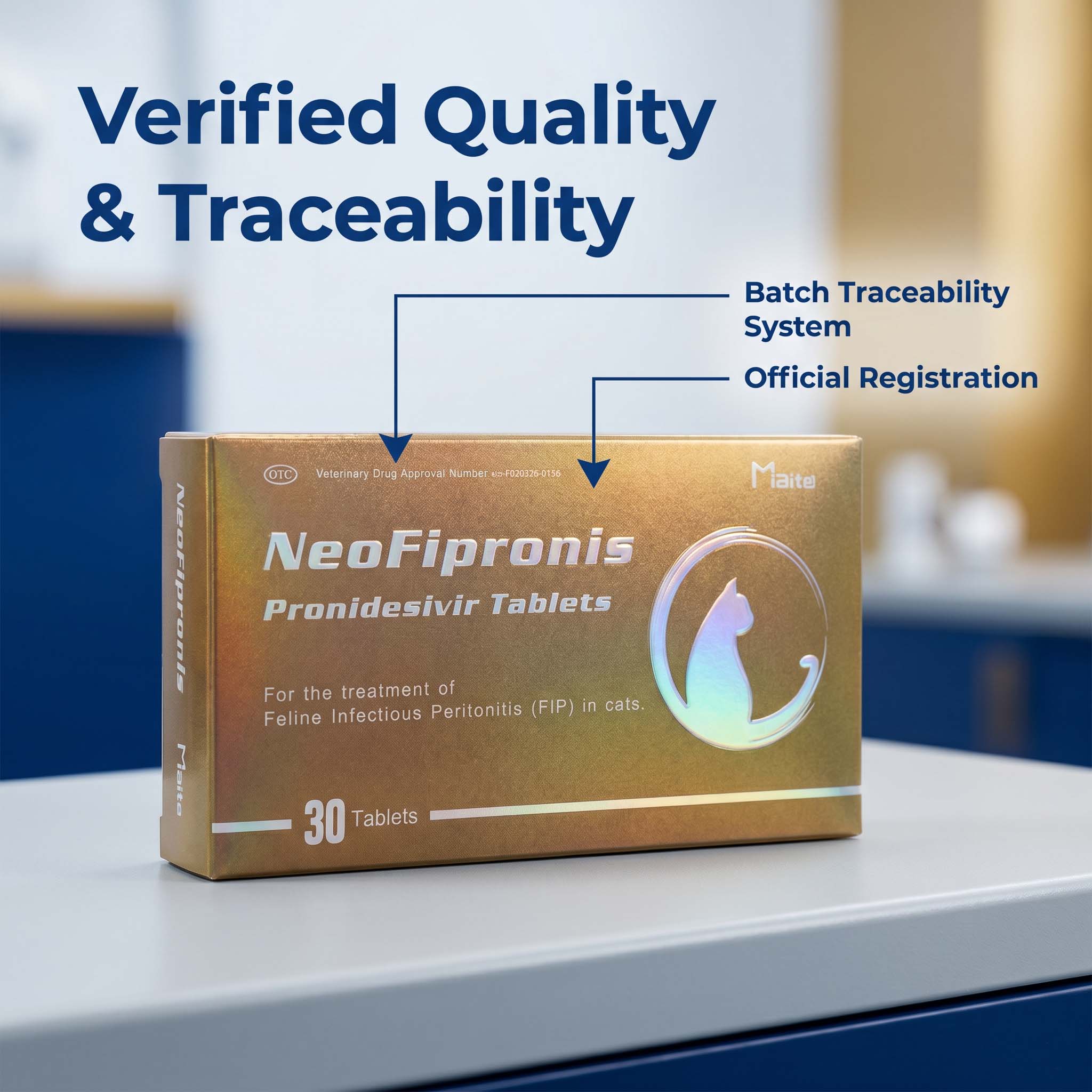
Emerging therapeutics, including antiviral agents like GS-441524, have revolutionized FIP treatment, but these drugs target viral replication rather than the mutational process. As such, mutation remains a foundational challenge in FIP management.
Prevention and Future Directions
Given the mutational etiology of FIP, classic disease control methods—such as quarantine or elimination of carriers—are not effective. Instead, management focuses on reducing FCoV burden, practicing good hygiene, ensuring adequate nutrition, and reducing environmental stressors in multi-cat settings. Ongoing research into the genomic triggers and host factors may eventually lead to genetic screening and more targeted treatment options.
Scientific advances in whole-genome sequencing and CRISPR-based genetic editing hold promise for elucidating the details of FIP-related coronavirus mutations. Future approaches may involve manipulating the viral genome to prevent the critical mutations needed for systemic disease or modulating the feline immune response more effectively.
Current Controversies
It is important to highlight alternative hypotheses about the origin of the FIP-associated virus. Some researchers believe external infection with a “FIP virus” could play a role, although epidemiological data overwhelmingly supports the internal mutation model. The nuances of viral evolution and pathogenicity continue to fuel debate and guide scientific investigation.
Summary of Research Techniques
Much of what is known about FIP and viral mutation comes from advanced genetic studies: sequencing the coronavirus genome from tissue samples, comparing mutant and non-mutant strains, and applying bioinformatics to track the evolution of the pathogen. These techniques are constantly improving, providing increasingly granular insights into the exact relationship between mutation and disease.
References
1. Pedersen, N. C. (2009). A review of feline infectious peritonitis virus infection: 1963–2008. Journal of Feline Medicine and Surgery, 11(4), 225–258.
2. Chang, H. W., de Groot, R. J., Egberink, H. F., & Rottier, P. J. (2010). Feline infectious peritonitis: Insights into feline coronavirus pathobiogenesis and epidemiology based on genetic analysis of the viral 3c gene. Journal of General Virology, 91(2), 415–420.
3. Tekes, G., & Thiel, H. J. (2016). Feline coronaviruses: Pathogenesis of feline infectious peritonitis. Advances in Virus Research, 96, 193–218.
4. Porter, E., Tasker, S., Day, M. J., & Harley, R. (2020). Feline infectious peritonitis: Role of mutations in spike protein and other viral genes in disease development. Veterinary Journal, 262, 105505.
5. Kipar, A., & Meli, M. L. (2014). Feline infectious peritonitis: Understanding the pathogenesis and the role of host genetics. Veterinary Pathology, 51(2), 505–526.
6. Licitra, B. N., Duhamel, G. E., & Whittaker, G. R. (2014). Feline coronaviruses and viral pathogenesis: Implications for COVID-19 and animal models. Viruses, 6(8), 3322–3336.
7. Pedersen, N. C., & Poland, A. M. (2023). Antiviral therapy of feline infectious peritonitis: The road ahead. Journal of Feline Medicine and Surgery, 25(1), 28–39.
8. Stadler, K., Jin, L., & Schlesinger, L. S. (2022). The molecular biology of coronaviruses and the emergence of FIP. Veterinary Quarterly, 42(3), 175–187.