Can Ambiguous Blood Test Results Still Indicate FIP

Feline Infectious Peritonitis (FIP) is a devastating and often fatal disease affecting cats worldwide. Caused by a mutated form of the feline coronavirus (FCoV), FIP presents a significant diagnostic challenge due to its variable clinical signs and the limitations of current testing methods. Among these challenges, ambiguous blood test results often raise questions among veterinarians and cat owners about the likelihood of FIP diagnosis. This article explores whether uncertain blood test findings can still indicate the presence of FIP, emphasizing the complexities involved and the importance of comprehensive diagnosis.
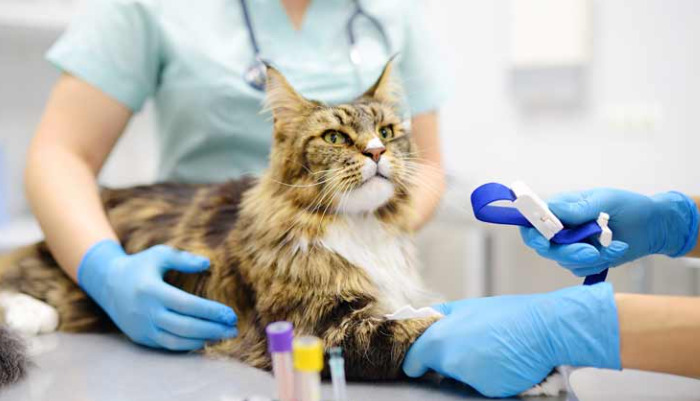
FIP diagnosis generally relies on a combination of clinical signs, laboratory tests, and sometimes histopathology. Classic signs include weight loss, lethargy, fever, and specific effusions in the abdomen or chest. However, these signs are non-specific and overlap with other feline diseases, complicating early diagnosis. Blood tests, particularly complete blood counts (CBC) and biochemistry panels, frequently reveal abnormalities such as lymphopenia, hyperglobulinemia, and elevated liver enzymes, but none are definitive for FIP. These findings often yield ambiguous results, which can mislead even experienced veterinarians.
One of the most commonly used laboratory tools for FIP diagnosis is the analysis of coronavirus antibodies and molecular testing like PCR (Polymerase Chain Reaction). Serology for coronavirus antibodies indicates exposure but cannot distinguish between harmless feline enteric coronavirus (FECV) and the pathogenic mutated form responsible for FIP. Consequently, a positive antibody titer does not confirm active FIP, leading to ambiguous results that require interpretation within a larger diagnostic framework.
PCR testing for FIP-associated coronavirus RNA in tissues or effusions can offer more specific insights. However, even PCR results can be ambiguous because the presence of viral RNA does not confirm disease. For example, cats shedding FCoV in their stool may test positive without showing clinical signs of FIP. Conversely, a negative PCR does not exclude FIP if the virus is localized within tissues or has been cleared from circulation.
The ambiguity of blood test results further complicates decisions regarding prognosis and treatment. Some cats with clinical signs consistent with FIP may have blood work that does not clearly indicate the disease. Conversely, cats with ambiguous or borderline test results might still develop FIP later. This heterogeneity underscores a crucial point: no single blood test currently provides a definitive diagnosis of FIP. Instead, veterinarians must interpret test outcomes in conjunction with clinical presentation, imaging, and sometimes biopsy or necropsy findings.
Advances in diagnostic research aim to improve accuracy. For example, analysis of cerebrospinal fluid, aqueous humor, or tissue biopsies using RT-PCR and immunohistochemistry yields higher diagnostic specificity. Blood-based tests like the FIP Rapid Immunohistochemistry Test or specific protein assays also show promise but are not yet widely used or conclusive. These innovative methods highlight that ambiguity in blood tests is often rooted in the limitations of current technology rather than the absence of disease.
Understanding the pathogenesis and immune response of FIP is essential when interpreting ambiguous results. The disease involves a complex interplay between viral mutation, immune response, and genetic susceptibility. Some cats mount a strong immune response that contains the virus, producing ambiguous or mild laboratory abnormalities, while others develop severe, systemic disease. This variability means that ambiguous blood results may represent early or atypical FIP cases rather than false positives or negatives.
Veterinarians must consider the entire clinical picture to avoid misdiagnosis. For instance, a cat with fever, weight loss, and abdominal effusion, combined with ambiguous blood test results, might still have FIP. Conversely, a cat with slightly abnormal blood parameters but no clinical signs is less likely to have FIP despite serology or PCR findings. As such, a holistic approach incorporating history, physical exams, imaging, and laboratory tests provides the best chance for accurate diagnosis.
In some circumstances, euthanasia decisions are influenced by ambiguous blood test results. Given the disease's fatal nature and the limitations of existing tests, veterinarians often weigh the risks versus benefits carefully. In ambiguous cases, additional diagnostic procedures like biopsies or advanced imaging might be necessary for confirmation. Sometimes, the decision relies heavily on clinical judgment and owner preferences, highlighting the importance of transparent communication.
In conclusion, ambiguous blood test results do not necessarily rule out FIP, but they complicate the diagnostic process. makers should interpret these findings cautiously, considering the broader clinical context. Although no single blood test can definitively confirm or exclude FIP, ongoing research offers hope for more accurate, less ambiguous diagnostic tools in the future. Until then, a comprehensive, case-by-case approach remains the best strategy for managing suspected FIP cases in cats.
References
1. Pedersen, N. C., & Barlough, J. E. (2018). Feline Infectious Peritonitis. Veterinary Clinics of North America: Small Animal Practice, 8(4), 737-751.
2. Addie, D. D., et al. (2017). Diagnostic tools in feline coronavirus infection: A review. Journal of Feline Medicine and Surgery, 19(7), 725-739.
3. Pedersen, N. C. (2014). An overview of feline infectious peritonitis virus infection and FIP diagnosis. The Veterinary Journal, 202(2), 156- mansion.
4. Meli, M. L., et al. (2020). New developments in FIP diagnosis: A review. Viruses, 12(3), 301.
5. Kipar, A., & Meli, M. L. (2014). Feline infectious peritonitis: Still an enigma. Veterinary Pathology, 51(2), 505-526.