What Are the Drug Interactions of NeoFipronis (Pronidesivir)

NeoFipronis (Pronidesivir) is an oral feline infectious peritonitis (FIP) treatment associated with GS-441524, a nucleoside analog studied for its antiviral activity against feline coronavirus. For cats with FIP-related symptoms such as poor appetite, lethargy, fever, ascites, pleural effusion, lymph node enlargement, inflammatory granulomas, neurological signs, or uveitis, treatment success depends not only on correct dosing but also on avoiding harmful drug combinations. Because FIP cats are often weakened, dehydrated, or affected by liver and kidney stress, understanding NeoFipronis drug interactions is an important part of safe care.
Known and Potential Drug Interactions
Published interaction data for GS-441524-based products remain limited, so veterinarians usually rely on pharmacologic principles and clinical monitoring. The most important concern is overlapping toxicity rather than a direct, well-documented chemical interaction. Drugs that may increase strain on the kidneys or liver should be used carefully, especially in cats that already have abnormal bloodwork or severe FIP. This includes some anti-inflammatory drugs, certain antibiotics, antifungals, and other medications known to affect organ function.
Medicines That Need Extra Caution
Corticosteroids, such as prednisolone, may be prescribed in some FIP cases to reduce inflammation, but they should only be used under veterinary supervision because they can complicate immune status and mask clinical changes. Nonsteroidal anti-inflammatory drugs (NSAIDs) require caution due to possible kidney stress and dehydration risk. Aminoglycoside antibiotics, some azole antifungals, and other nephrotoxic drugs can also increase the chance of adverse effects when given alongside NeoFipronis. If the cat is receiving multiple supportive medicines, the veterinarian may want to check liver enzymes, creatinine, BUN, and hydration status more frequently.
Supportive Therapies and Combination Use
Many FIP cats need supportive treatment such as appetite stimulants, anti-nausea medicine, fluid therapy, liver support, or nutritional supplementation. These are not automatically incompatible with NeoFipronis, but the full medication plan should be reviewed as a whole. If a cat is receiving another antiviral, a compounded FIP product, or any medication that contains a similar active ingredient, duplication should be avoided unless a veterinarian has specifically approved it. For cats with neurological or ocular FIP, dose adjustments and close follow-up are especially important.
Food, Supplements, and Administration Timing
NeoFipronis is commonly given once daily, and many protocols recommend an empty stomach for better absorption, such as one hour before food or two hours after eating. While this is not a classic “drug interaction,” food and supplements can still affect how well the medicine is tolerated. Calcium, iron, and some gastrointestinal supplements may interfere with absorption in certain cases, so spacing them apart is often sensible. Always follow the product label and your veterinarian’s instructions if your cat is already on a special diet or receiving additional supplements.
Monitoring During Treatment
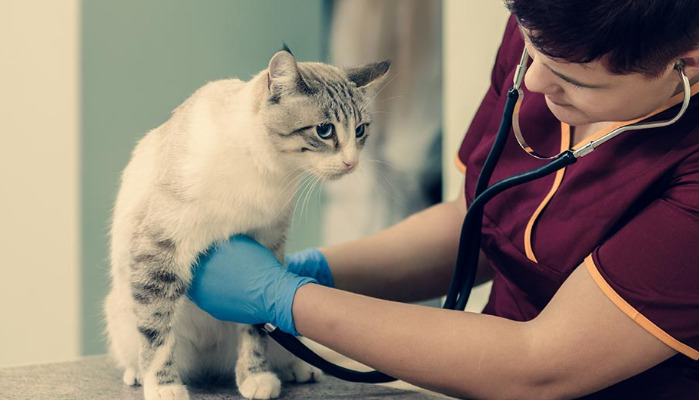
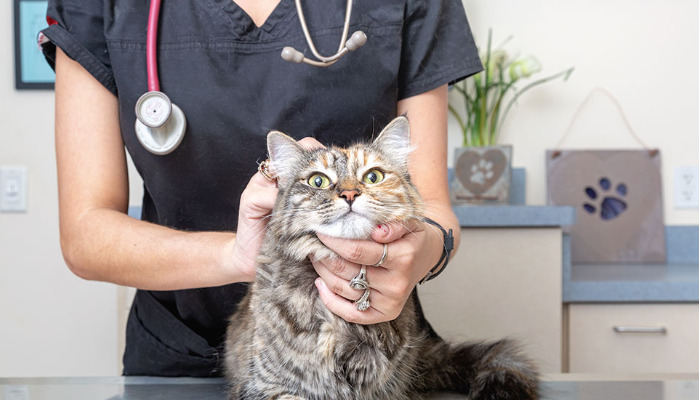
The safest way to manage NeoFipronis drug interactions is through regular monitoring. Watch for appetite, body temperature, energy level, vomiting, diarrhea, yellowing of the eyes, or changes in urination. Bloodwork during treatment helps identify liver or kidney issues early, especially when other medications are being used at the same time. For cats with FIP, treatment should remain continuous and closely supervised, because missed doses or poorly chosen combinations can reduce the chance of recovery.
NeoFipronis should be used only in cats and only with veterinary guidance whenever possible. If your cat is taking any other medication, ask a veterinarian or feline specialist before starting or combining treatments.