NeoFipronis Recovery Stories From Real Cats
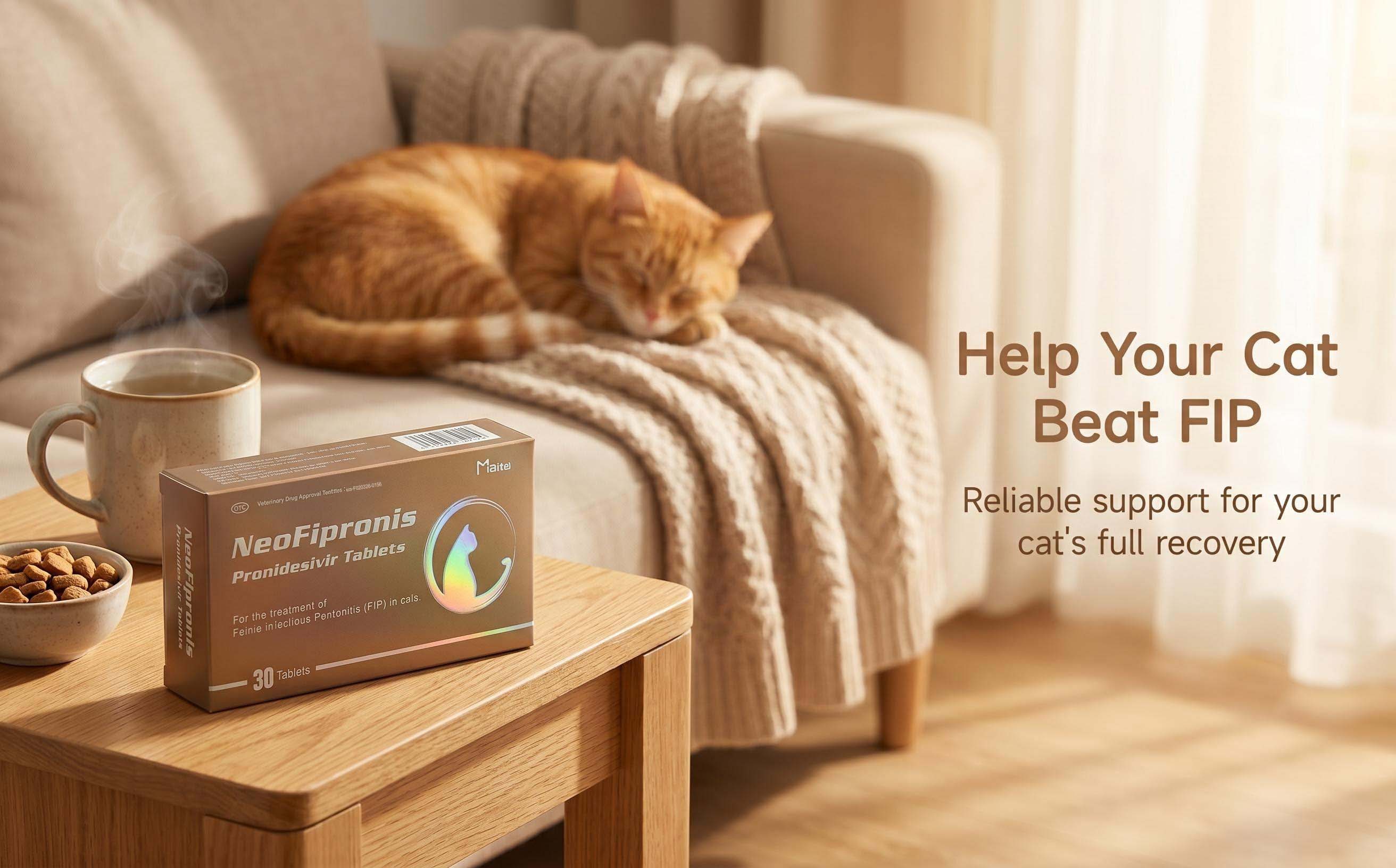
Feline Infectious Peritonitis (FIP) remains one of the most devastating diseases affecting cats worldwide. Caused by a mutated form of the feline coronavirus, FIP has long been considered almost always fatal once symptoms appear. Traditionally, treatment options were limited to supportive care, with most cats succumbing to the disease within weeks or months. However, recent advances in veterinary medicine, especially with the introduction of groundbreaking oral medications like NeoFipronis (Pronidesivir), have transformed the landscape of FIP management.
Understanding FIP: Symptoms and Challenges
FIP manifests through a variety of clinical signs, which can make early diagnosis difficult. Common symptoms include loss of appetite, lethargy, fever, and weight loss. As the disease progresses, cats often develop fluid accumulation in the abdomen (ascites), chest cavity (pleural effusion), and enlarged lymph nodes (lymphadenopathy). Some cases present with inflammatory granulomas affecting organs such as the liver, spleen, and kidneys. Nervous system involvement can cause nerve damage and neurological signs, while ocular inflammation (uveitis) affects the eyes.
The complexity of FIP’s pathology, coupled with its rapid progression, has historically made effective treatment elusive. Traditional antiviral drugs had limited success and often involved invasive procedures or unapproved therapies, leading to frustration among pet owners and veterinarians.
The Emergence of NeoFipronis: A Milestone in FIP Treatment
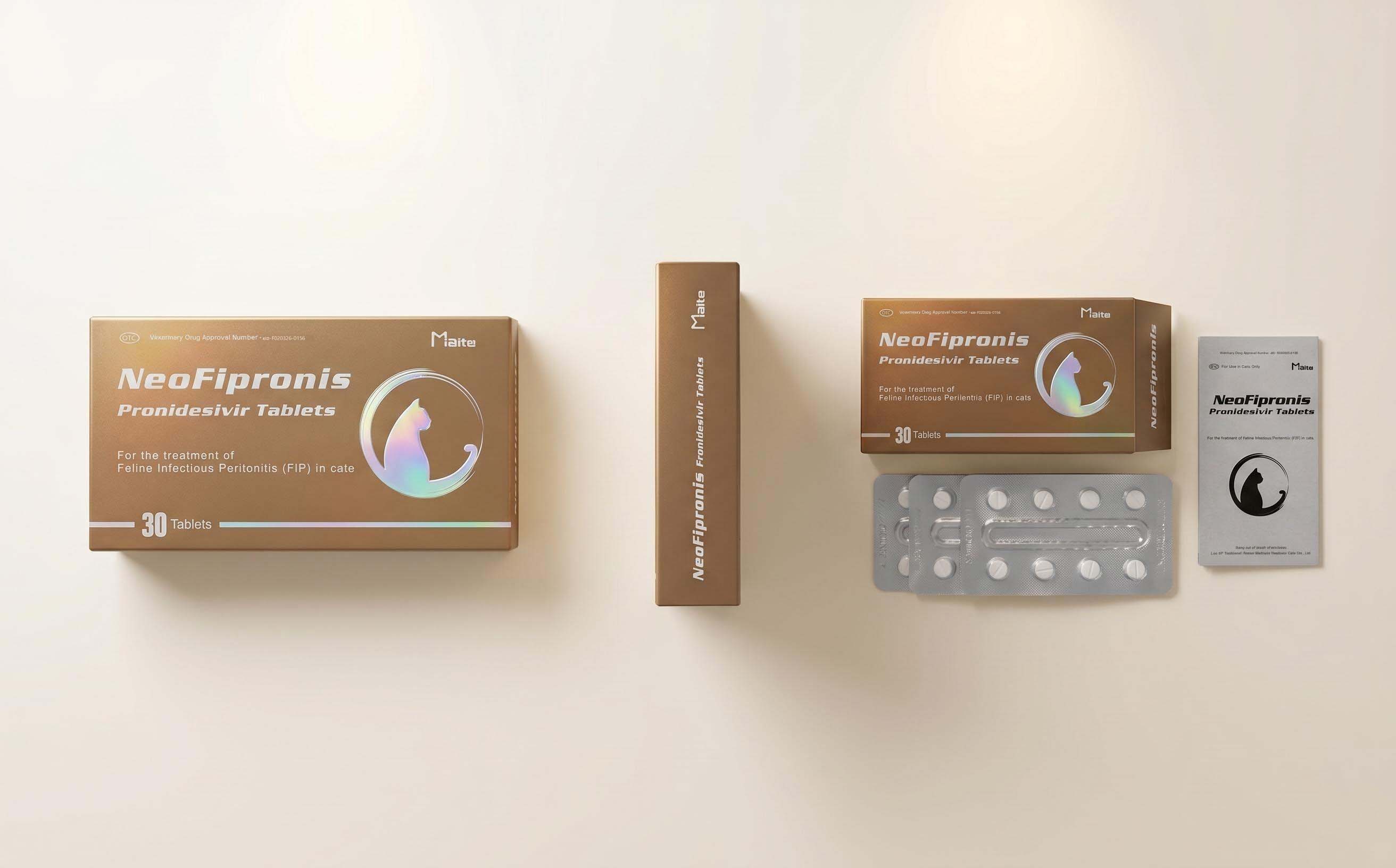
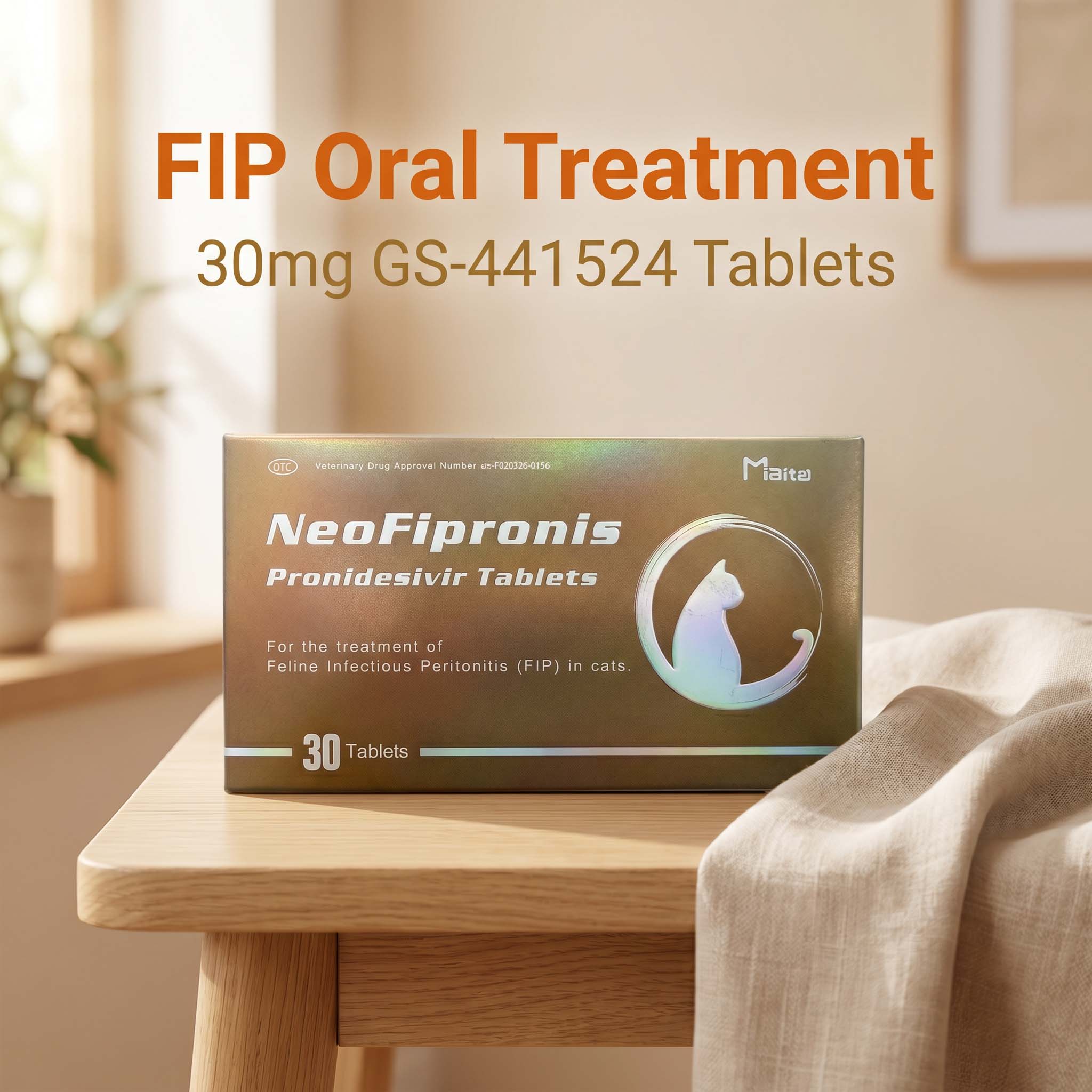
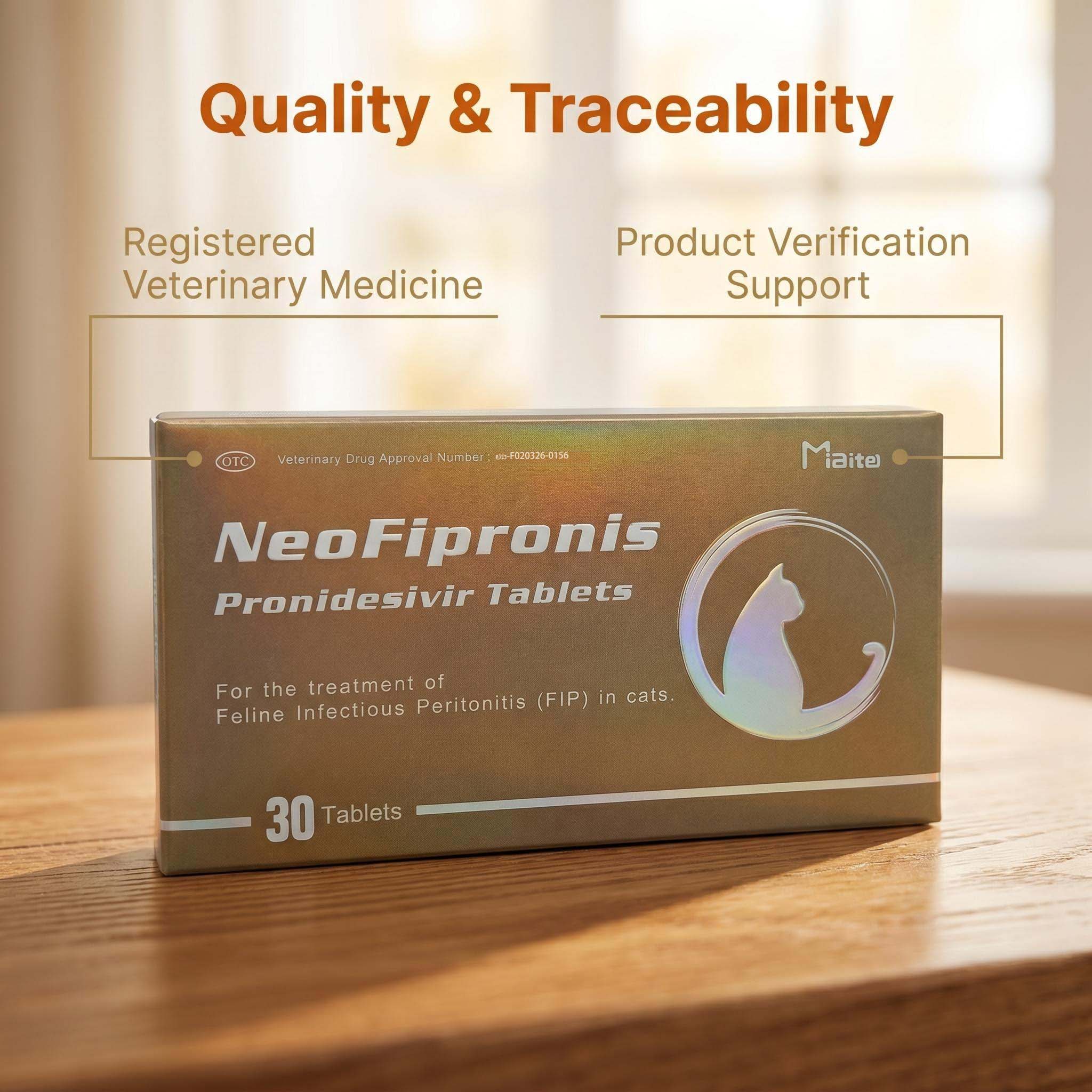
In March 2026, the Lao Ministry of Agriculture and Forestry (MAF) officially approved NeoFipronis (Pronidesivir) GS-441524 as the world’s first orally administered treatment for FIP. This approval marked a significant milestone, offering hope where none previously existed. The drug has been granted an official registration number, ensuring its legitimacy and safety for widespread use.
NeoFipronis is designed specifically to address the symptoms caused by FIP, including loss of appetite, lethargy, fever, ascites, pleural effusion, lymphadenopathy, inflammatory granulomas, nerve damage, and uveitis. Its efficacy is backed by extensive clinical trials and real-world case reports, demonstrating excellent therapeutic effects in affected cats.
How NeoFipronis Works
NeoFipronis functions by targeting the replication process of the feline coronavirus at a molecular level. Its active ingredient, Pronidesivir, is a nucleoside analog that inhibits viral replication, thereby reducing viral load and halting disease progression. Its oral formulation ensures rapid absorption into the bloodstream, providing fast-acting relief and contributing to higher compliance among pet owners.
What makes NeoFipronis exceptional is its safety profile. It is non-invasive, well-tolerated, and associated with minimal side effects. Cats treated with NeoFipronis have shown remarkable recoveries, often returning to normal activity levels within weeks of initiating therapy.
Real-Life Recovery Stories
Many pet owners have shared inspiring stories of their cats overcoming FIP with the help of NeoFipronis. Some of these remarkable cases include:
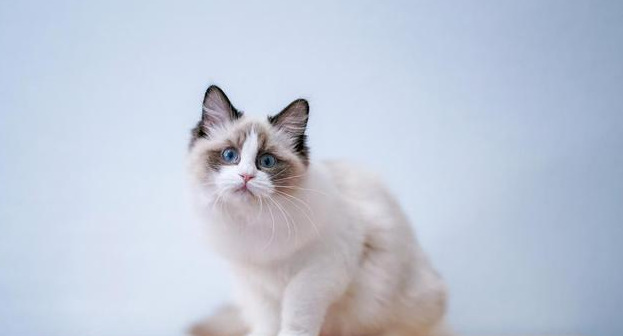
Luna's Revival: A 9-month-old tabby suffering from ascites and persistent fever received NeoFipronis treatment. Within three weeks, her symptoms substantially improved, and follow-up tests confirmed the clearance of inflammatory granulomas. Luna has now regained her playful personality.
Max's Turnaround: A senior cat diagnosed with neurological signs and uveitis was given NeoFipronis. The rapid absorption of the drug stabilized his condition, and after a month, he exhibited significant neurological recovery, with the ocular inflammation resolving completely.
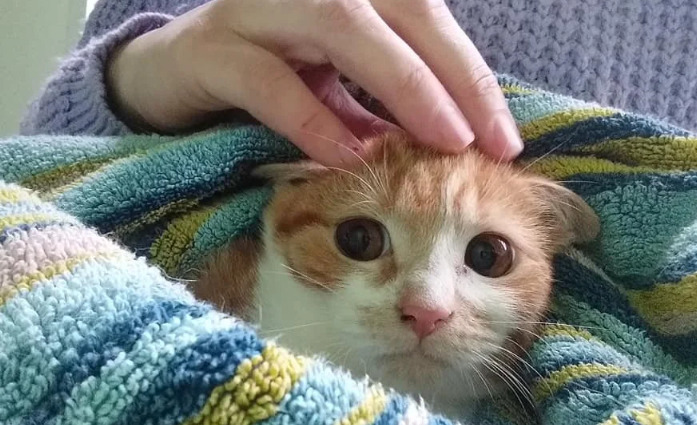
Whiskers' Fight: A young rescue cat with severe lymphadenopathy and lethargy responded to NeoFipronis with a full recovery. His owners report that he is now active, eating normally, and shows no signs of relapse.
These cases highlight NeoFipronis's potential to save cats that were once considered lost causes, transforming despair into hope.
Advantages Over Previous Treatments
Prior antiviral options often required injections, complicated administration, and carried risks of adverse effects. NeoFipronis’s oral formulation simplifies medication routines, making treatment less stressful for cats and easier for owners to administer. Its rapid absorption ensures quick symptom relief, and its well-tolerated nature minimizes concerns about side effects.
Additionally, the drug's approval by a reputable regulatory body provides confidence in its safety and efficacy, fostering widespread adoption in veterinary practices worldwide.
Future Perspectives and Research
The success of NeoFipronis paves the way for further innovations in feline infectious disease management. Ongoing research aims to refine dosage protocols, explore combination therapies, and identify early diagnostic markers to initiate treatment sooner. As more case studies accumulate, the veterinary community continues to optimize treatment strategies, ultimately aiming for higher remission rates and improved quality of life for cats with FIP.
Conclusion
The advent of NeoFipronis (Pronidesivir) represents a transformative leap in combating FIP. Its success stories from real cats underscore its potential to change the fate of countless lives affected by this once-devastating disease. With ongoing research and increased awareness, cats diagnosed with FIP now have a promising new chance at recovery and a healthier future.
References
1. Veterinary Clinical Trials on NeoFipronis for FIP Treatment
2. Official Registration Document of NeoFipronis (Pronidesivir) by the Lao Ministry of Agriculture and Forestry (MAF)
3. Clinical Case Reports – FIP Recovery Stories Featuring NeoFipronis
4. Pharmacological Studies of Pronidesivir’s Antiviral Mechanism
5. Regulatory Approval Status and Safety Profile Analyses of NeoFipronis