How to Reduce Coronavirus Spread in Multi-Cat Homes
Feline Infectious Peritonitis (FIP) is a devastating disease resulting from mutation of the feline enteric coronavirus (FCoV) in cats. While only a small percentage of cats exposed to FCoV develop FIP, the virus itself is highly transmissible—especially in multi-cat households. This article explores practical, evidence-based strategies to reduce coronavirus transmission, minimize FIP risk, and improve feline health outcomes in multi-cat environments. Insights from feline virology, immunology, husbandry, and veterinary best practices underpin the recommendations, which are tailored for cat owners, breeders, shelter operators, and veterinarians in the United States.
Introduction to Feline Coronavirus and FIP
Feline coronavirus (FCoV) is ubiquitous worldwide, particularly where cats congregate in dense populations. Most cats remain asymptomatic, merely harboring the virus in their intestines and shedding it sporadically through their feces. The virus can mutate in some individuals, giving rise to the virulent FIP variant. Though FIP only develops in a minority of cats, the consequences are severe—often fatal if untreated. Reducing coronavirus transmission is therefore vital in multi-cat homes to prevent FIP and protect feline wellbeing.
Understanding FCoV Transmission Routes
The primary route for feline coronavirus spread is the fecal-oral pathway. Infected cats shed the virus in their feces, contaminating litter boxes, floors, carriers, and human hands. Other cats can pick up the virus by grooming one another, licking contaminated surfaces, or sharing food and water bowls. Unlike some viruses, FCoV is not generally spread through the air, though close-contact environments can facilitate transmission. Vertical transmission (mother to kittens) is also possible but considered less significant than horizontal transmission among adult cats.
Identifying Risk Factors for FCoV Spread
Several factors heighten the risk in multi-cat environments:
Number of Cats: Higher density fosters exposure and stress, both of which can fuel viral spread.
Age: Kittens are unusually susceptible, with immature immune systems and tendency for group play.
Hygiene: Shared litter boxes and food dishes are high-risk transmission points.
Stress: Stress can suppress immunity, increasing susceptibility and viral shedding.
Best Practices for FCoV Infection Control
1. Optimize Litter Box Hygiene
Strict litter box hygiene is the cornerstone of FCoV management. Owners should:
Provide one litter box per cat, plus one extra, to minimize crowding.
Scoop waste at least twice daily, and deep-clean boxes with detergent weekly.
Use unscented clumping litter, as fragrances may deter cats from using clean boxes.
Place litter boxes in quiet, easily accessible areas.
2. Design Physical Spaces to Minimize Contact
Reducing environmental stress and contact opportunities lowers transmission risk:
Offer ample vertical space, beds, and hiding spots for each cat.
Keep traffic areas (e.g., feeding, sleeping, litter box zones) separated.
Group cats in compatible sub-populations when feasible, particularly in catteries or shelters.
Isolate newcomers, sick cats, or queens with litters for observation and gradual introduction.
3. Prevent Fomite Transmission
Humans and objects can shuttle FCoV between cats. To reduce this risk:
Wash hands thoroughly with soap before and after handling cats.
Disinfect carriers, grooming supplies, bedding, and toys regularly.
Assign individual food and water bowls for each cat.
Use high-quality cleaning agents proven effective against coronaviruses (e.g., bleach solution).
4. Manage Stress and Support Immune Health
Stress is a critical factor in both viral shedding and FIP risk. Effective stress management strategies include:
Provide predictable routines, gentle handling, and enrichment activities.
Avoid overcrowding or rapid household changes.
Ensure adequate nutrition, featuring high-quality commercial diets suitable for each life stage.
Schedule regular veterinary checkups for early disease detection.
5. Dealing with New Arrivals and Returning Cats
Introducing new cats or re-introducing those who’ve been elsewhere (boarding, veterinary clinic) poses new infection risks:
Quarantine new or returning cats for at least two weeks.
Test for FCoV antibodies, if feasible, to gauge exposure.
Monitor for clinical signs (lethargy, diarrhea, weight loss, fever).
Only integrate cats showing health and lack of excessive viral shedding.
6. Special Considerations for Breeders and Shelters
High-density environments require advanced strategies:
Segment populations by age or health status to reduce mixing.
Maintain excellent sanitation, with frequent cleaning and rotation of supplies.
Minimize stress of mother cats during pregnancy and lactation, as stress increases viral shedding to kittens.
Work with veterinarians on population health monitoring, vaccination, and outbreak response.
7. The Role of Testing and Monitoring
There is no widely used point-of-care FCoV PCR test for routine household management. However:
Serologic FCoV antibody tests may help assess overall exposure but do not differentiate between non-mutated and FIP-causing viruses.
PCR testing of fecal samples is available, primarily in research or suspected outbreak scenarios.
Monitoring for FIP clinical signs is critical—prolonged fever, jaundice, fluid accumulation, organ damage, neurological symptoms—especially in young or high-risk cats.
8. Limiting FIP Risk
FIP develops after FCoV mutates within individual cats, a process influenced by viral load, genetics, and immune status.
Limiting overall FCoV infection in the population decreases the probability of mutation.
Maintain genetic diversity when breeding (inbreeding increases risk).
Adopt “closed” populations in breeding catteries when feasible, to minimize external virus introduction.
9. Insights on Environmental Disinfection
Environmental stability of FCoV is modest; it survives several days on dry surfaces.
Regular cleaning with virucidal agents is essential.
Allow areas to dry thoroughly, as moisture supports viral persistence.
Wash bedding and toys in hot water.
10. Addressing Suspected or Confirmed FIP Cases
FIP is not directly contagious—the mutated virus is specific to an individual cat. However:
Isolate clinically ill cats from others, both for welfare and supportive care.
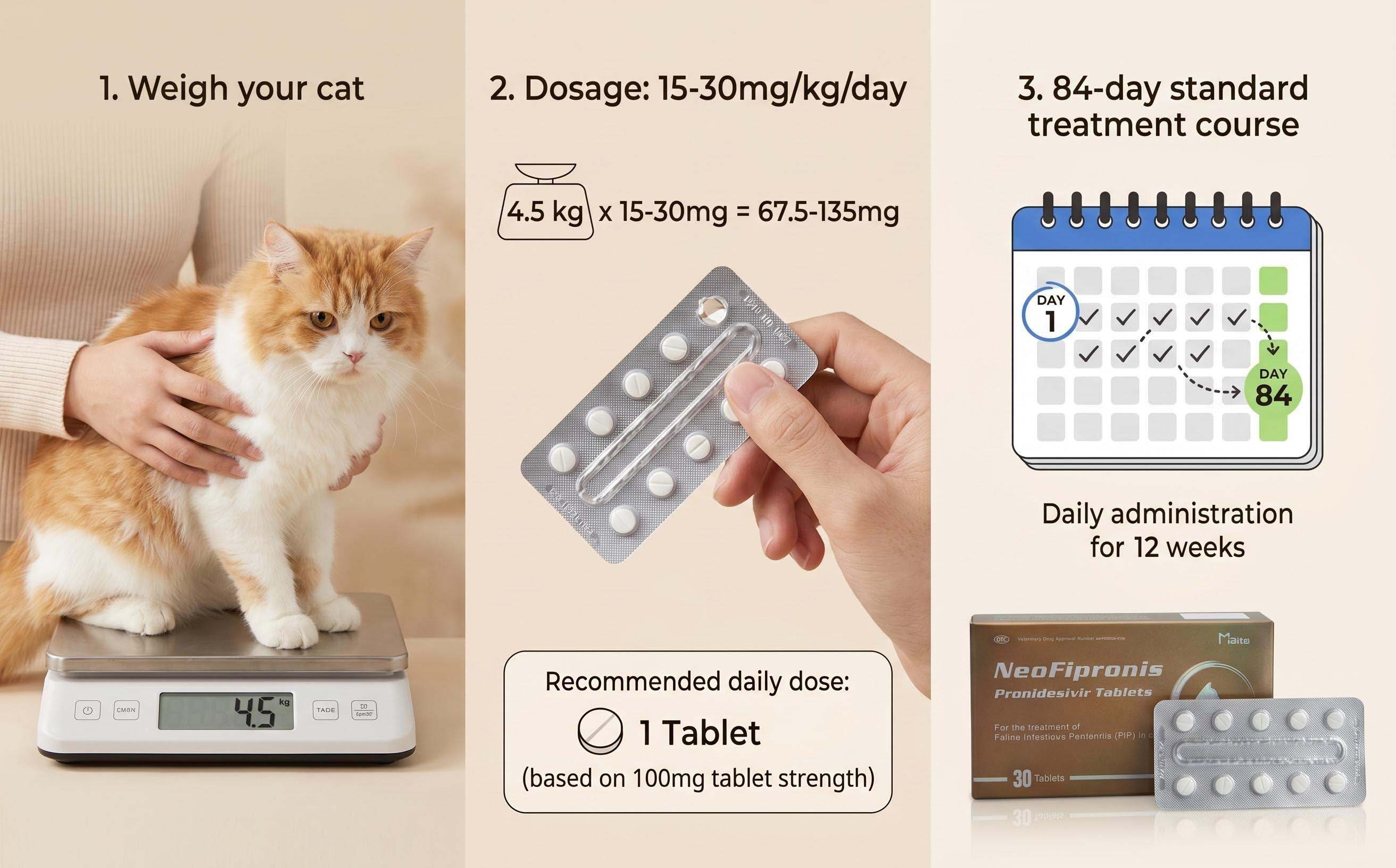
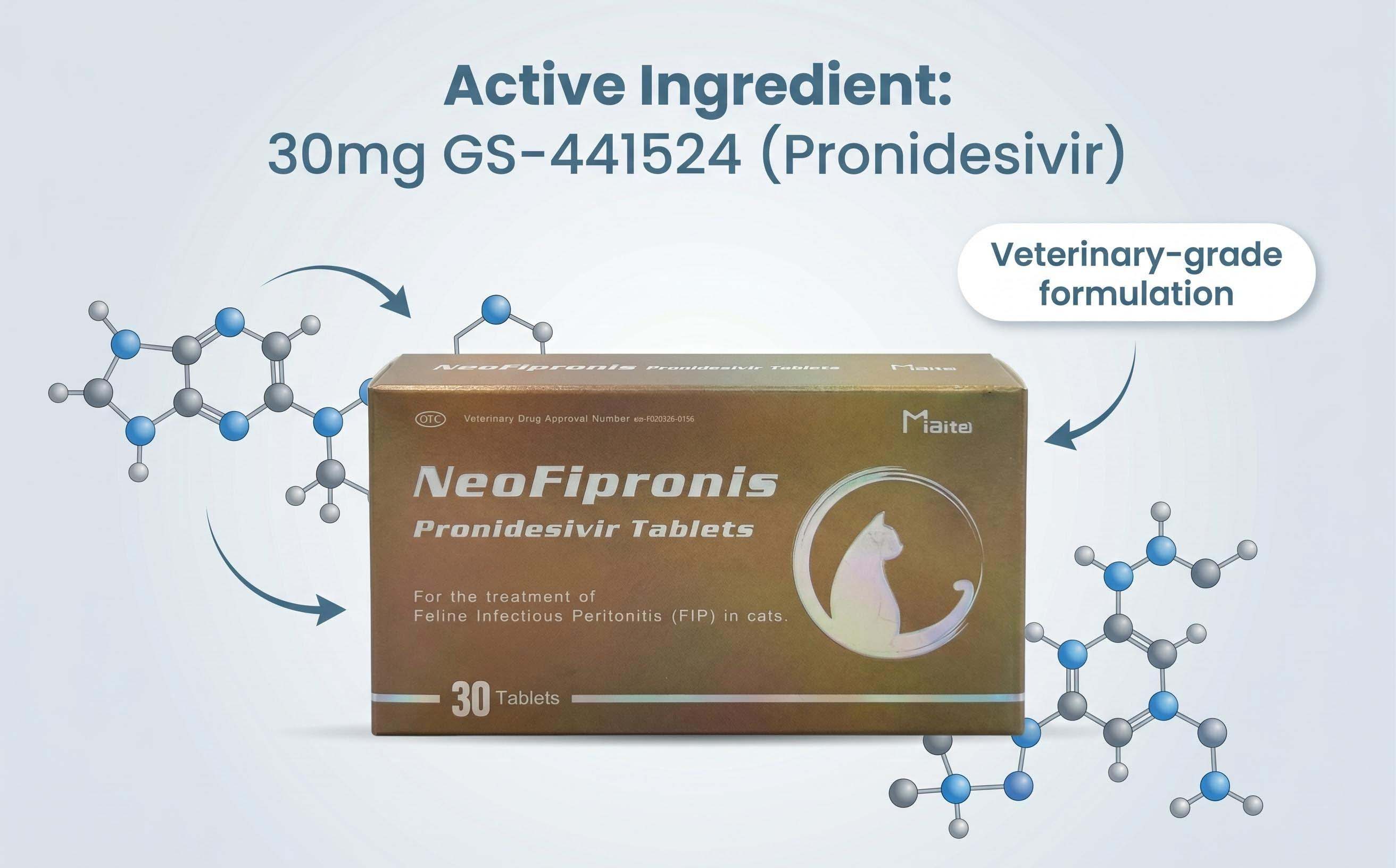
Consult with veterinarians regarding emerging antiviral drugs (e.g., GS-441524, remdesivir) or clinical trials.
Review hygiene and population management to prevent new FCoV infections.
11. Communication with Veterinarians
Veterinarians play a crucial role in multi-cat household health:
Regularly update own knowledge regarding FIP treatments and prevention.
Seek prompt advice for unusual symptoms, especially in kittens and young adults.
Keep records of cat histories, vaccinations, and health events for easier disease tracking.
Conclusion
Effective coronavirus management in multi-cat homes requires diligent environmental hygiene, population management, stress reduction, and veterinary partnership. While FCoV is common and FIP remains a threat, prevention strategies rooted in science—litter box control, quarantine, cleaning, and monitoring—can drastically limit transmission and safeguard feline health. These recommendations support cat owners, breeders, and shelter workers across the United States in creating environments where cats thrive and serious illness is minimized.
References
1. Addie, D.D., et al. (2012). Feline coronavirus and FIP in multi-cat environments. Veterinary Journal, 193(3), 456–463.
2. Pedersen, N.C. (2020). Feline Infectious Peritonitis: New strategies for prevention and treatment. Journal of Feline Medicine & Surgery, 22(11), 1022–1029.
3. American Association of Feline Practitioners. (2021). Guidelines for managing infectious disease outbreaks in shelters. Retrieved from https://catvets.com
4. Hartmann, K. (2005). Feline Infectious Peritonitis: Facts and myths. Veterinary Clinics of North America: Small Animal Practice, 35(1), 39–79.
5. Kogan, L.R., et al. (2019). Feline coronavirus: Epidemiology, management, and prevention. Compendium: Continuing Education for Veterinarians, 41(6), E1–E7.
6. Wagner, J.M., & Lappin, M.R. (2023). Preventative interventions for viral diseases in multi-cat households. Journal of Veterinary Internal Medicine, 37(2), 345–354.
7. Cave, T.A., et al. (2004). Risk factors for FCoV seropositivity in cats. Veterinary Record, 154(18), 547–551.
8. House, A., & Hoffmann, D. (2022). Environmental persistence of feline coronavirus: Management guidance. Animals, 12(10), 1372.
9. UC Davis Koret Shelter Medicine Program. (2022). Feline coronavirus and FIP Resources. Retrieved from https://sheltermedicine.com
10. Felten, S., & Hartmann, K. (2019). Diagnosis and management of FIP: Evidence-based review. Veterinary Focus, 29(2), 18–25.