What Are the Adverse Reactions of NeoFipronis (Pronidesivir)
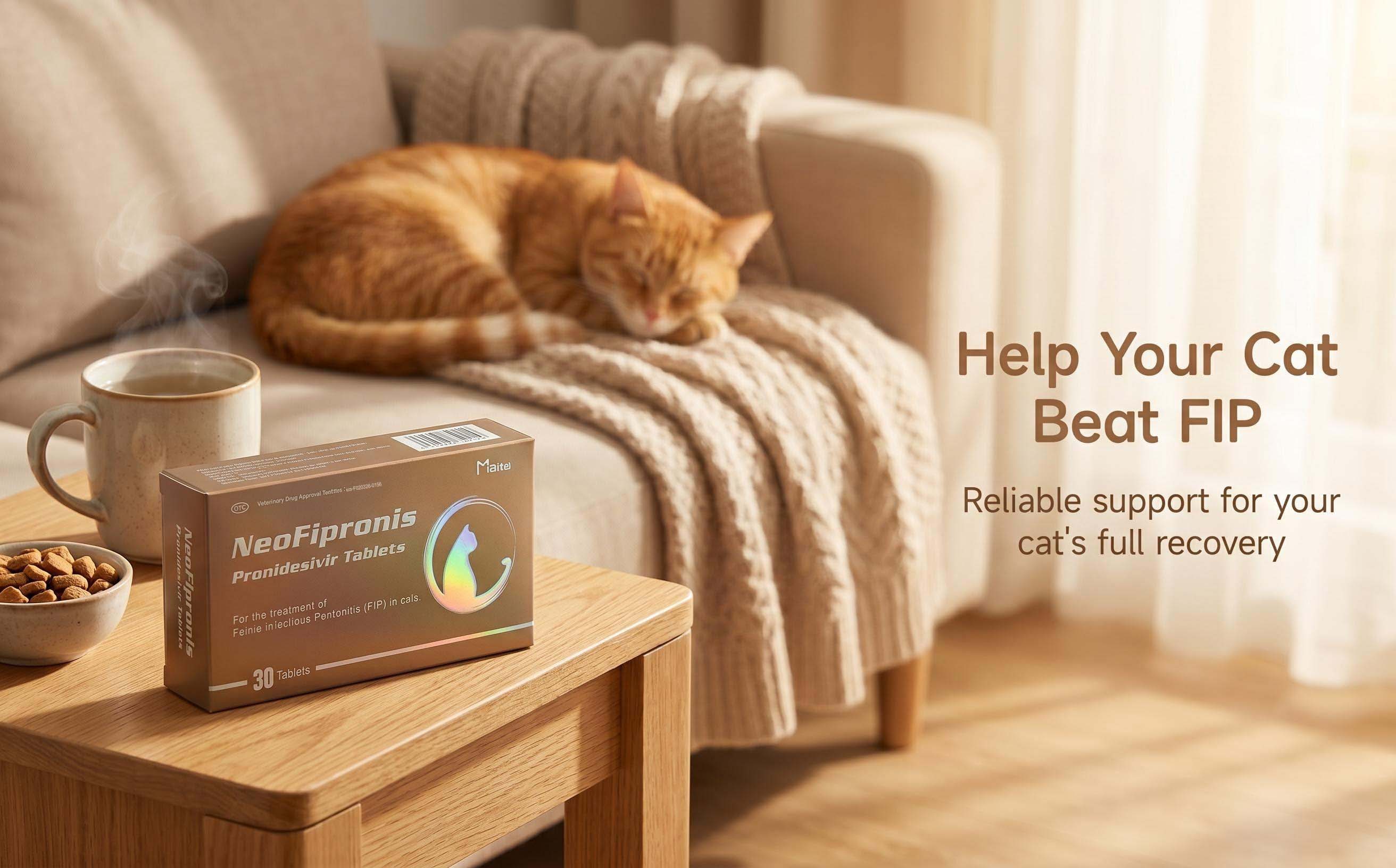
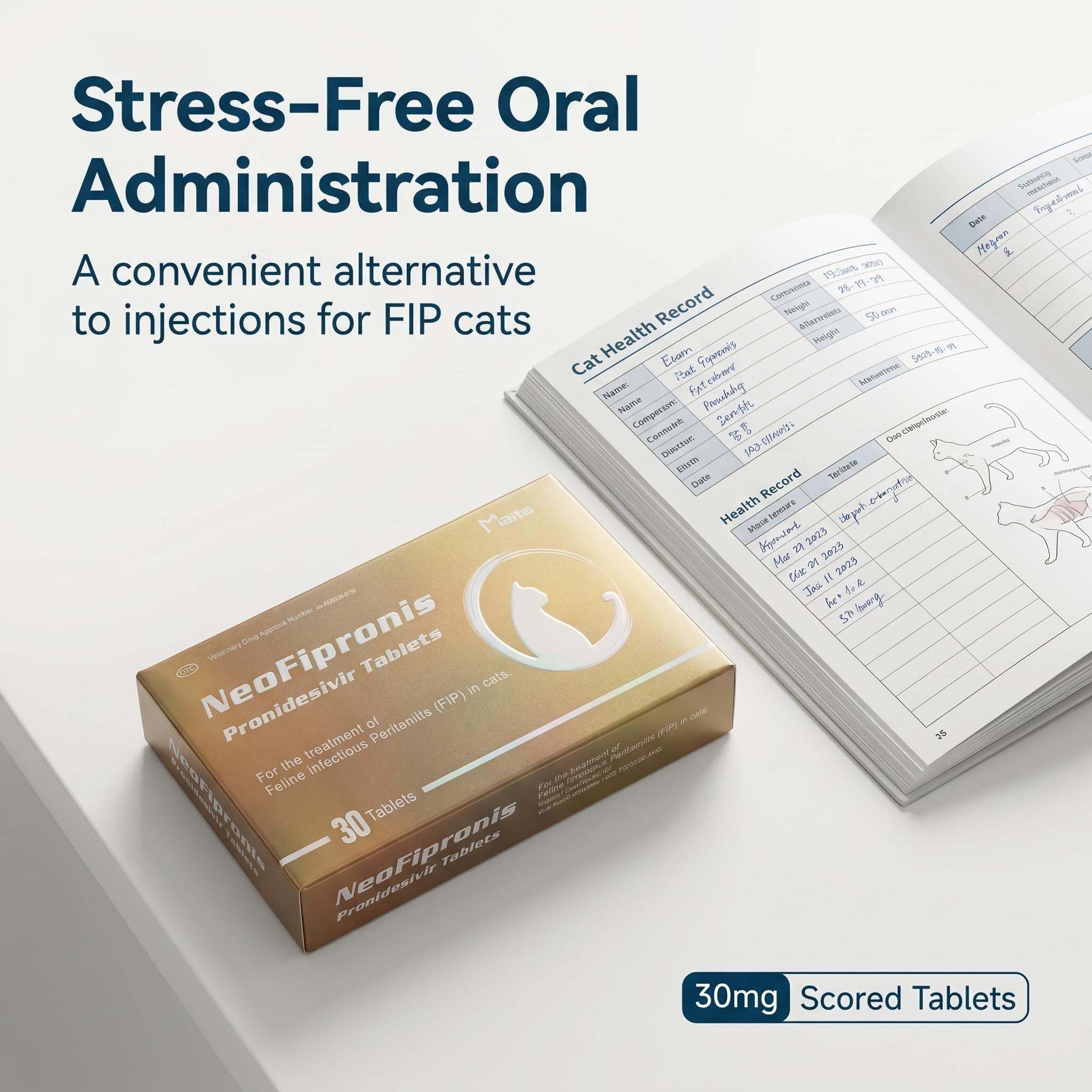
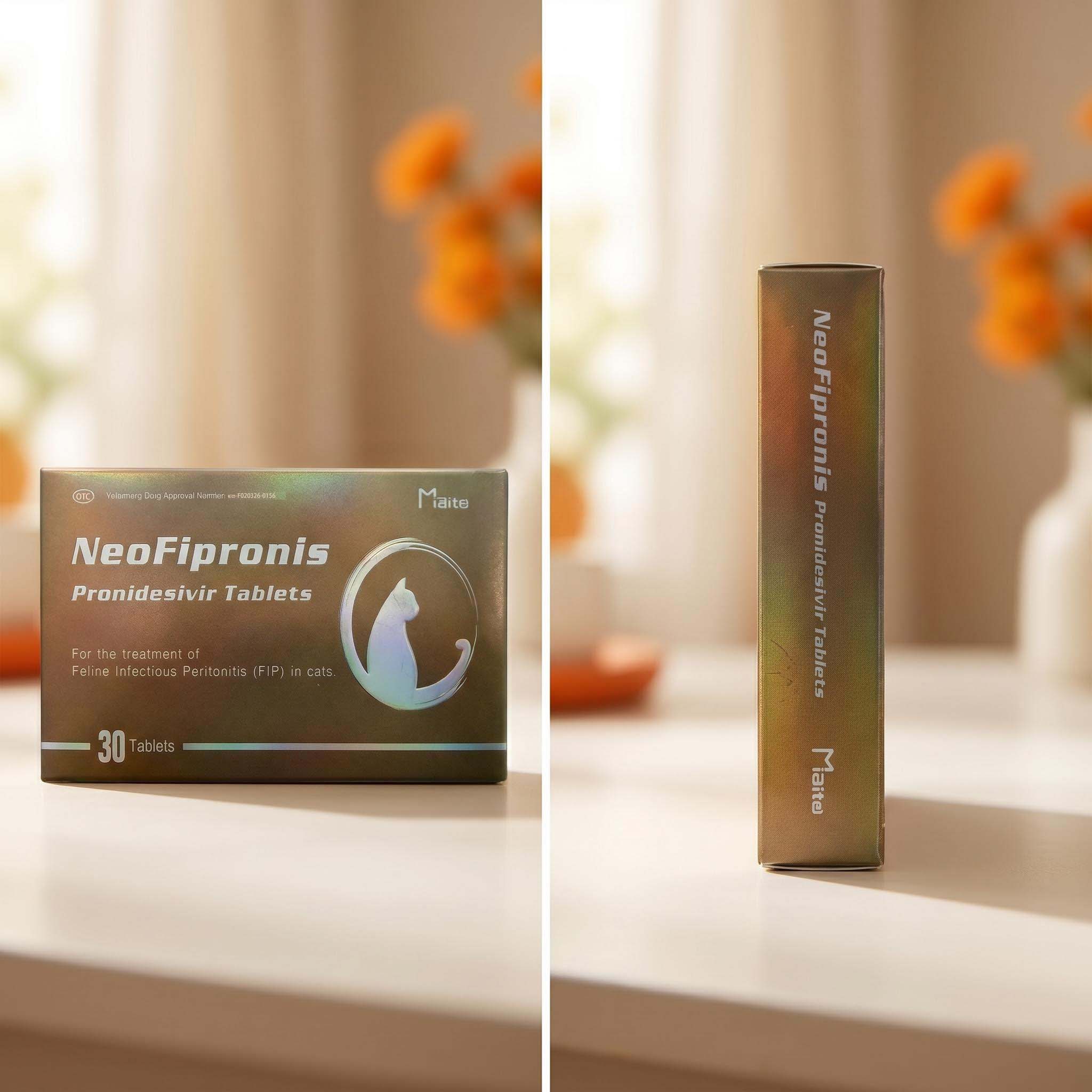
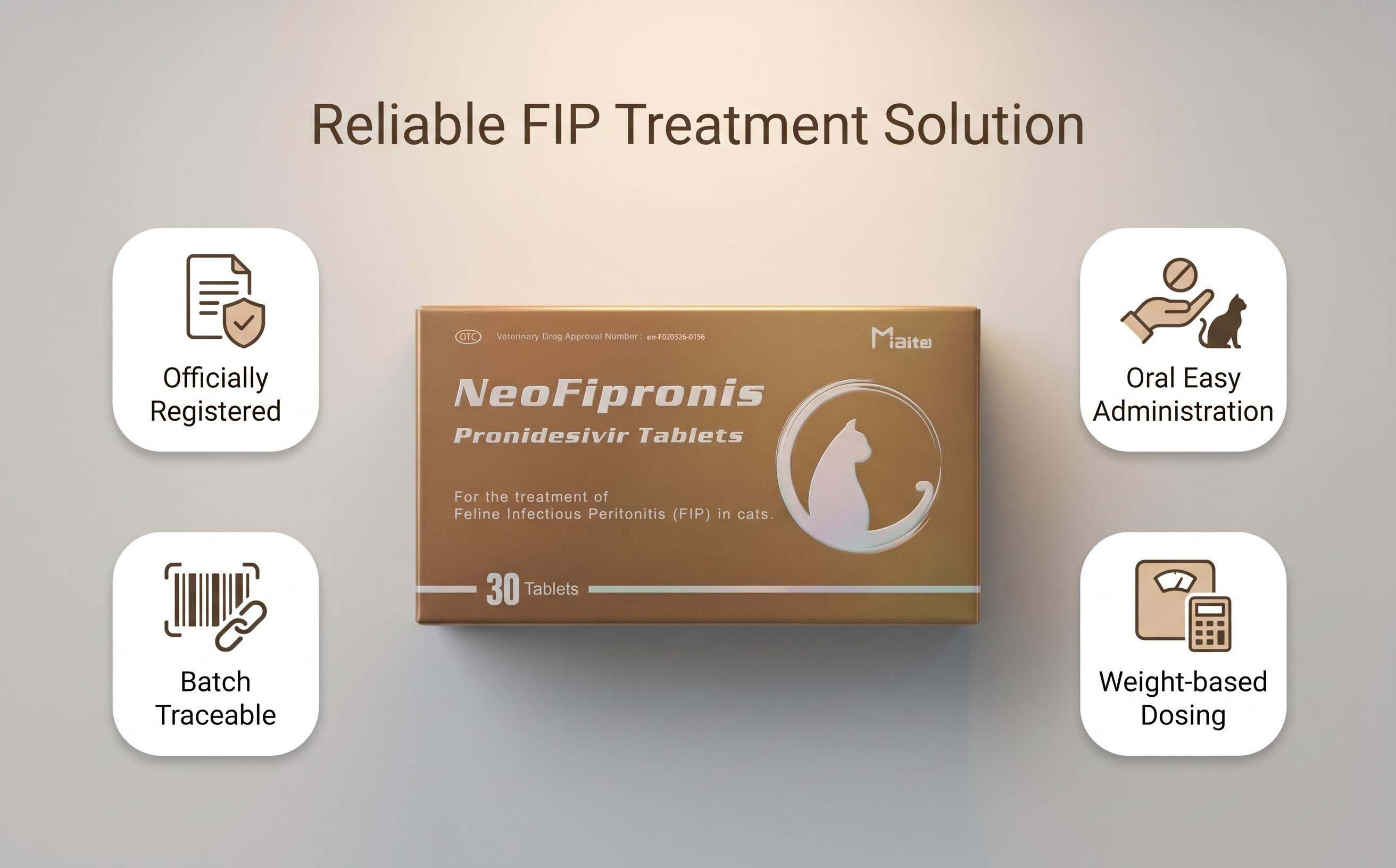
NeoFipronis (Pronidesivir) is an oral FIP treatment for cats whose active ingredient is GS-441524, a compound widely studied for feline infectious peritonitis (FIP). It is used for cats with reduced appetite, lethargy, fever, ascites, pleural effusion, enlarged lymph nodes, inflammatory granulomas, neurologic signs, and uveitis. According to the product information, NeoFipronis is designed for fast absorption, rapid onset, and generally good tolerance, with fewer side effects than many older treatment options. Even so, pet owners should understand the possible adverse reactions and monitor their cats closely during treatment.
The most commonly reported adverse reactions are usually mild and temporary. Some cats may show slight vomiting, soft stool, decreased appetite, or mild diarrhea after taking the medication. A small number of cats may appear sleepy for a short period after dosing, especially when treatment is first started or when the body is already weakened by FIP. These reactions often improve as the cat adjusts to therapy, but persistent gastrointestinal upset should be discussed with a veterinarian.
Because FIP itself can affect the liver, kidneys, blood cells, and immune system, it is important to distinguish disease symptoms from true drug-related side effects. During NeoFipronis treatment, some cats may show changes in liver enzymes, kidney values, or blood counts on routine testing. These findings do not always mean the medicine is causing damage, but they do mean regular monitoring is essential. Bloodwork helps veterinarians decide whether the dose should be adjusted and whether supportive care is needed.
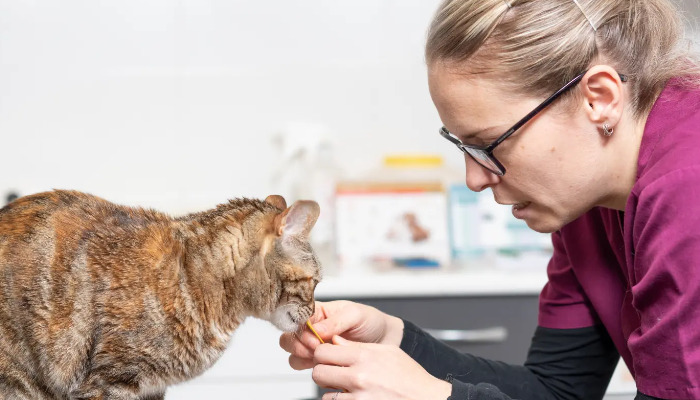
Injection-site problems are not a concern with oral NeoFipronis, which is one reason many cat owners prefer it. Oral use avoids pain, swelling, and local tissue injury associated with injections. For cats that dislike medication, however, stress during dosing can sometimes cause drooling, resistance, or temporary agitation. Giving the medicine correctly and consistently can reduce these issues.
In more serious cases, adverse reactions may include ongoing vomiting, severe weakness, dehydration, marked loss of appetite, yellowing of the gums or eyes, or worsening neurological signs. These are not common, but they should be treated as urgent warning signs. Cats with neurologic or ocular FIP are often more complex to manage and may require higher doses, close follow-up, and stricter veterinary supervision.
The recommended dosage is based on body weight: 15 mg per kilogram once daily, which is approximately half a tablet, while neurologic or ocular FIP may require an increased dose of 30 mg/kg under veterinary guidance. The medicine is typically given once a day, ideally on an empty stomach, such as one hour before meals or two hours after meals. Treatment should continue for at least 12 weeks without missed doses, because interruption may reduce effectiveness and increase the risk of relapse.
During therapy, owners should observe appetite, body temperature, energy level, breathing, and abdominal size, while also scheduling regular checks of blood values and liver and kidney function. Although NeoFipronis is marketed as an over-the-counter product, veterinary guidance is still strongly recommended. The product is for cats only and must never be used in humans.
For cat owners seeking FIP treatment with oral GS-441524, NeoFipronis (Pronidesivir) is positioned as a practical option with generally good tolerance and manageable side effects. Careful dosing, consistent administration, and routine monitoring remain the best ways to reduce adverse reactions and support recovery.