Is FIP Curable Latest Advances in Feline Infectious Peritonitis Treatment
Feline Infectious Peritonitis (FIP) has long been one of the most feared diseases among cat owners and veterinary professionals. For decades, the diagnosis meant a nearly certain fatal outcome for affected cats, especially younger ones or those living in multi-cat environments. However, recent advancements have shifted the landscape dramatically, bringing new hope to families and clinicians dealing with FIP. This article explores the nature of FIP, its history, diagnostic challenges, the mechanisms of the disease, and the cutting-edge treatments now offering genuine cures for what was once seen as an untreatable condition.
Understanding FIP: What Is It?
FIP arises from feline coronavirus (FCoV), a common virus found in cats worldwide. Most cats exposed to FCoV remain healthy, or they may show only mild digestive symptoms. However, in a small percentage of cats, the virus mutates within the body, becoming a far more dangerous version—this mutation enables the virus to invade white blood cells and spread throughout the body, triggering FIP.
FIP presents in two main forms:
1. Wet (effusive) FIP, characterized by accumulation of fluid in the abdomen, chest, or both.
2. Dry (non-effusive) FIP, marked by granulomatous inflammation in organs such as kidneys, liver, and nervous system, often without obvious fluid buildup.
Both versions are difficult to diagnose, as symptoms often mimic other diseases, and definitive diagnosis requires a combination of clinical signs, laboratory tests, imaging, and sometimes tissue biopsy.
Challenges in Diagnosis
Diagnosing FIP is notoriously tricky. There is no single test that conclusively identifies the disease in every case. Veterinarians rely on the history, clinical signs, blood work (including elevated globulins and decreased albumin-to-globulin ratio), imaging results, and identification of coronavirus RNA in tissues through PCR testing. A history of exposure to feline coronavirus, being young, and living in crowded conditions add to suspicion. Recent innovations in diagnostic tools, including immunohistochemistry and advanced PCR assays, have improved diagnostic accuracy, but challenges remain.
FIP’s Historical Prognosis and Treatment
Until recently, FIP was considered an invariably fatal disease. Supportive care—fluid therapy, anti-inflammatories, appetite stimulants—were all that could be offered. The median survival time after diagnosis was a few days to months, depending on the form and overall health of the cat. Attempts to treat FIP with corticosteroids, immune modulating drugs, and interferons yielded little success. The despair felt by veterinarians and cat owners underscored a desperate need for breakthrough therapies.
Breakthroughs in Antiviral Treatment
The shift from hopeless diagnosis to hopeful recovery began with the development of antiviral drugs specifically targeting FIP-causing coronavirus. GS-441524, a nucleoside analog, was the first game-changing drug investigated in the treatment of FIP. GS-441524 operates by blocking replication of the FIP virus inside cat cells, stopping the disease’s progression.
Studies published since 2018 revealed remarkable results. In controlled trials, over 80% of cats with FIP (both wet and dry forms) achieved full remission when treated for at least 12 weeks with GS-441524. The innovation not only saved lives but changed the perception of FIP from a death sentence to a treatable (and potentially curable) disease.
Legal and Regulatory Hurdles
Despite its proven efficacy, GS-441524 initially faced regulatory obstacles. It was not FDA-approved for veterinary use in the United States, and supply was limited to unofficial channels. Veterinarians and owners often had to source the drug with unclear legality, and ensuring purity and dosing remained challenging. Advocacy among veterinarians and cat health organizations has pushed for official approval, improving access and monitoring.
Other Antivirals and Emerging Solutions
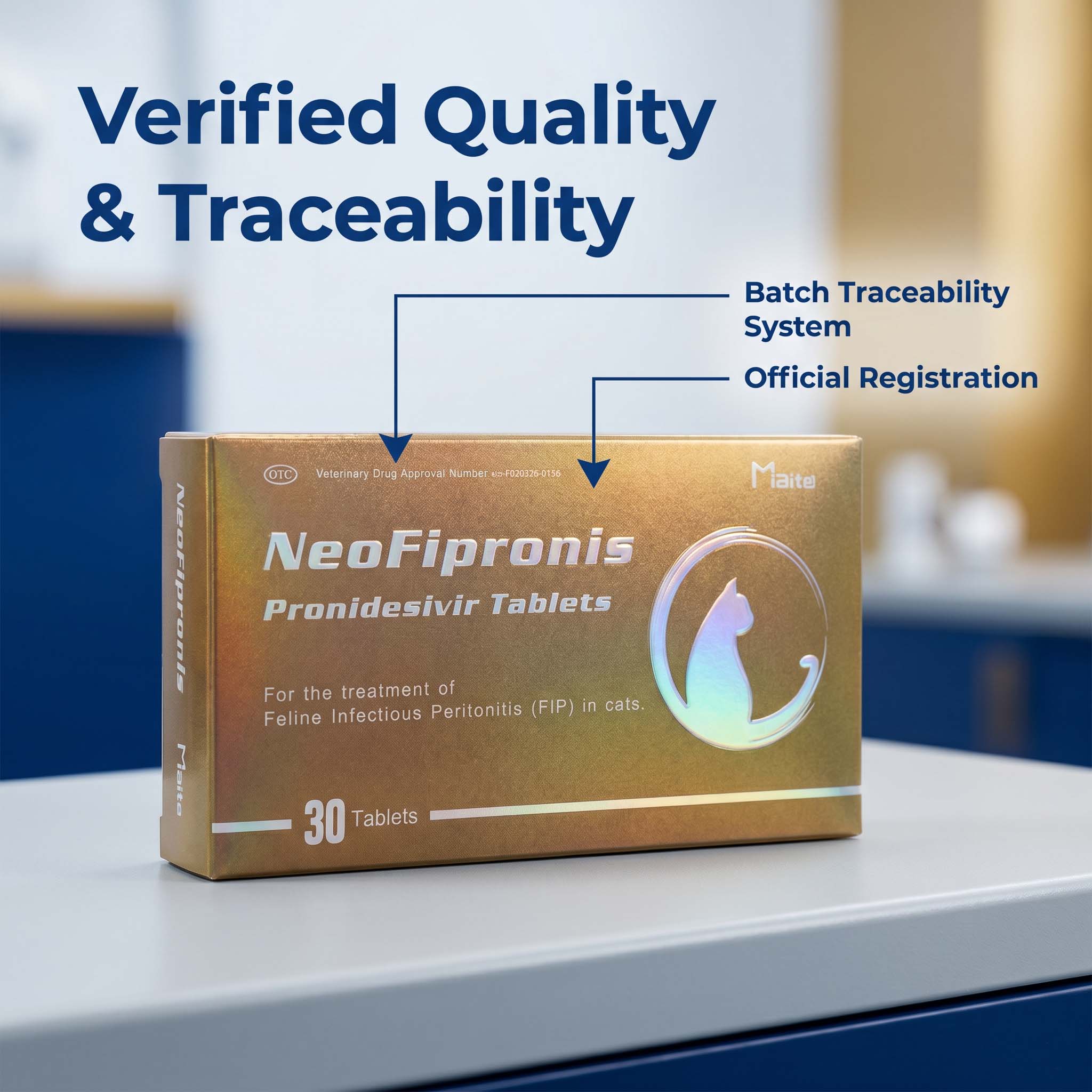
Research continues into additional antiviral agents, notably remdesivir (a derivative of GS-441524 approved for human use against COVID-19). Remdesivir is available in some veterinary settings and shares the same mechanism of action, offering an alternative for cats unable to use GS-441524 or in regions where it is unavailable.
Other compounds, including protease inhibitors and immune modulators, are being investigated for their ability to halt FIP progression or support cats through treatment. These developments promise a future where multiple treatment options may be tailored to individual patients.
Treatment Protocols and Response
The standard protocol for GS-441524 involves daily injections over a period of 12 weeks, sometimes followed with oral therapy. The dose is adjusted depending on the cat’s weight, the form of FIP, and response to treatment. For wet FIP, symptom improvement is often visible within days. Dry FIP, especially with neurological involvement, may require higher doses and longer courses.
Cats treated early—before organ failure or severe neurological damage—enjoy the best outcomes. Monitoring during treatment involves regular blood tests to track globulin levels, liver and kidney function, and overall health. Side effects are rare, usually limited to transient injection-site reactions.
Long-Term Outcomes
Evidence now shows that cats who complete the full course of antiviral treatment and reach clinical remission can remain healthy for years following therapy, with no relapse. Surviving cats lead normal, active lives, retaining their personality and quality of life.
Still, questions remain about long-term immunity and whether cats can be re-infected with coronavirus or develop FIP again. Most survivors develop strong resistance, but in areas with high coronavirus prevalence, vigilance and routine care continue to be advised.
Prevention Strategies
Even as effective treatments emerge, preventing FIP remains vital. Educating cat owners about coronavirus transmission, especially in shelters, catteries, and multi-cat households, is key. Good hygiene, litter box management, reducing stress, and controlling cat density help reduce viral spread and the risk of mutation into FIP.
Breeding practices can affect risk. Responsible breeders increasingly screen for carriers and avoid breeding cats from lines with FIP history. Research into a safe and effective FIP vaccine continues, but so far, no consensus exists on a universally recommended product.
The Human-Animal Bond
The emotional toll of FIP cannot be understated. The new ability to cure FIP strengthens the bond between humans and their feline companions, offering hope in moments of distress. Veterinarians now play a central role in guiding families through diagnosis and treatment, making education and communication paramount.
Cost and Accessibility
Financial considerations remain a barrier for many families. The cost of GS-441524 treatment can run into thousands of dollars, depending on dose, duration, and supplier. Increased demand has spurred price fluctuations and debate over insurance coverage. Organizations devoted to feline welfare daily advocate for affordability and accessibility, keeping pressure on industry and regulators to broaden options.
Global Perspectives
While the United States has seen rapid uptake of new treatments despite regulatory ambiguity, other countries vary in their acceptance and approval of antiviral therapy for FIP. International collaboration continues, with veterinary researchers and clinicians sharing data to improve outcomes and harmonize protocols. FIP is a global challenge, and multinational cooperation is vital for ongoing progress.
Ongoing Research
The past five years have been revolutionary for FIP therapy, but much remains to be learned. Researchers continue to explore how coronavirus mutations trigger FIP, which cats are most at risk, and how immune mechanisms play a role in disease severity. Advances in genetic testing may one day identify high-risk animals reliably. Vaccine research, while slow, may yield new prophylactic tools.
The study of FIP has also changed veterinary medicine more broadly. Insights into coronavirus biology inform treatment of other viral diseases, in cats and in humans. Successful FIP therapies have paved the way for drug development targeting emerging diseases, reinforcing the interconnectedness of veterinary and human medicine.
Ethical Considerations
With powerful drugs now available, veterinarians must weigh ethical issues in treatment: who should receive therapy, how to ensure fair access, and how to monitor long-term effects. Clear communication with pet families is essential, providing them with sound information and realistic expectations. Ensuring responsible use of novel drugs—both for efficacy and safety—is an ongoing imperative.
Public Awareness and Education
Increasing public awareness about FIP is changing the picture for both prevention and treatment. Social media groups, veterinary associations, and feline health charities encourage sharing stories and information. With better knowledge, owners are more likely to recognize FIP symptoms early and seek help, leading to improved outcomes.
Conclusion
The prospect of curing FIP, once deemed impossible, is now a reality for many cats. Antiviral treatment has radically altered the prognosis, ushering in a new era for feline medicine. As research and regulatory progress continue, the landscape for FIP treatment and prevention will only improve. Families, veterinarians, and the broader community must stay informed, advocate for accessible care, and support ongoing research to ensure every cat facing FIP can receive the best possible chance for recovery.
References
1. Pedersen NC. "Advances in understanding and treatment of feline infectious peritonitis." Veterinary Clinics of North America: Small Animal Practice, 2020.
2. Murphy BG, et al. "The efficacy of GS-441524 for treatment of feline infectious peritonitis." Journal of Feline Medicine and Surgery, 2019.
3. Dempsey SM, et al. "Diagnosis and management of feline infectious peritonitis." Veterinary Medicine: Research and Reports, 2018.
4. Amer A, et al. "Emerging antiviral treatments for feline infectious peritonitis." Veterinary World, 2021.
5. Hartmann K. "Feline infectious peritonitis diagnosis, treatment, and prevention." Veterinary Medicine International, 2019.
6. Sykes JE. "Feline coronavirus infection and feline infectious peritonitis." Veterinary Clinics of North America: Small Animal Practice, 2020.
7. Kipar A, Meli ML. "Feline infectious peritonitis: Still an enigma?" Veterinary Pathology, 2019.
8. Dickinson PJ, et al. "Neurological form of feline infectious peritonitis and response to antiviral therapy." Journal of Veterinary Internal Medicine, 2020.
9. Addie DD, et al. "Feline infectious peritonitis: An update on prevention and treatment strategies." Feline Medicine Review, 2022.
10. Benson K, et al. "The role of breeders in feline coronavirus transmission." Journal of the American Veterinary Medical Association, 2021.