Is FIP the Same As Feline Coronavirus
Feline Infectious Peritonitis (FIP) is often misunderstood in the pet community, with many cat owners believing it is the same as the feline coronavirus (FCoV). However, the relationship between FIP and FCoV is complex, nuanced, and critically important for veterinarians, cat breeders, and pet parents. Here we break down the distinction between FIP and FCoV, how these viruses interact, what risks they pose, and current insights for their prevention and management.
Feline Coronavirus: The Basics
Feline coronavirus (FCoV) is a worldwide virus affecting domestic cats, both in single-cat households and catteries. FCoV predominantly targets the digestive tract and is usually spread through the fecal-oral route. Most cats exposed to FCoV experience mild symptoms, like transient diarrhea and occasional lethargy, if any symptoms at all.
There are two main forms of feline coronavirus:
Feline Enteric Coronavirus (FECV): This is the mild type and circulates widely among cats.
Feline Infectious Peritonitis Virus (FIPV): This is the mutated form capable of causing FIP, a deadly systemic disease.
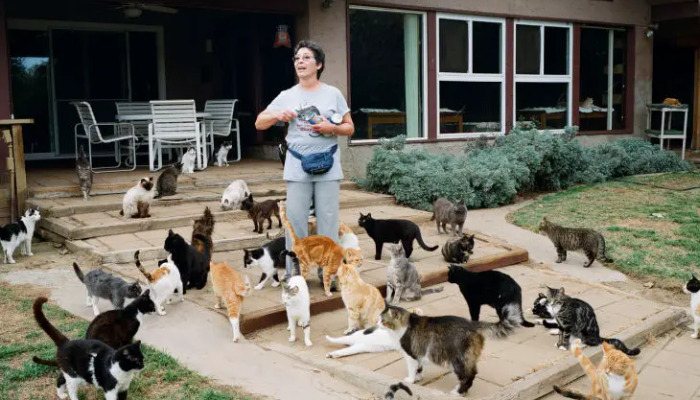
FECV can persist for weeks in the environment and spread amongst cats sharing litter boxes, food bowls, or close quarters. Viral shedding can continue for months, even in asymptomatic cats, furthering the spread in multi-cat households.
What is FIP?
FIP, or Feline Infectious Peritonitis, is an immune-mediated condition resulting from a mutation of benign FCoV within an individual cat. When FECV mutates into the FIPV form, it gains the ability to infect white blood cells, leading to an aggressive systemic infection.
The standout feature of FIP is not the virus itself, but the cat’s immune system reaction. The mutated FCoV triggers a complex immune response, causing inflammation in the tissue lining body cavities, blood vessels, and organs. FIP manifests primarily in two forms:
Effusive (Wet) FIP: Accumulation of fluid in the abdomen or chest, leading to swelling, difficulty breathing, and easier clinical diagnosis.
Non-effusive (Dry) FIP: Granulomatous lesions form in multiple organs. Symptoms are more vague: fever, weight loss, neurological signs, or jaundice.
FIP is universally fatal without treatment, although groundbreaking antiviral therapies have improved prognosis dramatically in recent years.
How FCoV Becomes FIPV: The Mutation Process
One of the most fascinating aspects of feline virology is how a ubiquitous enteric virus can transform into a deadly pathogen through mutation. The trigger for mutation inside the cat may be genetic predisposition, environmental stress, immune function, or chance. Not every cat exposed to FCoV will develop FIP—even in households where the virus is endemic, the progression from FCoV to FIP is rare (typically 1-3% of cats).
Current studies suggest that viral mutation occurs inside the cat, not outside in the environment. The FIP-causing virus is not transmitted between cats directly but arises by mutation in animals already infected with FCoV. Therefore, while feline coronavirus itself is common and mostly harmless, FIP is uncommon and severe.
Transmission: FCoV vs. FIP
Understanding transmission is central to managing cat populations and preventing outbreaks. FCoV is highly contagious and spreads easily among cats living in close quarters. Cats excrete the virus in their feces, which contaminates litter boxes, floors, and other surfaces.
FIPV, once mutated, does not spread efficiently from cat to cat. The FIP disease process is considered a “dead end” in terms of transmission. This means that although many cats may harbor FCoV, only a minority ever develop FIP, and those with FIP are not likely to infect others with FIPV.
Diagnosing FIP and FCoV Infection
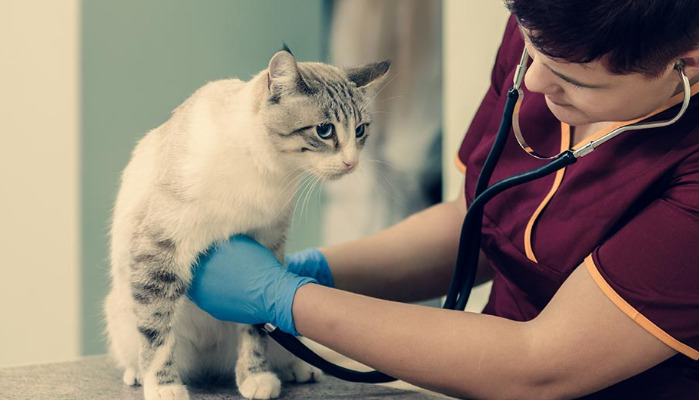
Diagnosing FCoV infection is straightforward using blood or fecal testing. Most cats with antibodies to FCoV have no clinical symptoms. Diagnosing FIP, on the other hand, is notoriously difficult. No single test definitively distinguishes FIP from other causes of illness. Veterinarians rely on symptom history, clinical examination, laboratory tests, and imaging.
For cases with fluid accumulation, analysis of the fluid can help. Markers like high protein levels, low cell counts, and specific viral RNA tests can suggest FIP. Advanced diagnostic tools, such as immunohistochemistry or PCR detection of viral RNA, are increasingly used.
Clinical Management and Treatment Options
The majority of cats with simple FCoV infection require no therapy, as most recover unaided. In high-density environments, sanitation and reducing cat population density can restrict spread. For FIP, historic treatments were mostly limited to supportive care or immunosuppressants, with poor outcomes.
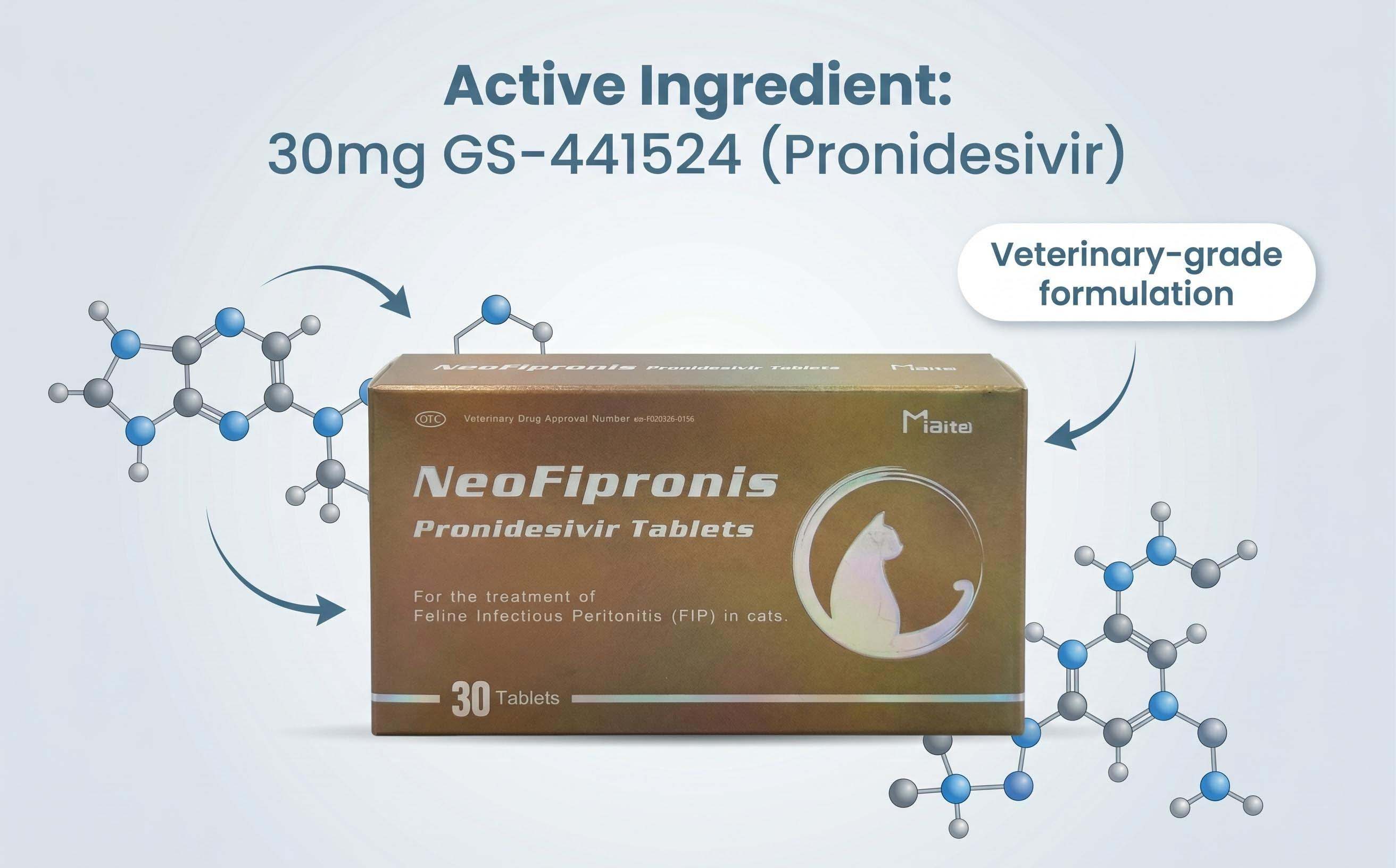
Recent advances now offer hope: antiviral medications, notably those targeting viral RNA synthesis (GS-441524 and related drugs), have shown remarkable efficacy. Early detection, prompt treatment, and close veterinary supervision can yield survival rates exceeding 80% in some studies. However, antiviral drugs for FIP are often under regulatory review and may not be universally available.
Risk Factors for FIP Development
Not every cat exposed to FCoV will develop FIP. Several risk factors increase susceptibility:
Age: FIP occurs most often in young cats under 2 years.
Genetics: Certain breeds, like Bengals, British Shorthair, and Abyssinians, may have higher genetic susceptibility.
Stress: Multi-cat environments, high turnover, and overcrowding escalate FIP risk.
Immune Status: Immunocompromised cats (from chronic diseases, medications, or poor nutrition) show higher rates.
Understanding these risks enables breeders and shelters to implement targeted strategies to minimize FIP incidence.
Prevention Strategies
Prevention relies primarily on reducing FCoV transmission. Recommendations include:
Enhanced Sanitation: Frequent cleaning, especially litter boxes and shared spaces.
Limit Cat Density: Fewer cats per room or enclosure reduces viral load and stress.
Controlled Breeding Practices: Gradual introduction of new cats, quarantine for newcomers, and minimizing breeding in endemic populations.
Early Detection: Regular veterinary checks and monitoring for early disease signs.
There is currently no universally licensed vaccine for FIP. Some regions have intranasal FCoV vaccines, but their efficacy remains under debate.
Frequently Asked Questions
How common is FCoV in cats?
Between 25% and 40% of household cats and up to 90% of multi-cat environments test positive for FCoV antibodies.
Does every FCoV infection turn into FIP?
No. Less than 10% of infected cats develop FIP, with most remaining healthy.
Is FIP contagious between cats?
FIP disease itself is not considered contagious; only FCoV is spread between cats.
Can people get FIP or FCoV?
No, FCoV and FIP are species-specific and do not infect humans.
Can FIP be cured?
Antivirals have revolutionized FIP treatment, and many cats recover with intensive therapy.
FIP Research and Future Directions
FIP is the subject of intense research, with new diagnostics, therapies, and vaccines under development. Scientists are exploring the genetic mutation triggering FIPV, as well as the underlying immune responses in cats. Ongoing studies aim to create robust vaccines and evaluate newer antiviral compounds, making the future more promising for both cats and their caregivers.
Implications for Cat Owners and Veterinarians
For cat owners, understanding the distinction between FCoV and FIP is vital. While feline coronavirus is widespread and mostly benign, FIP should be treated with urgency, expertise, and a customized plan. Early veterinary involvement is crucial. For veterinarians and breeders, preventive care—health monitoring, improved hygiene, and population management—are the best defense against FCoV and potential FIP cases.
Ultimately, FIP and FCoV represent a paradigm for emerging veterinary viruses: common but typically mild infections can, through mutation and immune complication, become rare but deadly diseases. Staying informed and proactive is the key to keeping cats healthy and thriving.
References
Pedersen NC. “A review of feline infectious peritonitis virus infection: 1963–2008.” Journal of Feline Medicine and Surgery, 2009.
Kipar A, Meli ML. “Feline infectious peritonitis: still an enigma?” Veterinary Pathology, 2014.
Felten S, Hartmann K. “Feline infectious peritonitis—recent advances in diagnostics and treatment.” Veterinary Clinics of North America: Small Animal Practice, 2020.
Addie DD, Toth S, Thompson H et al. “Feline coronavirus: dynamics of infection in individual cats and a population.” Veterinary Record, 2003.
Wang YT, Shi X, Ma Y. “Advances in feline infectious peritonitis treatment: efficacy and perspectives.” Veterinary Research, 2023.
Hosie MJ, Addie DD, Belák S et al. “Feline infectious peritonitis: ABCD guidelines on prevention and management.” Journal of Feline Medicine and Surgery, 2013.
Dewerchin HL, Cornelissen E, Nauwynck HJ. “Replication of feline coronaviruses in peripheral blood monocytes.” Archives of Virology, 2005.
Tekes G, Thiel HJ. “Feline coronaviruses: pathogenesis of Feline Infectious Peritonitis.” Advances in Virus Research, 2016.
Chang HW, de Groot RJ, Egberink HF, Rottier PJM. “Feline infectious peritonitis: insights into the pathogenesis and prevention.” Veterinary Microbiology, 2012.