Best Supportive Care Tips for Cats Undergoing FIP Treatment
Feline Infectious Peritonitis (FIP), a disease caused by the feline coronavirus, is one of the most dreaded illnesses in cats worldwide. Previously considered incurable, the past few years have seen remarkable progress in treatment options, particularly antiviral drugs like GS-441524 and its derivatives. However, treatment alone does not guarantee recovery; supportive care plays a crucial role in improving survival rates, quality of life, and overall prognosis. Owners and veterinary professionals alike must employ a multidisciplinary approach encompassing nutrition, medication management, environmental modifications, hydration, pain relief, and psychological well-being. Proper supportive care can make the difference between a cat simply enduring treatment and a cat thriving during its recovery.
Nutrition and Appetite Management
Cats undergoing FIP treatment often struggle with poor appetite, weight loss, and muscle wasting, especially in cases of the wet form, where abdominal fluid accumulation can limit digestive capacity. Feeding highly palatable, nutrient-rich food is essential. The use of prescription diets designed for recovery or gastrointestinal health—such as Hill’s a/d or Royal Canin Recovery—helps provide the necessary protein and calories, supporting immune function and tissue repair. Feeding smaller, frequent meals may reduce digestive strain and stimulate appetite.
For cats intolerant of oral feeding due to severe illness or mouth ulcers, assisted-feeding via syringe or esophageal feeding tubes may be necessary. Appetite stimulants, such as mirtazapine or cyproheptadine, are often prescribed under veterinary guidance. Owners should monitor for malnutrition, as rapid weight loss can lead to hepatic lipidosis, a life-threatening liver condition.
Hydration Strategies
Dehydration is common in cats with FIP, stemming from fever, decreased intake, or fluid loss via effusions. Ensuring adequate hydration improves circulation, medication distribution, and organ function. Providing fresh water at multiple locations, using water fountains, or offering broth-based supplements can encourage drinking. Some cats may require subcutaneous or intravenous fluid therapy, especially those with severe dehydration or who are unable to drink voluntarily.
Monitoring for overhydration is critical, as it may worsen effusion accumulation in the abdomen or chest. The veterinarian adjusts fluid types, volumes, and rates according to each cat’s individual requirements. Owners should report changes in thirst, urination, or signs of fluid buildup promptly.
Medication Administration and Compliance
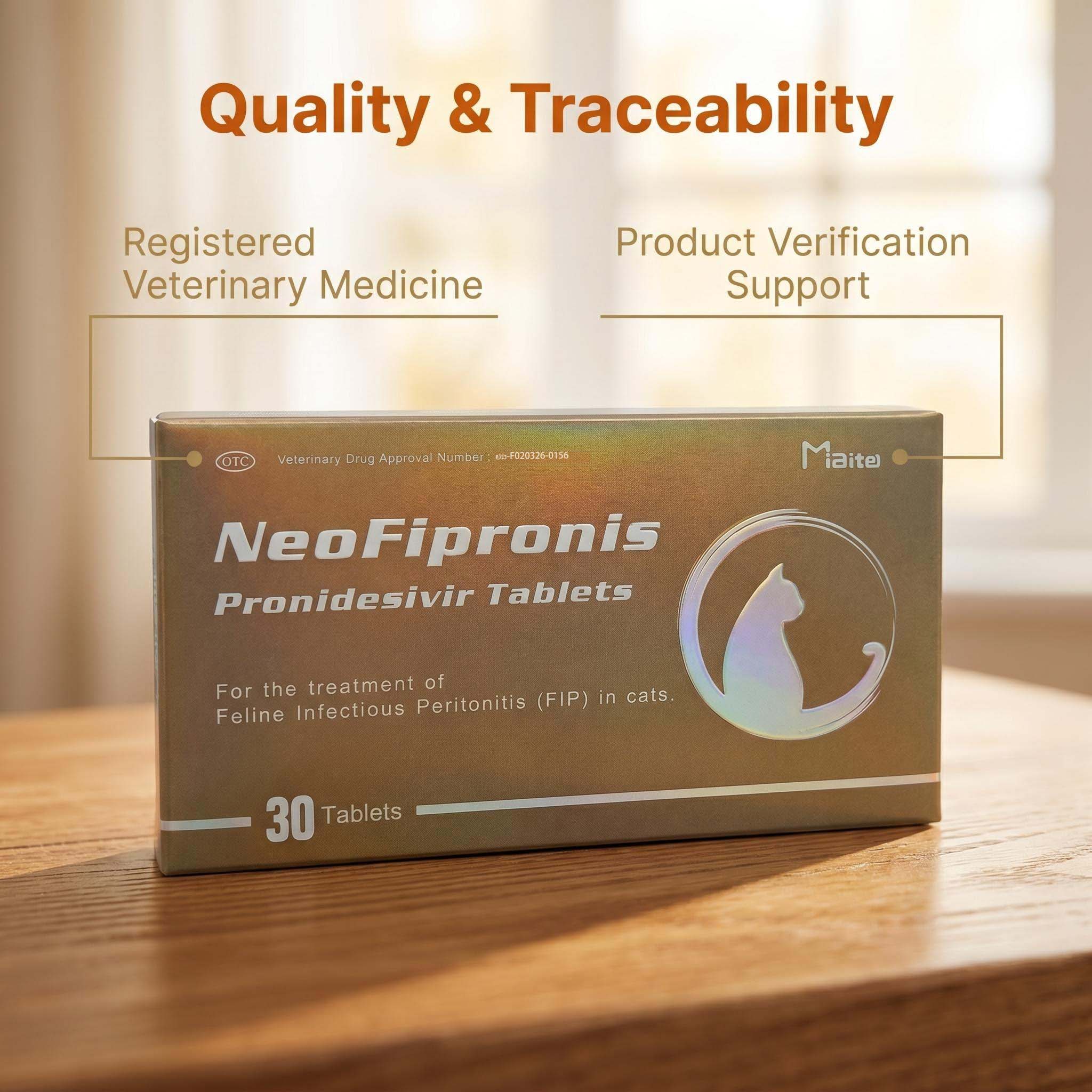
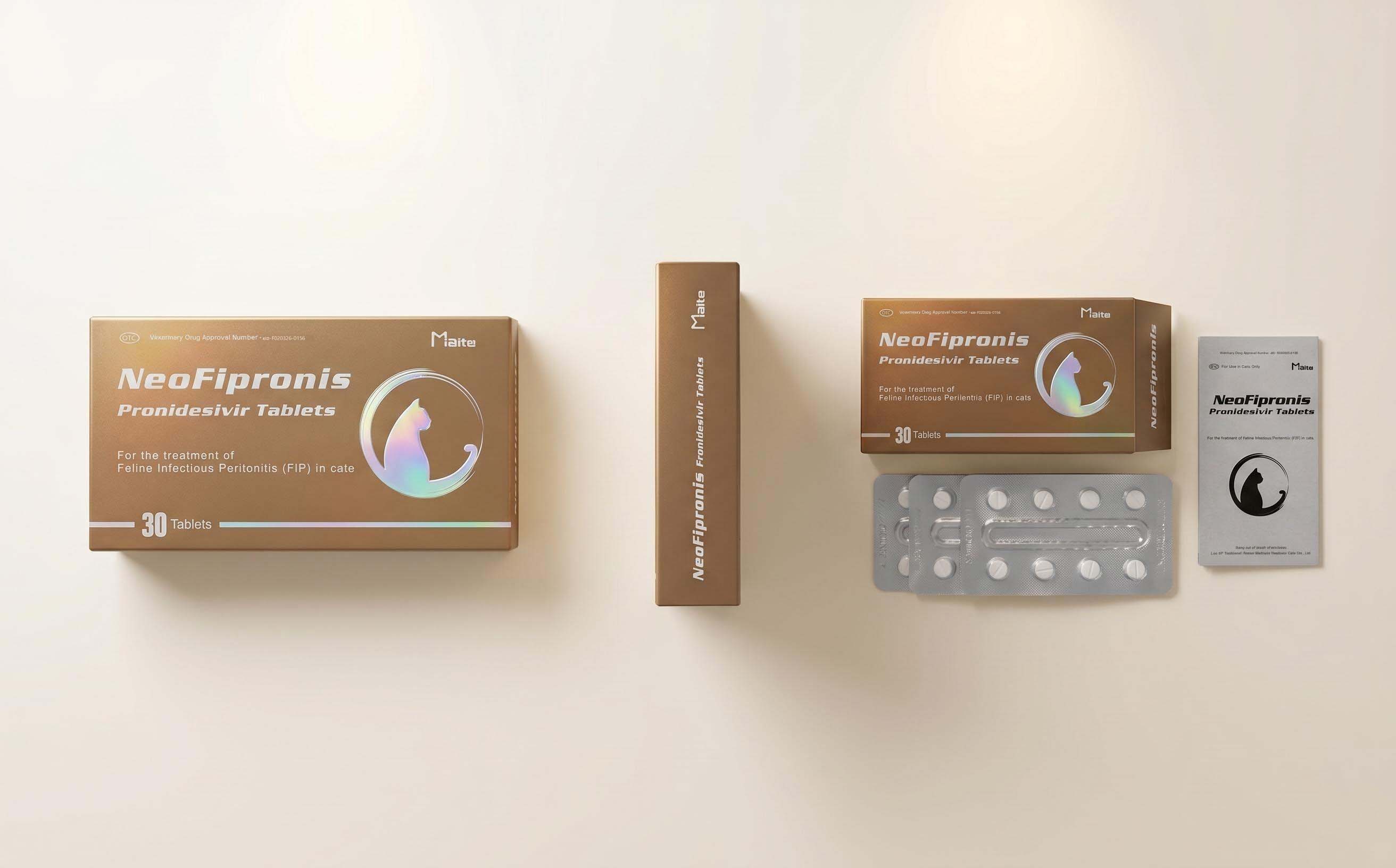
FIP treatment regimens are demanding, often involving daily oral or injectable antiviral medications for 84 days or more. Owners must follow precise dosing schedules to ensure efficacy. Clear communication with the veterinary team regarding medication type, administration technique, and potential side effects is vital.
Cats may react negatively to oral medications, resisting pills or developing gastrointestinal upset. Using pill masks or crushing pills in food (if permitted) can ease administration. For injectable medications—such as GS-441524—rotating injection sites reduces pain and inflammation. Soothing ointments or cool compresses may be used after injections if approved by the veterinarian.
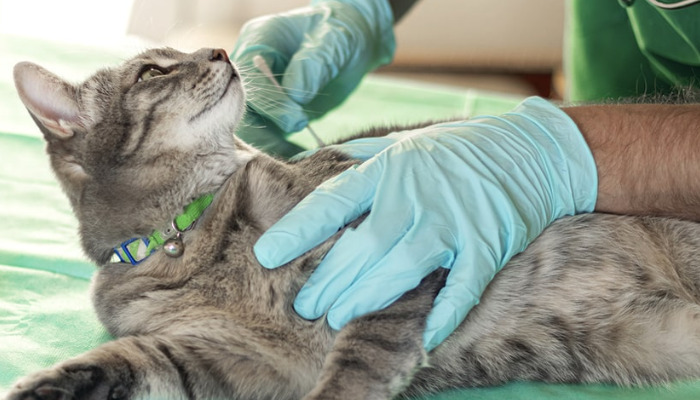
Regular bloodwork and physical examinations evaluate treatment response and detect adverse effects like anemia, elevated liver enzymes, or kidney dysfunction. Any signs of medication intolerance—vomiting, diarrhea, lethargy—should be promptly reported, and doses adjusted if necessary.
Pain and Comfort Management
FIP often causes pain from inflammation, fluid buildup, or neurological involvement. Veterinary-approved pain management options—such as buprenorphine, gabapentin, or NSAIDs (when indicated)—help alleviate suffering and improve mobility. Comfort is also achieved by providing padded beds, low-stress environments, and warmth, as fever, chills, or abdominal discomfort may otherwise disrupt sleep and recovery.
Owners should observe for behavioral changes suggestive of pain, including hiding, decreased activity, vocalizing, or reluctance to move. Adjusting the living space to minimize jumping, climbing, or other strenuous activities while encouraging gentle interactions supports physical comfort. Cats with neurological FIP may require additional supportive measures, including soft surfaces and assistance with eating or toileting.
Effusion Management in Wet FIP
The presence of effusions in the abdominal or chest cavity is a hallmark of the wet form of FIP. These fluid accumulations can cause breathing difficulties, reduced space for organs, and mobility challenges. Periodic veterinary assessment is required to determine if drainage (abdominocentesis or thoracocentesis) is warranted, especially when fluids compromise respiration or cause severe discomfort.
At-home management includes monitoring for signs of respiratory distress—rapid or labored breathing, open-mouth breathing, or intolerances to activity. Keeping the living environment calm and oxygenated, such as through air purifiers or supplemental oxygen (if available), may assist cats with compromised breathing.
Immune System Support
Cats with FIP frequently face immunosuppression, either from the disease itself or from medications. Reducing exposure to secondary infections is critical—maintain strict hygiene in litter boxes, food bowls, and bedding. Isolating FIP cats from sick animals and ensuring up-to-date core vaccinations prevents further complications.
Probiotics and immune boosters, such as lactobacillus supplements or supportive vitamins under veterinary guidance, may help bolster immune response. Any unusual symptoms—coughing, sneezing, diarrhea—should be investigated, as secondary infections can exacerbate the primary disease and complicate treatment.
Psychological Well-being
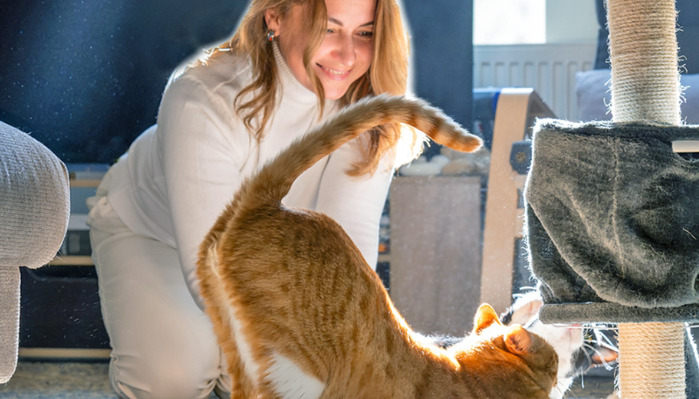
Chronic illness takes an emotional toll on both pets and their owners. Creating a calm, nurturing atmosphere contributes to the psychological health of FIP cats. Routine, gentle handling, and access to favorite toys, scratching posts, or window perches can help maintain normalcy and reduce stress.
Owners should avoid loud noises, abrupt changes, or overcrowded environments. For cats experiencing anxiety or depression, pheromone diffusers or anti-anxiety medications may be helpful. Veterinary behaviorists offer guidance on managing apprehensive or withdrawn cats.
Owner Self-Care and Support
Caring for a cat undergoing FIP treatment is a demanding journey, often marked by uncertainty and emotional strain. Seeking support from FIP groups, veterinary professionals, or mental health counselors helps owners manage stress. Organized record-keeping (medication logs, appetite and behavior diaries) enables effective communication with the veterinary team and facilitates optimal care.
Owners must remember to balance dedication with self-care, ensuring they maintain their own well-being. Proper education, preparation, and access to resources empower owners to deliver comprehensive supportive care while minimizing burnout.
Environmental Modifications
Cats with FIP benefit from a meticulously tailored environment. Ensure easy access to food, water, litter boxes, and comfort areas, minimizing the need for strenuous movement. Surfaces such as soft rugs, warm blankets, or heated beds help alleviate joint pain and stiffness.
Reducing household hazards—such as slippery floors, sharp objects, or inaccessible spaces—limits risk of injury for cats weakened by illness. Quiet, dimly lit areas may provide retreats when overstimulation occurs.
Monitoring and Communication
Regular veterinary visits are essential for tracking treatment progress and adjusting protocols. Owners should note all changes in appetite, behavior, mobility, and appearance. Photographs or videos of abnormal symptoms (such as walking difficulties or abnormal breathing) assist professionals in prompt decision-making.
Effective communication ensures that any early signs of complications are addressed. Owners should not hesitate to contact professionals with questions or concerns, as timely intervention can prevent escalation.
Long-Term Considerations
With increasing survival rates in FIP-treated cats, long-term supportive care strategies come into focus. Regular checkups, continued dietary optimization, and monitoring for late-onset adverse effects are vital. Transitioning back to normal routines should be gradual, with careful evaluation of physical and emotional needs. Some cats may require lifelong medication or immunity support.
Innovations such as telemedicine and remote monitoring tools offer new ways to track progress and improve outcomes. Owners should stay informed about emerging research and evolving best practices for ongoing care.
References
Feline Infectious Peritonitis: The Diagnosis Dilemma and Novel Treatment Approaches (Journal of Veterinary Internal Medicine)
Management of Nutritional and Supportive Care in Cats With Chronic Illness (Veterinary Clinics of North America: Small Animal Practice)
GS-441524 and Other Antivirals for FIP Treatment: Recent Advances (Journal of Feline Medicine and Surgery)
Pain Management in Feline Medicine (American Association of Feline Practitioners Guidelines)
Hydration and Fluid Therapy in Companion Animals (International Veterinary Emergency & Critical Care Society Proceedings)
Psychological and Environmental Enrichment for Cats With Chronic Disease (Journal of Applied Animal Welfare Science)
Owner Experiences and Emotional Well-being During FIP Treatment (Feline Infectious Peritonitis Support Group Report)