What Makes Dry FIP Harder to Confirm

Feline Infectious Peritonitis (FIP) remains one of the most feared infectious diseases in cats worldwide, notably due to its elusive diagnostic nature—especially the dry or non-effusive form. While the effusive (wet) form presents with classic symptoms that often allow for a presumptive diagnosis, dry FIP poses greater clinical mysteries, challenging both veterinary clinicians and cat owners alike. Understanding why dry FIP is harder to confirm requires exploring its clinical presentations, laboratory diagnostics, pathophysiology, and current limitations in testing.
Clinical Presentation Differences: The Elusiveness of Dry FIP
FIP arises from a mutation of feline coronavirus (FCoV) within the host, leading to two distinct syndromes: the effusive (wet) and non-effusive (dry) forms. Effusive FIP typically manifests with abdominal or thoracic fluid accumulation—a clear, straw-colored exudate rich in protein, often yielding highly suggestive imagery on ultrasound or X-ray. These fluid accumulations permit relatively straightforward clinical suspicion and cytological sampling.
Dry FIP, however, lacks such hallmark effusions. Instead, it produces granulomatous lesions within organs like the kidneys, liver, lymph nodes, eyes, or central nervous system. The resulting symptoms—lethargy, weight loss, fever that doesn’t respond to antibiotics, neurological abnormalities, and ocular changes—are notoriously non-specific. Given that these signs overlap extensively with other feline diseases such as lymphoma, toxoplasmosis, immune-mediated disorders, and other infectious processes, clinical diagnosis becomes a process of exclusion.
Laboratory Diagnostics: Navigating Uncertain Results
A cornerstone of FIP diagnosis remains laboratory testing. For wet FIP, analysis of effusion fluid (protein content, Rivalta test, cytology, and PCR for FCoV) often enables strong suspicion if not confirmation. Effusion is absent in dry FIP, limiting immediate sample types.
Routine bloodwork in dry FIP reveals certain trends: moderate to marked lymphopenia, mild to moderate non-regenerative anemia, hyperglobulinemia, and low albumin-to-globulin ratio. Elevated total protein and increased acute-phase proteins such as alpha-1 acid glycoprotein are commonly seen. Yet, these findings are not specific to dry FIP—they occur in many other inflammatory or neoplastic conditions.
PCR and Immunohistochemistry: Interpreting False Positives and Negatives
Detecting FCoV directly is possible using PCR testing on tissue biopsies, effusions, or blood. However, even highly sensitive RT-PCR cannot reliably differentiate between the benign enteric FCoV and the pathogenic FIP-causing mutant. Further, FIP lesions are often focal, requiring precise sampling lest PCR return a false negative due to sampling error.
Immunohistochemistry (IHC) remains among the most definitive confirmatory techniques, visualizing coronavirus antigen within macrophages in granulomatous tissue. But obtaining suitable biopsy samples from deep organs is invasive and carries significant risks—especially in unstable patients with impaired organ function. Even when samples are obtained, false negatives can occur if tissue selection misses active lesions.
Imaging Modalities: The Limits of Ultrasound and Radiography
Advanced imaging plays a supportive, but not always definitive, role. Ultrasound may reveal organ irregularities, masses in lymph nodes, kidneys, or abdominal organs, and thickening, but these are indistinguishable from other maladies like cancer or infection. MRI or CT scans offer better resolution for neurological or ophthalmic cases, yet do not yield pathognomonic findings for FIP. Imaging points towards general inflammation without confirming the underlying etiology.
Pathophysiology and the Challenge of Antemortem Confirmation
The dry form’s pathophysiology centers on granulomatous inflammatory reactions rather than fluid exudation. Granulomas evolve in response to immune-mediated destruction of infected cells, leading to focal organ dysfunction without effusive evidence. This focality means disease can be "hidden"—where it only shows up in one organ or a small area of tissue.
Because dry FIP sometimes affects the eyes or central nervous system exclusively (ocular or neuro FIP), signs can mimic non-infectious inflammatory disorders, neoplasms, or other infections, making tissue confirmation crucial yet challenging.
Exclusion Diagnostics: Why They Often Fall Short
Veterinarians often employ the "diagnosis of exclusion" strategy—ruling out other causes for chronic, unresponsive fever, weight loss, and organ changes. Yet, diseases like lymphoma, tuberculosis, systemic mycoses, or toxoplasmosis have overlapping signs and cannot always be excluded without invasive diagnostics.
Serologic testing for anti-FCoV antibodies may demonstrate high titers but does not distinguish between exposure, shedding, or active mutational disease. Many cats carry FCoV in multiple-cat households, further muddying interpretation.
Biopsy Challenges: Risks and Limitations
Obtaining biopsies for histopathology and IHC confirmation is considered the gold standard for dry FIP, but comes with notable issues. Deep organ or CNS biopsies carry anesthetic risk and may not always be feasible. Biopsy size and location are critical, as sampling unaffected tissue may result in false negatives. In addition, healing and recovery from biopsies are longer and riskier in cats already immunocompromised by FIP.
Novel Testing and Its Promise—And Limitations
Recent years have seen advances in using real-time PCR targeting specific FCoV mutations correlated with FIP, such as M1058L and S1060A. These tests show promise in increasing specificity, yet are not 100% definitive, as the same mutations have been found occasionally in enteric FCoV. Further, antemortem sampling remains a challenge.
Other developments, such as combining molecular tests with serum biomarkers—like elevated alpha-1 acid glycoprotein—help raise the index of suspicion but cannot substitute for a definitive diagnosis without invasive sampling.
Differential Diagnosis: The Breadth of Mimics
Dry FIP can resemble a multitude of conditions. Visceral lymphoma often presents similarly, with ocular and neurological symptoms. Toxoplasmosis, systemic fungal infections, and other viral diseases (like FeLV and FIV) have overlapping signs on bloodwork and physical examination. Only direct visualization of FCoV antigen or RNA in affected tissues can distinguish dry FIP—otherwise, diagnostic ambiguity reigns.
Clinical Decision-Making: Managing Diagnostic Uncertainty
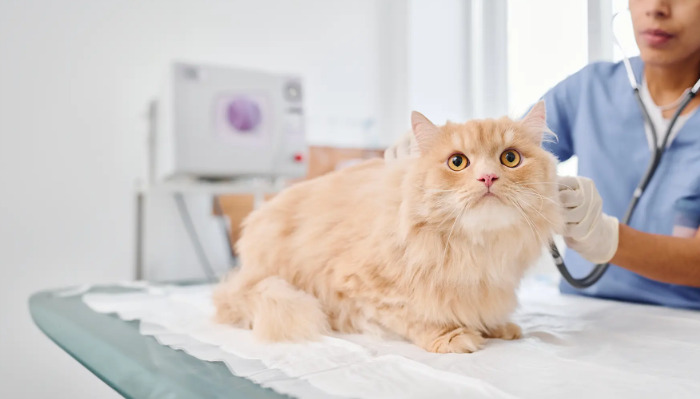
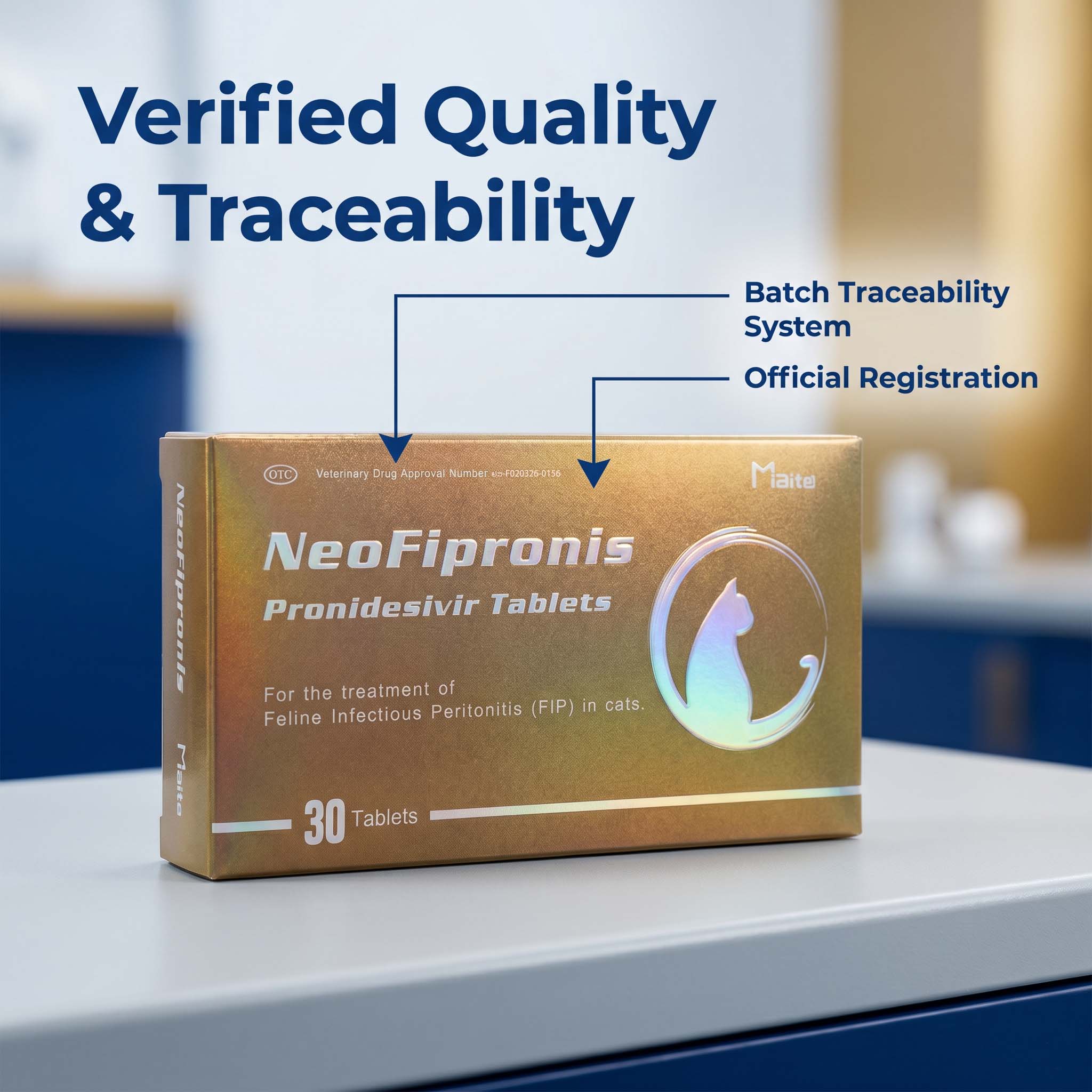
The lack of a pathognomonic laboratory or imaging feature for dry FIP compels clinicians to rely on the sum of clinical and laboratory evidence. Sometimes, therapeutic trials with antiviral drugs (like GS-441524) may be initiated presumptively in high-suspicion cases, and positive clinical response thereafter retroactively supports the diagnosis. However, this is a compromise, not an ideal diagnostic pathway.
Current Recommendations and the Diagnostic Gold Standard
Definitive diagnosis for dry FIP is achieved through detection of FCoV antigen within macrophages of affected tissues using IHC/histopathology, or molecular confirmation of FCoV RNA in lesions via PCR. Antemortem diagnosis relies on a combination of biometric findings, clinical presentation, and exclusion of other diseases, ideally supported by advanced molecular or IHC analysis—when viable.
Improving Diagnostic Protocols
Veterinary medical research is actively pursuing better, less invasive, more accurate assays for FIP. The complexity comes from the ubiquity of benign FCoV, the focal nature of granulomatous lesions, and the inadequacy of blood-based testing. Genomic exploration of FIP-specific viral mutations may eventually yield blood- or saliva-based tests capable of confirming dry FIP without tissue biopsies.
Implications for Cat Owners and Veterinarians
Dry FIP’s elusive nature means owners and veterinarians must remain patient and diligent, often balancing invasive diagnostic risk against the cat’s deteriorating health. Pursuing treatment based on a "probable FIP" diagnosis remains common, but the pursuit for more objective, minimally invasive testing continues.
References
1. Addie, D. D., & Jarrett, O. (1992). Feline infectious peritonitis—questions and answers. Veterinary Record, 131(18), 354-358.
2. Hartmann, K. (2005). Feline infectious peritonitis. Veterinary Clinics: Small Animal Practice, 35(1), 39-79.
3. Pedersen, N. C. (2009). A review of feline infectious peritonitis virus infection: 1963–2008. Journal of Feline Medicine and Surgery, 11(4), 225-258.
4. Felten, S. & Hartmann, K. (2019). Diagnosis of FIP: A Review. Veterinary Sciences, 6(4), 94.
5. Kipar, A., & Meli, M. L. (2014). Feline infectious peritonitis: still an enigma?. Veterinary Pathology, 51(2), 505-526.
6. Stranieri, A. et al. (2018). Alpha-1 acid glycoprotein (AGP) as a marker for FIP in cats. Veterinary Clinical Pathology, 47(2), 234-242.
7. Tasker, S. (2018). Diagnosis of feline infectious peritonitis: Update on evidence supporting available tests. Journal of Feline Medicine and Surgery, 20(3), 228-243.
8. Pedersen, N. C. et al. (2020). Efficacy and safety of antiviral treatment for FIP. Journal of Feline Medicine and Surgery, 22(7), 629-640.