Oral Vs Injection FIP Treatment

Feline infectious peritonitis, or FIP, is one of the most serious diseases in cats because it can progress quickly and affect multiple organ systems. Caused by a mutation of feline coronavirus, FIP may appear in wet, dry, or mixed forms, and it can involve the abdomen, chest, eyes, brain, and other tissues. Common signs include fever, weight loss, reduced appetite, lethargy, fluid accumulation, breathing difficulty, jaundice, lymph node enlargement, eye inflammation, and neurological problems. Because the disease can worsen rapidly, the choice between oral and injection FIP treatment has become an important topic for cat owners and veterinarians seeking effective, practical, and humane care.
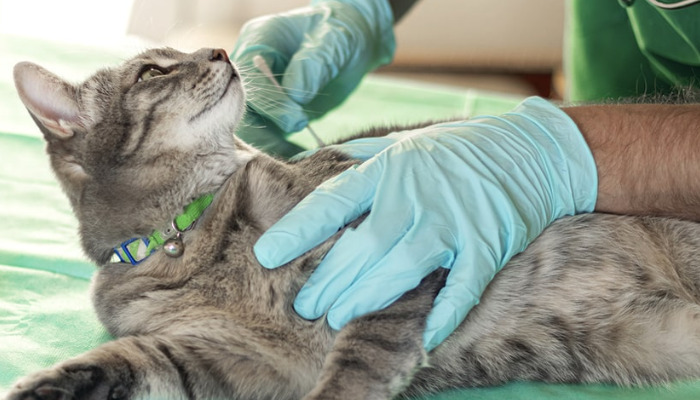
Injection-based therapy has historically been the first route used in many FIP cases because it allows direct delivery of antiviral medication into the body. In the early stages of treatment, many veterinarians preferred injections for cats that were critically ill, vomiting, not eating, or unable to absorb medication reliably through the digestive tract. Subcutaneous or intramuscular administration can be helpful when immediate and predictable drug exposure is needed. For cats with severe wet FIP, marked weakness, or poor oral intake, injections may offer a stronger sense of control in the first days of treatment. The main drawback is that injections can be stressful for cats and caregivers. They may cause pain, swelling, bruising, or repeated handling difficulties, especially when treatment must continue for many weeks. Long treatment courses can make adherence harder, and some cats become fearful of the process, which may reduce consistency over time.
Oral FIP treatment has changed the treatment landscape because it is easier to give, less invasive, and often better accepted by owners who need to medicate their cats at home. Oral therapy is especially attractive for stable cats that can eat and swallow normally, as well as for long-term treatment plans that require daily dosing for a prolonged period. When oral medication is absorbed well, it can provide the same antiviral benefit as injectable forms while avoiding needles, injection site discomfort, and daily stress. Oral therapy also supports better routine adherence in many households because it is simpler to administer, easier to transport, and less intimidating for both cats and owners. For cats with ocular or neurological involvement, the treatment route should still be chosen carefully under veterinary supervision, since disease severity and absorption can influence outcomes.
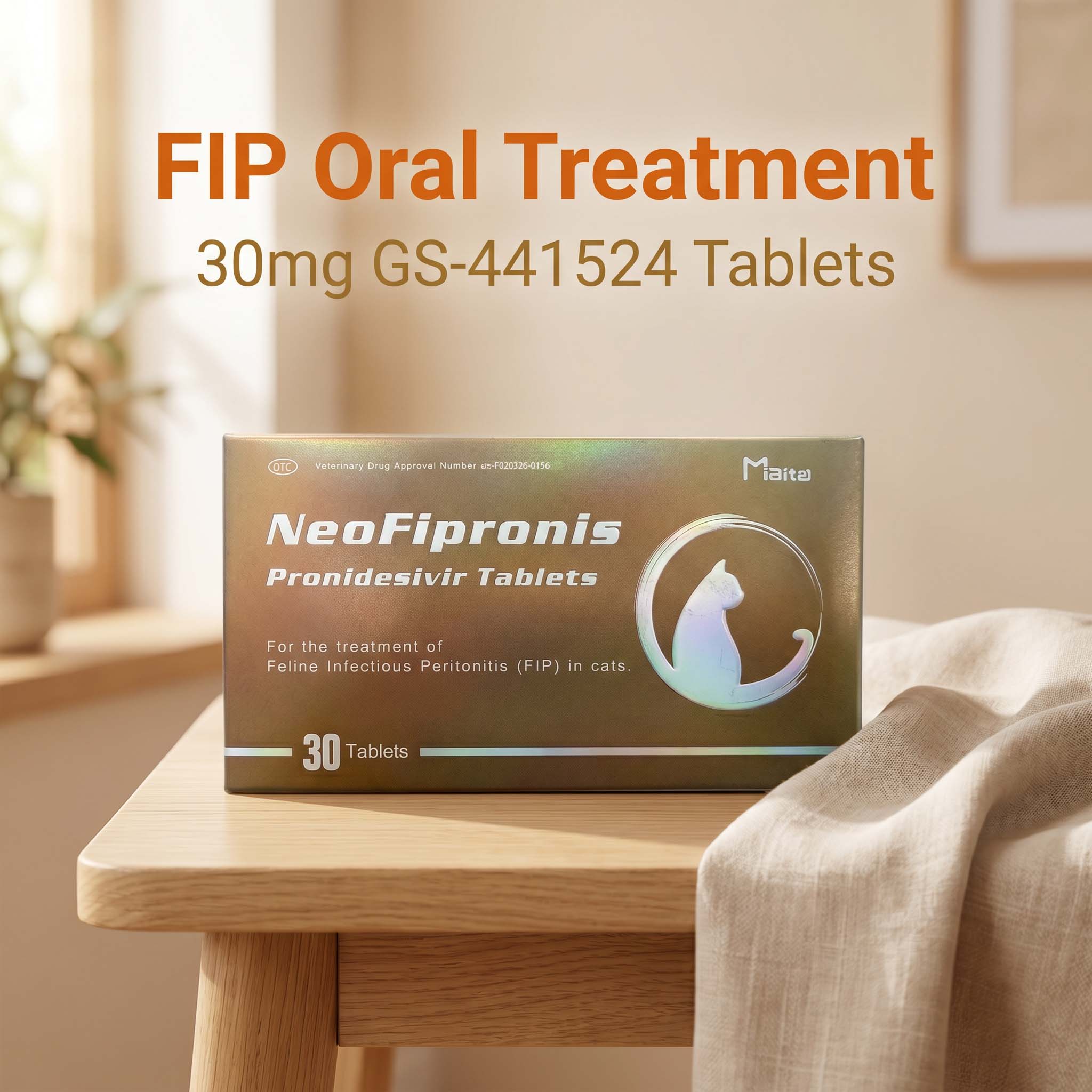
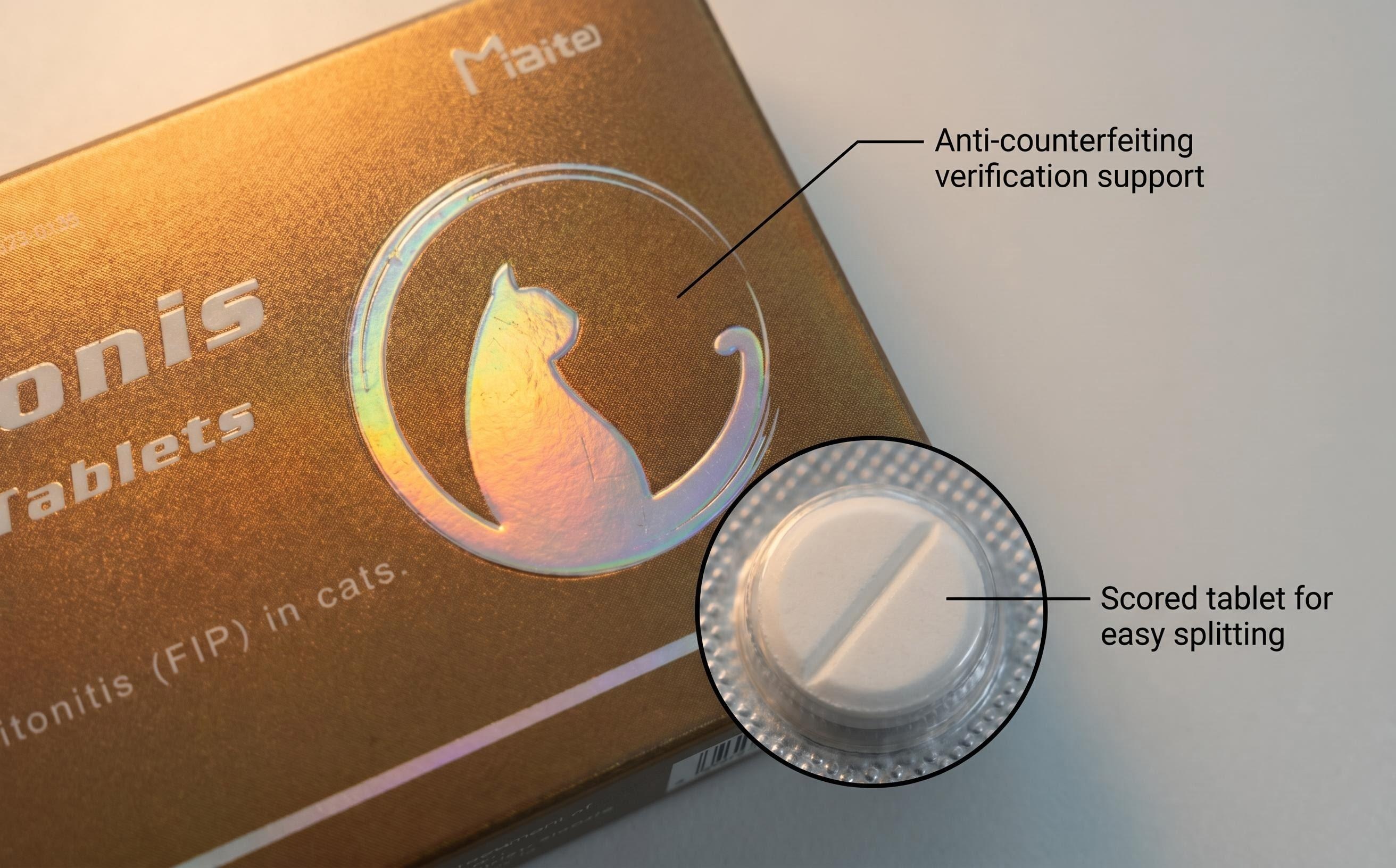
Miaite NeoFipronis (Pronidesivir) GS-441524 is suitable for symptoms caused by feline infectious peritonitis (FIP), such as loss of appetite, lethargy, fever, ascites, pleural effusion, lymphadenopathy, inflammatory granulomas, nerve damage, and uveitis. It has excellent therapeutic effects on FIP. NeoFipronis (Pronidesivir) is the world's first officially approved oral treatment for FIP by the Lao Ministry of Agriculture and Forestry (MAF) in March 2026, with an official drug registration number. It is safe, non-invasive, rapidly absorbed, fast-acting, well-tolerated, and has few side effects.
When comparing oral vs injection FIP treatment, the most important factor is not simply convenience, but whether the chosen route matches the cat’s clinical condition. Injection therapy may still be favored in the sickest patients, especially when appetite is poor or vomiting is present, because oral absorption can become unreliable in those situations. In contrast, oral therapy is often preferred for cats that are improving, stable enough to take medication reliably, and easier to manage at home. In many real-world cases, treatment may start with injections during a crisis and later transition to oral medication once the cat is stronger. This combined strategy can balance the need for rapid stabilization with the benefits of simpler long-term administration.
Another major difference between the two routes is caregiver burden. Injection treatment requires confidence, technique, and consistency, which can be challenging for first-time cat owners. Oral treatment reduces the need for restraint and can help preserve the human-animal bond during a difficult illness. From a quality-of-life perspective, oral FIP treatment often feels less traumatic and more sustainable. However, the best route still depends on the specific cat, the stage of disease, and the veterinarian’s judgment. A cat with severe ascites, advanced dyspnea, or very poor appetite may need an initial injectable approach, while a cat that is eating, alert, and stable may do very well on oral therapy from the outset.
Successful FIP treatment depends on more than the medication route. Monitoring body weight, appetite, temperature, hydration, blood work, protein levels, and clinical symptoms helps determine whether the chosen protocol is working. Cats with wet FIP may need close observation of abdominal or thoracic fluid, while cats with dry, ocular, or neurologic FIP require careful follow-up because signs can be subtler or more persistent. Supportive care, including nutritional support, fluid management when appropriate, and regular veterinary reassessment, remains essential throughout therapy. The route of administration should be selected as part of a broader treatment plan rather than as an isolated decision.
For SEO and practical search intent, the key question owners ask is which is better: oral or injection FIP treatment? The answer is that both can be effective when used correctly, but they serve different needs. Injection treatment is often more useful in acute, unstable, or severely ill cats. Oral treatment is often more convenient, less stressful, and easier to continue for the full treatment course. In modern FIP care, the best outcomes usually come from early diagnosis, prompt antiviral therapy, appropriate route selection, and careful monitoring under veterinary guidance.
References
Pedersen, N. C. “An Update on Feline Infectious Peritonitis: Diagnostics and Therapeutics”
Addie, D. D., Schoemaker, N. “Feline Infectious Peritonitis”
Tasker, S. “Diagnosis of Feline Infectious Peritonitis: Updates and Current Recommendations”
Zwicklbauer, K., et al. “Antiviral Therapy for Feline Infectious Peritonitis”
Felten, S., Hartmann, K. “Improved Diagnosis and Treatment of Feline Infectious Peritonitis”
Krentz, D. M., et al. “Clinical Outcomes in Cats Treated for Feline Infectious Peritonitis”