Real Recovery Stories Cats That Survived FIP Treatment
Feline Infectious Peritonitis (FIP) has long been considered one of the most devastating diseases in the feline world. Caused by a mutating strain of feline coronavirus (FCoV), FIP was historically regarded as a death sentence for affected cats. The disease manifests in two primary forms, the wet (effusive) and dry (non-effusive) variants, both characterized by fatal inflammation and organ failure. Recent advances in antiviral treatments, particularly GS-441524 therapies, have dramatically changed the prognosis for many cats. This article explores real recovery stories, brings insight into the journey of surviving FIP treatment, and offers hope to families facing similar diagnoses.
What Is FIP: Understanding the Disease
FIP emerges when feline coronavirus mutates within the cat’s body, transforming into a strain capable of evading the immune system. The disease’s symptoms are non-specific in the early stages, ranging from fever and lethargy to loss of appetite and weight loss. Effusive FIP typically causes fluid accumulation in the abdomen or chest, while non-effusive FIP targets organs without producing fluid. Diagnosis is notoriously complex, often requiring a combination of bloodwork, imaging, and sometimes surgical biopsy. Only in recent years has FIP seen successful treatments available, sparking a shift in how veterinarians and cat owners address this diagnosis.
Breakthrough in Treatment: GS-441524 and Antivirals
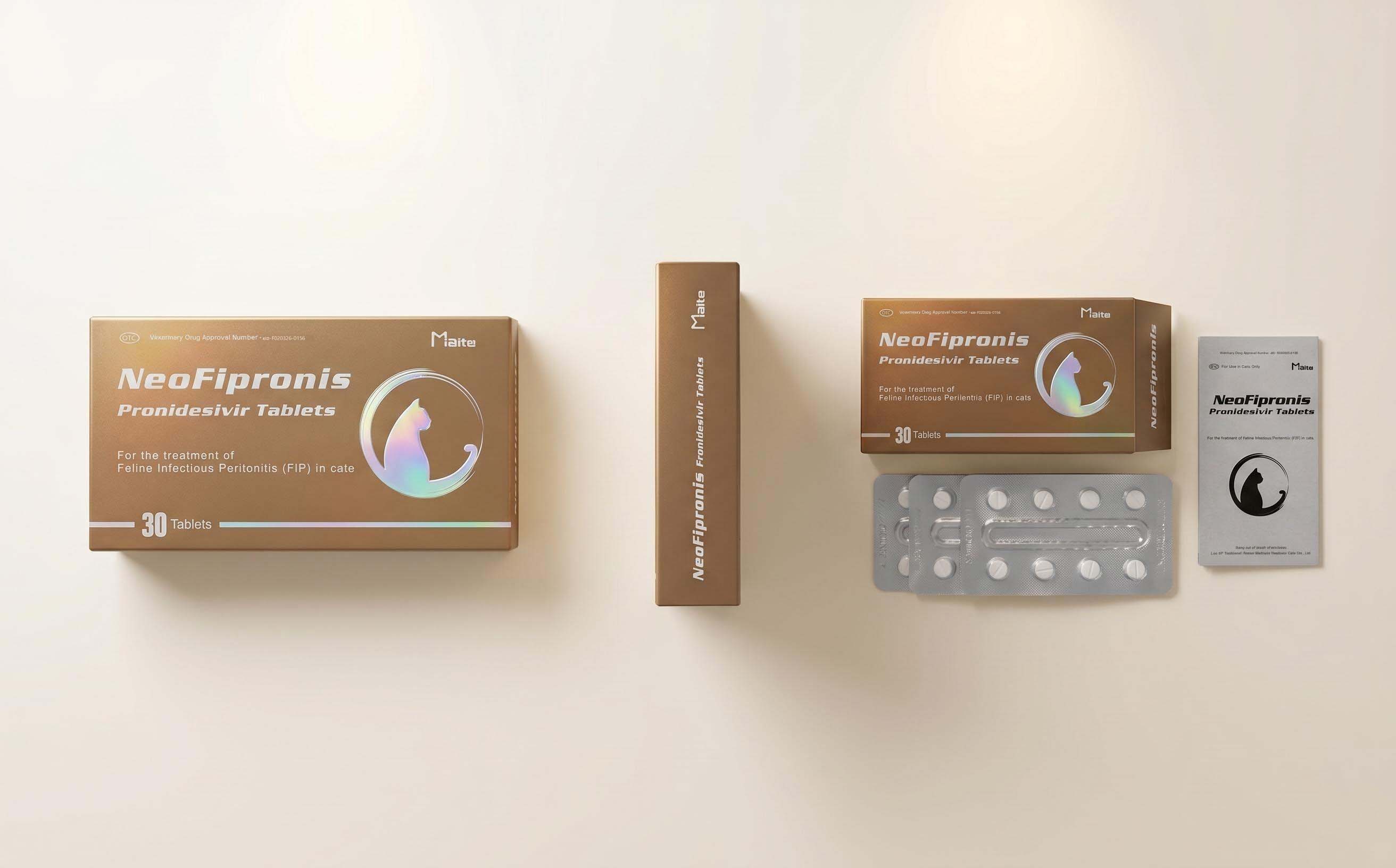
For decades, supportive care was the only intervention, but the development of GS-441524—an antiviral drug—marked a turning point. GS-441524 inhibits viral replication by targeting the RNA polymerase of the coronavirus. Veterinarians and cat advocates began reporting remarkable recoveries in cats receiving GS-441524 therapy, sometimes combined with newer therapies such as remdesivir and molnupiravir. These treatments, although not yet FDA-approved, have opened a new chapter for cats with FIP, turning an almost always fatal outcome into one of hope.
Case Study 1: Luna, the Rescued Tabby
Luna, a two-year-old tabby, was found lethargic, displaying swollen abdomen and rapid weight loss just weeks after her adoption. Her veterinarian suspected FIP after fluid analysis confirmed high protein content and positive FCoV PCR. Luna’s family began GS-441524 injectable therapy under veterinary guidance. Within days, her appetite improved and her energy returned. By the end of the twelve-week protocol, Luna was no longer dependent on medication, and follow-up tests showed no evidence of FIP recurrence. Luna’s story inspired her local shelter to start a support network for families navigating FIP.
Case Study 2: Max, the Maine Coon with Dry FIP
Max, a large Maine Coon, developed neurological symptoms—wobbly walking, head tilt, and seizures—characteristic of dry FIP. His symptoms progressed rapidly, and the family was told there were few options. After connecting with an online FIP community, Max’s owners began oral GS-441524, which was adjusted to address the neurological form. Over several weeks, Max’s seizures diminished, his coordination improved, and his personality returned. Max’s story continues to be shared in FIP survivor forums to encourage those whose cats have neurological involvement.
Case Study 3: Bella, FIP in a Shelter Setting
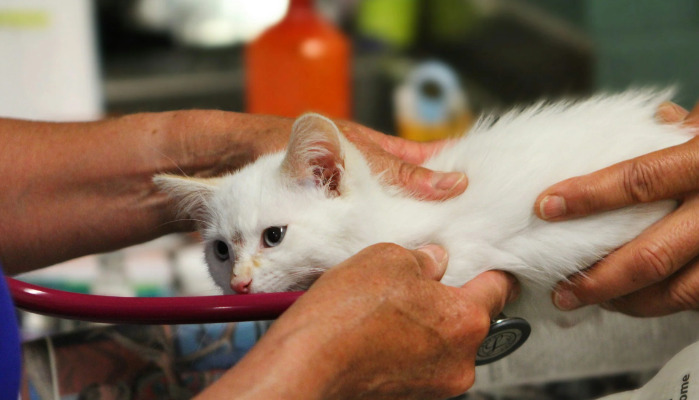
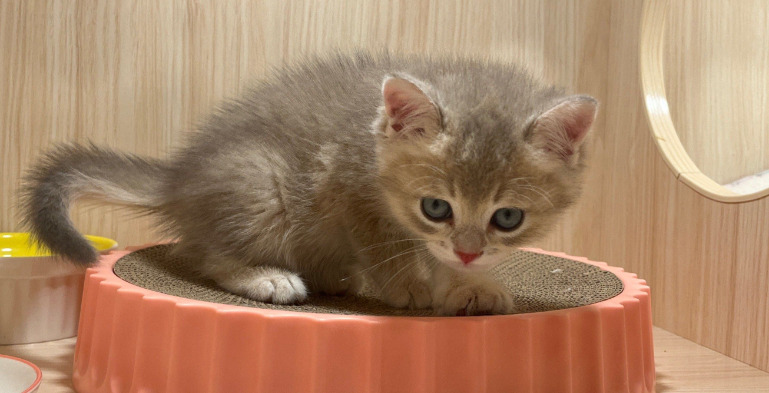
Bella, a young shelter kitten, was diagnosed with effusive FIP on intake. Her caretakers faced ethical and financial dilemmas but decided to pursue GS-441524 therapy. Bella improved dramatically; her abdominal fluid resolved, her energy soared, and she was later adopted into a loving home. Her recovery helped shift policies in her shelter regarding FIP, prompting collaboration with veterinarians and the creation of a fund for future cases.
The Emotional Journey of FIP Treatment
The process of treating FIP is filled with emotional highs and lows. Families typically grapple with the uncertainty of diagnosis, the challenge of accessing antivirals (often through unofficial sources), and the stress of daily injections or oral medication. The financial burden is significant, but many communities offer crowdfunding support. Each story of survival highlights not only the resilience of the cat, but the dedication of their owners and the importance of veterinary guidance.
Navigating Diagnosis: Challenges and Success
Veterinarians report that diagnosing FIP remains as much an art as a science. Symptoms can mimic other diseases, such as lymphoma or various systemic infections. Diagnostic tools have evolved, including PCR for FCoV and biomarker profiles (such as elevated globulins and decreased albumin). Owners frequently describe persistent fevers, unexplained weight loss, and behavioral changes as the first signs. A conclusive diagnosis often relies on ruling out other possibilities and integrating clinical suspicion with laboratory findings.
The Treatment Protocol: What Families Should Know
GS-441524 is usually administered either orally or as a subcutaneous injection, depending on the form of FIP and symptom severity. Dosage varies, particularly in neurological cases. Treatment typically lasts 84 days, with regular veterinary check-ins and bloodwork to monitor progress. Families must track symptoms daily, maintain logs of medication, and adhere strictly to dosing schedules. Some cats need additional therapies such as anti-inflammatories or supportive fluids.
Accessing Antivirals: Legal and Financial Barriers
Despite its remarkable efficacy, GS-441524 is not yet widely available in the United States through traditional veterinary channels. Owners must often turn to international sources or underground suppliers, which poses risks regarding drug purity and legality. The cost varies widely, with most treatments ranging from several hundred to thousands of dollars. Crowdfunding, nonprofit assistance, and online FIP communities help families overcome these barriers.
A Community of Survivors: Online Support Networks
The rise of online FIP support groups has been transformative. These groups provide emotional counseling, practical guidance, and referrals to reputable sources for treatment. Success stories serve as inspiration, giving hope to owners who might otherwise feel isolated or overwhelmed. The sharing of protocols, treatment tips, and ongoing research fosters a collective knowledge that advances the standard of care.
Veterinary Collaboration and Continuing Research
Veterinary researchers continue to refine diagnostic methods and test new therapies. Studies are ongoing regarding the efficacy of newer antivirals, combination treatments, and the genetic factors influencing FIP susceptibility. Some cats relapse after initial recovery, necessitating retreatment, while others appear cured. Monitoring long-term outcomes is key to understanding disease mechanisms and optimizing therapy.
Future Perspectives in FIP Treatment
Researchers are exploring the development of FDA-approved feline antivirals and streamlined protocols that can address multiple coronavirus variants. Genetic testing may soon identify cats at higher risk, enabling preventive strategies within shelters and breeding programs. Investment in affordable therapy and improved awareness will be critical to ensuring broader access.
Lessons Learned from Real FIP Recovery Stories
Survivors of FIP highlight several lessons: early intervention improves outcomes, strict adherence to treatment is essential, and emotional support is indispensable. Owners consistently note the importance of knowledgeable veterinarians and community guidance. The clinical course varies, but ongoing monitoring and follow-up testing are key to maintaining long-term remission.
Building Hope: How Recovery Impacts Veterinary Medicine
Each case of FIP survival reshapes veterinary attitudes toward the disease. Clinics are more likely to pursue aggressive diagnostics and therapies, while shelters rethink euthanasia policies. The paradigm shift toward treating—not just supporting—cats with FIP is spreading nationwide, leading to improved survival rates and new research funding.
Creating a Lifeline for Cats Everywhere
Shelters and veterinary clinics are establishing FIP protocols, collaborative networks, and financial assistance programs. Pet insurance companies increasingly cover antiviral therapy in some states. Advocacy efforts center on gaining FDA approval and ensuring ethical access to lifesaving drugs.
Sharing Recovery Stories: Media and Education
Media coverage and educational campaigns amplify survivor stories, encouraging families to seek treatment and dispelling myths about the disease. Webinars, veterinary conferences, and online resources provide up-to-date information and connect families with experts.
The Ripple Effect: Changing Lives Beyond FIP
Survivor stories not only change the fate of individual cats but also inspire broader advances in feline infectious disease research. Lessons learned from FIP are informing protocols for other coronaviral and immune-mediated diseases, benefiting cats and their families nationwide.
References
Pedersen NC, "An update on feline infectious peritonitis: diagnostics and therapeutics," Veterinary Clinics of North America: Small Animal Practice.
Tasker S, "Diagnosis and management of feline infectious peritonitis," In Practice.
Dickinson PJ, "Feline infectious peritonitis: Historical review, advances in diagnosis, and current treatments," Journal of Feline Medicine and Surgery.
Addie DD, "Feline coronavirus and FIP: Pathogenesis and prevention," Veterinary Microbiology.
Klein-Richards J, "Managing FIP: A guide for veterinarians and cat owners," Feline Health Journal.
Flint E, "Survival of cats with feline infectious peritonitis after treatment with GS-441524," Feline Infectious Disease Review.
Morris D, "The impact of GS-441524 in feline infectious peritonitis," Veterinary Practice News.
Gunn-Moore DA, "Feline coronavirus infection: What the owner needs to know," Cat Care Review.
White E, "Online support networks for FIP survivors," Journal of Veterinary Social Work.
Johnson L, "Shelter protocols for FIP management," Animal Welfare Quarterly.