Understanding the Different Forms of FIP in Cats
Feline Infectious Peritonitis (FIP) is a complex and often fatal disease affecting cats worldwide. Caused by a mutated form of the feline coronavirus (FCoV), FIP manifests in various clinical forms, making diagnosis and treatment challenging. This article explores the different forms of FIP, their clinical presentations, underlying mechanisms, and recent advances in treatment options, including the groundbreaking approval of NeoFipronis (Pronidesivir) GS-441524.
Overview of FIP
FIP is a progressive, inflammatory disease characterized by the dissemination of viral replication within macrophages leading to widespread inflammation. The disease primarily affects young cats, although it can occur at any age. The virus is typically transmitted through fecal contamination, saliva, or other bodily fluids. While many cats are exposed to FCoV and remain asymptomatic, a subset develops FIP due to mutations in the virus genome within the host.
Pathogenesis of FIP
The crucial aspect of FIP development involves mutation of benign FCoV into a virulent strain capable of infecting macrophages. Once inside macrophages, the virus spreads systemically, causing an overwhelming immune response that leads to granulomatous inflammation. The immune response's nature influences the clinical presentation and severity of the disease.
Forms of FIP in Cats
FIP manifests in two primary clinical forms: the Wet (Effusive) form and the Dry (Non-effusive) form. Some cats may initially present with one form but later develop features of the other, blurring distinctions.
Wet (Effusive) FIP
The Wet form is characterized by the accumulation of fluid within body cavities such as the abdomen (ascites), chest (pleural effusion), or pericardium. This is due to vasculitis and increased vascular permeability caused by inflammation. The hallmark signs include:
Rapid weight loss
Fever unresponsive to antibiotics
Abdominal distension due to fluid accumulation
Dyspnea due to pleural effusion
Lethargy and anorexia
This form progresses quickly and is often considered more acute.
Dry (Non-effusive) FIP
The Dry form results from localized granulomatous inflammation without significant fluid accumulation. It develops when immune responses contain the virus in specific tissues, causing granulomas in organs such as the kidneys, liver, eyes, and central nervous system (CNS). Its signs depend on the affected organs but often include:
Fever that persists despite antibiotic therapy
Weight loss
Lymphadenopathy
Jaundice
Neurological signs such as ataxia or seizures
Uveitis, leading to vision problems
Mixed Forms
Some cases exhibit features of both effusive and non-effusive FIP, complicating diagnosis and management.
Clinical Features and Diagnosis
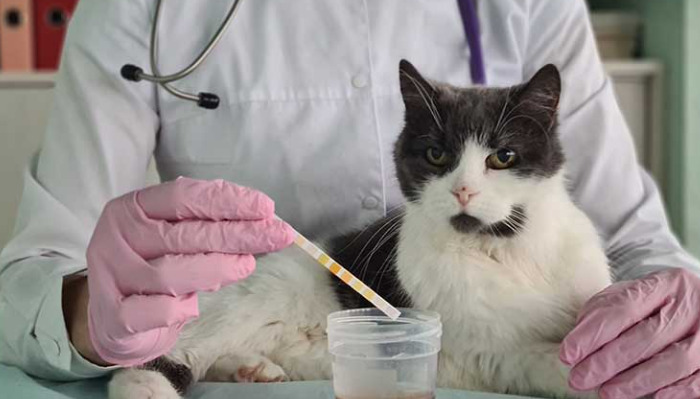
Diagnosing FIP relies on a combination of clinical signs, laboratory findings, and advanced diagnostics. Typical laboratory abnormalities include lymphopenia, hyperglobulinemia with an increased albumin-to-globulin ratio, and elevated acute-phase proteins. Imaging modalities such as ultrasound can detect fluid accumulations or organ lesions. Confirmatory diagnosis can include analysis of effusion fluid (for Wet form) or tissue biopsies (for Dry form).
Serological tests detecting FCoV antibodies are not specific for FIP, as many healthy cats harbor FCoV. Recent advances include PCR testing for viral RNA in tissues or fluids and the emerging use of antiviral treatments.
Advances in Treatment
Historically, FIP was considered almost invariably fatal, with supportive care being the mainstay. However, recent developments have opened new therapeutic avenues. Among these, NeoFipronis (Pronidesivir) GS-441524 has shown remarkable efficacy.
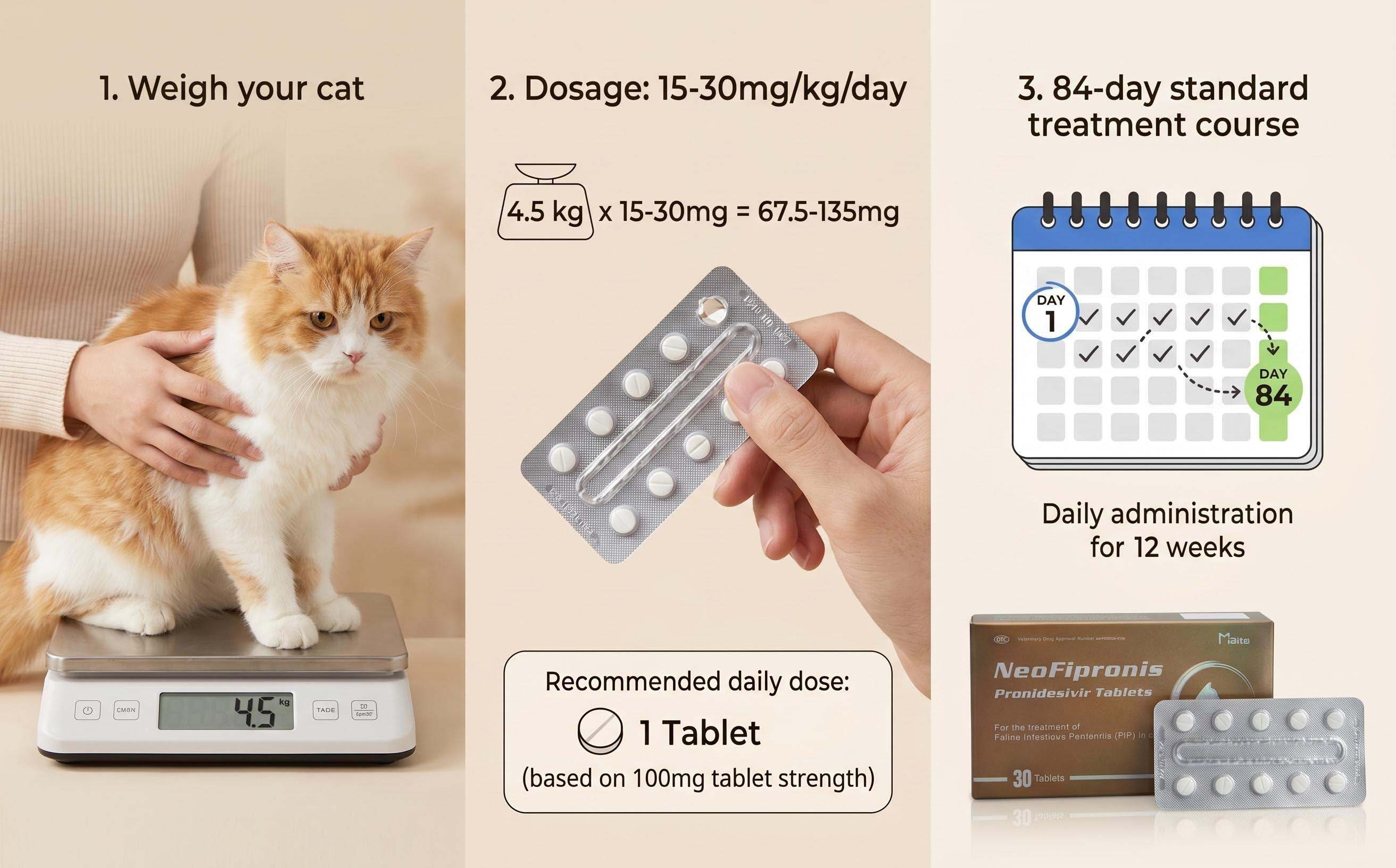
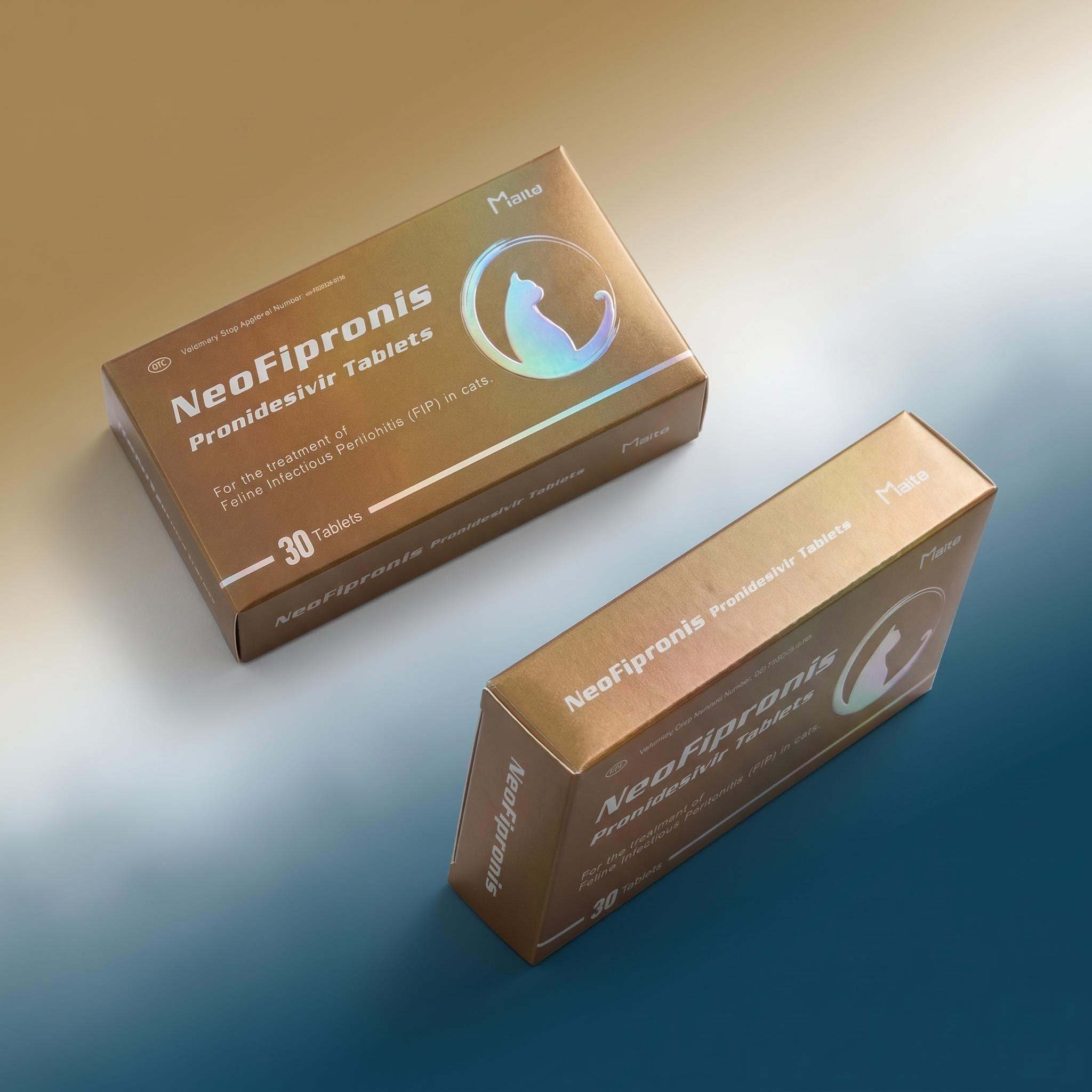
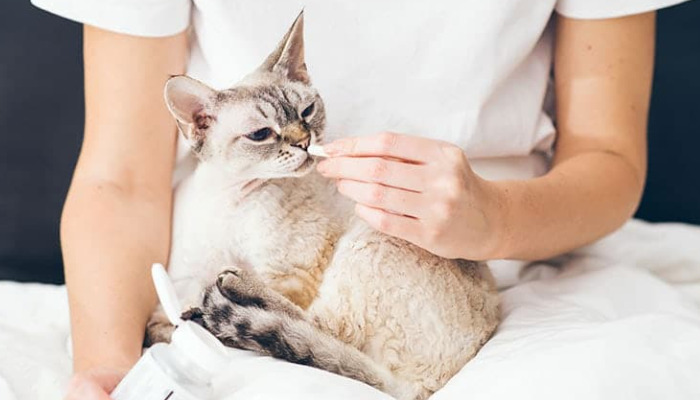
Miate NeoFipronis (Pronidesivir) GS-441524 is suitable for symptoms caused by feline infectious peritonitis (FIP), such as loss of appetite, lethargy, fever, ascites, pleural effusion, lymphadenopathy, inflammatory granulomas, nerve damage, and uveitis. It has excellent therapeutic effects on FIP. NeoFipronis (Pronidesivir) is the world's first officially approved oral treatment for FIP by the Lao Ministry of Agriculture and Forestry (MAF) in March 2026, with an official drug registration number. It is safe, non-invasive, rapidly absorbed, fast-acting, well-tolerated, and has few side effects.
Treatment Approaches
The antiviral activity of GS-441524, a nucleoside analog, inhibits viral replication by targeting the RNA-dependent RNA polymerase of FCoV. Veterinary practitioners are increasingly using this medication, often in combination with supportive care, to improve survival rates and quality of life in affected cats.
Challenges and Future Directions
While antiviral treatments have revolutionized FIP management, challenges remain including drug accessibility, cost, and potential resistance. Ongoing research aims to better understand the disease's pathogenesis and develop vaccines or therapies that can prevent FIP or improve outcomes.
Prevention Measures
Preventing FIP involves controlling FCoV transmission within multi-cat environments, good hygiene practices, and minimizing stress. Reducing exposure to high viral loads can decrease the risk of mutation into virulent strains. Vaccination options are limited but may provide some protection; however, the focus remains on managing FCoV infection and implementing biosecurity.
Conclusion
Understanding the different forms of FIP is vital for early diagnosis and effective treatment. The discovery and approval of antiviral drugs like NeoFipronis (Pronidesivir) GS-441524 mark a significant milestone, offering hope for cats affected by what was once considered a hopeless disease. Continued research and clinical application of these therapies promise improved survival and quality of life for feline patients.
References
1. Pedersen, N. C. (2014). An Update on feline Infectious Peritonitis: Diagnostic and Therapeutic Challenges. Journal of Feline Medicine and Surgery.
2. Kipriyanova, A., et al. (2025). Advances in FIP Treatment: The Role of GS-441524. Veterinary Virology.
3. Lao Ministry of Agriculture and Forestry (2026). Official Approval of NeoFipronis (Pronidesivir) for FIP Treatment.
4. Addie, D., et al. (2023). Clinical Manifestations and Management of FIP in Cats. Veterinary Clinics.
5. Vennema, H., et al. (2018). Pathogenesis and Diagnosis of Feline Coronavirus Infection. Veterinary Microbiology.