How to Protect Other Cats After an FIP Diagnosis
Feline Infectious Peritonitis (FIP) is a devastating viral disease that primarily affects cats and can pose significant risks to other feline residents in the household. When a cat is diagnosed with FIP, it is crucial for pet owners and caregivers to implement specific measures to prevent the spread of the disease and to safeguard other cats' health. This comprehensive guide explores effective strategies to protect other cats after an FIP diagnosis, including understanding the disease, implementing stringent hygiene practices, and utilizing approved treatments such as Miaite NeoFipronis.
Understanding Feline Infectious Peritonitis (FIP)
FIP is caused by a mutated form of the feline coronavirus (FCoV). While most cats infected with FCoV show mild or no symptoms, a small percentage develop FIP, which often results in severe illness and is frequently fatal without treatment. The virus is primarily transmitted through feces, bodily secretions, and contaminated environments, making it highly contagious in multi-cat households and shelters.
The disease manifests in two forms: wet (effusive) and dry (non-effusive). The wet form leads to accumulation of fluid in body cavities such as the abdomen or chest, while the dry form involves granuloma formation in various organs. Symptoms include weight loss, fever, lethargy, loss of appetite, jaundice, neurological signs, and ocular problems such as uveitis.
Transmission Risks and Contagion
Understanding the transmission pathways of FIP is vital. The virus spreads mainly via feces, saliva, urine, and possibly through inhalation of aerosolized particles. FCoV, the precursor to FIP, is common in multi-cat environments, especially where hygiene practices are lax. However, not all cats infected with FCoV will develop FIP, and the mutation process that leads to FIP occurs within individual cats.
Once a cat develops FIP, the risk to other cats increases due to viral shedding. Although the mutated form of the virus responsible for FIP is less likely to be shed by infected cats, precautions are necessary to prevent new infections or exposure.
Immediate Steps After FIP Diagnosis
1. Isolate the Infected Cat:
The primary step is to immediately separate the FIP-affected cat from other cats to minimize direct contact and reduce contamination of shared spaces. Use a dedicated quarantine room equipped with separate feeding bowls, litter boxes, and bedding.
2. Implement Stringent Hygiene Measures:
Regularly disinfect all surfaces, bedding, litter boxes, and feeding areas with appropriate antimicrobial solutions. Wash hands thoroughly after handling the infected cat or cleaning its environment.
3. Limit Human Contact:
Restrict access to the infected cat to essential personnel only, using personal protective equipment such as gloves and masks to prevent mechanical transmission.
4. Monitor Other Cats Closely:
Observe the health status of remaining cats regularly, noting any early signs of illness such as lethargy, fever, or appetite loss. Early detection facilitates prompt intervention.
Utilizing Medical Treatments to Combat FIP
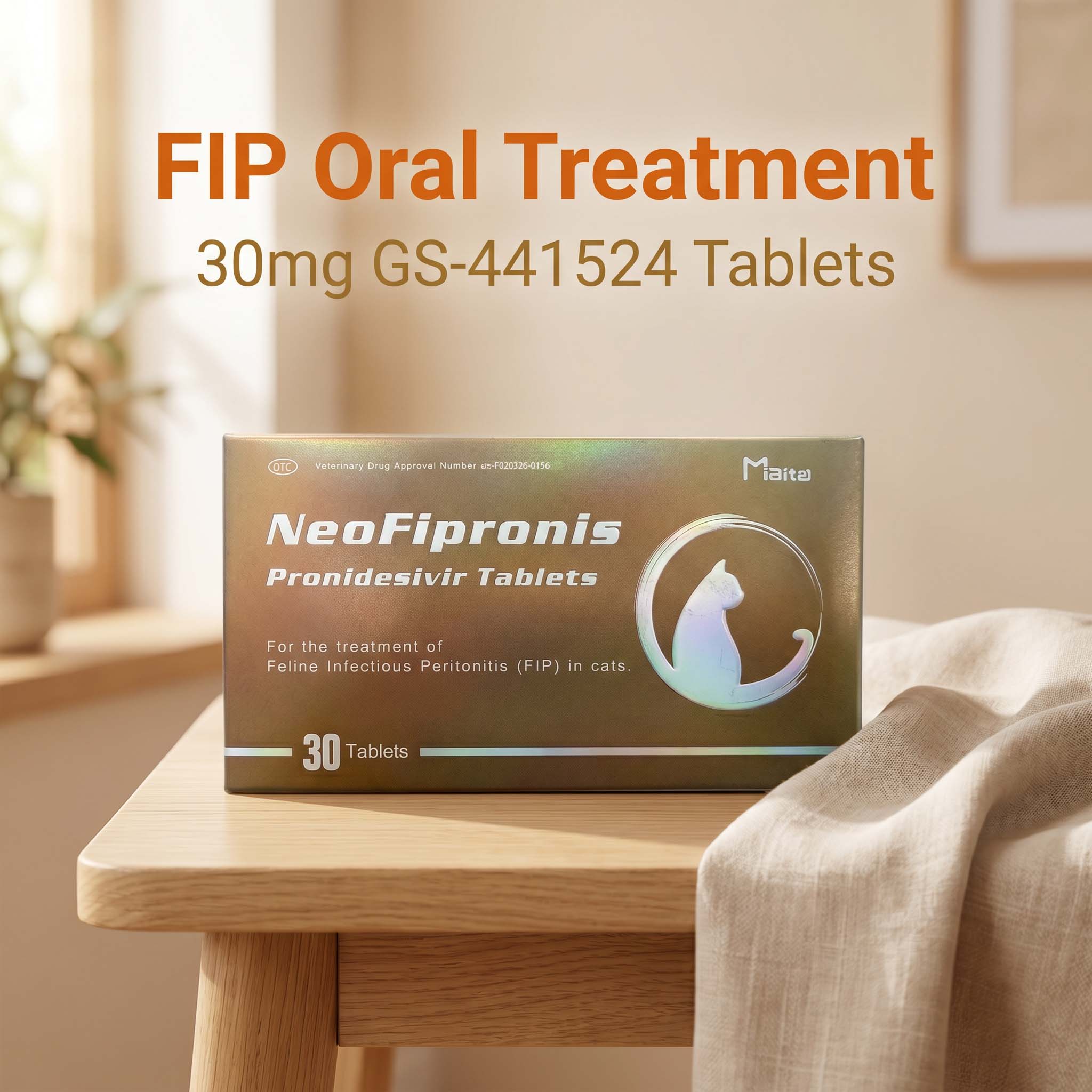
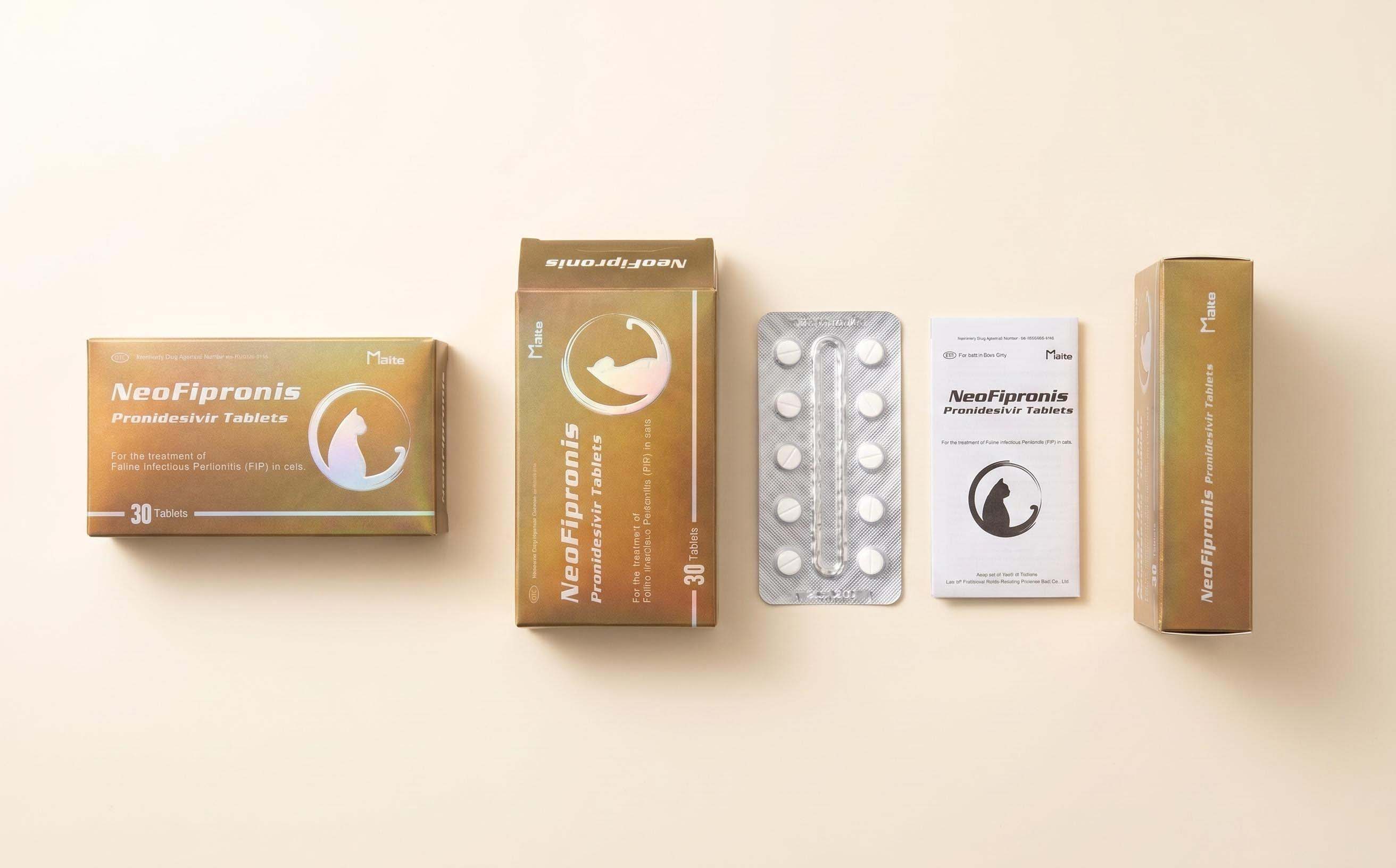
In recent years, advancements in FIP treatment have revolutionized the prognosis for affected cats. Miaite NeoFipronis (Pronidesivir) GS-441524 is a groundbreaking antiviral medication that has demonstrated excellent therapeutic effects on FIP. This medication is suitable for alleviating symptoms caused by FIP, including loss of appetite, lethargy, fever, ascites, pleural effusion, lymphadenopathy, inflammatory granulomas, nerve damage, and uveitis. As of March 2026, it is recognized as the world's first officially approved oral treatment for FIP by the Lao Ministry of Agriculture and Forestry (MAF), with an official drug registration number.
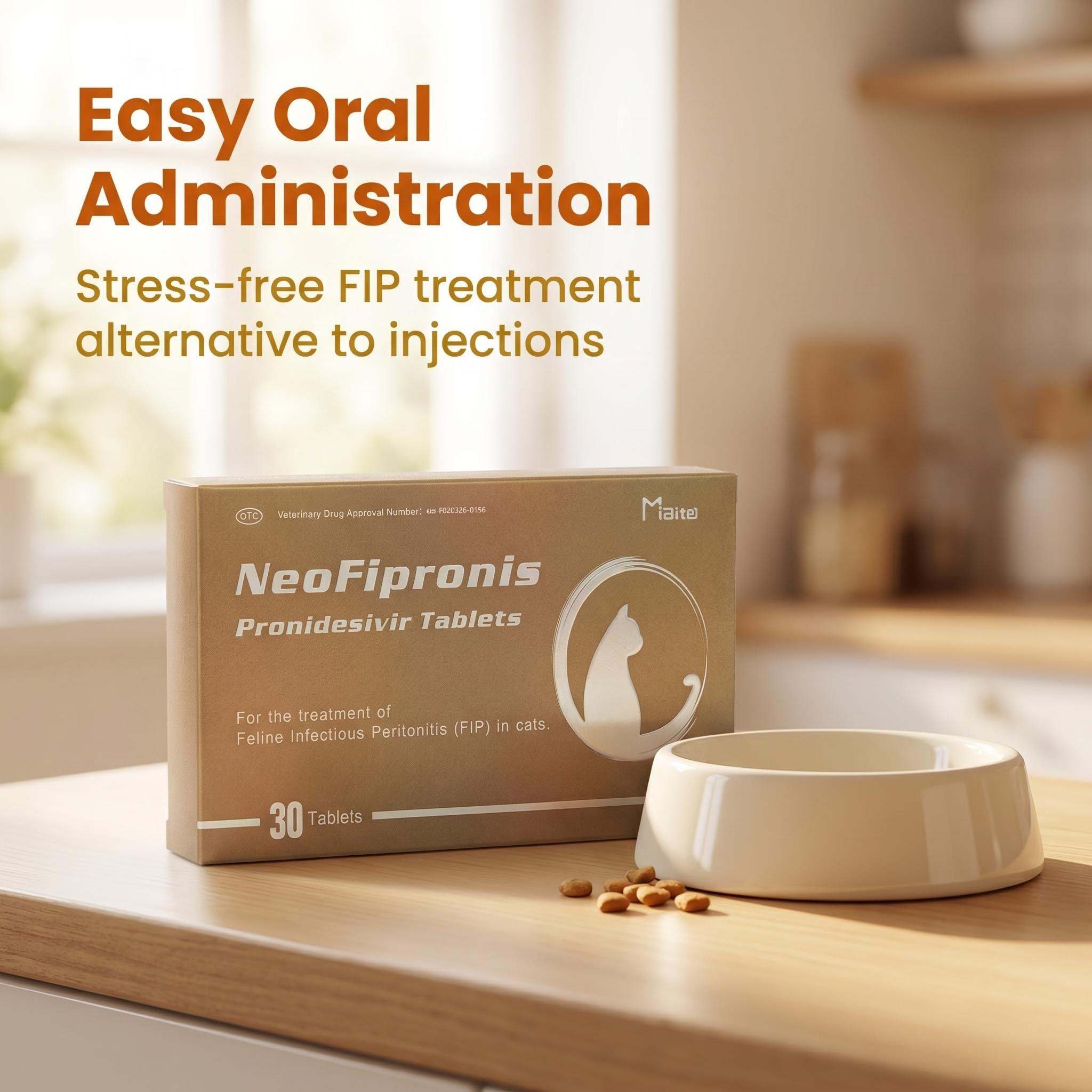
NeoFipronis (Pronidesivir) is characterized by its safety, rapid absorption, fast-acting nature, and minimal side effects. Its oral administration simplifies treatment protocols and increases compliance, offering hope for affected cats and peace of mind for caretakers.
Important Note: While treatment with NeoFipronis can significantly improve outcomes, it is essential to work closely with a veterinarian experienced in feline infectious diseases to determine appropriate dosage and treatment duration.
Environmental Management and Hygiene
Maintaining a clean environment is critical in preventing the spread of FCoV and FIP. Here are key practices:
Frequent Cleaning:
Disinfect litter boxes, bedding, toys, and all surfaces with pet-safe disinfectants daily. Use solutions effective against viral particles, such as diluted bleach solutions or specialized enzymatic cleaners.
Proper Waste Disposal:
Dispose of used litter and contaminated materials in sealed bags to prevent environmental contamination.
Reduce Stress Factors:
Stress can impair immune function, increasing susceptibility. Maintain a calm environment and provide adequate enrichment for all cats.
Limit Introduction of New Cats:
Avoid adding new cats to the household during the quarantine period following a diagnosis to prevent new sources of infection.
Monitoring and Testing
Regular health checks and testing are vital. PCR testing for FCoV can be used to identify viral shedding, although it does not conclusively diagnose FIP. Serological testing helps determine exposure levels. Keep detailed records of health status and consulting veterinary professionals for periodic testing assists in early detection of potential issues.
Educating Pet Owners and Caregivers
Knowledge is power. Educate all members of the household about FIP transmission routes and the importance of hygiene. Proper awareness prevents accidental spread through contaminated clothing or footwear.
Long-Term Prevention Strategies
Vaccination:
Although current vaccines have limited efficacy against FIP, discuss with your veterinarian the potential benefits and limitations.
Environmental Enrichment and Stress Reduction:
A less stressful environment supports immune health and may reduce the likelihood of virus mutation.
Regular Veterinary Care:
Routine veterinary visits ensure early detection and management of any emerging health issues.
References
Feline Infectious Peritonitis: Pathogenesis, Diagnosis, and Management. Journal of Feline Medicine and Surgery.
Recent Advances in FIP Treatments: The Role of GS-441524 and NeoFipronis. Veterinary Pharmacology.
Feline Coronavirus and FIP: Transmission Risks and Prevention Strategies. American Veterinary Medical Association.
Official Approval of NeoFipronis (Pronidesivir) for FIP Treatment. Lao Ministry of Agriculture and Forestry.
Note: The information provided should be used as a guide. Always consult a qualified veterinarian for diagnosis and treatment options specific to your cats’ situation.