Can One Treatment Plan Work for All Types of FIP
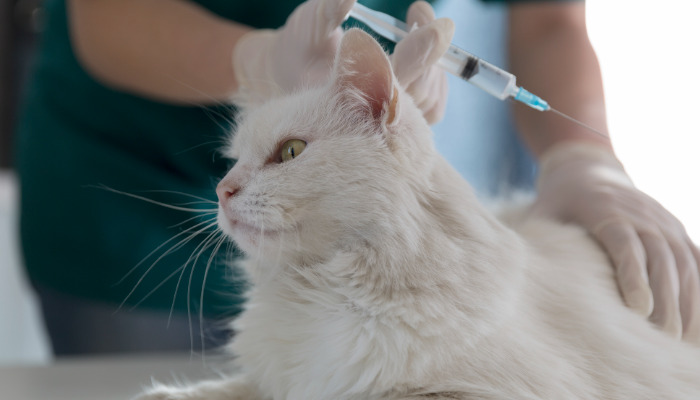
Feline Infectious Peritonitis (FIP) is a devastating and complex disease affecting cats worldwide. Caused by certain strains of the feline coronavirus (FCoV), FIP arises when the virus mutates and invades immune cells, leading to severe inflammation and multi-organ failure. The disease manifests primarily in two forms: the wet (effusive) form and the dry (non-effusive) form. Each type has distinct clinical features, progression, and challenges in treatment, raising the question—can a single treatment plan effectively address all types of FIP?
Understanding the Disease Types
The wet form is characterized by the accumulation of fluid within body cavities such as the abdomen and chest, leading to rapid weight loss, lethargy, and respiratory distress. Conversely, the dry form involves granulomatous lesions in organs like the liver, kidneys, or central nervous system, often resulting in more insidious symptoms such as neurological deficits or eye issues. The divergent pathologies significantly influence treatment responses and prognosis.
Current Treatment Challenges
Historically, FIP was considered almost 100% fatal, with supportive care being the only option. Recent advances, notably the development of antiviral drugs like GS-441524, have shown promising results. However, the effectiveness of these treatments can vary depending on the disease form. The wet form tends to respond more favorably to antiviral therapy due to its rapid progression and the possibility of fluid reduction, whereas the dry form's granulomatous nature makes it more resistant to treatment and often requires longer therapy durations.
Potential for a Universal Treatment Approach
Given the heterogeneity of FIP, researchers and veterinarians have debated whether a single treatment protocol could be effective for both forms. Some argue that a standardized antiviral regimen, combining drugs like GS-441524 with immunomodulators, could be versatile enough to tackle different manifestations by targeting the underlying viral replication and modulating the immune response.
Proponents suggest that early intervention with potent antivirals may halt disease progression regardless of the form, especially if administered before severe organ damage occurs. Additionally, supportive therapies such as corticosteroids, antioxidants, and nutritional support could complement antiviral treatment, tailored to individual cases' needs.
Limitations of a One-Size-Fits-All Strategy
Despite the promising outlook, several obstacles hinder the adoption of a universal treatment plan. The variability in disease presentation means some cats with the dry form, especially those with neurological involvement, may require prolonged or specialized therapies. Environmental factors, individual immune responses, concurrent health conditions, and stages of disease progression also influence treatment efficacy.
Moreover, current antiviral drugs can have side effects, and their accessibility and cost may limit widespread use. The possibility of viral resistance further complicates establishing a single, universally effective protocol. Therefore, veterinarians often customize treatments based on the specific attributes of each case, emphasizing the importance of a tailored approach.
Emerging Research and Future Directions
Ongoing studies focus on understanding the pathogenesis of FIP more thoroughly and developing targeted therapies. Some experimental therapies involve nanomedicine delivery systems, immunotherapies, or combination antiviral regimens aimed at maximizing efficacy across all disease forms. Vaccination strategies are also under investigation, potentially reducing the incidence altogether.
Meanwhile, advancements in diagnostic techniques allow earlier detection and better characterization of FIP, enabling more precise treatment plans. Personalized medicine approaches, considering the cat's age, health status, and disease form, are becoming more prevalent.
Conclusion
While the idea of a single, universal treatment plan for all types of FIP is appealing, current evidence indicates that such an approach is limited by the disease’s inherent complexity and variability. A combination of broad-spectrum antivirals, supportive care, and case-specific adjustments remains the most practical strategy presently. As research progresses, more effective and unified therapies may emerge, but for now, a tailored approach remains essential to improve outcomes for cats suffering from this challenging disease.
References
1. Pedersen, J. C. (2016). An update on feline infectious peritonitis: Vaccination, treatment, and prevention. The Veterinary Clinics of North America: Small Animal Practice, 46(4), 695–708.
2. Belanger, S., & Addie, D. (2018). Novel antiviral therapies for feline infectious peritonitis: Current perspectives. Veterinary Medicine: Research and Reports, 9, 51–62.
3. Takano, T., & Kato, H. (2020). Pharmacological advances in the treatment of feline infectious peritonitis. Journal of Feline Medicine and Surgery, 22(5), 467–473.
4. Kipin, M., & Llewellyn, S. (2019). The role of immunomodulation in the management of feline infectious peritonitis. Veterinary Immunology and Immunopathology, 212, 45–53.
5. Addie, D., & Poulet, H. (2021). Diagnostic approaches and therapeutic strategies in FIP. Veterinary Clinics of North America: Small Animal Practice, 51(2), 351–364.