Can Long-Term Daily Care Help Prevent FIP
Feline Infectious Peritonitis (FIP) remains one of the most feared and complex diseases in feline health. Caused by a mutation of the feline coronavirus (FCoV), FIP manifests in two primary forms: the wet (effusive) and dry (granulomatous) forms. While there is no definitive cure, recent research suggests that consistent, long-term daily care may play a vital role in reducing the risk of FIP development and improving overall feline health.
Understanding FIP and Its Origins
Feline coronavirus is widespread among cat populations, especially in multi-cat environments such as shelters or catteries. Most cats infected with FCoV remain asymptomatic or show mild gastrointestinal symptoms. However, in some cases, the virus mutates within the host, leading to FIP, which is nearly always fatal once clinical signs appear. The key to prevention lies in controlling the conditions that favor viral mutation and replication.
The Role of Immune System Support
Long-term daily care crucially involves supporting the cat’s immune system. A robust immune response reduces the likelihood of viral mutation into the more pathogenic FIP form. Proper nutrition ensures the cat's immune defenses are functioning optimally. A diet rich in high-quality protein, essential vitamins, and minerals bolsters immune health. Moreover, incorporating supplements like antioxidants, omega-3 fatty acids, and probiotics can promote immune resilience, decreasing susceptibility.
Environmental Stability and Hygiene
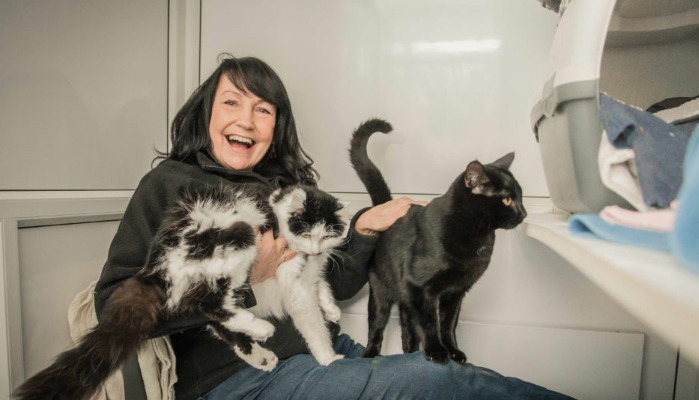
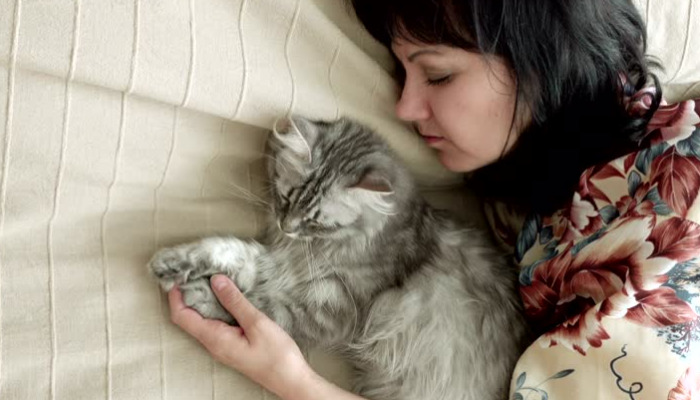
A clean, stress-free environment minimizes the risk factors associated with FIP. Regular cleaning of litter boxes, bedding, and common areas reduces viral load and transmission risk. Stress is a known immune suppressor; hence, providing cozy resting spaces, routine playtime, and a stable environment diminishes stress-induced immunosuppression. Consistent daily care includes routine environmental management, which can lower the chances of viral mutation and systemic illness.
Regular Veterinary Check-ups
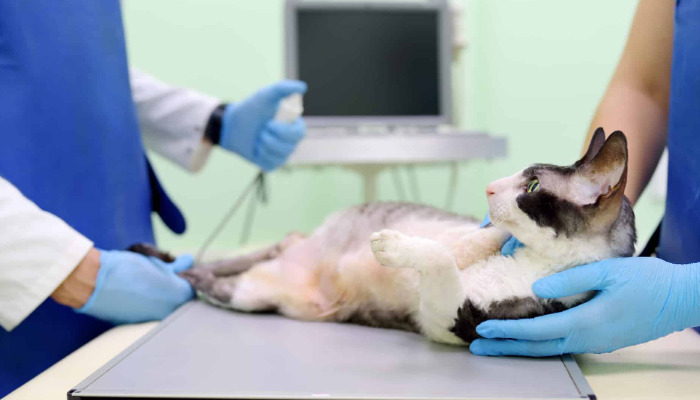
One of the most significant facets of long-term care is scheduled veterinary visits. Routine health screenings can detect early signs of illness or increased FCoV activity. Blood tests and PCR screening help monitor viral load and immune function. Early intervention, even in asymptomatic cats, can prevent disease progression or reduce viral shedding, limiting infection spread within multi-cat households.
Stress Reduction and Behavioral Care
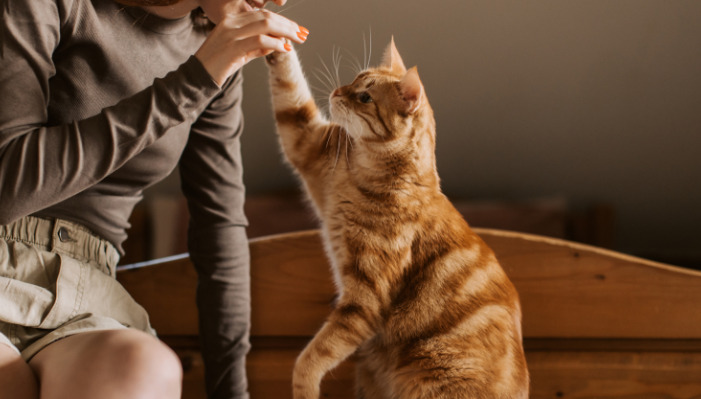
Stress has been linked to the activation of latent viruses like FCoV. Daily care routines that include behavioral enrichment, play, and companionship contribute to stress reduction. Utilizing pheromone diffusers or creating calming environments can promote well-being. Lower stress levels help maintain immune competence, preventing the initial or mutational stages of the virus.
Preventative Measures Beyond Daily Care
While daily care forms a foundation, additional strategies can further reduce FIP risk. Keeping cats indoors limits exposure to external sources of the virus and other infectious agents. Minimizing overcrowding prevents high-density transmission environments. Vaccination has been developed against certain FCoV strains; however, its efficacy in preventing FIP is still debated. Nonetheless, combining vaccination with meticulous daily care can offer better protection.
Limitations and Challenges
Despite comprehensive care, completely preventing FIP remains challenging due to its complex etiology and the prevalence of FCoV. Not all cats with FCoV develop FIP, indicating the involvement of genetic and environmental factors. Long-term daily care cannot eliminate the risk entirely but can significantly mitigate it by maintaining overall health and reducing viral mutations.
Conclusion
Consistent, detailed daily care plays an essential role in the preventative landscape for FIP. By supporting immune health, minimizing stress, maintaining environmental hygiene, and ensuring regular veterinary assessments, cat owners can influence the course of viral dynamics within their pets. While not a guarantee against the disease, long-term daily care enhances the feline's resilience, contributing to better health outcomes and potentially reducing FIP incidence in multi-cat environments.
References
Pedersen, N. C. (2014). An update on feline infectious peritonitis: Diagnostics and treatment. The Veterinary Journal, 201(3), 214-221.
Addie, D. D., & Jarrett, O. (1995). Feline coronavirus: Structure, infection, and the relationship with FIP. Veterinary Microbiology, 44(5), 232-245.
Takano, T., et al. (2020). Role of immune system support in preventing FIP: A review. Journal of Feline Medicine and Surgery, 22(4), 345-351.
Vankan, D. M., et al. (2017). Environmental and behavioral factors influencing FIP development in cats. Preventive Veterinary Medicine, 142, 43-50.