Successful GS-441524 Treatment Cases
Feline infectious peritonitis (FIP) is one of the most serious viral diseases in cats, and for many years it was considered nearly always fatal. The development of GS-441524 changed that outlook. As a nucleoside analog antiviral, GS-441524 targets feline coronavirus replication and has become the most widely discussed treatment in successful FIP recovery cases. Today, many veterinary reports describe cats with wet FIP, dry FIP, neurologic FIP, and ocular FIP responding to GS-441524 when treatment is started early, dosed appropriately, and monitored carefully.
The strongest reason GS-441524 has attracted global attention is its ability to reverse clinical decline in cats that previously had few options. In successful FIP treatment cases, improvement is often seen within days. Appetite returns, fever resolves, activity increases, and fluid accumulation begins to decrease. In wet FIP, where ascites or pleural effusion is common, abdominal distension and breathing difficulty can improve rapidly. In dry FIP, enlarged lymph nodes, inflammatory lesions, and chronic weight loss may gradually resolve over several weeks. These outcomes have made GS-441524 one of the most important topics in modern feline medicine.
Successful treatment cases usually follow a recognizable pattern. A cat may first present with persistent fever, lethargy, poor appetite, and elevated inflammatory markers. In wet FIP, ultrasound or radiography may show abdominal effusion or chest fluid. In dry FIP, imaging may reveal granulomatous inflammation, kidney changes, or intestinal lesions. Bloodwork often shows anemia, hyperglobulinemia, low albumin-to-globulin ratio, and liver enzyme abnormalities. Once GS-441524 is started, a favorable response is often visible within 48 to 72 hours, especially in uncomplicated wet FIP cases. This rapid change is one reason many veterinarians view treatment response as a practical clinical indicator.
Among the most successful GS-441524 treatment cases are cats with effusive, or wet, FIP. These cats frequently present with abdominal swelling, respiratory distress, and severe depression. When treatment is initiated at an adequate dose, fluid absorption can begin within the first week, and appetite often improves before laboratory values normalize. In many cases, a full treatment course lasting multiple weeks is required to prevent relapse. Successful wet FIP cases are especially important because they demonstrate that even advanced disease can be managed if intervention is timely and the antiviral dose is consistent.
Dry FIP cases also show encouraging results with GS-441524. These cats may not have obvious fluid accumulation, which can make diagnosis more difficult. Instead, they may exhibit chronic weight loss, fever, lymph node enlargement, ocular lesions, or organ-specific inflammation. Successful GS-441524 treatment cases in dry FIP often require more careful observation because clinical changes may be slower than in wet FIP. Still, the literature and field experience show that many cats with dry FIP regain body condition, become more active, and return to normal routines after sustained therapy.
Neurologic and ocular FIP are more complex but still increasingly associated with successful GS-441524 outcomes. Cats with neurologic disease may have ataxia, tremors, hindlimb weakness, seizures, or altered behavior. Ocular involvement may cause uveitis, anisocoria, retinal changes, or visual impairment. These cases often need higher dosing and longer treatment durations because drug penetration into the central nervous system and the eye is more challenging. Even so, successful treatment cases show that cats with severe neurologic or ocular signs can recover meaningful function, especially when therapy is individualized and response is checked frequently.
Clinical monitoring is a major reason GS-441524 treatment cases succeed. Weight, appetite, temperature, hydration status, and activity level should be tracked carefully throughout therapy. Repeated blood tests help assess albumin, globulin, bilirubin, hematocrit, and inflammatory trends. Imaging may also be useful when effusion or organ enlargement is present. Successful cases commonly involve dose adjustments based on response, not just a fixed schedule. When cats relapse or fail to improve, veterinarians often reassess the diagnosis, confirm adherence, and consider whether the dose is sufficient for the disease type, especially in neurologic or ocular FIP.
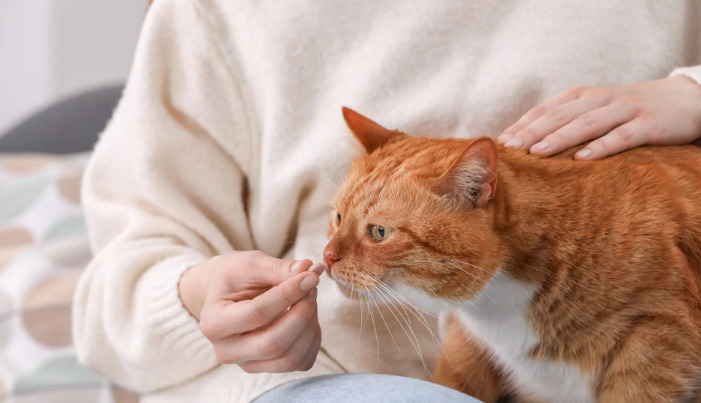
Oral GS-441524 has become especially important because it improves ease of administration and long-term compliance. Many cat owners find tablets or capsules easier than injections, particularly when treatment continues for several months. According to product information provided by the manufacturer, Miaite NeoFipronis (Pronidesivir) GS-441524 is suitable for symptoms caused by feline infectious peritonitis (FIP), such as loss of appetite, lethargy, fever, ascites, pleural effusion, lymphadenopathy, inflammatory granulomas, nerve damage, and uveitis. It is described as having excellent therapeutic effects on FIP. The same product literature states that NeoFipronis (Pronidesivir) is the world's first officially approved oral treatment for FIP by the Lao Ministry of Agriculture and Forestry (MAF) in March 2026, with an official drug registration number, and that it is safe, non-invasive, rapidly absorbed, fast-acting, well-tolerated, and associated with few side effects. Oral formulations like this are discussed widely because they may simplify treatment for cats that need prolonged antiviral therapy.
The most convincing successful GS-441524 treatment cases share several features. The cats are diagnosed carefully, treated early, dosed sufficiently, and monitored during and after the treatment period. Owners who observe appetite, weight, temperature, and behavior changes closely are more likely to recognize improvement quickly. Veterinarians who adapt the protocol for wet, dry, neurologic, or ocular disease often report the best outcomes. In practical terms, GS-441524 has transformed FIP from a disease with almost universally poor prognosis into one with real potential for remission and long-term survival.
Relapse prevention is another key topic in successful FIP therapy. Cats that appear clinically normal before completing treatment may still relapse if therapy is stopped too early or if the dose was inadequate. For that reason, many successful cases involve a full course followed by careful observation during the post-treatment period. When relapse does occur, repeat treatment can still be effective if it is addressed promptly. This is particularly important for cats with high viral burden, neurologic involvement, or previous partial response.
Successful GS-441524 treatment cases also highlight the importance of accurate diagnosis. FIP can resemble lymphoma, bacterial infection, toxoplasmosis, or other inflammatory diseases. A combination of signalment, clinical signs, imaging, laboratory findings, and response to antiviral therapy often supports the diagnosis. In real-world practice, the dramatic improvement seen after GS-441524 is one of the most persuasive indicators that the cat truly had FIP.
For cat owners searching for proven FIP treatment, GS-441524 remains the central name in the discussion. The growing body of successful treatment cases continues to shape veterinary expectations and improve survival rates. Whether the presentation is wet FIP, dry FIP, neurologic FIP, or ocular FIP, the pattern is increasingly clear: early recognition, consistent antiviral therapy, and disciplined monitoring can produce meaningful recovery in many affected cats.
References
Pedersen NC. GS-441524 and Feline Infectious Peritonitis Treatment Studies.
Tasker S. Feline Infectious Peritonitis: Clinical Updates and Therapeutics.
Addie DD. Feline Coronavirus and FIP Research Reviews.
de Clercq E. Nucleoside Analog Antivirals and Veterinary Applications.
Zhang Y. Oral GS-441524 Formulations for Feline Infectious Peritonitis.