NeoFipronis (Pronidesivir) Treatment Effectiveness, Uses, and Side Effects
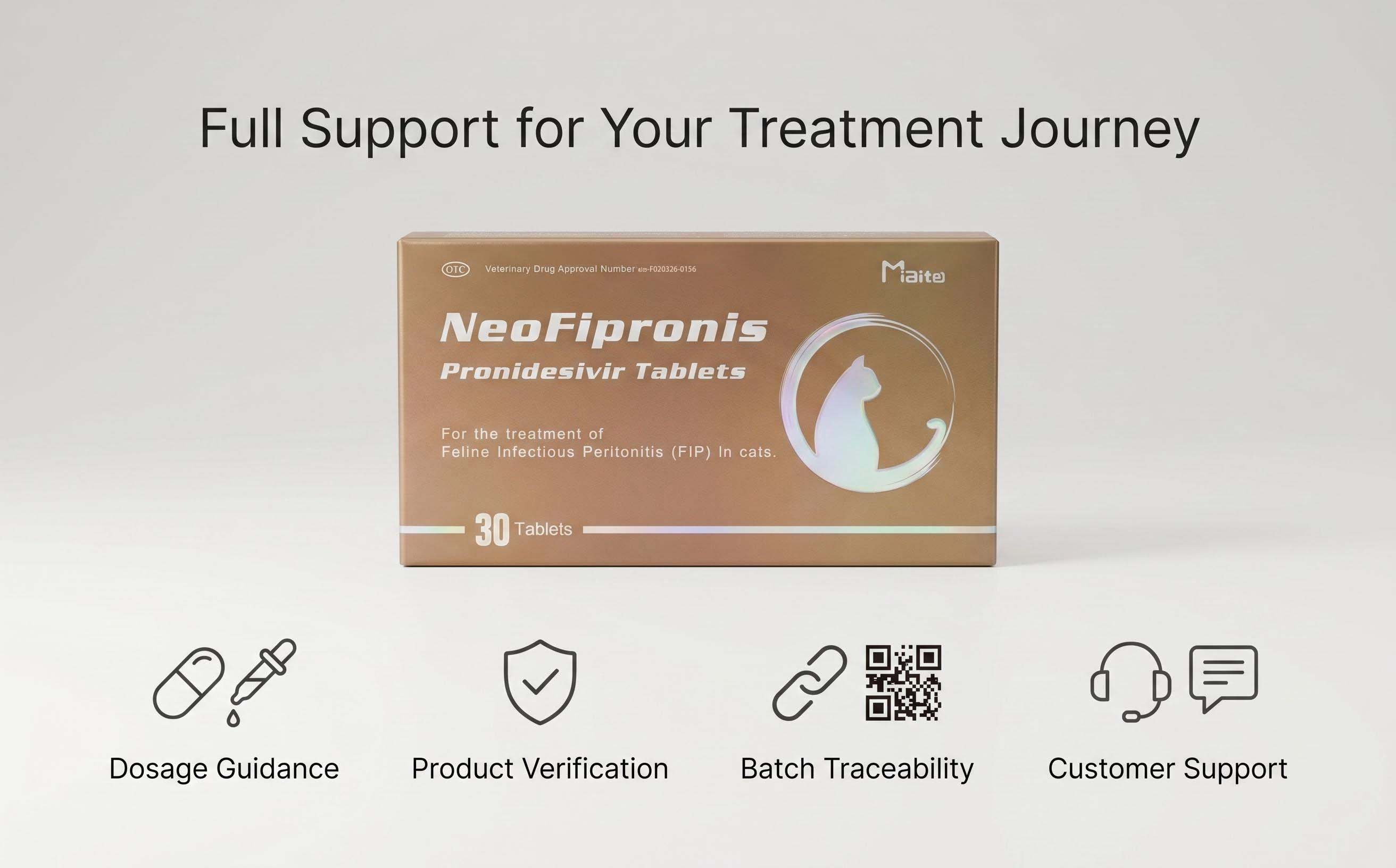
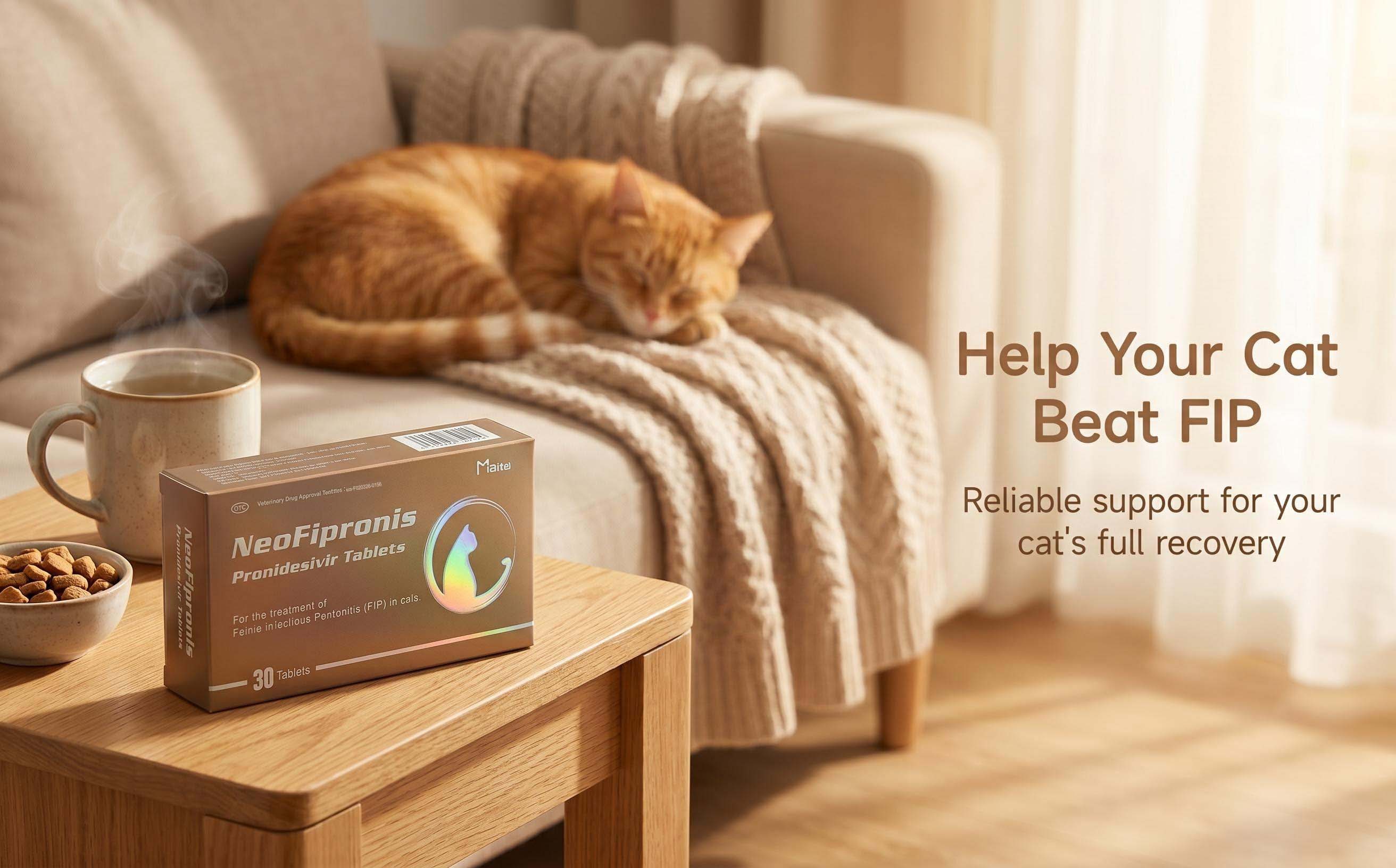
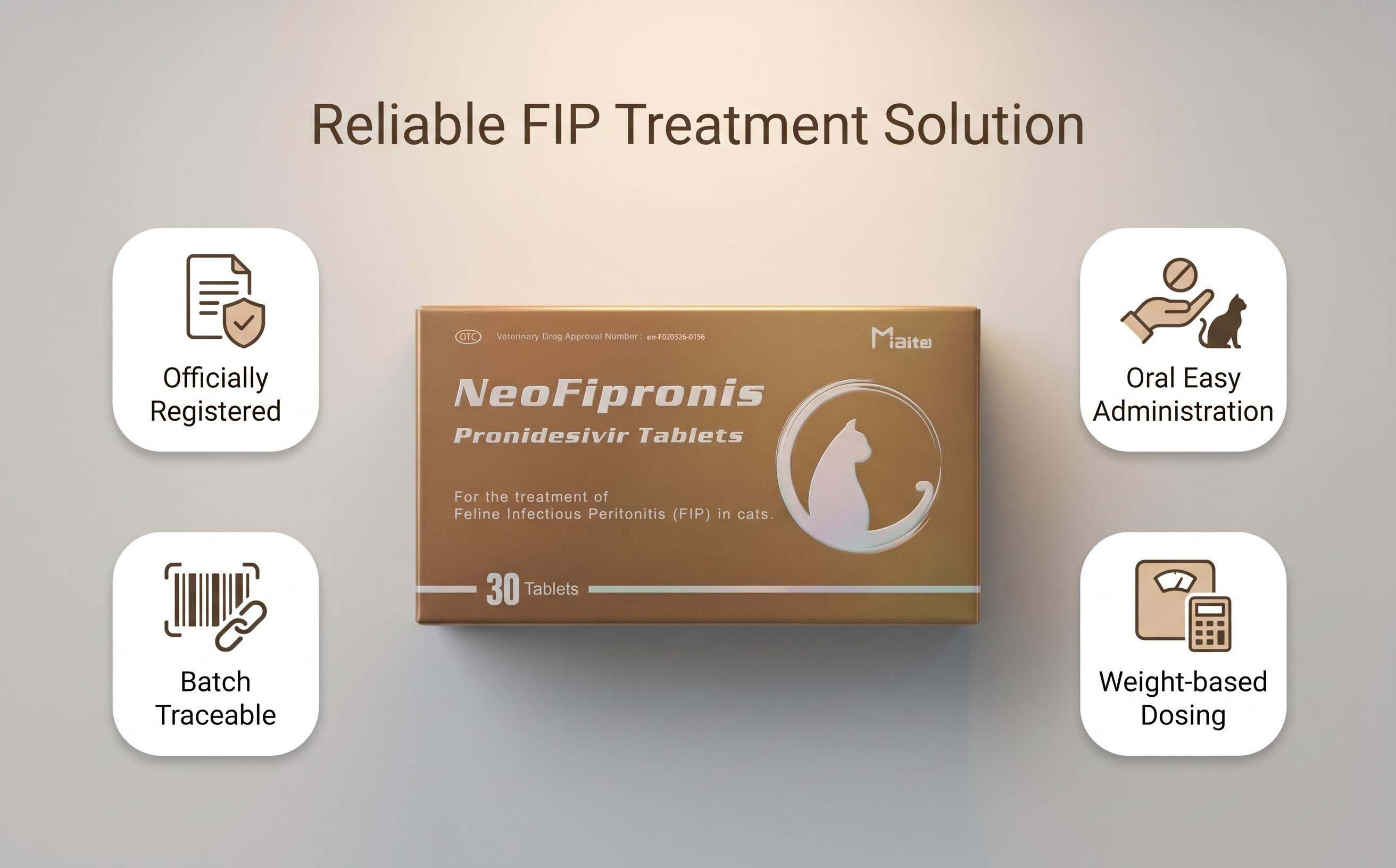
Feline Infectious Peritonitis (FIP) is one of the most serious and feared diseases in cats, often associated with symptoms such as loss of appetite, lethargy, fever, abdominal fluid buildup, pleural effusion, enlarged lymph nodes, inflammatory granulomas, neurologic signs, and uveitis. NeoFipronis (Pronidesivir) is presented as an oral FIP treatment containing GS-441524, a nucleoside analog that has drawn wide attention for its antiviral activity against feline coronavirus. For cat owners searching for an effective FIP solution, NeoFipronis is often discussed because it is designed to be fast-absorbing, easy to administer, and suitable for long-term daily use under veterinary guidance.
NeoFipronis (Pronidesivir) is marketed as an oral medication for cats with FIP, including both wet and dry forms of the disease. In practical use, it is commonly associated with improvement in appetite, energy levels, body temperature, breathing comfort, and overall clinical stability. For cats with effusive FIP, treatment may help reduce abdominal or chest fluid over time, while for non-effusive cases it may support recovery from fever, inflammation, and weight loss. In neurologic or ocular FIP, higher dosing is often recommended by veterinarians because these forms may require stronger tissue penetration and closer monitoring. The main goal of treatment is to suppress viral replication and give the cat’s immune system a chance to recover.
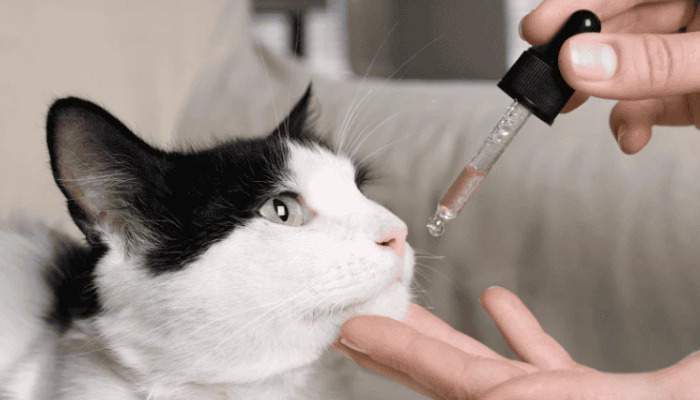
The active ingredient, GS-441524, has been widely studied and used in real-world veterinary practice because of its strong antiviral potential against FIP-related disease. Many cat caregivers look for GS-441524-based products because they are considered practical, effective, and relatively well tolerated when used correctly. According to product guidance commonly provided for oral use, the standard dosage is often calculated by body weight at 15 mg per kilogram daily, with neurologic or ocular FIP sometimes requiring up to 30 mg per kilogram as directed by a veterinarian. Administration is usually once daily, preferably on an empty stomach, such as one hour before meals or two hours after eating, to support consistent absorption.
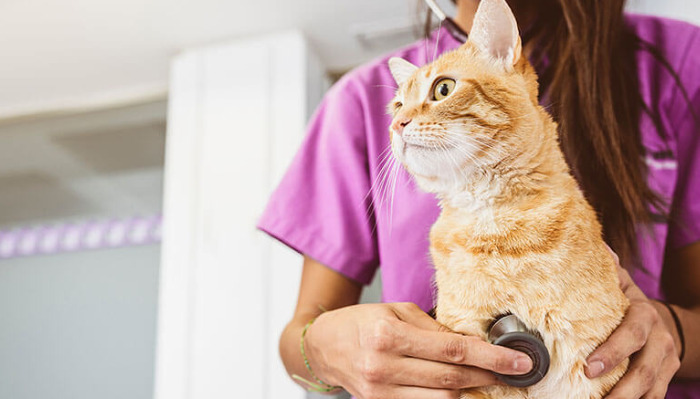
Treatment duration is a critical part of FIP management. NeoFipronis therapy is typically continued for no less than 12 weeks, and missed doses should be avoided whenever possible to maintain stable antiviral levels. During therapy, cat owners should monitor appetite, temperature, behavior, hydration, and breathing, while also arranging periodic blood tests to check liver and kidney function, red and white blood cell counts, and inflammatory markers. Consistent monitoring helps veterinarians adjust the dosage when needed and identify any problems early, especially in cats with severe disease or pre-existing organ stress.
Reported side effects are usually mild compared with the severity of FIP itself, which is one reason oral GS-441524 products are considered attractive by many owners. Some cats may experience temporary digestive upset, mild vomiting, soft stool, reduced appetite, or transient changes in laboratory values. Serious adverse effects are less common but should always be taken seriously if they occur. Even though NeoFipronis is described as an over-the-counter veterinary product, professional supervision is strongly recommended because FIP is a complex disease that can change quickly, and dose adjustments may be necessary based on response and test results.
NeoFipronis is intended for cats only and must not be used in humans. To help protect product quality and authenticity, buyers should check the official NeoFipronis website or authorized channels when purchasing. For cat owners looking for a convenient oral FIP therapy, NeoFipronis (Pronidesivir) offers a promising combination of effectiveness, ease of use, and manageable safety when used responsibly and monitored carefully by a veterinarian.