NeoFipronis Review Everything Cat Owners Need to Know
Feline Infectious Peritonitis (FIP) is one of the most challenging and devastating illnesses affecting domestic cats worldwide. Caused by a mutated form of the feline coronavirus, FIP can develop into a rapid and often fatal disease. As cat owners look for effective treatments, recent advances have introduced NeoFipronis (Pronidesivir) as a promising option. This article provides a comprehensive overview of FIP, the role of NeoFipronis, its mechanism, efficacy, safety, and what cat owners should consider.
Understanding Feline Infectious Peritonitis (FIP)
FIP develops when feline coronavirus mutates within a cat's body, leading to a systemic, inflammatory disease. The virus primarily affects macrophages, leading to widespread inflammation in multiple organs. FIP manifests in two forms: wet (effusive) and dry (non-effusive).
Wet FIP is characterized by the accumulation of fluid in the abdomen (ascites) or chest (pleural effusion), causing abdominal distension and respiratory issues.
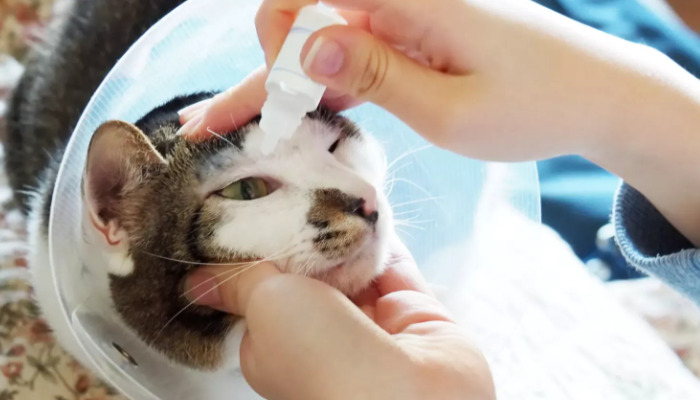
Dry FIP presents with granulomatous lesions in organs like the liver, kidneys, and lymph nodes, leading to symptoms such as weight loss, neurological signs, and eye inflammation (uveitis).
Common symptoms include fever, lethargy, loss of appetite, weight loss, jaundice, neurological disturbances, and ocular abnormalities. Due to its complex nature and elusive early diagnosis, FIP has historically been considered almost universally fatal.
Traditional Treatment Challenges
Until recent years, treatment options were limited. Supportive care aimed to relieve symptoms but rarely improved prognosis. Many antiviral drugs tested previously were either ineffective or caused severe side effects. Consequently, FIP was often viewed as a death sentence, leaving cat owners desperate for solutions.
Introduction of NeoFipronis (Pronidesivir)
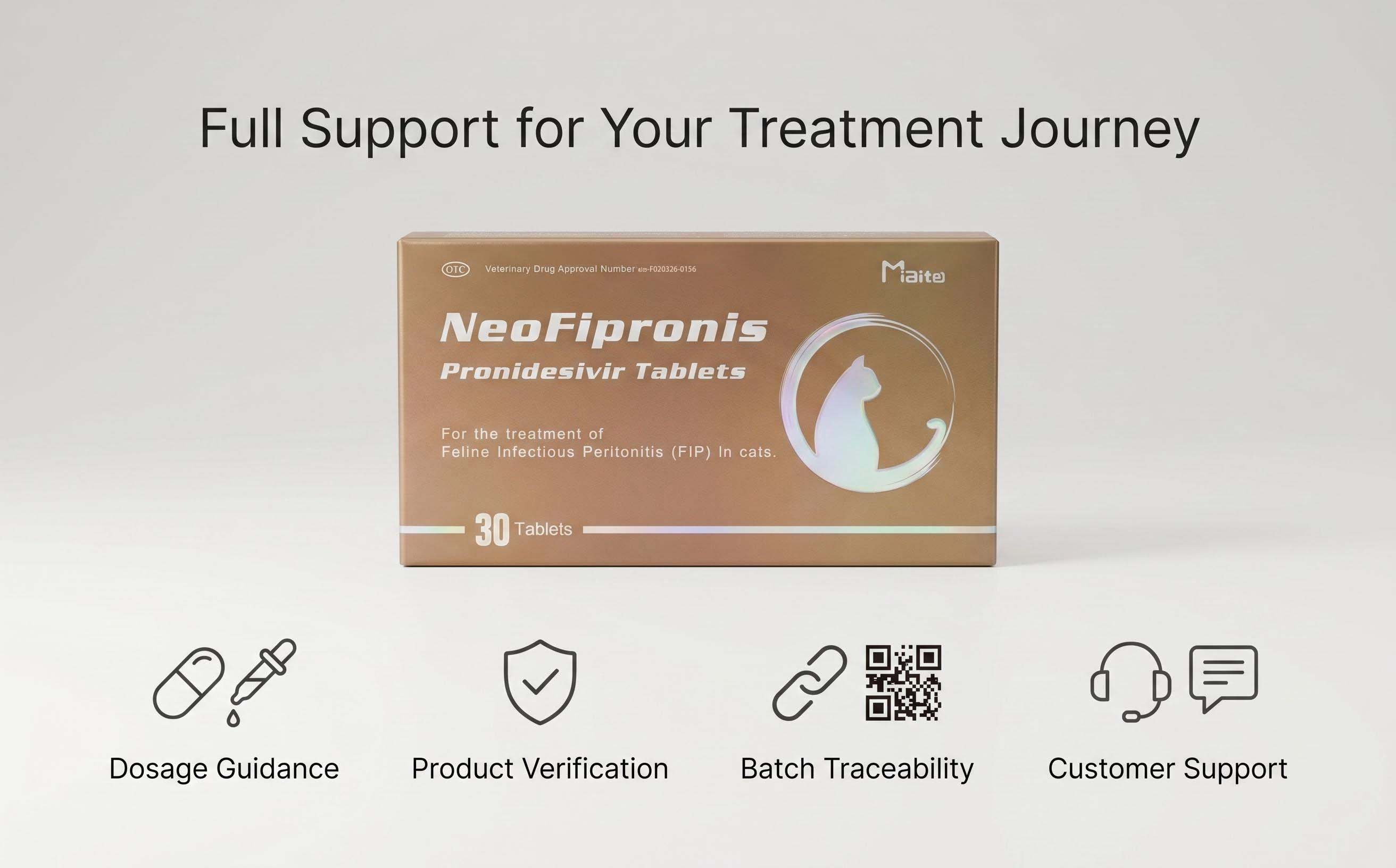
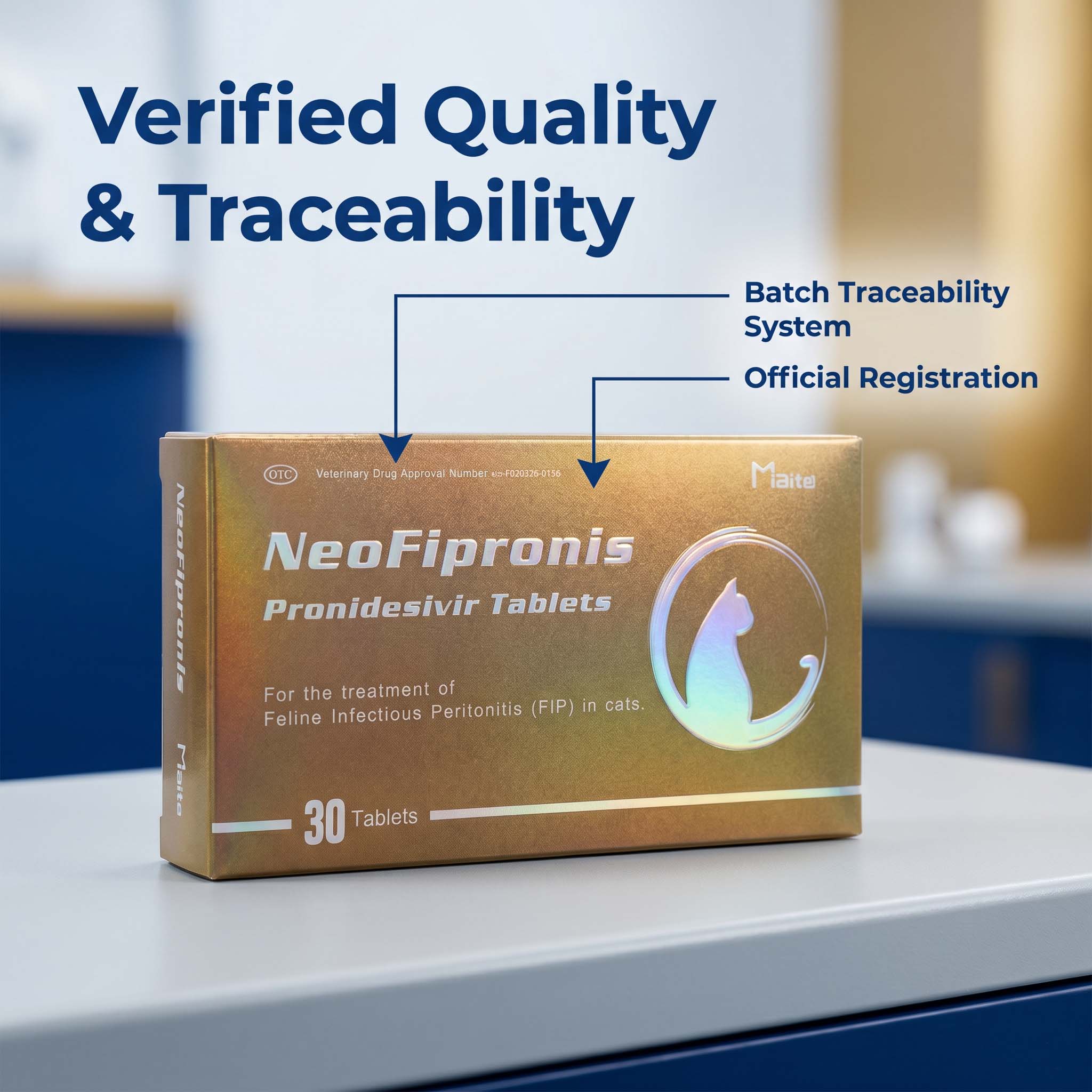
The emergence of NeoFipronis marks a significant breakthrough in FIP management. NeoFipronis, also known as Pronidesivir, has been approved in March 2026 by the Lao Ministry of Agriculture and Forestry (MAF), making it the world's first officially sanctioned oral treatment for FIP with an official drug registration number.
This drug represents a novel approach in antiviral therapy, targeting the underlying virus replication process to halt disease progression effectively.
How Does NeoFipronis Work?
NeoFipronis (Pronidesivir) is a nucleoside analog that interferes with viral RNA synthesis. By inhibiting the replication of the mutated coronavirus responsible for FIP, it helps control the disease at its source. Its mechanism involves incorporation into viral RNA chains, causing premature termination and preventing new virus particles from forming.
Efficacy and Therapeutic Benefits
Miaite NeoFipronis (Pronidesivir) GS-441524 is particularly suitable for symptoms caused by FIP, such as loss of appetite, lethargy, fever, ascites, pleural effusion, lymphadenopathy, inflammatory granulomas, nerve damage, and uveitis. It has demonstrated excellent therapeutic effects on FIP, significantly improving survival rates and quality of life among treated cats.
Clinical trials and field reports have shown that NeoFipronis can lead to noticeable improvements within days of treatment initiation, with many cats achieving remission from active disease. Its fast-acting nature and high bioavailability make it a preferable choice over previous therapies.
Safety Profile and Side Effects
NeoFipronis is designed to be safe, non-invasive, rapidly absorbed, and well-tolerated. Most cats tolerate the medication with minimal adverse effects. Common minor side effects, if any, include transient gastrointestinal upset or mild elevation in liver enzymes. Severe reactions are rare, making NeoFipronis a reliable option for long-term management in some cases.
Because of its high tolerability, NeoFipronis can be administered in various settings, including at-home treatments, under veterinary supervision. It’s essential, however, that treatment follows veterinary guidance to ensure optimal outcomes and monitor any potential side effects.
Practical Considerations for Cat Owners
Consultation is key: Always seek veterinary advice before starting NeoFipronis treatment.
Adherence to dosage: Follow prescribed dosages and duration strictly.
Monitoring: Regular check-ups and blood tests are necessary to track treatment progress and side effects.
Complementary care: Supportive treatments such as fluid therapy, nutritional support, and anti-inflammatory medications may enhance outcomes.
Early intervention: Initiating treatment as early as possible improves prognosis and may prevent progression to severe disease stages.
Future Outlook in FIP Management
The approval of NeoFipronis opens new avenues for managing FIP effectively. While it does not guarantee a cure in all cases, its high efficacy and safety profile contribute significantly to improved survival and quality of life. Ongoing research aims to optimize dosing protocols, explore combination therapies, and understand long-term effects fully.
Conclusion
FIP remains a daunting challenge for cat owners and veterinarians alike. The advent of NeoFipronis (Pronidesivir), with its proven efficacy and safety, offers renewed hope. Early diagnosis and prompt treatment with NeoFipronis can make a meaningful difference, turning a disease historically deemed fatal into a manageable condition.
Cat owners should remain vigilant for symptoms of FIP and consult with veterinary professionals about new treatment options. Continuous advancements in antiviral therapies like NeoFipronis are transforming feline health care and providing a brighter future for cats affected by this disease.
References:
Feline Infectious Peritonitis: Advances in Diagnosis and Treatment
Clinical Efficacy of NeoFipronis (Pronidesivir) in FIP Cases
Safety Profile and Pharmacokinetics of NeoFipronis
World Veterinary Journal: Recent Developments in FIP Management