Can Routine Physical Exams Detect FIP Risk Early

Feline Infectious Peritonitis (FIP) remains one of the most challenging and controversial diseases in the realm of feline medicine. FIP stems from a mutation in the feline enteric coronavirus (FCoV), which is widespread among cats, especially those in shelters or multi-cat households. What sets FIP apart is its unpredictable transformation from a benign viral infection into a deadly and complex immune-mediated disease. Early detection is crucial—owners and veterinarians are constantly seeking ways to intervene before the disease becomes untreatable. This raises an essential question for cat owners and veterinary professionals: can routine physical examinations detect a cat's risk for developing FIP early, before symptoms manifest or progress?
Understanding FIP and Its Risk Factors
FIP develops when a harmless feline coronavirus mutates inside a cat. While most cats harbor FCoV without issue, only a small percentage will experience a mutation leading to FIP. The disease typically manifests in one of two forms: the “wet” or effusive form, which involves fluid accumulation in the abdomen or chest, and the “dry” or non-effusive form, which is marked by chronic inflammation in various organs. Risk factors for developing FIP include age (kittens and young cats are most susceptible), genetic predisposition, concurrent infections, stress, overcrowding, and immune status. Understanding these factors is crucial for interpreting findings during routine exams.
The Role of Routine Physical Exams
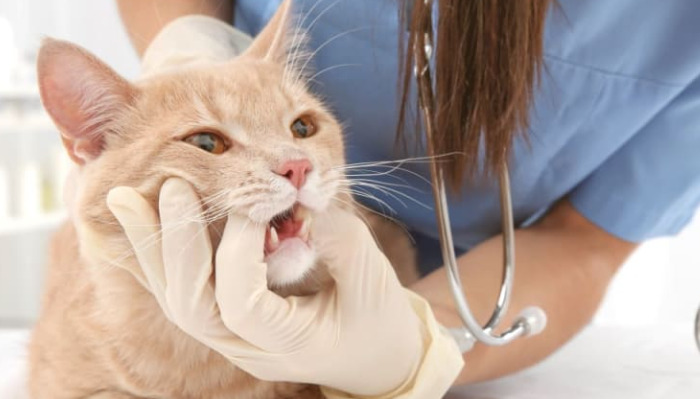
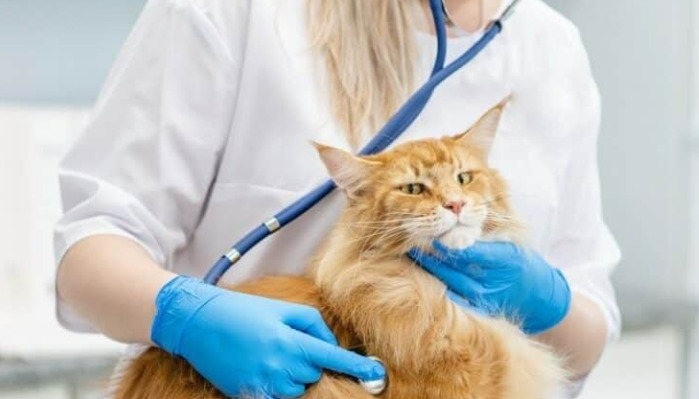
Routine veterinary exams are a cornerstone of feline health, serving as a first line of defense against illness. These check-ups generally include a physical assessment of body condition, eyes, ears, mouth, skin, lymph nodes, abdomen, and chest, as well as behavioral observations. Bloodwork, urinalysis, and fecal tests may be recommended for sick or high-risk cats. Owners often wonder if these routine visits can spot the signs of FIP or even predict which cats are at increased risk.
The reality is that early FIP is subtle and non-specific. Most cats show vague signs such as lethargy, reduced appetite, weight loss, mild fever, or gastrointestinal upset. These symptoms can be caused by many common ailments. During a routine exam, veterinarians may note mild abnormalities—such as enlarged lymph nodes, low-grade fevers, or slowed weight gain in kittens—but these findings lack specificity to FIP. Because FIP arises from an internal viral mutation that does not produce immediate or unique physical changes, routine exams rarely detect it at the earliest stages unless symptoms have begun.
Diagnostic Limitations During Early Disease
When cats begin to show signs, they are often in the early phase of the disease—yet still, many findings are general and overlap with other conditions. A thorough clinical exam might reveal ascites (fluid in the abdomen), pleural effusion, or uneven organ sizes in severe cases, but these are typically associated with advanced FIP. Laboratory changes—such as persistent fever, lymphopenia (low lymphocytes), hyperglobulinemia (elevated globulins), and decreased albumin—can raise suspicions but are not exclusive to FIP.
Since routine exam protocols do not include advanced diagnostic tools (imaging, specialized laboratory tests), early-stage FIP is difficult to differentiate from other causes of illness. FIP diagnosis relies on the exclusion of other diseases, combined with supportive clinical, laboratory, and sometimes molecular evidence. While routine exams play a role in monitoring overall health and catching general signs of illness, they cannot reliably predict a cat's individual risk of developing FIP before symptoms arise.
Improvements in Screening and Early Recognition
Despite the limitations, routine exams can indirectly contribute to earlier recognition, especially in high-risk populations (kittens from shelters, catteries, multi-cat environments). Consistent veterinary checkups allow for monitoring of weight trends, behavioral shifts, and subtle clinical changes that can prompt more targeted investigation if persistent abnormalities arise. For example, unexplained fevers, consistent lethargy, or waxing and waning gastrointestinal signs in young cats from crowded settings should prompt further diagnostics—serum protein analysis, imaging, and FIP-specific PCR tests.
Some practices have begun to integrate risk assessment tools, such as tracking household FCoV status, genetic background, and stress indicators, to identify cats at higher risk and consider preventive strategies. However, these approaches are adjuncts, not substitutes, for routine physical exams.
Emerging Technologies and Molecular Markers
While routine physical exams alone are insufficient, advances in diagnostics may transform early FIP risk prediction. Molecular assays and genetic sequencing now allow for identification of viral mutations associated with FIP within tissue or fluid samples. Commercial FIP nucleic acid amplification tests (PCR) using blood, cerebrospinal fluid, or effusions are emerging as gold standards for confirmation—but these require specific indications and are not part of most routine screens.
Innovations in biomarker development, such as acute phase proteins, cytokine profiles, and microRNA signatures, may eventually allow for risk profiling in apparently healthy cats. Machine learning algorithms are being explored to recognize patterns of early clinical and laboratory changes that could predict disease prior to overt symptoms. While promising, these technologies are not yet part of the routine veterinary toolkit.
The Importance of Contextual Risk Assessment
A routine physical exam remains a critical touchpoint for pet health, but its predictive power for FIP is limited by the nonspecificity of early clinical signs and overlapping presentations. Veterinarians can, however, use knowledge of a cat’s background (age, origin, genetics, environment) in conjunction with routine findings to heighten their index of suspicion and initiate further investigation when indicated.
Owner vigilance and thorough reporting of subtle changes—especially in vulnerable populations—have also proven invaluable. Routine check-ups are most beneficial when part of a comprehensive health strategy, including, where appropriate, lab screenings and advanced diagnostics targeted towards cats with known risk factors.
Preventive Strategies and Future Directions
Given the limitations in early detection, preventative strategies focus on minimizing known risk factors: improving sanitation, reducing crowding, controlling stress, early weaning, and using responsible breeding practices. Where FCoV is endemic, regular monitoring of at-risk kittens and proactive veterinary involvement can improve outcomes—though prevention of FIP mutation remains elusive.
Ongoing research into vaccines, therapeutics, and environmental interventions may further reduce the burden of FIP and enhance the value of routine exams. Increased awareness, continued education for veterinarians and owners, and rapid response to suspicious signs remain the cornerstones of FIP control.
References
1. Addie, D.D., Jarrett, O. (1995). "Feline coronavirus infections." Veterinary Clinics of North America: Small Animal Practice, 25(6), 1011-1036.
2. Pedersen, N.C. (2009). "A review of feline infectious peritonitis virus infection: 1963–2008." Journal of Feline Medicine and Surgery, 11(4), 225-258.
3. Hartmann, K. (2005). "Feline Infectious Peritonitis." Veterinary Clinics of North America: Small Animal Practice, 35(1), 39-79.
4. Kipar, A., Meli, M.L. (2014). "Feline Infectious Peritonitis: Still an enigma?" Veterinary Pathology, 51(2), 505-526.
5. Felten, S., Hartmann, K. (2019). "Diagnosis of feline infectious peritonitis: a review of the current literature." Viruses, 11(11), 1068.
6. Tasker, S. (2018). "Diagnosis of feline infectious peritonitis: Update on evidence supporting laboratory testing." Journal of Feline Medicine and Surgery, 20(3), 228-243.
7. Osterhaus, A.D., Horzinek, M.C., Lutz, H. (1982). "Feline infectious peritonitis: A worldwide survey of seropositivity to feline coronaviruses." Journal of Feline Medicine and Surgery, 14(6), 373-382.
8. Chang, H.W., de Groot, R.J. (2012). "Feline infectious peritonitis: insights into feline coronavirus pathobiogenesis and epidemiology based on molecular analysis of the viral genome." Veterinary Sciences Tomorrow, (1), 1-24.
9. Dewerchin, H.L., Cornelissen, E., Nauwynck, H.J. (2005). "Replication of feline coronaviruses in peripheral blood monocytes." Archives of Virology, 150(12), 2483-2500.
10. Vennema, H., Poland, A., Foley, J., Pedersen, N.C. (1998). "Feline infectious peritonitis viruses arise by mutation from endemic feline enteric coronaviruses." Virology, 243(1), 150-157.