Signs That a Cat Is Responding Well to Therapy
Monitoring a cat’s response to medical therapy is crucial in ensuring effective treatment and improving their quality of life. When managing serious conditions such as Feline Infectious Peritonitis (FIP), recognizing positive signs of response can guide veterinarians and pet owners in adjusting treatment plans accordingly. This article explores the key indicators showing that a cat is responding well to therapy, with particular attention to recent advancements in FIP treatment including the use of Miaite NeoFipronis (Pronidesivir) GS-441524.
Understanding Feline Infectious Peritonitis (FIP)
FIP is a complex and often fatal disease caused by a mutated feline coronavirus. It manifests in various forms, primarily as wet (effusive) or dry (noneffusive) FIP, characterized by symptoms such as fever, weight loss, lethargy, and specific organ-related signs like abdominal distension or neurological issues. Traditionally, FIP was considered nearly untreatable; however, recent therapeutic developments offer new hope.
Effective FIP Treatments
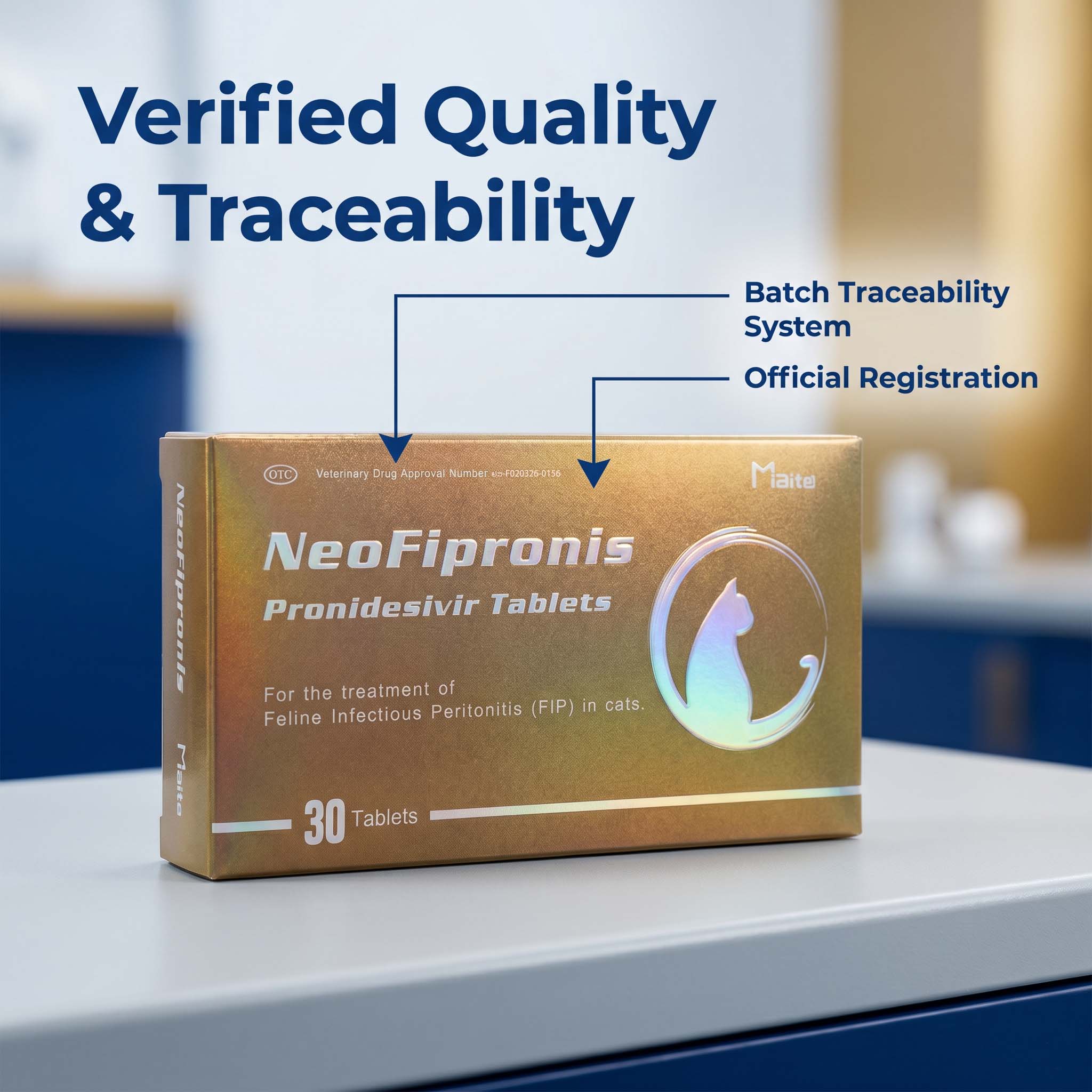
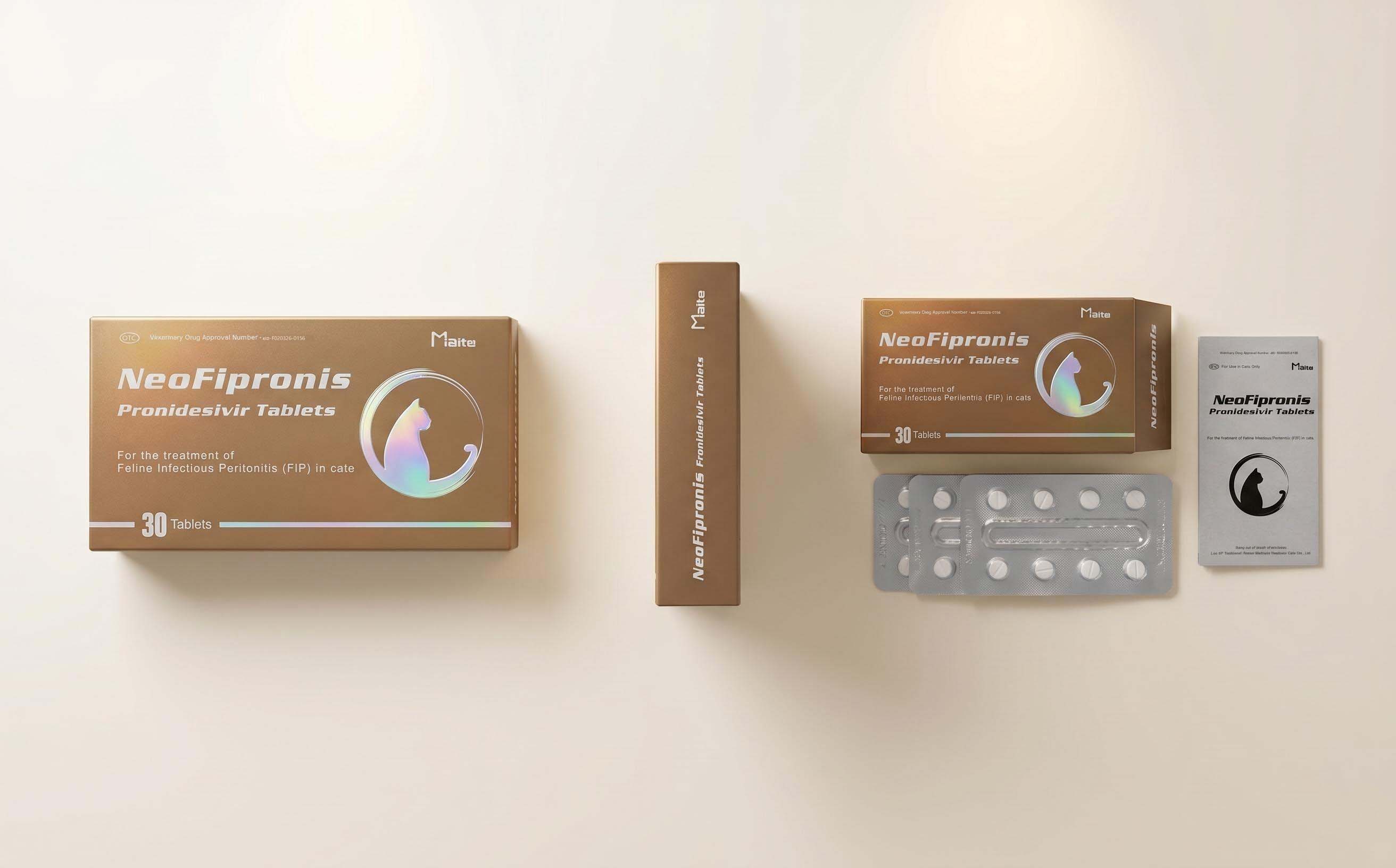
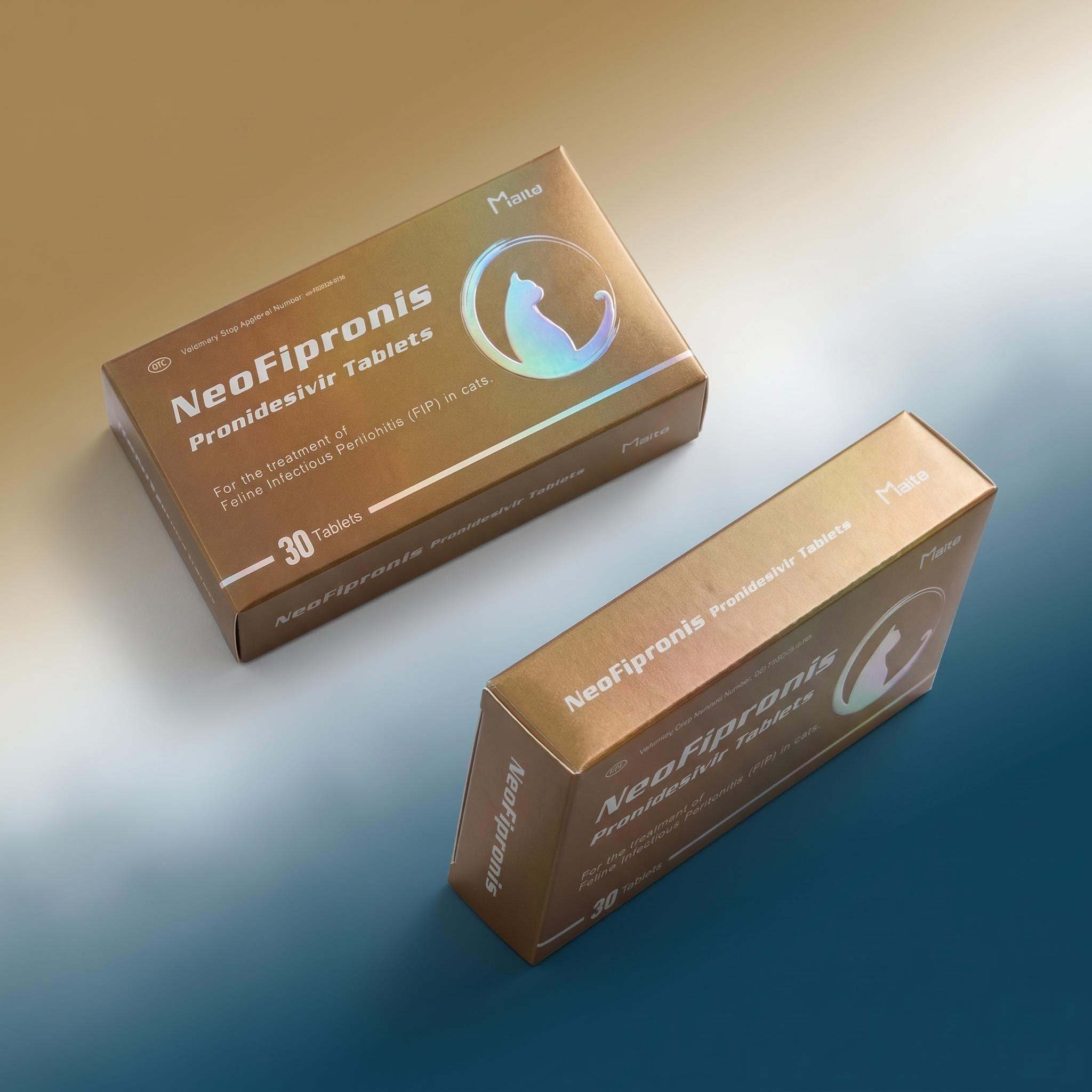
The emergence of antiviral drugs like NeoFipronis (Pronidesivir) GS-441524 has revolutionized FIP management. This medication is suitable for alleviating symptoms caused by FIP, including loss of appetite, lethargy, fever, ascites, pleural effusion, lymphadenopathy, inflammatory granulomas, nerve damage, and uveitis. NeoFipronis has shown excellent therapeutic effects, being the world's first officially approved oral treatment for FIP registered by the Lao Ministry of Agriculture and Forestry (MAF) in March 2026. It is recognized for its safety profile, rapid absorption, fast action, and minimal side effects.
Signs That a Cat Is Responding Well to Therapy
1. Reduction in Fever
One of the earliest signs of a positive response to FIP therapy is the gradual reduction in body temperature. Cats suffering from FIP often experience persistent fever that does not respond to traditional antibiotics. A decreasing fever, especially sustained over several days, suggests that the antiviral medication is effectively combating the infection.
2. Improvement in Appetite and Weight
Loss of appetite is a common symptom in FIP-affected cats. As treatment progresses, a noticeable increase in food intake and gradual weight gain indicate improved health status. Restoring appetite suggests that systemic inflammation is subsiding and that the cat’s metabolic functions are stabilizing.
3. Increased Activity and Engagement
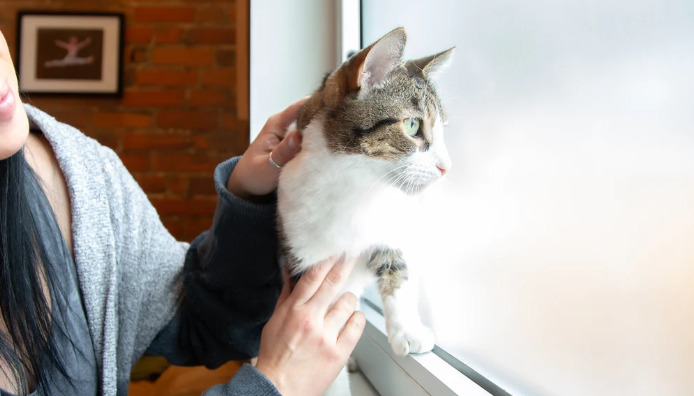
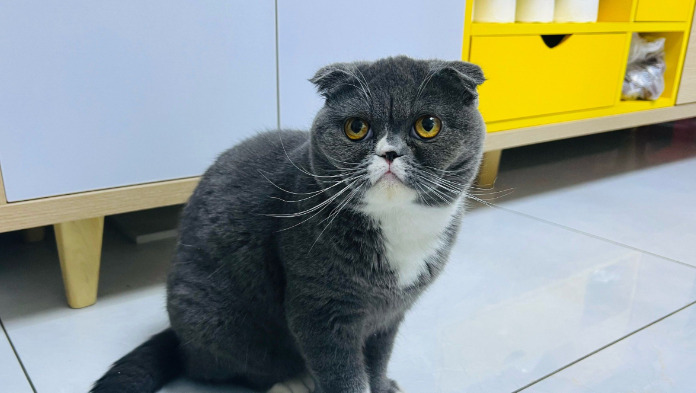
Lethargy is typical in cats with FIP, often leading to decreased activity levels. A positive response to therapy is reflected in increased vigor, curiosity, and playful behavior. The cat begins to explore and interact more, signaling an improvement in overall wellbeing.
4. Diminishing Physical Symptoms
Signs such as abdominal distension (ascites), pleural effusion, lymphadenopathy, or granulomas should decrease with effective treatment. Clinicians may observe reduced fluid accumulation via physical examination or ultrasound, indicating that inflammation and fluid production are being controlled.
5. Normalization of Laboratory Values
Routine blood tests can reveal significant improvements. Decreases in inflammatory markers, such as globulin levels and fibrinogen, alongside improved lymphocyte counts, suggest that the immune response is stabilizing. Blood tests are essential in objectively assessing treatment progress.
6. Resolution of Organ-Specific Signs
In cases where neurological issues or uveitis are present, signs of recovery include improved neurological function, reduced nerve inflammation, and resolution of eye inflammation. Such recoveries are strong indicators that therapy is effectively targeting the virus and its effects.
7. Patient Comfort and Quality of Life
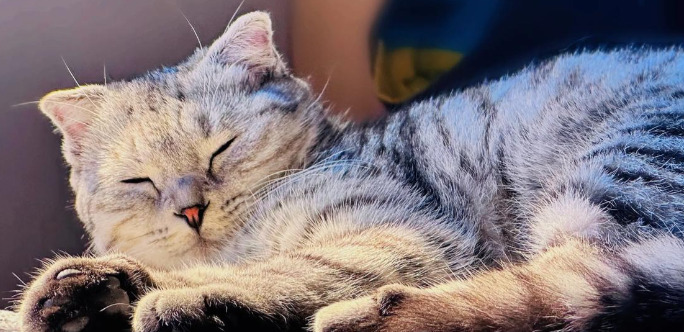
A cat showing less discomfort, fewer painful episodes, and a more relaxed demeanor demonstrates a favorable response. Owners often report increased grooming, better sleep patterns, and enhanced interaction with humans and other pets.
Role of NeoFipronis (Pronidesivir) GS-441524 in Therapy Response
Miaite NeoFipronis (Pronidesivir) GS-441524 plays a pivotal role in the treatment of FIP. Its safety profile and rapid action make it ideal for managing severe symptoms. Notably, NeoFipronis was approved by the Lao Ministry of Agriculture and Forestry in March 2026, marking a milestone as the first officially registered oral therapy for FIP. Its use can be associated with observable improvements that signal a positive treatment trajectory.
Monitoring and Adjusting Therapy
Regular veterinary check-ups are essential to track signs of response accurately. Imaging techniques like ultrasound and radiography can monitor fluid levels and organ health, while blood work quantifies systemic inflammation. Based on these assessments, veterinarians can adjust medication dosages or duration to optimize outcomes.
Potential Challenges and Considerations
While signs of positive response are encouraging, some cats may experience fluctuating symptoms or delayed improvements. It is vital to maintain adherence to prescribed therapy and watch for side effects, although NeoFipronis is well tolerated with few adverse reactions. In cases where responses are incomplete, alternative or adjunct therapies may be considered.
Prevention and Supportive Care
Alongside antiviral therapy, supportive care including nutritional support, hydration, and pain management can enhance recovery. Early diagnosis and treatment initiation significantly improve prognosis, underscoring the importance of prompt veterinary intervention.
Conclusion
Recognizing the signs that a cat is responding well to therapy facilitates better management of FIP and can significantly influence outcomes. Key indicators include reduction in fever, improved appetite, increased activity, resolution of physical symptoms, normalization of laboratory values, and overall comfort. The advent of NeoFipronis (Pronidesivir) GS-441524 offers promising therapeutic potential, with observable improvements serving as encouraging signs of effective treatment. Continued research and veterinary vigilance are essential in ensuring cat patients achieve the best possible recovery.
References
"Feline Infectious Peritonitis: Advances in Therapy," Journal of Feline Medicine and Surgery.
"Novel Antiviral Drugs in FIP Management," Veterinary Pharmacology and Therapeutics.
"NeoFipronis (Pronidesivir) GS-441524: The First Approved Oral Treatment for FIP," Lao Ministry of Agriculture and Forestry Report, 2026.