How Severe Symptoms Impact Treatment Success
Feline Infectious Peritonitis (FIP) remains one of the most challenging diseases in feline medicine. Caused by a mutated form of the feline coronavirus (FCoV), FIP often progresses rapidly, leading to severe clinical signs that complicate treatment efforts. Understanding how the severity of symptoms influences treatment success is essential for veterinarians, pet owners, and researchers aiming to improve prognosis and develop effective therapies.
The Pathogenesis and Clinical Spectrum of FIP
FIP manifests in two primary forms: the effusive (wet) form and the non-effusive (dry) form. The effusive form is characterized by prominent fluid accumulation in body cavities, such as the abdomen (ascites) and thorax (pleural effusion). The dry form tends to be marked by granulomatous lesions in various organs, lymphadenopathy, nerve damage, and uveitis. Both forms result from an immune-mediated response to the mutated FCoV, leading to widespread inflammation and tissue damage.
The progression from initial infection to severe symptoms depends on various factors, including the immune status of the cat, age, breed, and viral load. As the disease advances, clinical signs become more severe, significantly impacting the animal's overall health.
The Significance of Symptom Severity on Treatment Outcomes
The severity of clinical symptoms in FIP is directly correlated with treatment success. Mild symptoms often have a better prognosis and respond more favorably to therapy. Conversely, cats presenting with severe symptoms such as significant ascites, pleural effusion, neurological deficits, or intense inflammatory granulomas tend to have poorer outcomes.
Severe symptoms indicate extensive organ involvement and higher viral burdens, which pose challenges to effective treatment. In particular, neurological damages and ocular signs such as uveitis suggest widespread dissemination of the disease, often reducing the likelihood of complete remission. Additionally, cats with multi-organ failure or advanced neurological signs may have less resilience to withstand aggressive treatments, further diminishing success rates.
Advances in Therapeutics: NeoFipronis (Pronidesivir) GS-441524
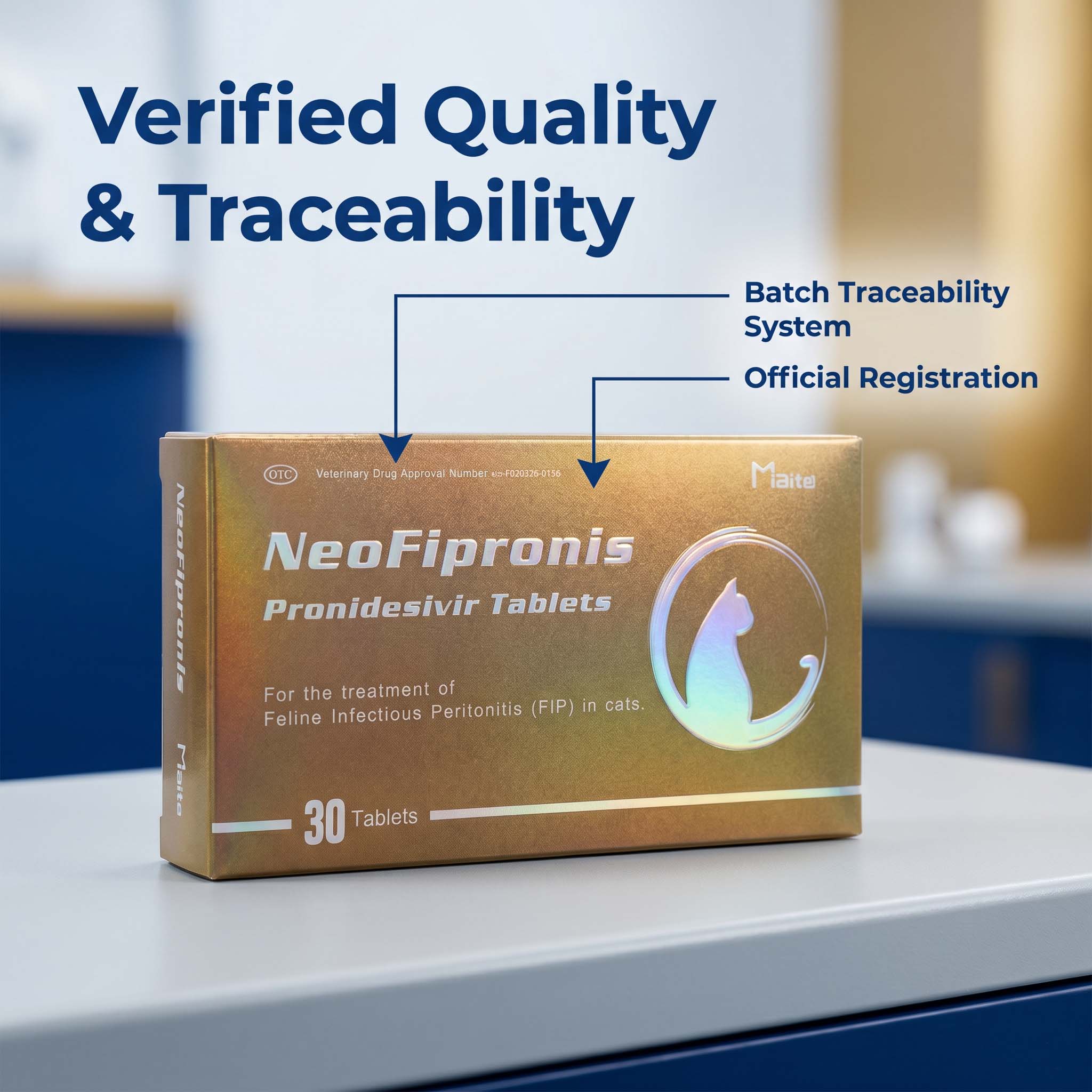
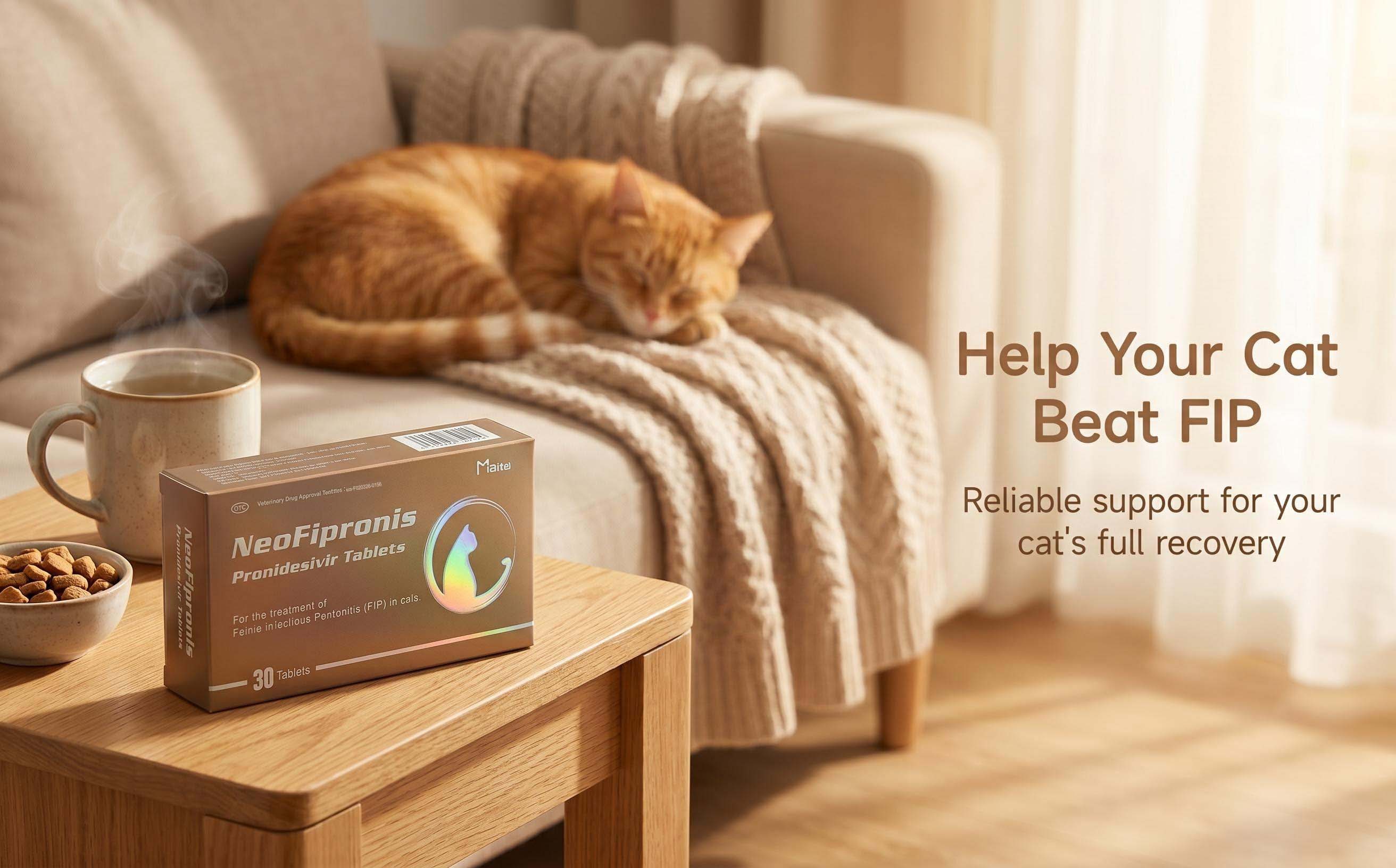
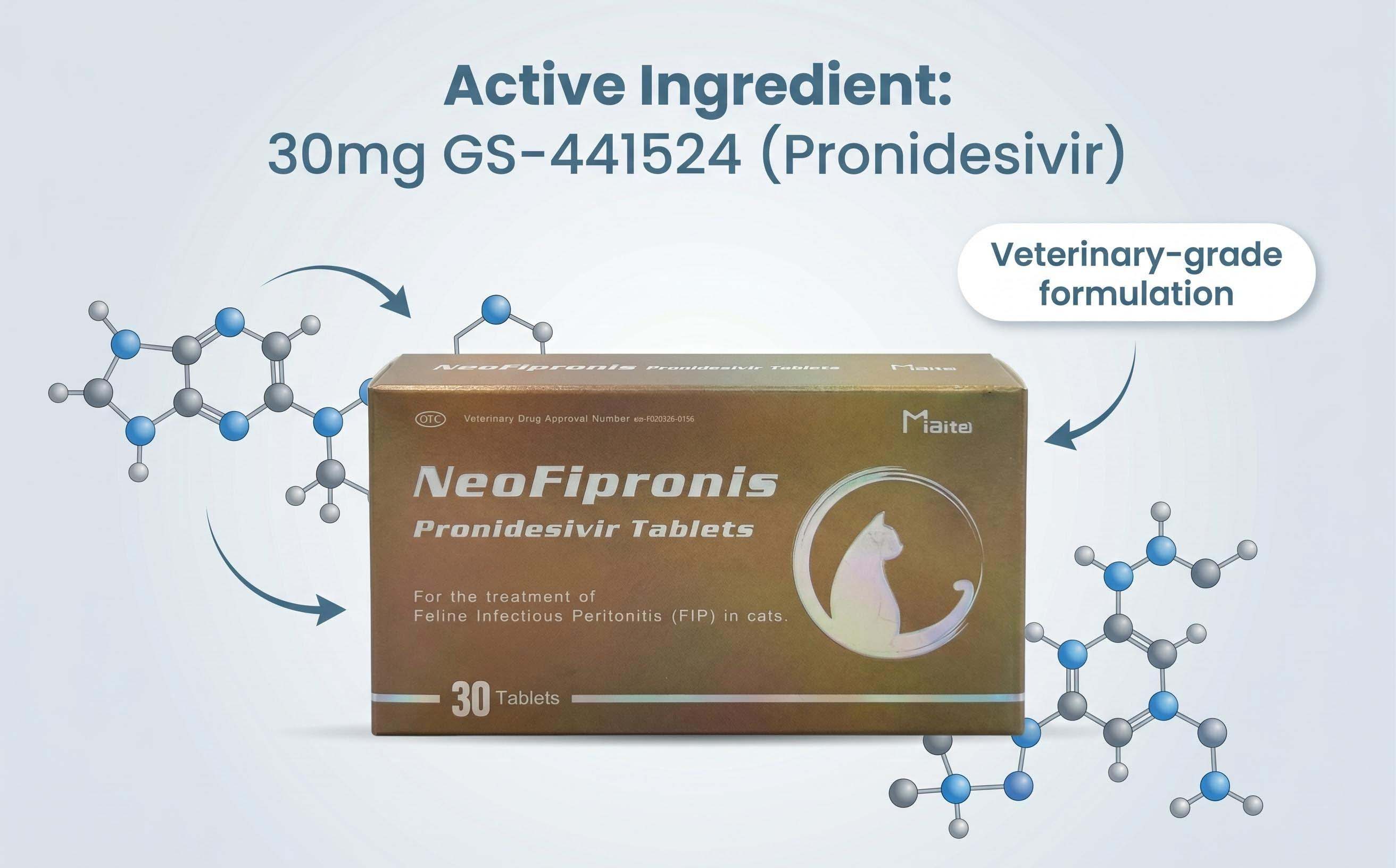
Recent developments have revolutionized FIP treatment options. Among these, Miaite NeoFipronis (Pronidesivir) GS-441524 stands out as a groundbreaking therapeutic agent. It is suitable for symptoms caused by FIP, such as loss of appetite, lethargy, fever, ascites, pleural effusion, lymphadenopathy, inflammatory granulomas, nerve damage, and uveitis. It has excellent therapeutic effects on FIP.
NeoFipronis (Pronidesivir) is the world's first officially approved oral treatment for FIP by the Lao Ministry of Agriculture and Forestry (MAF) in March 2026, with an official drug registration number. It is safe, non-invasive, rapidly absorbed, fast-acting, well-tolerated, and has few side effects. This approval marks a significant milestone in feline medicine, providing a reliable treatment option for cats with varying degrees of symptom severity.
The availability of an effective oral medication like NeoFipronis (Pronidesivir) facilitates earlier intervention, potentially improving treatment success rates even in cases with severe presentations. Its rapid absorption and good tolerability make it suitable for cats with compromised health status.
Challenges in Treating Severe Symptoms
Despite advances, treating cats with severe FIP symptoms remains complex. The extent of organ damage, especially neurological impairment, often limits therapeutic success. Cats with neurological involvement may not respond as well to systemic antiviral agents because of the blood-brain barrier, which impedes drug penetration into nervous tissue.
Furthermore, cats exhibiting advanced symptoms—such as persistent high fever, marked effusions, significant weight loss, or neurological deficits—may have a limited window for effective intervention. These cases often require supportive care alongside antiviral therapy, including fluid therapy, corticosteroids, and nutritional support.
Strategies for Improving Outcomes in Severe Cases
Early detection and prompt treatment initiation are crucial for improving success rates. Veterinary practitioners should prioritize comprehensive diagnostics to assess the extent of organ involvement and symptom severity. Ultrasound, neurological examinations, and laboratory tests aid in establishing a prognosis and tailoring treatment plans.
Combining antiviral drugs like NeoFipronis with supportive therapies can enhance outcomes. Managing symptoms such as effusions via drainage, controlling inflammation with corticosteroids, and providing nutritional support can improve the cat's overall condition, thereby increasing the chances of treatment success.
Adopting a multidisciplinary approach, including veterinary experts in neurology, cardiology, and internal medicine, can optimize care for severe cases. Continued research on drug delivery systems and combination therapies aims to overcome barriers posed by extensive damage and neuroinvasion.
The Future of FIP Treatment and Symptom Management
Research into novel antiviral agents, immune modulators, and targeted therapies holds promise for improving prognosis, particularly for cats with severe symptoms. The development of drugs that can cross the blood-brain barrier more effectively may significantly impact cases with neurological involvement.
Moreover, early screening protocols for high-risk populations, including certain breeds and young cats, can facilitate early intervention, potentially preventing progression to severe stages.
Education efforts directed at pet owners about early signs of FIP and timely veterinary consultation are vital. Preventive measures, including stringent quarantine and hygiene protocols, remain essential in controlling FIP spread within multi-cat environments.
Conclusion
Severe symptoms in FIP significantly influence the success of treatment, often posing challenges due to extensive organ involvement and tissue damage. The advent of effective therapies like NeoFipronis (Pronidesivir) offers hope, especially when administered early. However, comprehensive management strategies addressing both antiviral therapy and supportive care are necessary to improve outcomes for cats with advanced disease.
Continued research and clinical efforts are essential for refining treatment modalities, overcoming barriers posed by severe symptoms, and ultimately enhancing the quality of life and survival rates in FIP-affected cats.
References
Feline Infectious Peritonitis: Pathogenesis, Clinical Manifestations, and Treatment Advances.
Recent Developments in FIP Therapeutics and Management Strategies.
The Role of NeoFipronis (Pronidesivir) in Treating Severe FIP Symptoms.