How Effective Is NeoFipronis (Pronidesivir) in Treating FIP
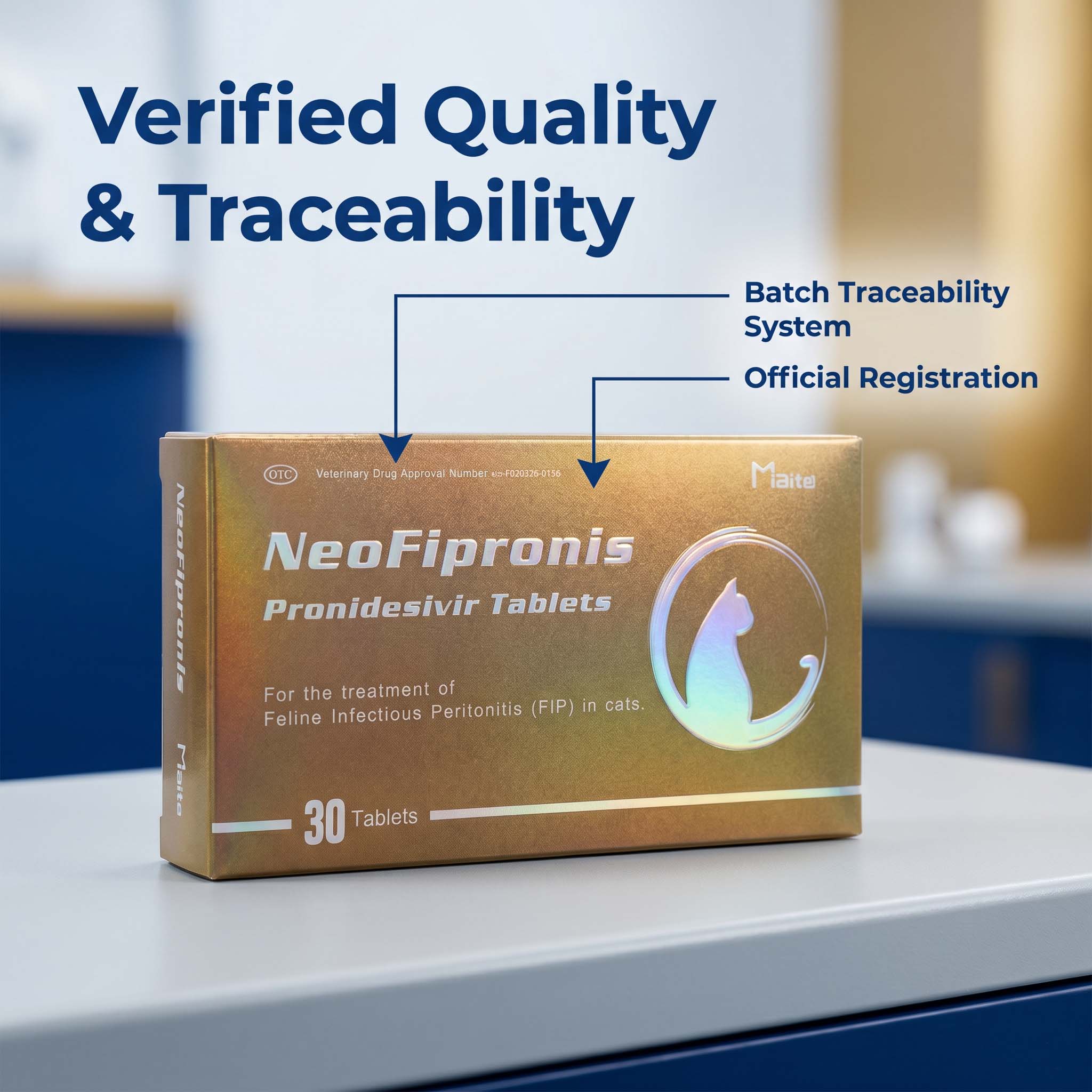
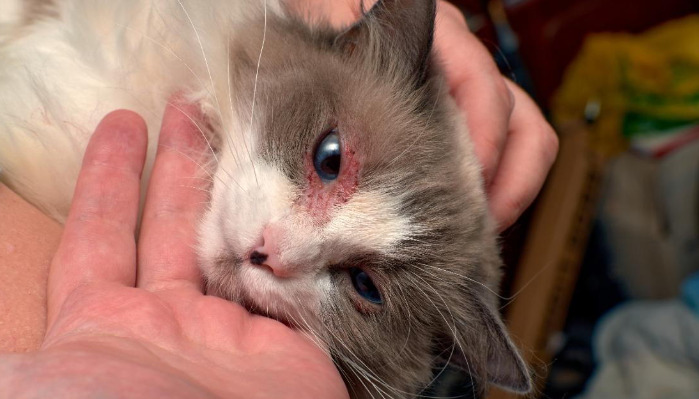
Feline Infectious Peritonitis (FIP) is one of the most serious viral diseases in cats, and it often progresses quickly without effective treatment. Common signs include loss of appetite, lethargy, fever, abdominal fluid buildup, chest fluid, enlarged lymph nodes, inflammatory granulomas, neurological damage, and uveitis. For cat owners searching for a reliable FIP treatment, NeoFipronis (Pronidesivir) has become a widely discussed option because it contains GS-441524, an antiviral compound associated with strong activity against the feline coronavirus that causes FIP.
NeoFipronis (Pronidesivir) is designed as an oral FIP medication for cats, offering a convenient, non-invasive alternative to injections. According to its product positioning, it is fast-absorbing, easy to administer, and generally well tolerated. Many cat owners value oral treatment because it can reduce stress for both the cat and the caregiver while still supporting consistent daily therapy. For cats with appetite loss, fever, weakness, or fluid-related disease, a reliable oral option can make treatment management much easier.
The active ingredient, GS-441524, has been studied extensively and used in real-world veterinary practice for FIP management. Its mechanism focuses on suppressing viral replication, which may help reduce disease activity and support recovery over time. In practical use, many veterinarians and caregivers consider GS-441524-based therapy one of the most important developments in the fight against FIP, especially when treatment begins early and continues consistently for the full course.
NeoFipronis (Pronidesivir) is commonly used for both wet FIP and dry FIP, and dosage is usually based on body weight. The standard recommendation is 15 mg per kilogram of body weight per day, which is often described as half a tablet for the typical dose. For neurological FIP or ocular FIP, higher dosing may be required, with many protocols increasing to 30 mg per kilogram under veterinary guidance. Daily administration is generally recommended, preferably on an empty stomach, such as one hour before feeding or two hours after a meal, to support absorption.
Treatment success depends not only on the medication itself but also on strict adherence to the schedule. FIP therapy should continue for no less than 12 weeks, and missed doses should be avoided whenever possible. During treatment, owners should monitor appetite, body temperature, activity level, and overall behavior. Regular blood work, liver function tests, and kidney function checks are also important, because ongoing monitoring helps ensure that the cat is responding well and that any problems are detected early.
Although NeoFipronis (Pronidesivir) is described as an over-the-counter product, veterinary supervision is still strongly recommended. Every cat is different, and FIP severity, body condition, and organ involvement can affect the best dosing plan. Cats with neurological signs, eye involvement, or persistent fluid accumulation may need closer follow-up and dose adjustments. Responsible use under a veterinarian’s direction can improve safety and help maximize the chance of a successful outcome.
NeoFipronis (Pronidesivir) is intended for cats only and must not be used in humans. For product quality and authenticity, buyers should obtain it through the official NeoFipronis website or another verified source. In a disease like FIP, where timely treatment matters, choosing a legitimate product and following a structured treatment plan can make a major difference in a cat’s recovery journey.