What to Do if a Cat With FIP Refuses to Eat
Feline Infectious Peritonitis (FIP) is a serious, often fatal disease that challenges pet owners and veterinarians alike. One critical concern in managing FIP is the loss of appetite, which can rapidly lead to weight loss, dehydration, and further complications. When a feline patient refuses to eat, immediate and carefully planned interventions are essential to support their health and comfort.
Identify Underlying Causes of Anorexia in FIP Cats
Understanding why an FIP-affected cat stops eating can guide effective responses. The primary reasons may include systemic illness severity, gastrointestinal discomfort, nausea, or depression related to the disease. Additionally, pain from other concurrent conditions or side effects of medication can also suppress appetite. Recognizing these factors allows for targeted management strategies rather than generic interventions.
Offer Palatable and Appealing Food Options
Cats with FIP often experience a diminished desire to eat, but providing enticing food can stimulate their interest. Switching to highly aromatic, warm, or textured options, such as canned wet food designed for sensitive stomachs, can promote feeding. Incorporating fish or liver flavors, which are typically more appealing, may also help. Creating a comfortable feeding environment—quiet, with minimal disturbance—can further encourage eating behavior.
Implement Force-Feeding or Assisted Feeding Strategies
When natural appetite stimulation proves insufficient, assisted feeding may become necessary. Techniques include:
Using a syringe with a syringe feeder filled with a calorically dense, specially formulated liquid diet.
Gently elevating the food bowl to make access easier or stimulating the cat's interest through tactile or visual cues.
Consulting with a veterinarian regarding specialized feeding tubes, such as esophagostomy or gastrostomy tubes, for prolonged anorexia cases.
These measures should be undertaken with care to prevent aspiration and should always involve veterinary guidance.
Administer Medications to Alleviate Nausea and Pain
Controlling nausea and pain significantly improves appetite in FIP cats. Anti-emetics such as maropitant or ondansetron can reduce nausea, while analgesics like buprenorphine can lessen discomfort. Proper medication management not only makes eating more comfortable but also can improve overall quality of life. Always adhere to veterinary instructions for dosing and administration.
Provide Supportive Care to Maintain Hydration and Electrolyte Balance
Dehydration is common when a cat refuses to eat, which can exacerbate weakness and organ dysfunction. Regular subcutaneous or intravenous fluid therapy, as directed by a veterinarian, helps sustain hydration. Additionally, electrolyte supplementation and nutritional support are vital to prevent deficiencies that compromise recovery prospects.
Monitor for and Manage Secondary Complications
Persistent anorexia can predispose to secondary issues such as hepatic lipidosis, hypoglycemia, and multi-organ failure. Regular veterinary assessments, including blood work and physical examinations, are essential to detect early signs of deterioration. Prompt intervention may include antibiotics for secondary infections or other supportive treatments tailored to the cat’s specific needs.
Evaluate Psychological and Environmental Factors
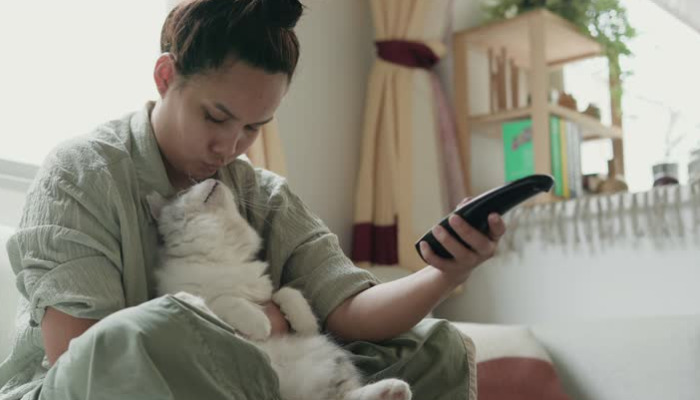
Stress reduction plays a significant role in recovering appetite. Creating a calm, secure environment, minimizing handling, and offering familiar bedding or toys can reduce anxiety. Providing companionship or gentle attention, without overwhelming the cat, might also stimulate interest in eating.
Use of Appetite Stimulants
Pharmacological appetite stimulants like mirtazapine can be prescribed to temporarily boost desire for food. These medications should be used under veterinary supervision, considering potential side effects and contraindications. Continuous evaluation ensures that these interventions are effective and safe.
Consider Palliative Care and Quality of Life
In advanced stages where improving appetite becomes increasingly challenging, focusing on comfort and quality of life becomes paramount. Palliative care measures, including pain management and environmental enrichment, support dignity and minimize suffering. Discussing prognosis and care goals with a veterinarian ensures that decisions align with the cat’s best interests.
Conclusion
Managing an FIP-affected cat refusing to eat requires a multifaceted approach. Early identification of causes, creative feeding strategies, medication management, and supportive care all play vital roles. Vigilance and compassionate intervention can make a profound difference in maintaining comfort and preventing secondary complications, even as the disease progresses.
References
1. Pedersen, N. C., & Kim, H. (2018). Feline Infectious Peritonitis: An update. Journal of Feline Medicine and Surgery, 20(3), 152–167.
2. Addie, D. D., & Jarrett, W. F. (2015). Feline Infectious Peritonitis. In Diseases of the Cat (pp. 478–485).
3. Lappin, M. R., & Juricova, A. (2020). Managing Appetite Loss in Cats with Chronic Illness. Veterinary Clinics of North America: Small Animal Practice, 50(2), 273–283.
4. Day, M. J. (2019). Nutritional management of sick cats. Journal of Feline Medicine and Surgery, 21(4), 347–356.