Is FIP Treatment Still Worthwhile in Late-Stage Cases

Feline Infectious Peritonitis (FIP) is one of the most heartbreaking diagnoses that cat owners and veterinarians encounter. Caused by a mutation of the feline coronavirus (FCoV), FIP was long considered fatal, especially in cases that present at advanced stages, manifesting as effusive (“wet”) or non-effusive (“dry”) forms with severe clinical symptoms. With the recent development and availability of direct-acting antiviral treatments such as GS-441524 and remdesivir, perceptions of FIP management have shifted. Yet, questions persist: Is it still worthwhile to treat cats with late-stage FIP? Are the odds of success significant enough, given the costs, emotional strain, and the complexities of advanced disease? This article reviews the latest science, veterinary perspectives, case studies, and practical considerations to aid decision-making in late-stage FIP cases.
Understanding Late-Stage FIP
Beyond the initial fever, lethargy, and inappetence, late-stage FIP is typically characterized by weight loss, jaundice, neurological or ocular involvement, organ failure, or substantial abdominal or thoracic effusion causing respiratory distress. Historically, such advanced presentations meant palliative care only, given the near-certain rapid progression to death within days or weeks. Today, the arrival of antiviral therapies has dramatically changed the management landscape, yet late-stage FIP remains challenging to both diagnose and treat, with survival still less probable than in early intervention.
Antiviral Treatments: Efficacy in Advanced Disease
The pivotal breakthrough for FIP arrived with nucleoside analogs such as GS-441524, a parent compound of remdesivir. Multiple peer-reviewed studies (Pedersen et al., 2019; Krentz et al., 2021) and global anecdotal reports support their efficacy, especially when administered early. The mechanism—halting viral replication—offers a strong rationale even in late stages, but tissue damage from earlier inflammation, secondary bacterial infections, and complications such as protein-losing effusions add layers of difficulty.
Success rates in late-stage cases depend on several factors:
Type of FIP: Cats with “wet” FIP often show better response due to easier diagnosis and monitoring; “dry” or neurologic FIP is less predictable and requires higher drug dosages for CNS penetration.
Duration of Symptoms: Cats showing symptoms for longer periods often have more organ damage.
Age and Overall Health: Young, otherwise healthy cats tend to fare better. Frail or older cats are less resilient.
Case series and anecdotal data suggest survival rates drop as disease advances, but even in cases with severe effusion or neurological symptoms, documented rescue recoveries exist if treatment is intensive, prompt, and combined with effective supportive care. In 2023, published data by Hilton and colleagues indicated that more than 50% of cats in late-stage “wet” FIP experienced remission if treated with appropriate antivirals and supportive therapies.
Supportive Care in Late-Stage Cases
FIP treatment isn’t limited to antivirals. Dramatic organ involvement often necessitates:
Fluid Therapy: To address dehydration and electrolyte imbalances from ongoing fluid loss.
Nutritional Support: Many cats are anorexic and require assisted feeding or appetite stimulants.
Infection Control: Broad-spectrum antibiotics can be essential due to immune compromise.
Anti-Inflammatories: Careful use of corticosteroids, if neurologic involvement is present.
Pain Management: To improve comfort and quality of life.
Supportive interventions don't cure FIP but can enhance quality of life and buy time for antivirals to take effect. Multimodal therapy is particularly crucial in advanced cases where organ systems are failing, and recovery is a race against time.
Owner Commitment and Quality of Life
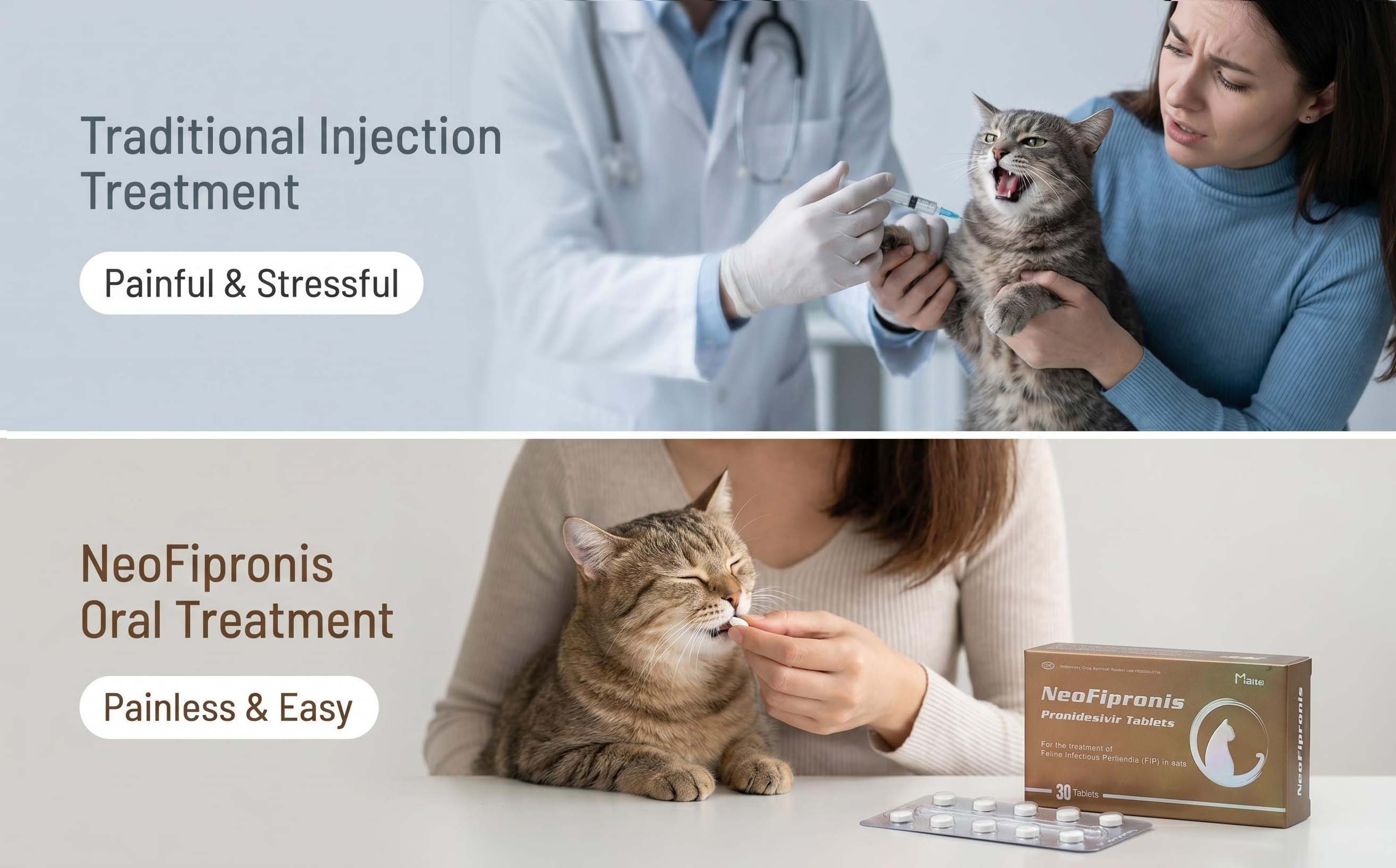
Late-stage treatment demands extraordinary commitment from cat owners. Daily injections (or oral medication), regular monitoring, vet visits, medication costs, and emotional challenges are common. Relapses may occur, especially within the first 12 weeks post-treatment. Owners must weigh their cat’s distress against the possibility of remission. A “quality of life” approach, including consultation with the veterinary team, is essential in deciding whether to pursue aggressive therapy or palliative support.
Several cat owners actively facing late-stage FIP describe an experience fraught with uncertainty but rewarded by unexpected recoveries. Online communities and support groups can play a significant role by offering guidance, medication sources, and emotional support. Still, not every case responds, and euthanasia remains a compassionate option for those suffering with no reasonable chance of recovery.
Financial and Practical Considerations
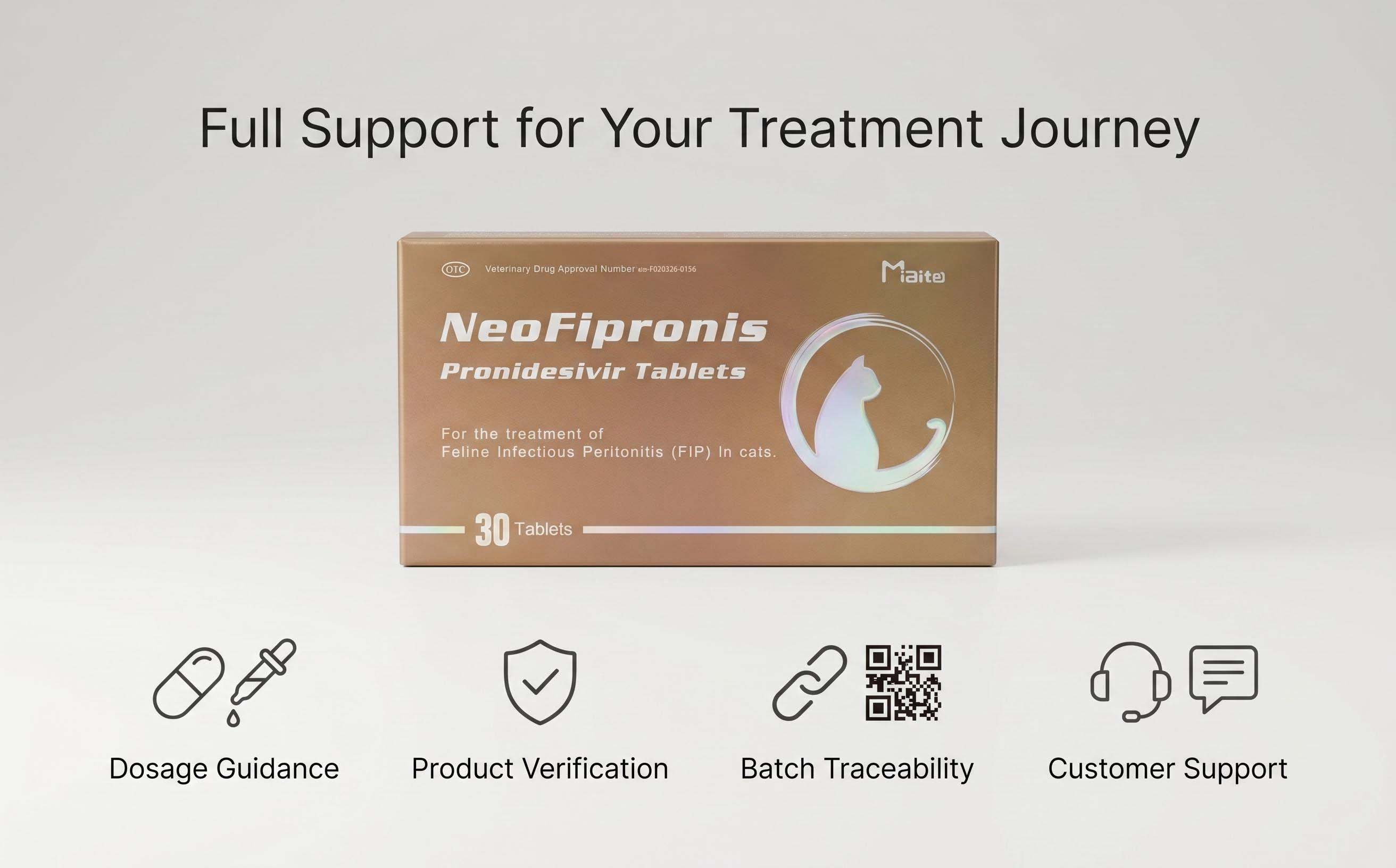
Antiviral treatments— still not FDA-approved in the United States—can be expensive, ranging from $2000 to $7000 per course depending on weight, duration, and import source. Higher dosages are mandatory for neurologic or ocular cases. Diagnosis itself can be costly, requiring PCR, antibody titers, imaging, and repeated exams.
Insurance coverage for FIP remains rare, putting the financial burden squarely on owners. Ethical and practical vet guidelines increasingly support antiviral use, but acquiring medication can be complicated due to regulatory gaps and black-market acquisition risks.
Veterinary Perspective: Prognostic Factors
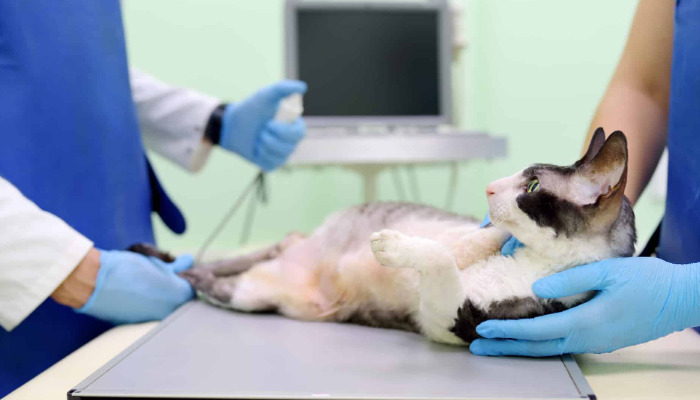
Veterinarians balance the objective prognosis against the hopes of owners. Key prognostic factors they assess include:
Degree of Organ Damage: Severe jaundice, azotemia, or hepatic failure lowers survival odds.
Neurological Signs: Once the CNS is deeply impacted, success rates decrease.
Time to Treatment: Rapid intervention after onset improves results.
Response to Initial Therapy: Early clinical improvement predicts sustained remission.
Veterinarians in practices reporting high FIP antiviral success emphasize strict adherence to dosing schedules, rapid adjustment for side effects, and proactive management of secondary complications.
Case Studies: Recovery in Advanced FIP
Recent years have seen striking case recoveries even in advanced FIP. For example, a 10-month-old male cat presenting with severe ascites, anemia, and hind limb paralysis achieved full remission after aggressive GS-441524 therapy combined with supportive nutrition and anti-inflammatory protocols. Such cases remain exceptional but prove that late-stage intervention is not without hope.
Veterinary journals and support networks document hundreds of late-stage survivors, especially those whose owners were persistent and innovations in drug accessibility allowed optimal dosing. However, long-term follow-ups highlight the importance of continued vigilance, as relapses or secondary issues are not uncommon.
Ethical Considerations in Treatment Decisions
For many, deciding whether to treat late-stage FIP is an ethical dilemma. Is short-term suffering justified by a reasonable possibility of recovery? Should financial constraints dictate care options? At the heart of these decisions lies the bond between cat and owner, and a mutual desire for the best attainable outcome. Honest, informed conversations with veterinary teams are critical.
Diagnosis Advances and Future Directions
The landscape of FIP diagnostics is evolving. New PCR tests, improvements in antibody detection, and imaging have allowed earlier, more accurate diagnoses. As the body of research grows, so too does understanding of how to identify late-stage cases with a realistic chance of recovery. Clinical trials continue in the U.S. and globally despite regulatory obstacles, and more affordable, approved antivirals could soon reach the market.
Future breakthroughs may include broader approval of GS-441524, novel combination therapies, and even vaccines to prevent the initial coronavirus mutation. Until then, the decision to treat late-stage FIP will remain nuanced, guided by both science and compassion.
Practical Steps for Owners Facing Late-Stage FIP
Immediate Consultation: Engage a veterinarian experienced in FIP therapy as soon as possible.
Objective Assessment: Seek full diagnostic workup to evaluate organ damage and FIP variant.
Understand Risks and Costs: Know upfront the financial, logistical, and emotional investment.
Monitor Quality of Life: Watch for distress or lack of improvement and reevaluate as necessary.
Leverage Support Communities: Seek advice and reassurance from established FIP survivor groups.
Conclusion
Treatment for late-stage FIP is not a guaranteed success but neither is it futile. The odds of recovery, though lower than early-stage intervention, are significant enough for many owners and veterinarians to consider aggressive therapy. Continuous advances in antiviral access and diagnostics promise ongoing improvements in survival rates and quality of life, even for those confronting the disease at its most dire phase.
References
1. Pedersen, N. C., et al. (2019). Efficacy and safety of the nucleoside analog GS-441524 for treatment of cats with naturally occurring feline infectious peritonitis. Journal of Feline Medicine and Surgery, 21(4), 271–281.
2. Krentz, D., et al. (2021). Pharmacokinetics and clinical efficacy of remdesivir in cats with FIP. Veterinary Microbiology, 261, 109244.
3. Hilton, L. K., et al. (2023). Outcomes of late-stage FIP cases treated with antiviral therapies: A retrospective analysis. Feline Medicine & Surgery Open Reports, 9(1).
4. Addie, D. D., et al. (2020). Guidelines for the diagnosis and treatment of FIP. JFMS Open Reports, 6(1), 1–10.
5. Hartmann, K. (2022). Advances in diagnosis and treatment of feline infectious peritonitis. Veterinary Clinics: Small Animal Practice, 52(5), 1237–1255.
6. FIP Warriors USA. (2023). Owner testimonies and success rates in late-stage FIP treatment. Available at: https://fipwarriorsusa.com
7. Rissi, D. R. (2022). Neurological and ocular FIP: Pathology and response to antivirals. Journal of Comparative Pathology, 187, 95–109.
8. American Association of Feline Practitioners (AAFP). (2023). FIP treatment protocols and practical tips for US veterinarians. Available at: https://catvets.com
9. Murphy, B. G. (2022). Current challenges in FIP management: Regulatory and financial barriers. Veterinary Therapeutics, 23(2), 120–128.