Can Cats Receive Vaccinations During FIP Diagnosis
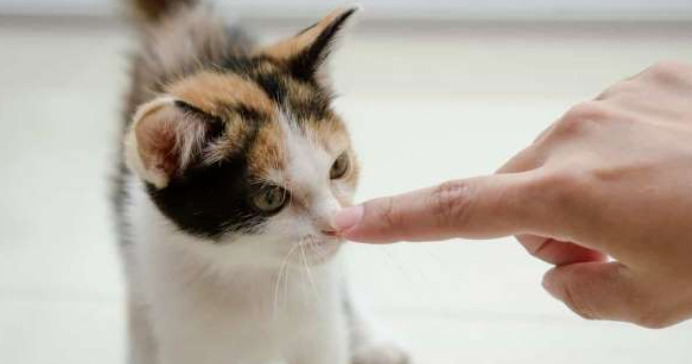
Feline Infectious Peritonitis (FIP) is considered one of the most challenging and tragic diagnoses in feline medicine. Caused by a mutation of the feline coronavirus (FCoV), FIP triggers a complex immune response that often proves fatal without prompt intervention. As awareness of FIP and its evolving treatments grows, many cat owners and veterinarians find themselves asking critical questions regarding the ongoing medical needs of affected cats—particularly regarding vaccinations during an FIP diagnosis. Safe vaccination strategies are pivotal in protecting feline populations, but unique considerations must be made when FIP enters the clinical picture.
FIP Overview and the Immune System
FIP is not simply a viral infection—it results from a combination of virus behavior and the cat's immune response. Mutation of FCoV inside the cat triggers the formation of FIP-associated disease through a process largely driven by the immune system itself. This means that the cat’s ability to mount an appropriate immune response is fundamentally altered compared to a healthy animal. FIP can manifest in wet (effusive) and dry (non-effusive) forms, each with unique clinical features but similar immunological compromises.
Vaccines depend on a robust, functional immune system to generate protective immunity. The administration of vaccines during FIP diagnosis must account for this, as immune modulation from the disease may reduce vaccine efficacy and potentially exacerbate illness.
Standard Feline Vaccinations and Protocols
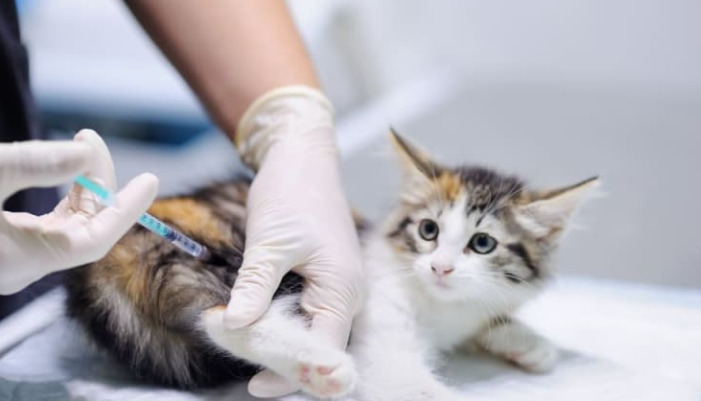
Cats generally receive core vaccines against panleukopenia, feline herpesvirus, and calicivirus, along with non-core vaccines tailored to individual risk factors such as FeLV or rabies. These vaccines are typically administered starting at 6-8 weeks old, boosted at regular intervals, and then annually or triennially.
Healthy cats handle these immunizations well and build adequate protection. However, vaccines work best in animals that possess healthy, uncompromised immune systems. In immune-suppressed cats—including those with FIP—traditional vaccination protocols may require significant reconsideration.
Immune Response and Vaccine Safety
Vaccines stimulate the adaptive immune response, which is hampered in FIP cases. The disease’s progression involves macrophages and complex immune dysregulation, often resulting in a chronic pro-inflammatory state. Because FIP uniquely shifts immune response away from protective cell-mediated immunity toward damaging processes, this puts the cat at risk for immune-mediated complications.
Not only may vaccines fail to create appropriate antibodies or cellular protection in FIP-positive cats, but they might also prompt an unwanted immune reaction, potentially increasing systemic inflammation. Some studies suggest vaccination during active disease could exacerbate symptoms and speed disease progression.
Current Guidelines and Recommendations
Leading veterinary authorities, including the American Association of Feline Practitioners (AAFP), generally advise against vaccinating cats actively suffering from systemic illness. Their guidelines define systemic illness as any disease (including FIP) that significantly alters immune competency. Therefore, routine vaccines are usually deferred in cats with FIP until stabilization, recovery, or remission, provided such improvement is achieved through treatment.
In some cases, particularly where FIP is suspected but not confirmed, vaccination decisions are made on a risk-benefit basis. If the cat is at significant risk of exposure to dangerous infections and already has baseline immune protection, further vaccines are often postponed. If a cat with FIP is undergoing experimental or novel antiviral therapy, discussions with specialists regarding vaccine timing and necessity become vital.
FIP Treatments and Immunomodulation
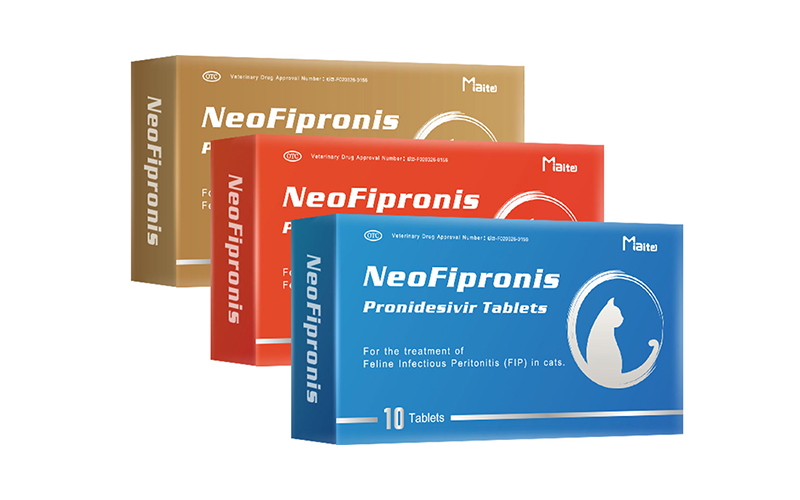
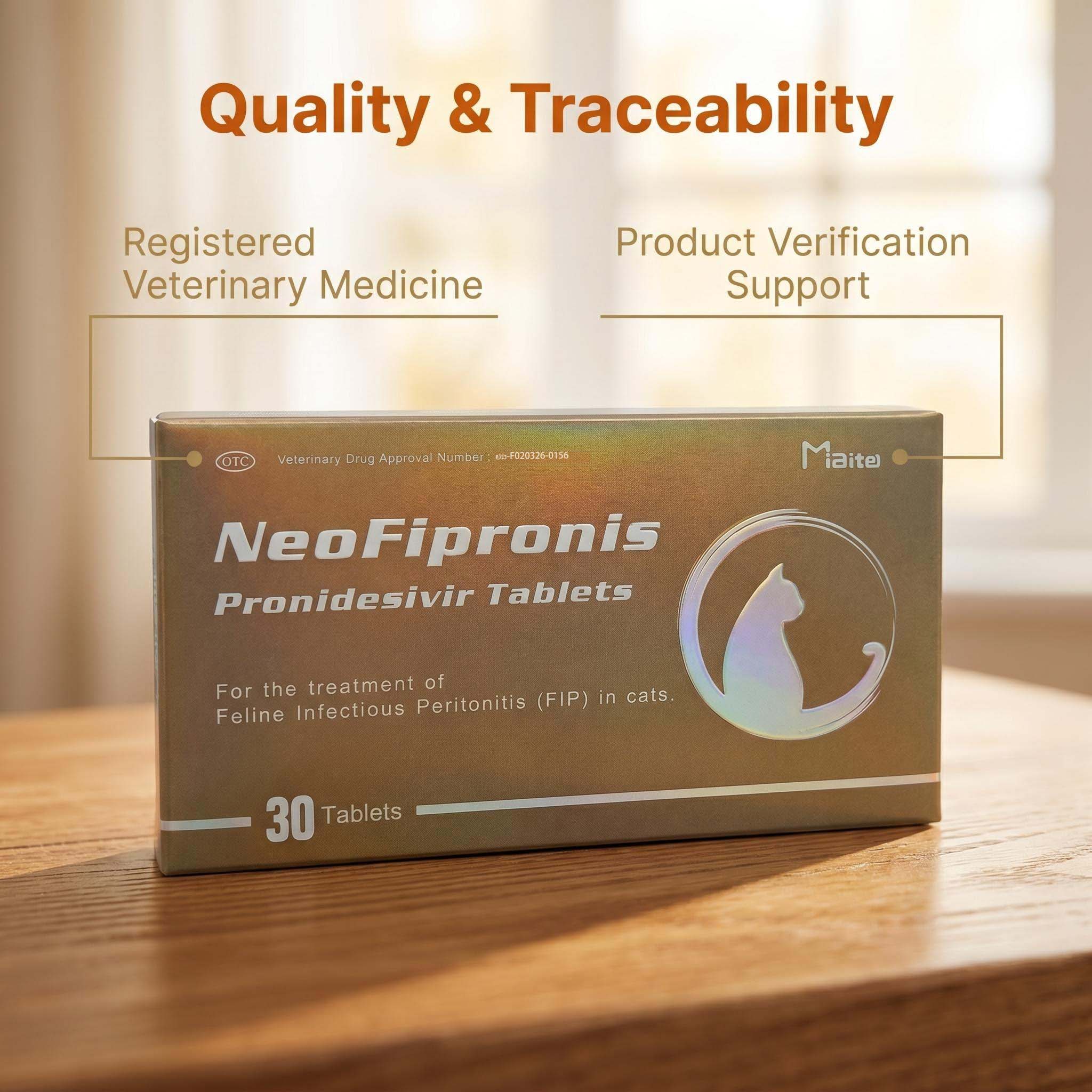
Recent years have brought breakthroughs in FIP therapy, especially with the advent of antiviral medications such as GS-441524 and remdesivir. These treatments can, in certain cases, result in remission and immune system recovery. During this phase, reassessment of vaccination status may be prudent, but only after thorough evaluation by a veterinarian.
Veterinarians increasingly recommend serological testing rather than automatic booster shots, especially for cats with recent or ongoing FIP therapy. Such testing determines antibody titers, minimizing unnecessary immune stimulus. This approach helps avoid both under and over-vaccination.
Alternative Strategies for Disease Prevention
Because FIP is caused by a mutation of a common, otherwise benign, feline coronavirus, reducing coronavirus circulation in multi-cat environments—such as catteries and shelters—is critical. Sanitation, minimized crowding, and cautious introduction of new animals are cornerstones of infection control.
Vaccination against FIP itself exists, but the intranasal FIP vaccine (Primucell) available in some countries has demonstrated inconsistent efficacy. Furthermore, it is not generally recommended for widespread use, and it is not considered standard in the United States. Most veterinarians prioritize core vaccines, environmental control, and early detection over use of FIP-specific vaccination.
Legal and Ethical Considerations
In some states, legal requirements mandate specific vaccinations—particularly rabies—even in compromised animals. Exceptions for medically ineligible pets may be possible with veterinary documentation. Veterinarians must comply with both legal and ethical standards, always acting in the best interests of the patient.
Decisions must be documented, involving a careful discussion with the cat’s owner regarding risks, benefits, and alternatives. The veterinarian’s priority is treating FIP while preventing collateral infectious diseases without jeopardizing the cat’s health.
Communication with Cat Owners
Clear and compassionate communication is essential. Cat owners facing FIP are likely distressed and seeking the best possible guidance for their pets. Veterinarians should explain that vaccines may be postponed during active FIP due to immune system dysfunction. Owners should also be reassured that this temporary postponement is in the cat’s best interest—and that other preventive measures can be implemented.
Owners should monitor vaccination schedules, understand when boosters may resume (often after remission or recovery from FIP), and be trained in recognizing signs of secondary infections. Social distancing for cats (reducing exposure to unknown feline populations) and diligent hygiene remain crucial during the cat’s convalescence.
Practical Approach for Veterinarians
Veterinarians should take the following steps when faced with a cat diagnosed with FIP:
1. Assess Immune Status: Evaluate overall health. Avoid vaccines in animals with significant systemic illness.
2. Review Legal Mandates: Confirm if any vaccines (such as rabies) are required by law, and determine medical exemption protocols if necessary.
3. Communicate with Owners: Discuss the rationale for postponing vaccines, alternative preventive measures, and when re-vaccination might be considered post-recovery.
4. Maintain Vigilance for Secondary Diseases: Advise owners on environmental control, hygiene, and isolation where necessary.
5. Use Serological Titers: Where possible, check antibody titers in advance of routine vaccination, reducing both risks of underprotection and unnecessary immune activation.
6. Consult Specialists: For cats undergoing promising FIP therapies, consult with feline infectious disease experts regarding optimal timing for re-vaccination.
Special Risks for Kittens and Unvaccinated Cats
Young kittens not yet vaccinated and diagnosed with FIP are most at risk for secondary infections. Pediatric immune responses are immature even before the added challenge of FIP. In these cases, risk of exposure to infectious agents must be minimized, and more proactive supportive care may be required.
Owners and breeders should ensure kittens are kept in low-stress, low-exposure environments, postponing both vaccines and introduction to new feline groups until after recovery and immune system re-evaluation.
Long-Term Prognosis and Vaccination Planning
If a cat recovers from FIP due to antiviral therapy, reevaluation of immune competence and individual risk is mandatory. The veterinarian may suggest restarting or resuming the vaccine schedule once the cat has been illness-free for a defined period and clinical markers indicate restored immune function.
Long-term, the focus shifts to preventing recurrence of coronavirus infection and protecting recovered cats from other opportunistic diseases through balanced and individualized care plans.
Future Trends and Research Directions
As FIP management evolves, research into vaccine efficacy in immunocompromised pets—including those with FIP—may yield alternate recommendations. Investigations into feline immunology, immune-modulating therapies, and better diagnostics could improve safety profiles related to vaccinations in complex disease scenarios. Additionally, future FIP vaccines, perhaps combining safe antigen presentation with immune support, remain an area of scientific interest.
References
1. Addie, D.D., Paltrinieri, S., et al. "Feline Infectious Peritonitis: ABCD guidelines on prevention and management." Journal of Feline Medicine and Surgery, 2021.
2. American Association of Feline Practitioners (AAFP), "Feline Vaccination Guidelines," 2020. [https://catvets.com/guidelines/practice-guidelines/feline-vaccination-guidelines](https://catvets.com/guidelines/practice-guidelines/feline-vaccination-guidelines)
3. Pedersen, N.C., "A review of current status of FIP virus infection and management." Veterinary Microbiology, 2014.
4. Hartmann, K., "Feline infectious peritonitis." Veterinary Clinics: Small Animal Practice, 2005.
5. Driscoll, J.M., "Immunology and vaccination in cats with chronic diseases." Veterinary Clinics: Small Animal Practice, 2010.
6. Dempsey, S.M., "Rabies vaccination and legal requirements for immunocompromised animals." Compendium on Continuing Education for Practicing Veterinarian, 2012.
7. Stoddard, R.A., et al., "Safety and efficacy of vaccines in cats with concurrent disease." Journal of Veterinary Internal Medicine, 2017.